Quick Facts
- Waste Impact: Only 5% of US plastic is successfully recycled; zero waste grocery shopping eliminates this loop entirely.
- Economic Growth: The global zero waste grocery store market is projected to expand at an 18.5% compound annual growth rate through 2033.
- Top Nutrient Staples: Bragg Nutritional Yeast and early-harvest extra virgin olive oil are consistent bulk favorites for density and flavor.
- Consumer Demand: A global survey revealed 74% of shoppers are interested in refillable packaging to reduce environmental waste.
- Storage Tip: Mesh bags extend the life of produce by allowing proper airflow, while glass jars prevent seed and nut rancidity.
- Tech Trend: Modern 2026 refilleries now utilize NFC and QR tags for automated container weighing and ingredient transparency.
Start your sustainable journey with our expert guide to zero waste grocery shopping. In 2026, sourcing organic non-GMO pantry staples has never been easier thanks to new refill technology and transparent supply chains. Zero waste grocery shopping is the practice of purchasing food—primarily organic and non-GMO staples—in bulk using reusable containers to eliminate single-use packaging. Success involves finding local refilleries, mastering the tare weight system, and choosing nutrient-dense dry goods to build a high-quality, low-impact kitchen.
Preparation: Building Your Zero-Waste Toolkit
Transitioning to a more sustainable kitchen begins long before you step foot in a store. As a nutrition editor, I always emphasize that the quality of your storage is just as important as the quality of your food. To master zero waste grocery shopping tips for beginners, you must first assemble a toolkit that preserves the integrity of your ingredients.
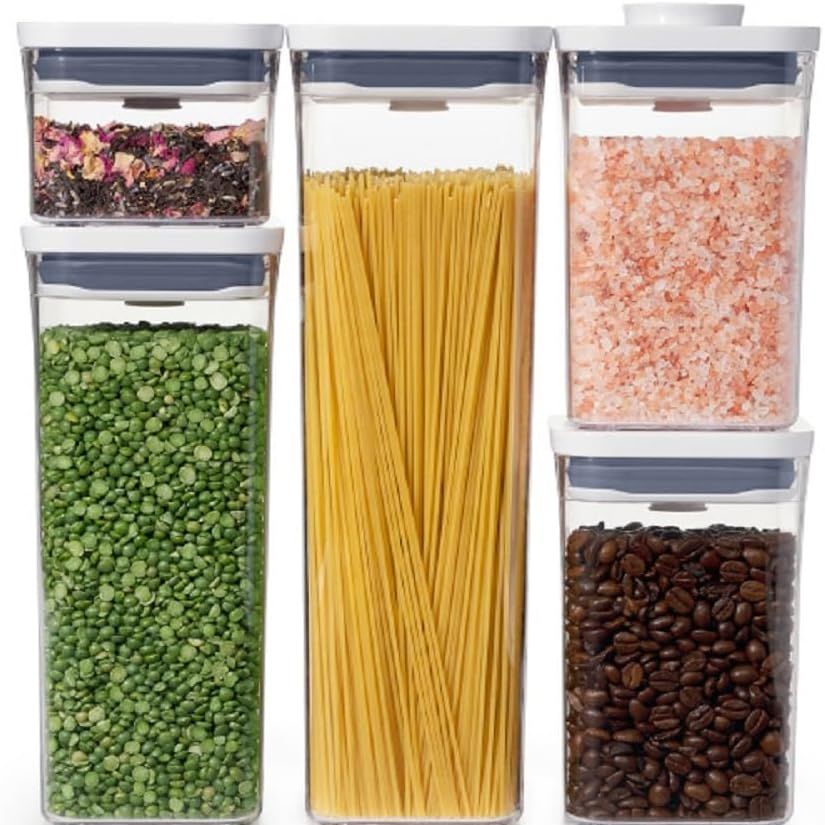
The foundation of a sustainable grocery shopping tips strategy is the container. While plastic containers are lightweight, they can leach chemicals into your food over time and eventually contribute to landfill waste. Instead, opt for glass Mason jars or stainless steel canisters. These are the best containers for zero waste pantry organization because they are non-reactive, easy to sanitize, and provide an airtight seal that keeps grains and legumes fresh for months.
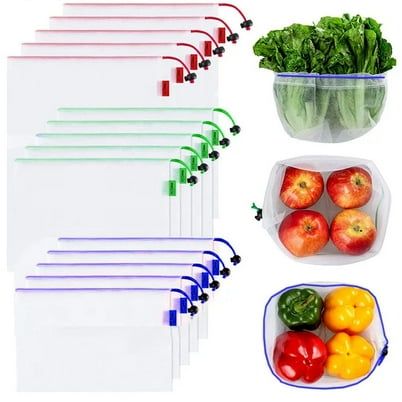
In 2026, the sanitization protocol has evolved. Before heading to the store, ensure your containers are stripped of old labels and run through a high-heat dishwasher cycle. For produce, move away from those thin plastic rolls found in the aisles. Reusable mesh bags are the ultimate alternative for items like apples, kale, or potatoes, as they allow the ethylene gases to escape, preventing premature spoilage.
Sourcing: Finding Organic & Non-GMO Staples
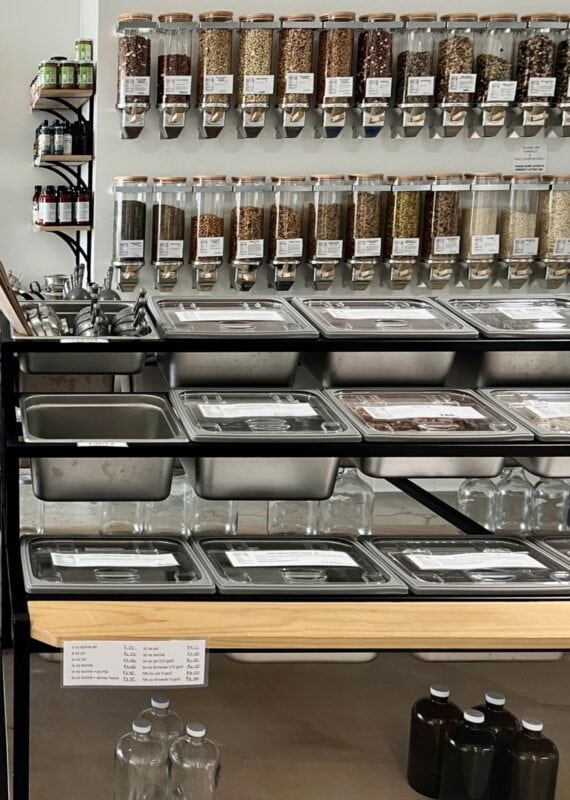
Locating zero waste grocery stores involves searching for local refilleries, bulk-buying co-ops, and specialized markets that prioritize package-free goods. Many modern refill stores offer a wide selection of organic and non-GMO staples, including grains, spices, oils, and household cleaners. Online directories and certified B Corp lists can help identify ethical retailers that support a circular economy and minimize single-use plastics.
The demand for clean ingredients is skyrocketing. The United States organic food market reached record sales of $69.7 billion in 2023, reflecting a 3.4% growth driven by consumers seeking products free from synthetic pesticides. When you are sourcing through a refillable bulk store guide, look for the USDA Organic and Regenerative Agriculture certifications displayed on the bin or via a digital QR code.
Navigating National Chains vs. Niche Refilleries
While national chains like Whole Foods or Bulk Barn offer extensive bulk sections, niche refilleries often provide a more curated ethical supply chain. These smaller shops frequently partner with local farmers, ensuring your zero waste pantry staples haven't traveled thousands of miles. If you are in a rural area, consider online zero waste grocery delivery options that ship in returnable, reusable pouches, bridging the gap between convenience and a low-impact lifestyle.

Logistics: Mastering the Bulk Bin Process
To shop zero waste effectively, bring clean, dry reusable containers such as glass jars or cloth mesh bags to the store. Most refilleries use a tare weight system where the container's weight is recorded before filling to ensure you only pay for the product. Selecting whole foods from bulk bins instead of pre-packaged snacks significantly reduces waste while allowing you to purchase the exact quantity needed for your pantry.
The process of how to shop bulk bins with your own jars has become significantly more streamlined with 2026 technology. Many stores now use smart scales that scan an NFC tag on your jar, automatically subtracting the weight of the glass. If your local store is more traditional, simply place your empty jar on the scale, write the weight (the tare) on a piece of painter's tape or directly on the glass with a wax pencil, and then fill.
Value Math: Bulk vs. Packaged
From a budgetary perspective, buying organic non-gmo pantry staples in bulk is almost always more cost-effective. You aren't paying for the branding, the colorful plastic wrapping, or the marketing costs associated with shelf-stable boxes.
| Staple Item (Organic) | Packaged Price (per lb) | Bulk Refill Price (per lb) | Savings |
|---|---|---|---|
| Quinoa | $6.50 | $4.80 | 26% |
| Rolled Oats | $4.20 | $2.10 | 50% |
| Almonds | $12.99 | $9.50 | 27% |
| Extra Virgin Olive Oil | $18.00 (500ml) | $12.00 (500ml) | 33% |
Sourcing organic and non-GMO pantry essentials in a zero waste format requires verifying supplier standards at bulk stations. Look for stores that partner with local, ethical brands and provide transparent product information via QR codes or detailed labeling. Choosing regenerative agriculture products and USDA Organic certified items in bulk ensures that a sustainable lifestyle also supports high environmental and food safety standards.
Pantry Maintenance & Waste Reduction
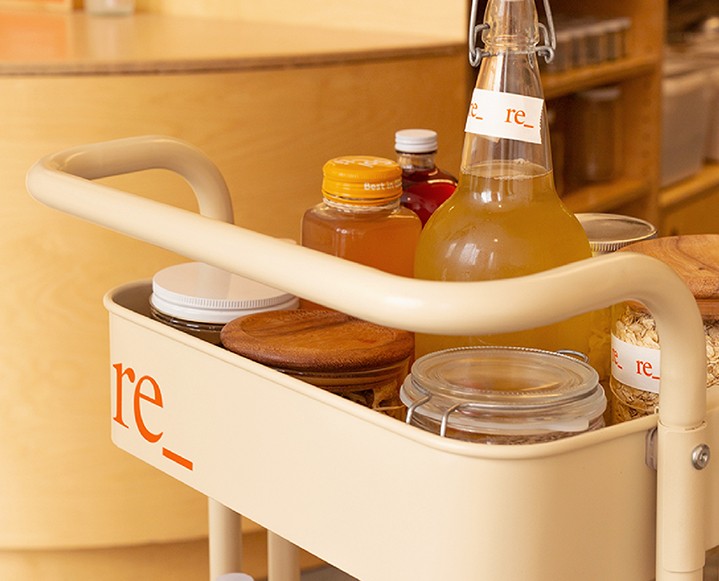
Once you have successfully navigated the zero waste grocery shopping experience, the focus shifts to maintaining the nutritional value of your haul. Proper decanting is key. When you return home, ensure your zero waste pantry staples are stored in a cool, dark place. For high-fat items like walnuts, flax seeds, or unrefined oils, I recommend refrigeration to prevent oxidation and maintain those heart-healthy omega-3 fatty acids.
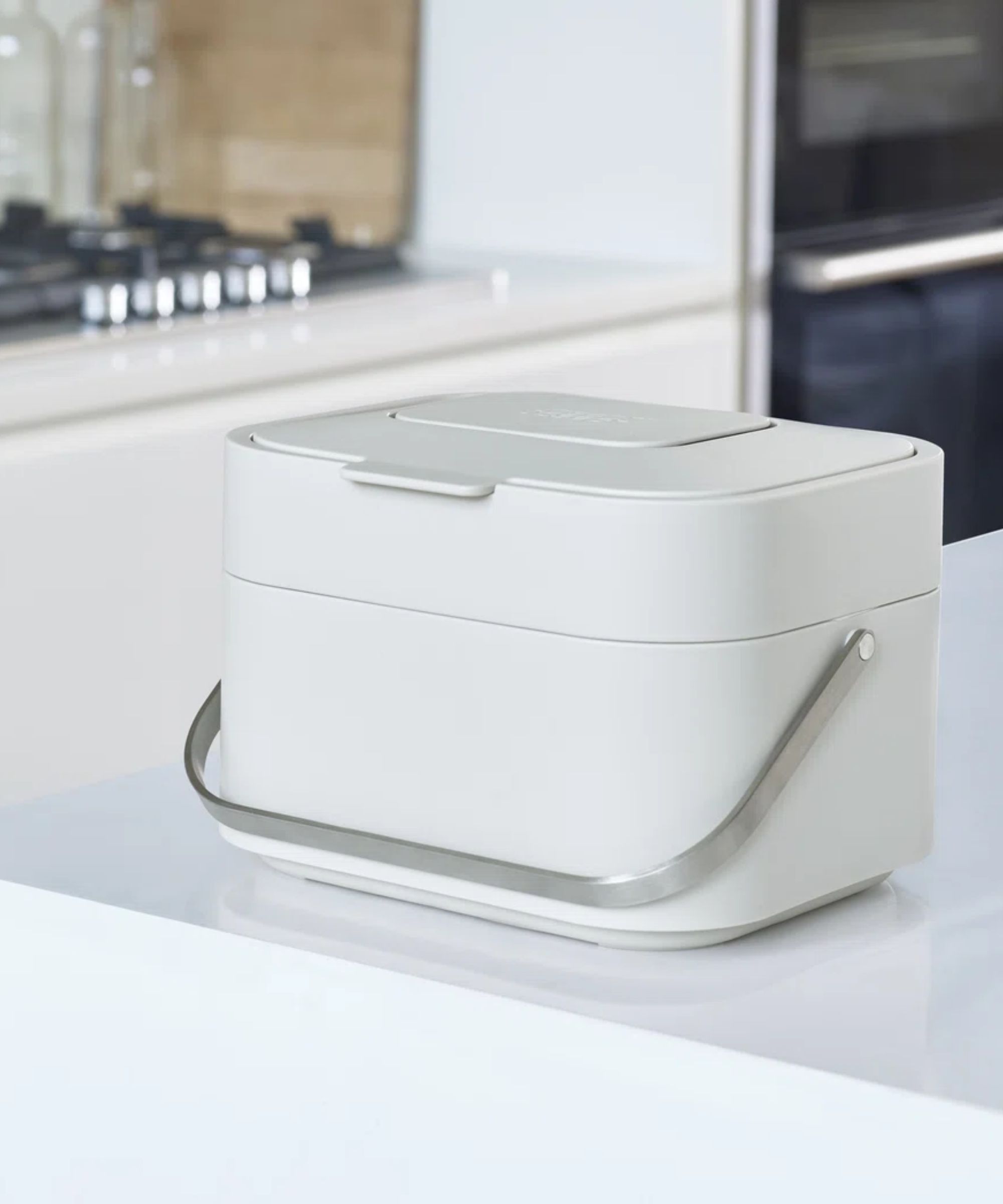
Pantry organization isn't just about aesthetics; it is about visibility. When you can see your ingredients through glass jars, you are less likely to over-purchase or let food go to waste. This circular economy mindset extends to the end of the food lifecycle. Even with the best planning, food scraps happen. Integrating a countertop compost bin allows you to turn vegetable peels and coffee grounds into nutrient-rich soil, closing the loop of conscious consumerism.
Managing your kitchen waste also involves soft-plastic recycling for the few items you might still buy in packages. However, by focusing on whole foods from bulk bins, you significantly decrease your reliance on these systems. A well-organized, zero-waste pantry is a hallmark of a health-conscious home, reducing the chemical load on your body and the plastic load on the planet.
FAQ
How do I start zero waste grocery shopping?
Begin by auditing your current trash to see which packaged items you buy most frequently. Start small by replacing just three staples—like rice, coffee, and flour—with bulk versions. You don't need a perfect set of matching jars immediately; simply reuse glass jars from pasta sauce or pickles to get started.
Is zero waste grocery shopping more expensive?
Generally, it is cheaper because you are not paying for packaging or marketing. However, because many zero waste stores prioritize high-quality organic and non-GMO certifications, the unit price might seem higher than conventional "big brand" processed foods. Over time, the ability to buy exactly the amount you need reduces food waste and saves money.
What items should I bring for zero waste grocery shopping?
Your basic kit should include various sizes of glass jars for dry goods, stainless steel or glass bottles for liquids like oils and vinegar, and cloth mesh bags for produce. A wax pencil or chalk marker is also helpful for writing the tare weight and product codes directly on your containers.
How do you calculate the tare weight of jars?
The tare weight is simply the weight of your empty container. You place the empty jar on a scale at the store (or at home), record that weight, and then the cashier subtracts it from the final weight of the filled jar. This ensures you are only paying for the weight of the food inside.
Why is zero waste grocery shopping better for the environment?
It directly addresses the plastic crisis by eliminating single-use packaging that often ends up in oceans or landfills. Furthermore, bulk shipping is more efficient for retailers, which reduces the overall carbon footprint of the supply chain. It also encourages the consumption of whole, unprocessed foods, which is better for both the planet and your health.
How do you keep produce fresh without plastic bags?
Plastic bags actually trap moisture and gases that cause vegetables to rot faster. Use breathable mesh bags for hardy produce and dampen a cotton "swaddle" towel for leafy greens like kale or spinach before placing them in the crisper drawer. This mimics the professional hydration systems used in high-end grocery stores.