Quick Facts
- Weight Loss Winner: Cottage cheese is the preferred option due to its significantly lower caloric density and higher moisture content.
- Muscle Building Winner: Cottage cheese takes the lead for muscle gain because of its higher protein per 100g and high casein content.
- Bone Health Winner: Ricotta is the clear choice for bone density, containing over 2x the calcium and more Vitamin A.
- Heart Health Consideration: Ricotta is often better for those monitoring blood pressure as it has a 76% lower sodium content than cottage cheese.
- Culinary Texture: Ricotta offers a smooth, creamy, and spreadable consistency, while cottage cheese features a lumpy, curd-like texture.
- Keto Friendliness: Both are low-carb, but ricotta is often favored for keto diets due to its higher healthy fats and caloric richness.
Ricotta and cottage cheese differ primarily in their production and nutrient density. Ricotta is creamier, higher in fat and calcium, while cottage cheese is leaner, higher in protein and sodium, making cottage cheese the better choice for weight loss and ricotta superior for bone health.
From Whey to Curd: The Science of Production
Understanding the difference between these two dairy staples starts in the vat. As a nutrition editor, I always emphasize that how food is made dictates how it fuels your body. The dairy manufacturing process for these two cheeses is fundamentally different, which leads to their unique nutritional profiles.
Ricotta, which literally translates to "recooked" in Italian, is traditionally made from the leftover whey protein from the production of other cheeses. By reheating the whey and adding an acid, the proteins coagulate into fine, creamy grains. This results in a cheese that is rich in whey protein, which is known for its fast absorption and high concentrations of branched-chain amino acids.
In contrast, cottage cheese is a fresh curd cheese. It is made by adding an acid or an enzyme to milk, which causes the milk solids to clump together into curds. These curds are then drained but not pressed, leaving behind a high moisture content and a distinct curd consistency. Unlike ricotta, cottage cheese is primarily composed of casein content. Casein is a slow-digesting protein that provides a steady release of amino acids into the bloodstream, making it a favorite among the fitness community.
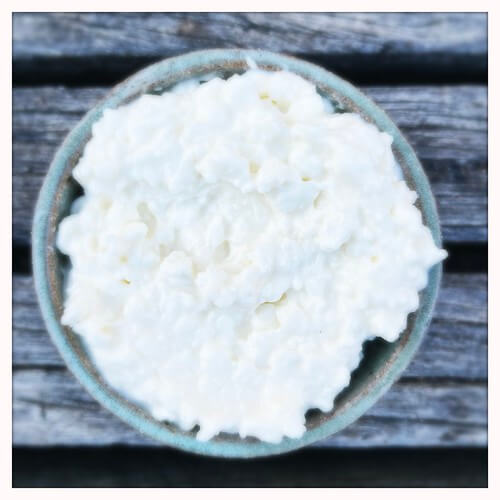
This distinction in the amino acid profile and the way the proteins are structured affects everything from how long you feel full to how the cheese behaves in your oven. While ricotta is smooth and holds its shape well when baked, cottage cheese is more liquid-forward and maintains its "lumpy" texture unless modified.
Macronutrients: Weight Loss vs. Muscle Gain
When we look at the numbers, the choice between ricotta vs cottage cheese often depends on your specific physical goals. Are you trying to lean out for a marathon, or are you hitting the weight room to pack on size?
The most striking difference lies in the caloric density. Whole milk ricotta contains roughly 174 calories and 13 grams of fat per 100-gram serving. On the other hand, cottage cheese is much leaner, containing about 98 calories and 4.9 grams of fat per 100 grams. This means ricotta is about 1.78x higher in calories, which is a significant factor if you are tracking your energy intake closely.
| Nutrient (per 100g) | Whole Milk Ricotta | Low-Fat Cottage Cheese |
|---|---|---|
| Calories | 174 kcal | 98 kcal |
| Protein | 7.5g | 11.1g |
| Total Fat | 13g | 4.9g |
| Sodium | 84mg | 364mg |
| Calcium | 206mg | 83mg |
For those wondering is cottage cheese healthier than ricotta for weight loss, the answer is generally yes. The lower fat content and higher water volume in cottage cheese help you feel satisfied with fewer calories. However, for athletes focusing on cottage cheese vs ricotta protein for muscle gain, cottage cheese again holds the advantage. According to USDA data, cottage cheese provides approximately 11.1 grams of protein per 100 grams compared to about 7.5 grams found in ricotta.
The type of fat also matters. Ricotta has a higher amount of saturated fat and cholesterol levels. While dietary cholesterol has a smaller impact on blood levels than once thought, the higher fat content in ricotta makes it a more calorie-dense nutrient source. If you are on a ketogenic diet, the higher fat-to-carb ratio in ricotta might actually be an advantage, whereas cottage cheese is the "cleaner" protein source for traditional bodybuilding diets.
Micronutrients and Heart Health: The Sodium Gap
While macronutrients tell the story of energy and muscle, micronutrients tell the story of long-term health. This is where ricotta makes a massive comeback, particularly regarding bone health nutrients.
Ricotta cheese contains significantly more calcium than cottage cheese, providing approximately 206 mg per 100-gram serving compared to 83 mg in the same amount of cottage cheese. This makes ricotta a powerhouse for maintaining bone density and preventing osteoporosis. Additionally, because ricotta is higher in fat, it serves as a better carrier for fat-soluble vitamins like Vitamin A, D, and E.
However, we must address the "sodium gap." This is a critical point for anyone following a DASH diet or managing hypertension. Cottage cheese is notorious for its high salt content, which is used to preserve the curds and enhance flavor. Ricotta, by comparison, is naturally much lower in sodium.
When analyzing ricotta vs cottage cheese sodium content for heart health, ricotta is the clear winner for those sensitive to salt. If you choose cottage cheese, I always recommend looking for "no salt added" versions or rinsing the curds under cold water to reduce the sodium load.
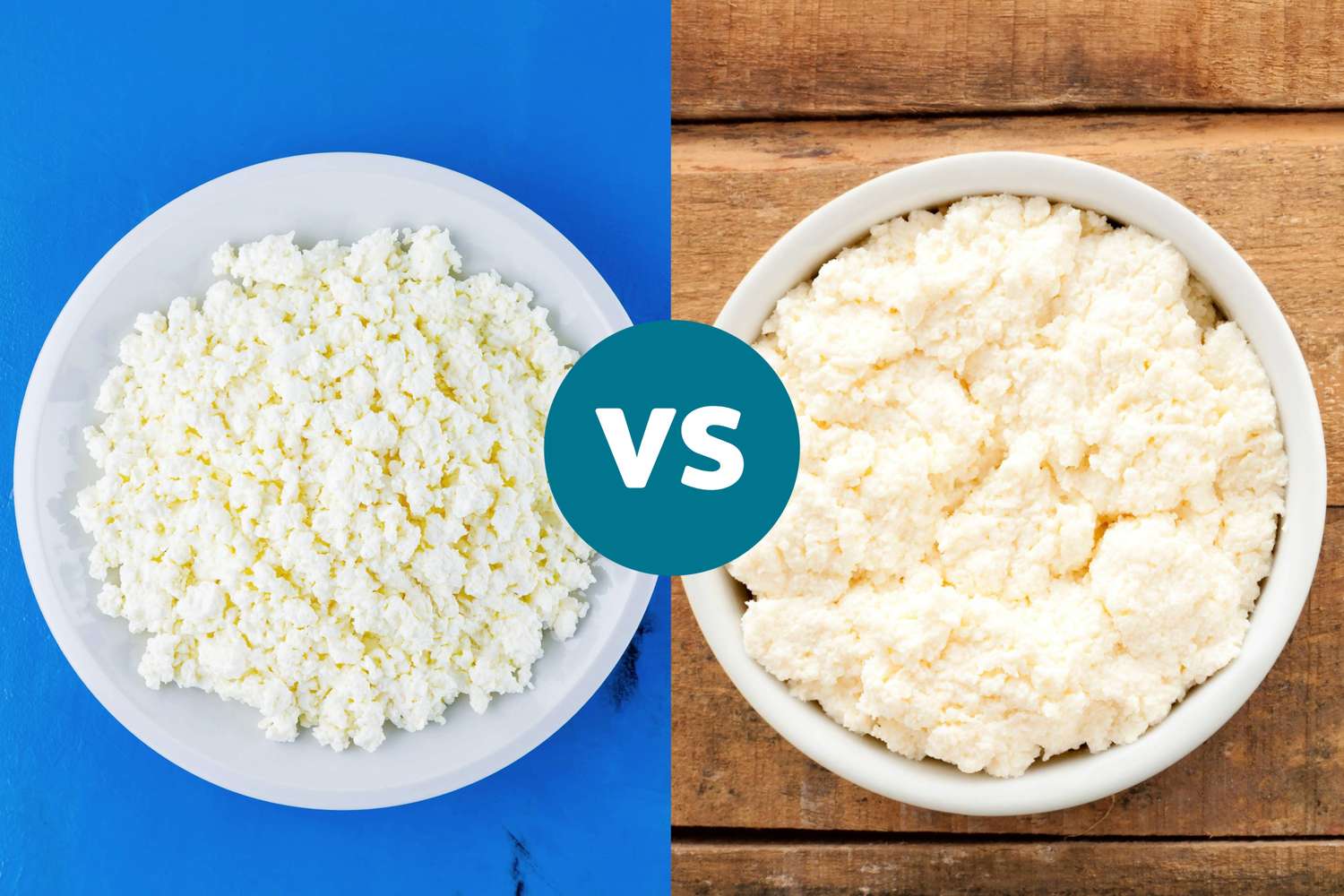
In a ricotta vs cottage cheese vitamins and minerals comparison, you are essentially choosing between the bone-strengthening power of calcium (ricotta) and the lean, high-protein efficiency of cottage cheese. Both provide essential amino acids like leucine and lysine, but they deliver them in very different mineral packages.
Kitchen Guide: Substituting Ricotta for Cottage Cheese
From a culinary perspective, these two are often used interchangeably, but there are some nuances you should know to avoid a kitchen disaster. The difference between ricotta and cottage cheese in lasagna, for example, is largely about texture and moisture management.
Ricotta is the traditional choice for Italian dishes because its fine grain acts as a culinary binding agent. It holds up well under heat and creates a uniform, creamy layer. If you are substituting ricotta for cottage cheese in recipes like lasagna or stuffed shells, be aware that cottage cheese has a much higher moisture content. If you use it straight from the tub, your lasagna may end up watery.
Emily's Kitchen Hack: If you want the health benefits of cottage cheese but the elegant texture of ricotta, the best way to use cottage cheese as a ricotta substitute is to pulse it in a blender or food processor for 30 seconds. This breaks down the curds and creates a smooth consistency that mimics ricotta perfectly.
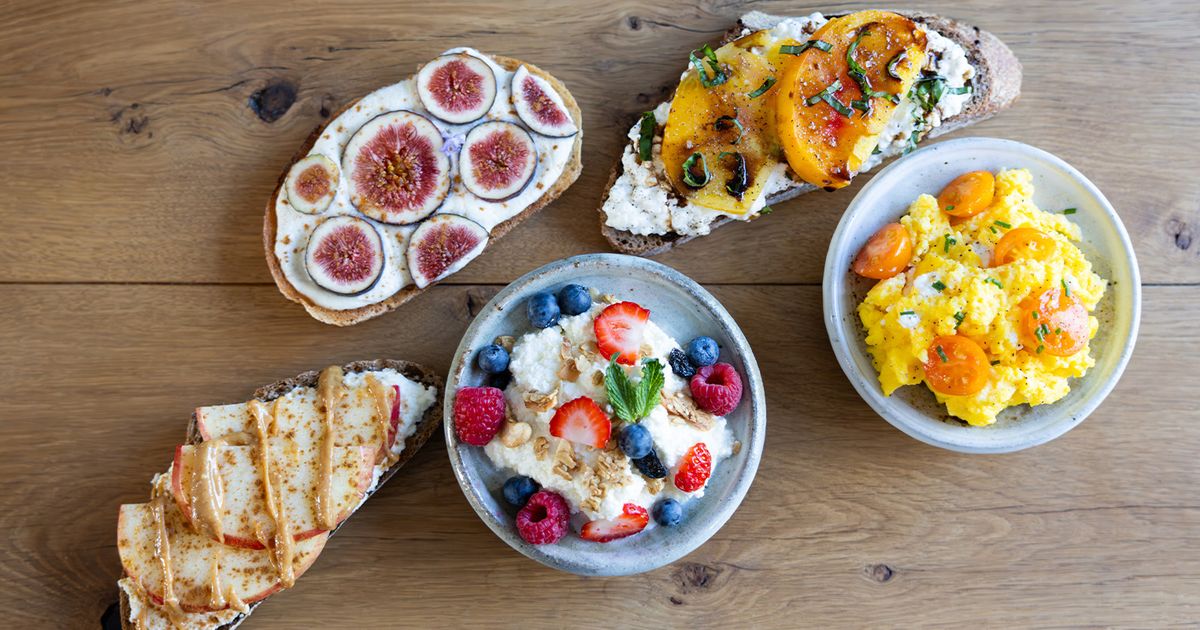
When considering the texture of ricotta vs cottage cheese for baking, ricotta provides a denser, richer crumb in cakes and pancakes. Cottage cheese can work, but it adds a slight tang and a different structural integrity due to the way its proteins denature. Both are excellent choices for a low carb ricotta or cottage cheese for keto diet breakfast bowl, topped with nuts and berries, but ricotta will feel more like a decadent treat while cottage cheese feels like a light, refreshing snack.
FAQ
What is the difference between ricotta and cottage cheese?
The main difference lies in how they are made and their resulting texture. Ricotta is made from re-cooked whey, resulting in a smooth, fine-grained, and creamy consistency. Cottage cheese is made from milk curds, giving it a lumpy, chunky texture. Nutritionally, ricotta is higher in fat, calories, and calcium, while cottage cheese is higher in protein and sodium.
Can I substitute cottage cheese for ricotta in lasagna?
Yes, you can substitute cottage cheese for ricotta in lasagna. However, because cottage cheese is more watery and has large curds, it is best to drain it through a fine-mesh sieve or blend it until smooth first. This prevents the lasagna from becoming soggy and helps it mimic the creamy texture of traditional ricotta.
Which is healthier, ricotta or cottage cheese?
Healthiness depends on your goals. Is cottage cheese healthier than ricotta for weight loss? Yes, because it is lower in calories and fat. However, if your goal is heart health or bone density, ricotta might be considered healthier because it contains significantly more calcium and much less sodium than standard cottage cheese.
Is ricotta cheese higher in protein than cottage cheese?
No, cottage cheese is generally higher in protein. On average, cottage cheese provides about 11 grams of protein per 100 grams, whereas ricotta provides about 7.5 grams. Cottage cheese is also rich in casein, a slow-digesting protein that is highly effective for muscle maintenance.
Which has more calcium, ricotta or cottage cheese?
Ricotta has significantly more calcium. It provides approximately 206 mg of calcium per 100 grams, which is more than double the 83 mg found in a similar serving of cottage cheese. This makes ricotta the superior choice for supporting bone health.
Conclusion: Which Should You Choose?
As we have seen in this ricotta vs cottage cheese comparison, neither dairy product is objectively "better" than the other—they simply serve different functional purposes.
If you are focused on a calorie-controlled diet or building lean muscle, cottage cheese is your best friend. Its high protein-to-calorie ratio and satiating moisture content make it a staple for weight management. On the flip side, if you are looking to boost your calcium intake, following a keto lifestyle, or need a smooth binder for your favorite Mediterranean dishes, ricotta is an exceptional nutrient-dense choice.
The beauty of functional nutrition is that you do not have to pick just one. I often keep both in my fridge: cottage cheese for my post-workout snacks and ricotta for my Sunday family dinners. By understanding the science behind the whey and the curd, you can make the choice that best aligns with your body's needs today.