Quick Facts
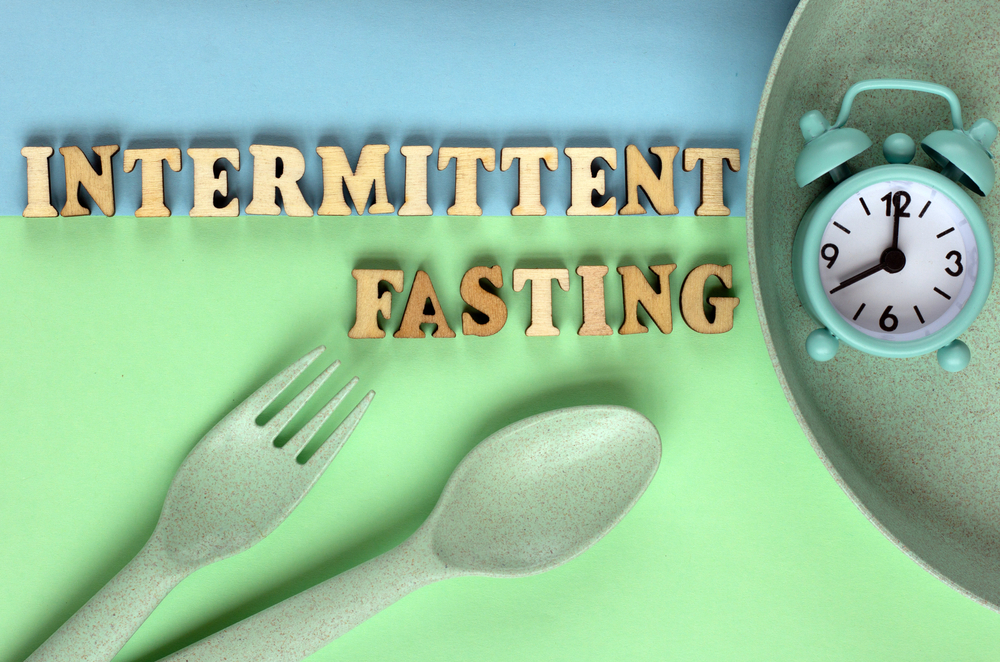
- Method: A form of time-restricted feeding involving a 16-hour fast and an 8-hour eating window.
- Primary Benefit: Clinical studies show an average 4.02% reduction in body weight over a 12-week period.
- Metabolic Switch: The body typically begins transitioning from burning glucose to fat oxidation around the 12-hour mark of a fast.
- Cellular Repair: Triggers autophagy, a natural cleaning process where cells recycle damaged components.
- Weight Loss Rate: Participants can expect to lose approximately half a pound per week, similar to traditional calorie counting.
- Sustainability: Research suggests 16:8 is as effective for weight loss as traditional calorie-restricted diets while being easier for many to maintain.
16:8 intermittent fasting is a time-restricted feeding method where you consume all daily calories within an eight-hour window and fast for the remaining 16 hours. A common schedule involves eating from 12:00 PM to 8:00 PM and fasting overnight. Beginners should choose a window that aligns with their work schedule and focus on high-protein, fiber-rich meals to maintain satiety and consistent energy levels. This approach improves metabolic flexibility and insulin sensitivity, providing a sustainable framework for long-term health.
How the 16:8 Method Works: The Science of the Metabolic Switch
The underlying power of 16:8 intermittent fasting lies in its ability to alter our internal biochemistry. For most of modern history, humans have lived in a state of constant caloric abundance, leading to a body that is perpetually in a "fed" state. In this state, the hormone insulin remains elevated, signaling the body to store energy as fat rather than burning it. By extending the daily fast to 16 hours, we allow insulin levels to drop significantly, which acts as a key to unlock stored fat reserves.
This transition is known as metabolic flexibility. It is the body’s ability to switch seamlessly between using glucose (sugar) and fatty acids (fat) for fuel. When you enter the later stages of a 16-hour fast, your liver depletes its glycogen stores and begins fat oxidation. This process not only aids in weight loss but also produces ketones, which serve as a highly efficient fuel source for the brain, often leading to improved mental clarity and focus.
Beyond fat burning, the 16-hour mark is a critical threshold for cellular repair. This process, known as autophagy, was highlighted by the 2016 Nobel Prize in Medicine. Autophagy is essentially a form of cellular housekeeping where the body identifies and recycles old, dysfunctional proteins and damaged organelles. By facilitating this process, 16:8 intermittent fasting helps maintain cellular health and may offer protective benefits against various age-related diseases. Additionally, fasting can lead to a significant increase in human growth hormone (HGH), which supports lean muscle preservation and tissue repair, making it a favorite among fitness enthusiasts.
Choosing Your Window: Best 16:8 Intermittent Fasting Schedule for Beginners
One of the most appealing aspects of this lifestyle is its inherent flexibility. However, for a beginner, the most critical factor is choosing a 16 8 fasting window that fits your work schedule and social life. If the schedule creates too much friction with your daily responsibilities, it will be difficult to maintain consistency in 16/8 fasting over the long term.
Most people gravitate toward one of two primary schedules based on their natural hunger patterns and lifestyle needs:
| Schedule Type | Eating Window | Best For |
|---|---|---|
| The Lunch-to-Late-Dinner | 12:00 PM – 8:00 PM | Social butterflies, families who eat dinner together, and those who aren't hungry in the morning. |
| The Early Bird | 8:00 AM – 4:00 PM | People who prioritize breakfast, morning exercisers, and those who find late-night snacking a struggle. |
| The Shift Worker | Variable 8-hour block | Those with irregular hours who need to align their window with their peak activity periods. |
The 12:00 PM to 8:00 PM window is arguably the most popular intermittent fasting schedule for beginners because it feels socially normal. You can skip a traditional breakfast, have a productive morning fueled by black coffee, and still enjoy a full lunch and dinner with friends or colleagues.
Conversely, the 8:00 AM to 4:00 PM window aligns more closely with our natural circadian rhythm alignment. Research suggests that insulin sensitivity is highest in the morning, meaning your body may process nutrients more efficiently earlier in the day. Regardless of which you choose, the goal is to create a predictable routine that regulates ghrelin regulation—the hormone responsible for hunger. When you eat at the same time every day, your body eventually stops sending hunger signals during the fasting period.
Meal Planning for the 16:8 Method: What to Eat and Drink
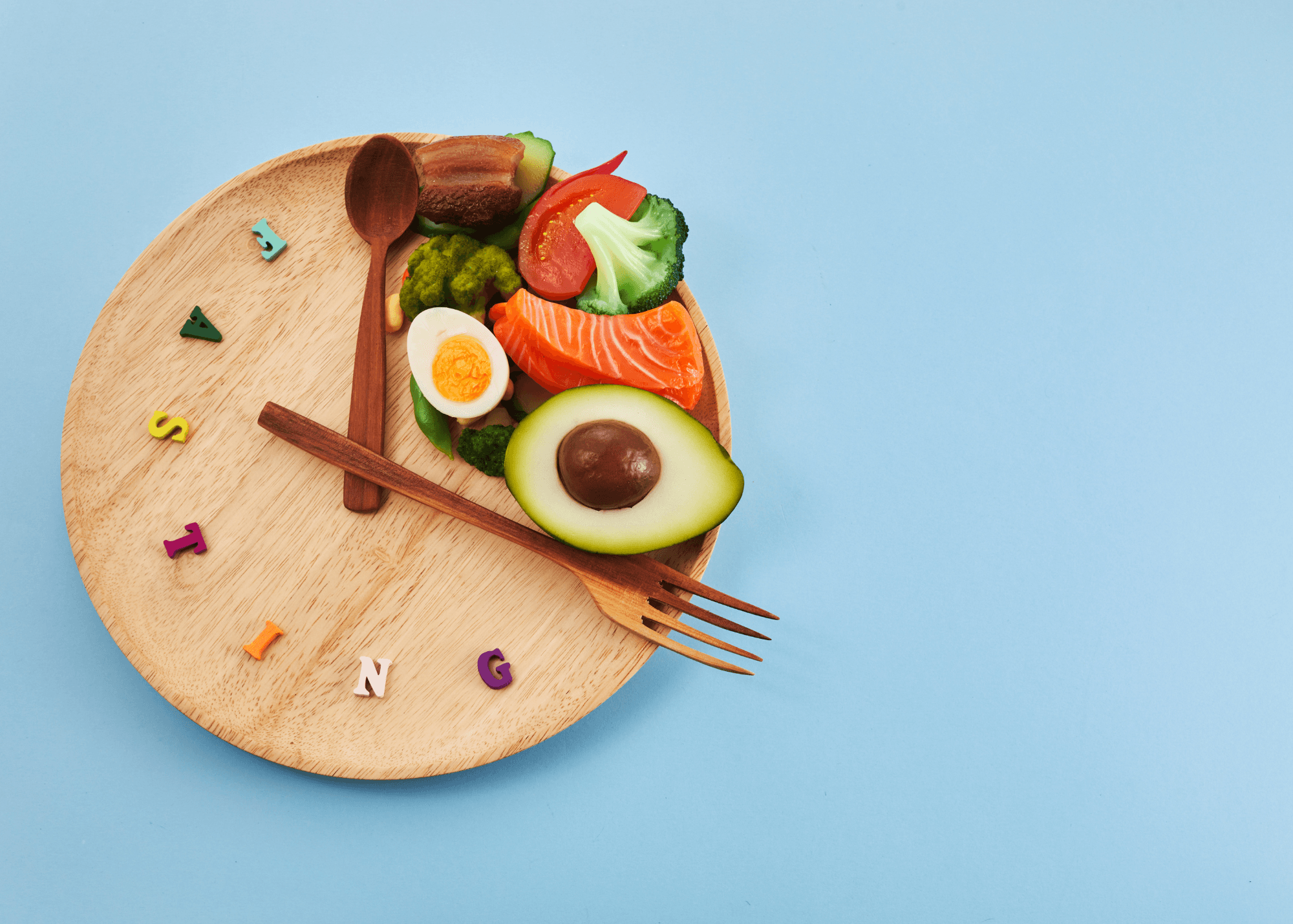
While 16:8 focuses primarily on when you eat, what you eat remains the foundation of your health. A common pitfall is the "buffet mentality," where one assumes that any food is permissible as long as it falls within the eight-hour window. To see real results, your 16 8 intermittent fasting meal plan for weight loss should prioritize micronutrient density and satiety signals.

When you break your fast, the first meal is the most important. Aim for a combination of 25-35 grams of lean protein, healthy fats like avocado or olive oil, and complex carbohydrates. For example, a bowl of quinoa topped with grilled chicken and roasted vegetables provides a slow release of energy, preventing the blood sugar spikes and subsequent crashes that lead to cravings later in the day. Incorporating high-fiber foods—a strategy sometimes called fibermaxxing—ensures that you feel full for longer and supports a healthy gut microbiome.
During the 16-hour fasting window, your goal is to keep insulin levels as low as possible. This means avoiding anything with calories, but hydration is essential.
Fast-Safe Beverages:
- Filtered water (still or sparkling)
- Black coffee (no cream, sugar, or sweeteners)
- Unsweetened green or black tea
- Herbal teas (ensure no dried fruit pieces are added)
- Water with a pinch of sea salt for electrolyte balance
If you find yourself asking what can you drink while fasting 16 8, the rule of thumb is to stick to non-caloric beverages. Some people find that a small amount of bone broth or a splash of lemon in their water helps them get through the final hours of a fast, though purists may argue this technically breaks the metabolic fast. For most people looking for weight loss, these minor additions are negligible.

Maintaining Consistency and Avoiding Common 16:8 Fasting Mistakes
The transition into intermittent fasting is a marathon, not a sprint. One of the biggest common 16 8 fasting mistakes that stall progress is overcompensating during the eating window. It is easy to feel that you "earned" a heavy, processed meal because you fasted for 16 hours, but consuming more calories than your body needs will halt weight loss regardless of the timing.
Another hurdle is learning how to manage hunger during 16 8 intermittent fasting. Real hunger usually comes in waves and subsides after 15 to 20 minutes. Often, what we perceive as hunger is actually dehydration or boredom. When a hunger pang hits, drinking a tall glass of water or a cup of black coffee can often bridge the gap until your window opens.
Consistency is also frequently derailed by a lack of sleep. Sleep deprivation increases ghrelin (the hunger hormone) and decreases leptin (the fullness hormone), making it nearly impossible to stick to your fasting window the following day. Prioritizing 7-9 hours of quality rest is just as important as the fasting itself. Finally, don't be too hard on yourself if you have a social event that forces you to shift your window. The beauty of the 16:8 method is that you can simply resume your normal schedule the next day without "ruining" your progress.

FAQ
What can you drink during the 16-hour fasting window?
You should stick to non-caloric beverages to keep your insulin levels low. The best choices are plain water, sparkling water, black coffee, and unsweetened tea. Avoid adding milk, cream, sugar, or artificial sweeteners, as these can trigger an insulin response or stimulate hunger. Staying hydrated is also crucial for maintaining electrolyte balance and preventing headaches during the fast.
How much weight can you lose in a month with 16:8 intermittent fasting?
Most individuals can expect to lose between 2 to 4 pounds per month when following the 16:8 method consistently. This aligns with clinical research showing a weight loss rate of approximately half a pound per week. While some may see faster results initially due to water weight reduction, a steady and slow pace is more sustainable for long-term health and lean muscle preservation.
What is the best 8-hour window for intermittent fasting?
The best window is the one you can stick to consistently. Many people prefer 12:00 PM to 8:00 PM because it allows for a normal social life and dinner with family. However, research into circadian rhythm alignment suggests that an earlier window, such as 8:00 AM to 4:00 PM, may be slightly better for blood sugar control and metabolic health, as the body processes food more efficiently during daylight hours.
Does 16:8 intermittent fasting burn belly fat?
Yes, it can be particularly effective for reducing visceral fat, also known as belly fat. By lowering insulin levels and increasing fat oxidation, the body is forced to use its stored energy reserves. Studies have shown that time-restricted feeding specifically targets abdominal fat more effectively than some traditional diets, provided that you maintain a slight caloric deficit and eat nutrient-dense foods.
Can I exercise while doing 16:8 intermittent fasting?
Absolutely. In fact, exercising in a fasted state can further enhance fat oxidation and improve insulin sensitivity. If you are doing high-intensity interval training or heavy lifting, you may want to schedule your workout shortly before your eating window opens so you can refuel with protein and carbohydrates immediately afterward. If you feel lightheaded, consider moving your workout into your eating window until your body adapts to the new schedule.