Quick Facts
- Flare Fiber Limit: 10-15 grams per day
- Maintenance Fiber Goal: 30-35 grams per day
- Acute Phase Duration: Clear liquids for 24-48 hours only
- Success Metric: 41% lower risk with 30g daily fiber
- Pain Location: Typically lower left abdomen
- Meat Substitution: Poultry/fish vs. red meat reduces risk by 20%
A diverticulitis diet requires a two-phase approach: a low residue diet to provide digestive tract rest during acute Gastrointestinal inflammation, followed by a gradual transition to a high fiber diet for long-term prevention. During a flare, limit fiber to 10-15g to manage abdominal cramping and improve stool consistency.
1. Master the 3-Stage Recovery Protocol
When a diverticulitis attack strikes, the immediate priority is to minimize the workload on your colon. I often tell my readers that healing your gut is much like healing a broken bone—you have to keep it still and protected while the inflammation subsides. This is achieved through a controlled, three-stage progression that moves from total rest to functional recovery.
The first stage is the clear liquid phase, which typically lasts only 24 to 48 hours. During this window, you should consume only items like broth, apple juice, and gelatin. This approach ensures your body stays hydrated while allowing the colon to bypass the difficult work of digestion. As the sharp pain begins to dull, you transition into a low residue diet for diverticulitis flare. This stage focuses on foods that leave very little "residue" or undigested material in the intestines, effectively reducing the pressure inside the colon.
The final stage is the long-term maintenance phase. Once your doctor confirms the inflammation has cleared, you slowly reintroduce complex carbohydrates. Understanding the clear liquid diet stages for diverticulitis is essential because moving too quickly to high-fiber foods can actually aggravate the healing tissue and cause a relapse of pain.
| Phase | Duration | Focus Foods | Goal |
|---|---|---|---|
| Acute Flare | 1-2 Days | Clear broth, electrolyte drinks, plain gelatin | Complete bowel rest |
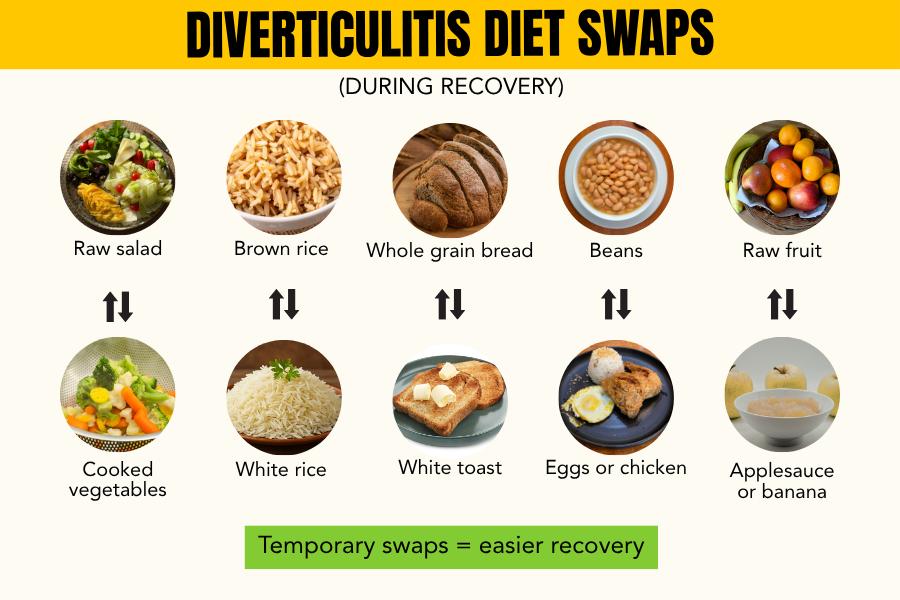
| Recovery | 1-2 Weeks | White rice, eggs, skinless poultry, cooked carrots | Low residue diet for diverticulitis |
| Maintenance | Permanent | Lentils, raspberries, quinoa, broccoli | High fiber diet for diverticulosis prevention |
The biological need to reduce intestinal pressure during an attack is paramount. When the colonic pouches become infected, they are physically weak; pushing bulky fiber through them is like running a marathon on a sprained ankle.
2. Implement Quantitative Fiber Targets (10g vs. 35g)
In nutrition science, we often talk about fiber in generalities, but for diverticulitis diet management, the specific gram count is your most important metric. You are essentially managing two different conditions: the acute infection (diverticulitis) and the underlying presence of colonic pouches (diverticulosis).
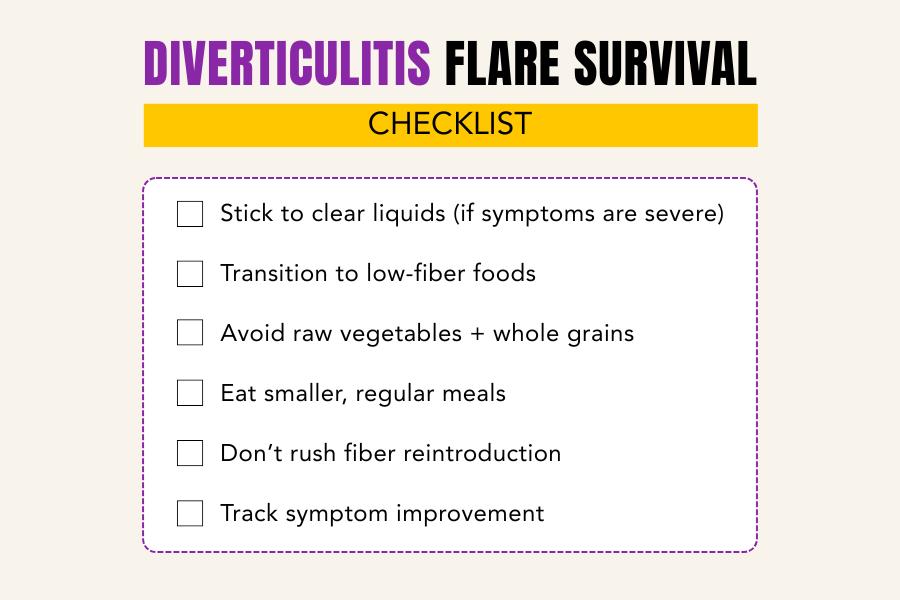
During an active flare, your target is a strict low residue diet for diverticulitis where you limit fiber to 10-15 grams per day. To achieve this, you must temporarily become the "opposite" of a healthy eater: you avoid whole grains, skip the salad, and peel every fruit. This temporary restriction reduces the volume of stool passing through the inflamed area.
Once you are in the clear, the strategy flips. Research indicates that consuming 30 grams of fiber per day is associated with a 41% reduction in the risk of developing diverticular disease compared to those with low intake. For long-term prevention, I recommend aiming for 30-35 grams daily.
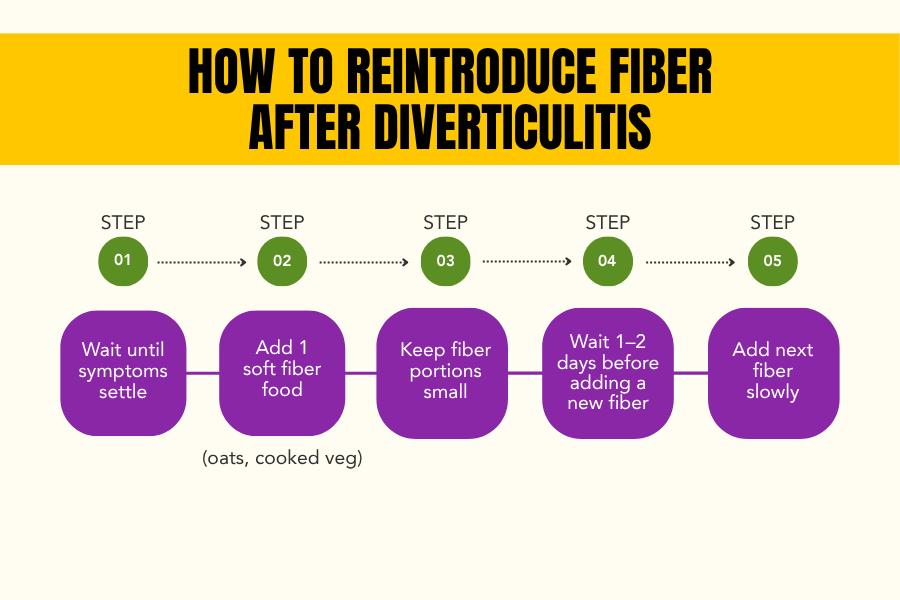
It is also helpful to understand the difference between soluble vs insoluble fiber for diverticulitis. Soluble fiber, found in oats and the flesh of apples, dissolves in water to form a gel, which is gentler on the gut. Insoluble fiber, found in wheat bran and vegetable skins, adds bulk and speeds up transit. After a flare, the best way how to increase fiber after diverticulitis is to prioritize soluble sources first, as they are less likely to cause irritation while the gut lining is still sensitive.
3. Shift to 4-6 Small Daily Meals
Many people are accustomed to the standard three large meals a day. However, when you are managing Gastrointestinal inflammation, a large meal can cause significant distention in the colon, leading to abdominal cramping. By shifting to four to six smaller meals, you maintain a steady, gentle flow of nutrients through the digestive tract.
This approach supports gut motility without overwhelming the system. Smaller portions mean less stomach acid is required and the muscular contractions of the colon (peristalsis) remain rhythmic rather than aggressive. This is especially important during the transition from a liquid diet to solid foods.
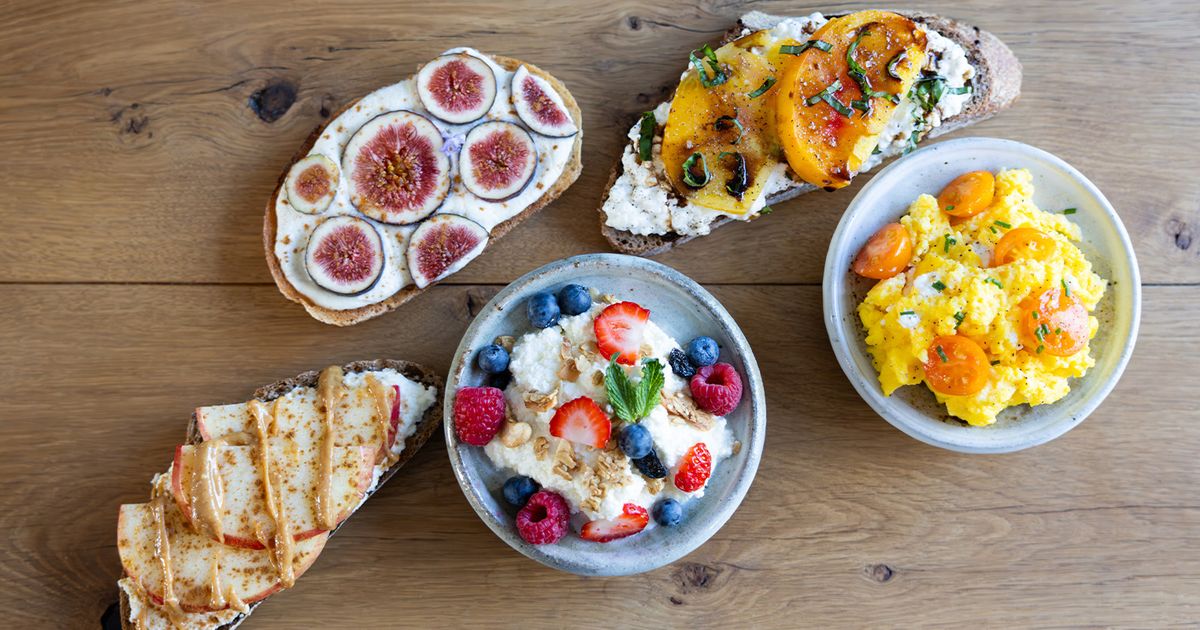
If you are looking for low residue breakfast ideas for diverticulitis to start your day gently, consider the following:
- Two poached eggs with a single slice of white sourdough toast.
- A small bowl of puffed rice cereal with lactose-free milk.
- Plain Greek yogurt (if tolerated) with half a banana, no skin.
Refined grains like white bread provide necessary energy while allowing the digestive tract to rest during the sensitive recovery window.
4. Eliminate Secondary Triggers: Dairy and Sugar Alcohols
While fiber is the primary focus of a diverticulitis diet, many patients suffer from secondary sensitivities that mimic or worsen their symptoms. During and immediately after a flare, the gut lining can become temporarily deficient in lactase, the enzyme needed to digest dairy. High-lactose dairy can cause gas and bloating, which increases pressure on colonic pouches.
Similarly, sugar alcohols like Sorbitol, Xylitol, and Erythritol—often found in sugar-free gums and "diet" snacks—are poorly absorbed in the small intestine. They draw water into the colon and undergo fermentation by gut bacteria, leading to significant abdominal cramping and diarrhea.
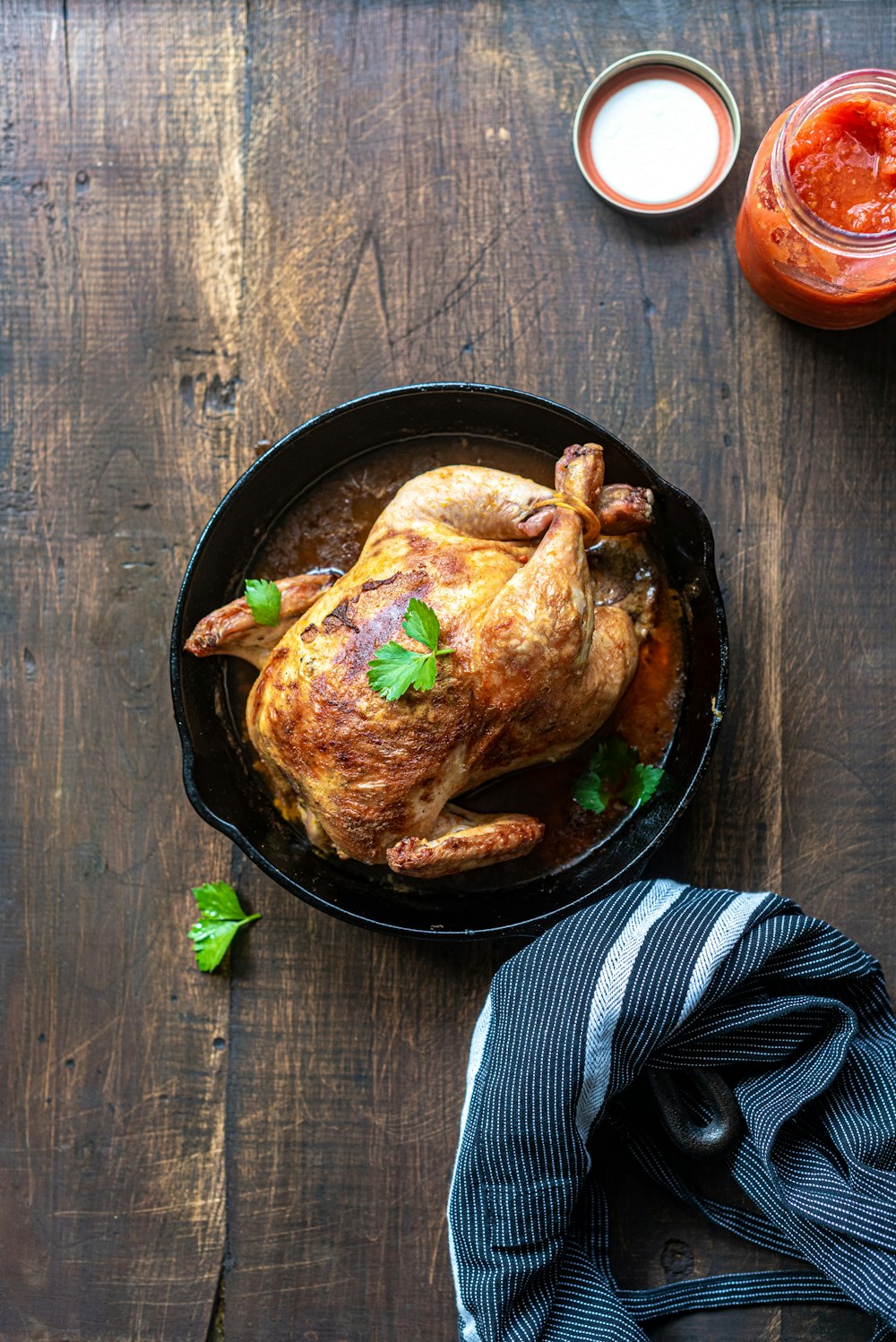
When selecting safe protein sources for diverticulitis recovery, it is best to stick to "clean" proteins that don't rely on heavy dairy-based sauces or artificial sweeteners. Identifying these irritants early can prevent you from confusing a simple case of gas with a recurring diverticulitis attack.
5. Optimize Protein: Swap Red Meat for Poultry and Fish
One of the most impactful long-term changes you can make involves your protein selection. Clinical data has highlighted a strong correlation between red meat consumption and the incidence of diverticulitis. Specifically, individuals with the highest levels of total red meat consumption have a 58% higher risk of incident diverticulitis compared to those with the lowest consumption.
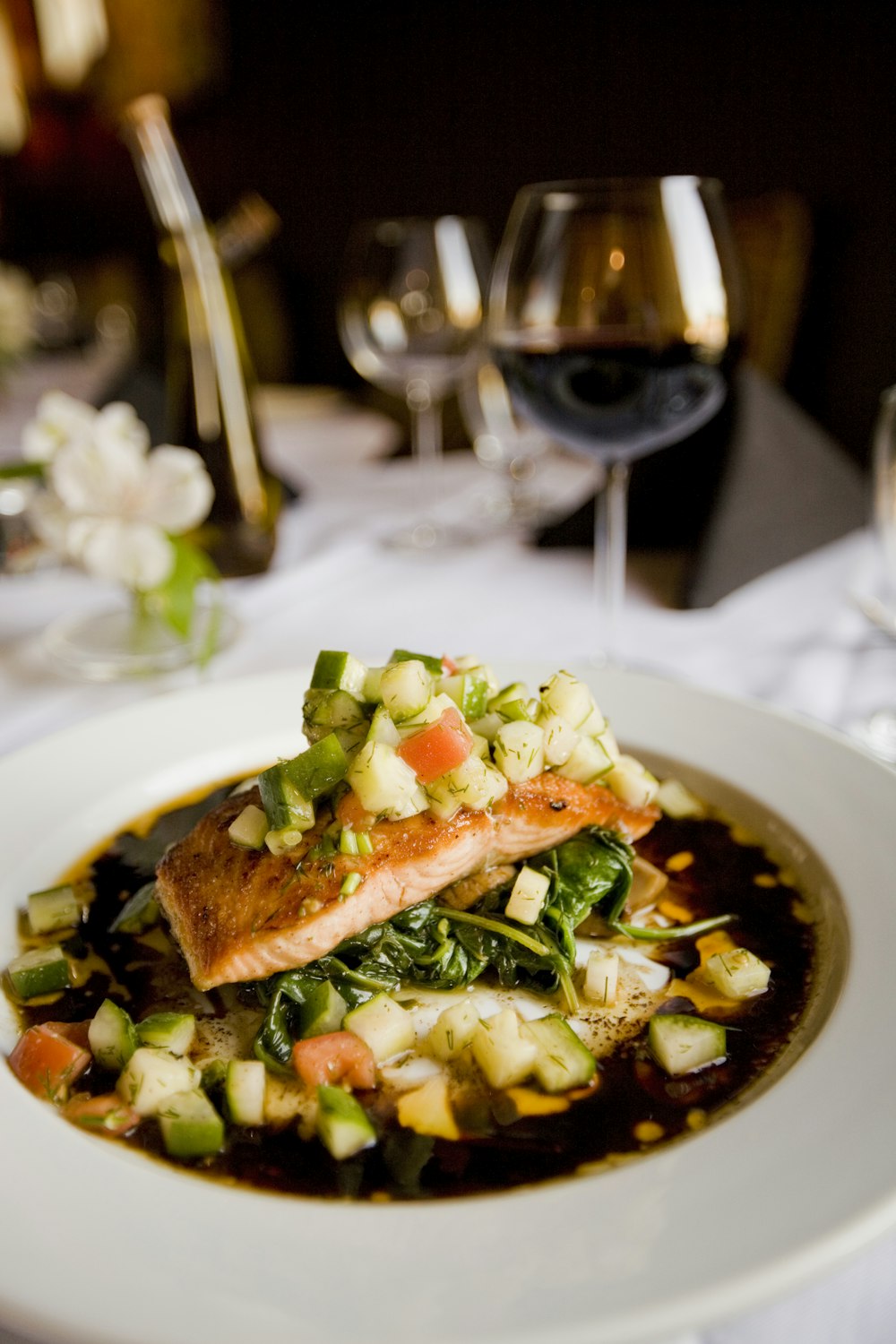
The good news is that you don't have to become a vegetarian to protect your intestinal health. The same research shows that substituting one daily serving of unprocessed red meat with poultry or fish is associated with a 20% lower risk of diverticulitis.
Red meat, particularly processed varieties, may influence gut bacteria in a way that promotes inflammation. In contrast, fish provides omega-3 fatty acids, which are naturally anti-inflammatory. When you are in the maintenance phase and focusing on a high fiber diet for diverticulosis prevention, making fish and poultry your primary proteins will significantly lower your risk of future hospital visits.
The Nut and Seed Myth: Modern Clinical Guidance
For decades, patients were told to avoid foods like nuts, seeds, and popcorn, under the theory that these small particles could get "stuck" in colonic pouches and cause infection. As a nutrition editor, I am happy to share that modern evidence-based research has debunked this.
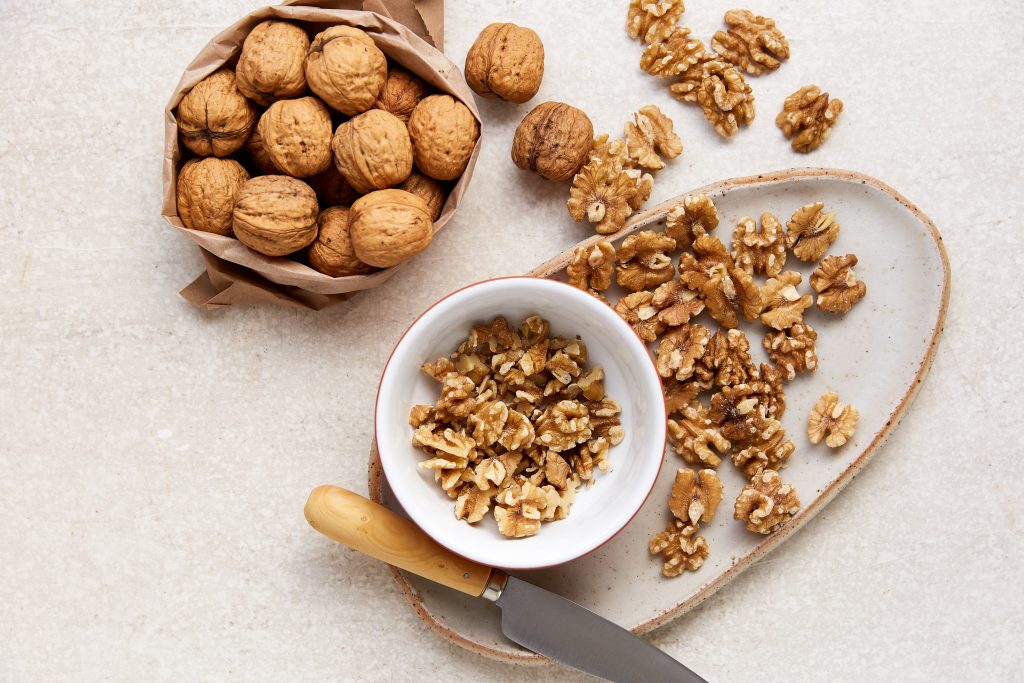
Large-scale studies have shown no link between the consumption of nuts or seeds and an increased risk of diverticulitis. In fact, because these foods are excellent sources of fiber and healthy fats, they are now encouraged as part of a high fiber diet for diverticulosis prevention.
However, a word of caution: this advice applies to the maintenance phase. During an active flare-up, you should still include these in your foods to avoid during diverticulitis attack because their rough texture can irritate an already inflamed colon. Once you have healed, feel free to enjoy your almond butter and sunflower seeds as part of your 30-35g daily fiber goal.
FAQ
What is the best diet for a diverticulitis flare-up?
During the initial stages of a flare-up, the best diet is a clear liquid protocol for 24 to 48 hours to ensure complete bowel rest. Once the acute pain subsides, you should transition to a low residue diet for diverticulitis, limiting your total fiber intake to 10-15 grams per day using refined grains, cooked vegetables without skins, and lean proteins like eggs and poultry.
What foods should you avoid if you have diverticulitis?
During an active attack, you must avoid high fiber foods such as whole grains, raw vegetables, beans, and fruits with skins or seeds. It is also wise to avoid greasy, fried foods, high-lactose dairy, and spicy seasonings, as these can exacerbate gastrointestinal inflammation and cause further abdominal cramping.
Can I eat seeds and nuts with diverticulitis?
You should avoid seeds and nuts during an active diverticulitis flare because their texture can be abrasive to the inflamed colon. However, once the infection has cleared and you are in the maintenance phase, nuts and seeds are perfectly safe and highly recommended as part of a high fiber diet to help prevent future occurrences.
How much fiber do I need for diverticulitis?
The amount of fiber you need depends on your current symptoms. During a flare, you need a low-fiber intake of 10-15 grams per day. For long-term prevention and to maintain bowel regularity, you should gradually increase your intake to a goal of 30-35 grams of fiber daily.
What is the difference between a diverticulosis and diverticulitis diet?
A diverticulosis diet is a preventative, high-fiber plan designed to keep stool moving and prevent the formation of new colonic pouches. A diverticulitis diet is a therapeutic, low-fiber or liquid plan used only during an active infection to reduce pressure and allow the digestive tract to rest and heal.