Quick Facts
- Longevity Leader: In some regions of Sardinia, residents are nearly 10 times more likely to reach the age of 100 than those living in the United States.
- Top Culinary Expert: Chef Francesco Mattana, author of Eat Like A Sardinian, advocates for these dietary traditions to his 1.6 million followers worldwide.
- Nutritional Core: The diet is fundamentally plant-slant, prioritizing whole-grain sourdough bread, seasonal produce, and high-protein legumes like fava beans.
- Antioxidant Power: A staple of the diet, Cannonau wine, contains approximately three times the concentration of antioxidant flavonoids compared to other red wine varieties.
- Health-Boosting Dairy: Unlike mass-produced dairy, pecorino cheese from grass-fed sheep is rich in Omega-3 fatty acids and CLA (conjugated linoleic acid).
- Lifestyle Pillars: Longevity is built on community-centric social dining, functional movement through walking, and the 80% rule of satiety.
The sardinian diet is a plant-slant eating pattern from one of the world's original Blue Zones, emphasizing longevity and functional health. It primarily consists of whole-grain sourdough bread, seasonal vegetables, legumes such as broad beans, and locally produced fruits. Key staples include pecorino cheese from grass-fed sheep, high-flavonoid Cannonau wine, and mastic oil, with meat typically reserved for Sundays or special occasions to maintain a balanced, nutrient-dense profile.
The Secret to Living to 100
When we look at the global map of health, the island of Sardinia stands out as a shimmering beacon of vitality. Specifically, the mountainous regions of Barbagia and Ogliastra house a population where men reach the age of 100 at roughly the same rate as women, a demographic anomaly that has fascinated nutritionists for decades. As a nutrition editor, I am often asked what separates the sardinia diet blue zone from other healthy lifestyles. The answer lies not in expensive supplements, but in a deep-rooted connection to the land and pastoral traditions.
The focus today is shifting away from generic health advice toward authentic, ancestral eating. Leading this movement is Chef Francesco Mattana. By sharing francesco mattana eat like a sardinian recipes, he has helped millions understand that longevity isn't about deprivation; it is about the quality of the ingredients and the intention behind the meal. While many people mistake this for a standard Mediterranean diet, the Sardinian approach is uniquely shaped by its rugged interior, focusing more on complex carbohydrates from grains and legumes rather than purely coastal seafood.
The Sardinian Pantry: Essential Staples
To successfully adopt a sardinian diet meal plan, you must first curate your pantry with the same care a shepherd in the highlands would. The foundation of this diet is not just about what you eat, but the biological complexity of how it is prepared. Sourdough fermentation is perhaps the most critical element. Traditional Sardinian breads, like carasau or pistoccu, utilize a slow fermentation process that lowers the glycemic index and breaks down gluten, making the nutrients more bioavailable and easier on the gut.
Your sardinian diet pantry staples should include:
- Whole-grain Semolina: The primary flour for breads and pastas, offering more protein and fiber than refined white flour.
- Pecorino Sardo: Made from the milk of grass-fed sheep, this cheese is a nutritional powerhouse of Omega-3s.
- Legumes: Chickpeas, lentils, and broad beans are the primary protein sources.
- Mastic Oil: An oil derived from the berries of the Pistacia lentiscus bush, traditionally used for its antimicrobial and anti-inflammatory properties.
- Raw Honey and Saffron: Used sparingly to flavor porridges and breads, providing natural enzymes and antioxidants.
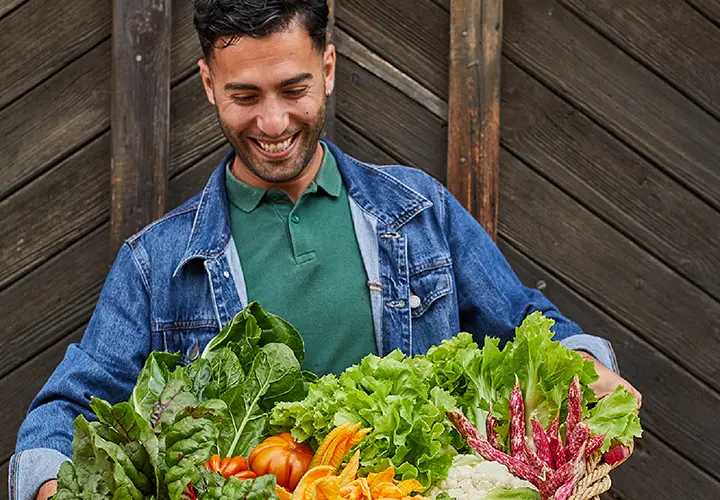
- Seasonal Produce: Artichokes, fennel, wild greens, and tomatoes are consumed only when they are in their peak nutritional state.
One unique element is casu ajedu, a fermented sheep’s milk product that sits somewhere between cheese and yogurt. It is rich in probiotics that support a healthy microbiome—a key factor for the centenarians of the Ogliastra region. When you embrace these foods, you are not just eating calories; you are consuming a landscape rich in biodiversity and seasonality.
What do Sardinians Eat for Breakfast?
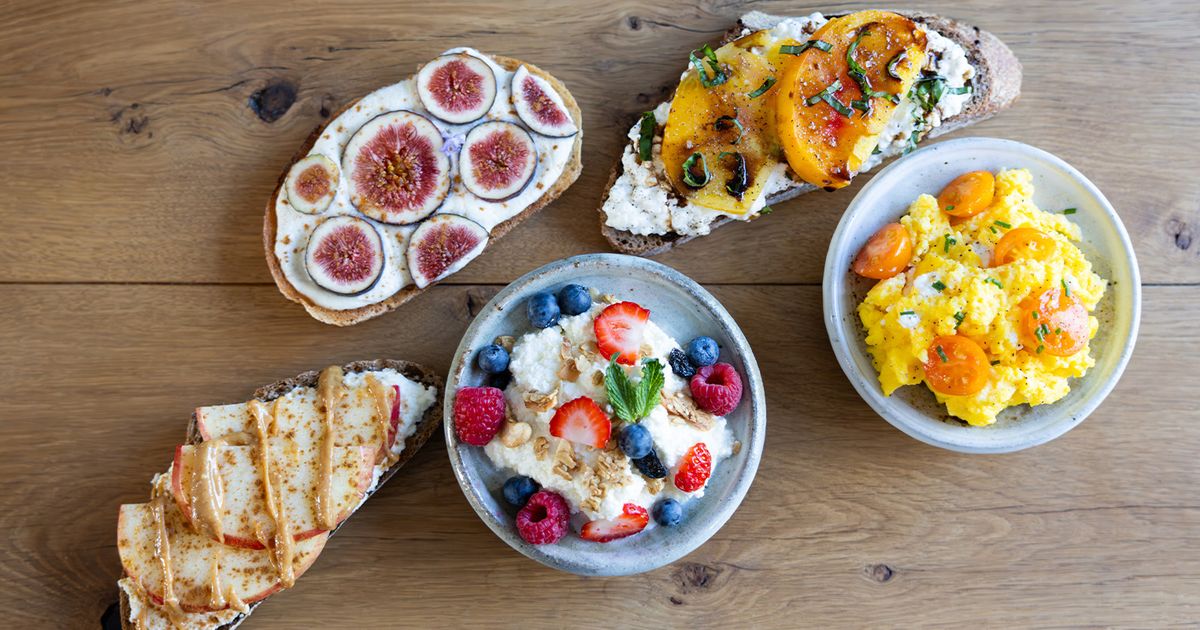
In the West, we are conditioned to believe that breakfast must be a high-protein feast or a sugary cereal bowl. However, if you ask what do sardinians eat for breakfast, the answer is strikingly simple. A traditional sardinian diet breakfast focuses on natural energy that sustains a person through a morning of physical labor without causing an insulin spike.
A typical morning meal consists of a thick slice of whole-grain sourdough or semolina bread. This is often accompanied by a drizzle of raw honey or a small amount of seasonal fruit jam. If you were to follow a strict sardinian diet breakfast, you might also include a slice of traditional apple cake, which relies on the natural sweetness of the fruit rather than refined sugars. Dairy is usually consumed in the form of a small glass of goat's milk or a piece of pecorino cheese.
When comparing the sardinian diet vs mediterranean diet, the breakfast habits highlights the island's pastoral roots. While other Mediterranean regions might focus on yogurt and granola, the Sardinian breakfast is centered on the durability of the bread and the purity of mountain honey. This simplicity helps maintain steady blood sugar levels throughout the day, preventing the mid-morning crashes common in modern diets.
Eating Like a Sardinian: The Italian Meal Sequence
Following the lead of Francesco Mattana, the daily meal sequence is a rhythmic affair that honors the body’s hunger signals and the social importance of food. A sardinian diet meal plan is structured around the Italian tradition of courses, but with a plant-slant twist that keeps the caloric density low while the nutrient density remains high.
- Antipasto: This usually consists of pickled vegetables, olives, or a small handful of broad beans. It prepares the digestive system for the meal ahead.
- Primo: The first course is often the central piece of the meal. It is frequently the famoso Live to 100 Minestrone—a thick soup made from local vegetables, beans, and small pieces of fregula pasta.
- Secondo: Unlike the American style of large steaks, the Sardinian second course is often just a small portions of pecorino cheese or an egg. Meat is rare, usually saved for Sunday family gatherings or religious festivals.
- Contorno: A side of fresh, raw greens or steamed forest vegetables gathered from the hillsides.
- Dolce: Dessert is typically just a piece of seasonal fruit, such as a crisp pear or a handful of grapes.
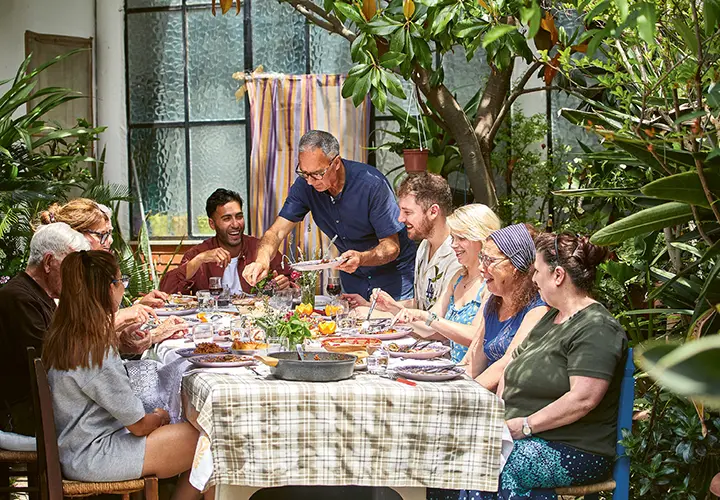
A core principle here is the 80% rule, similar to the Japanese concept of Hara Hachi Bu. Sardinians tend to stop eating when they are satisfied, not full. This practice, combined with a diet where fats are healthy and carbohydrates are complex, ensures that obesity and metabolic syndrome remain virtually non-existent among the older population. For those looking for sardinian diet recipes, the focus should always be on the minestrone; it is the ultimate longevity dish, containing up to 15 different types of vegetables and legumes in a single pot.
Beyond the Plate: Longevity Habits of the Ogliastra Region
Nutrition is only one piece of the puzzle. The sardinian blue zone longevity habits include factors that modern medicine is only just beginning to quantify. One of the most fascinating aspects is the M26 genetic marker, a specific lineage linked to extreme longevity that has been preserved due to the island’s geographic isolation. However, researchers agree that it is the environment and lifestyle that activate these healthy genes.
Physical activity is never a chore in Sardinia; it is a necessity. The pastoral traditions require shepherds to walk five or more miles a day over uneven terrain. This low-intensity, consistent movement is far more effective for long-term joint and heart health than sporadic, high-intensity workouts.
Then, there is the social dining aspect. Eating is never a solitary activity performed in front of a screen. It is a time for community, storytelling, and laughter. This social cohesion reduces cortisol levels and strengthens the psychological sense of purpose, which centenarians cite as a reason for their continued will to live.
Finally, we must mention Cannonau wine. This local Grenache variety grows in high-altitude vineyards where the grapes develop thick skins to protect themselves from the sun. These thick skins result in a wine that has three times the concentration of antioxidant flavonoids than typical red wines. Consumed in moderation—usually one or two small glasses a day with a meal—it provides significant cardiovascular protection.
The 12 Pillars of the Sardinian Diet
To summarize the lifestyle, we can look at these 12 pillars often highlighted by Chef Mattana and longevity researchers:
- Eat a plant-slant diet (95% plants).
- Prioritize broad beans and chickpeas.
- Retire the sourdough starter (eat fermented bread).
- Limit meat consumption to 5 times per month.
- Drink one or two glasses of Cannonau wine daily.
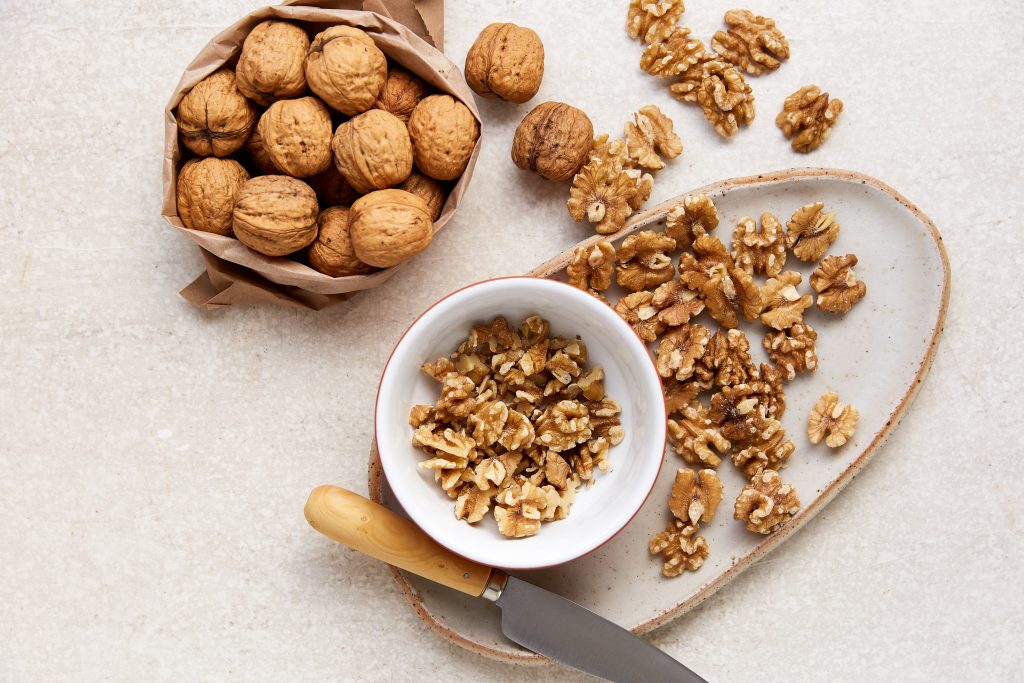
- Snack on almonds or walnuts.
- Use mastic oil and extra virgin olive oil exclusively.
- Eat seasonal, locally grown produce.
- Avoid all processed sugars and sodas.
- Practice the 80% satiety rule.
- Walk daily as part of your routine.
- Eat meals with friends and family.
FAQ
What do Sardinians eat in a day?
A typical day begins with a simple breakfast of sourdough bread and honey. Lunch is the largest meal, often featuring a vegetable-rich minestrone or a semolina pasta dish with legumes. Dinner is lighter, frequently consisting of leftovers from lunch, a small piece of pecorino cheese, and fresh greens. Throughout the day, water and moderate amounts of goat's milk or Cannonau wine are the primary beverages.
What do Sardinians have for breakfast?
The standard breakfast is centered on simplicity and natural ingredients. It usually involves whole-grain sourdough or semolina bread served with raw honey or fruit jams. Occasionally, a slice of traditional apple cake made with local fruit is served. The goal is to provide sustained energy through complex carbohydrates and natural sugars without the crash associated with processed cereals.
What is a typical Sardinian meal?
A typical meal is dominated by plant-based ingredients. The most iconic dish is the longevity minestrone, which uses whatever vegetables are in season along with beans and small pasta. This might be followed by a small portion of pecorino cheese and a side of wild greens. Meat, such as lamb or pork, is traditionally reserved for Sundays or special festivals.
What do Sardinians eat daily?
On a daily basis, Sardinians consume large amounts of whole grains, legumes, and seasonal vegetables. Bread is a constant, though it is always the slow-fermented, whole-grain variety. They also consume moderate amounts of sheep and goat dairy, which are higher in nutrients than cow's milk. Fresh fruit serves as the primary daily treat, and local red wine is enjoyed in small amounts during the main meal.