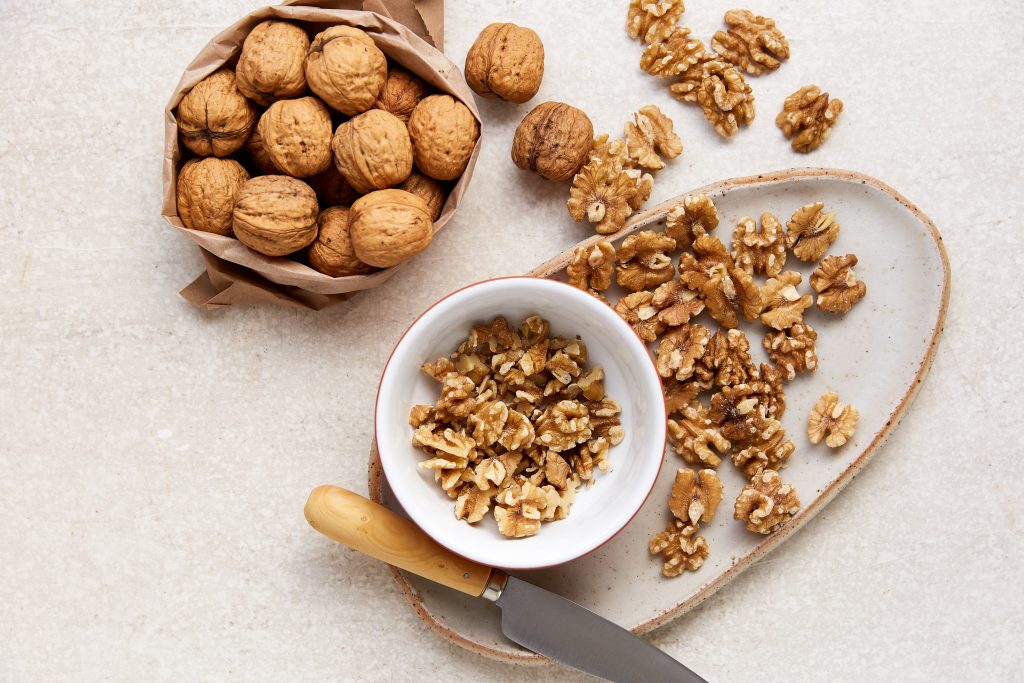
Quick Facts
- Brain Health: Walnuts are the clear winner due to their high concentration of alpha-linolenic acid (ALA) and polyphenols that combat oxidative stress.
- Vitamin E: Sunflower seeds provide nearly 90% of your daily requirement in a single ounce, making them superior for skin and immune health.
- Heart Health: Both offer benefits, but through different paths; sunflower seeds lower LDL cholesterol via phytosterols, while walnuts reduce arterial inflammation with omega-3s.
- Protein Content: Sunflower seeds are more protein-dense, containing 21 grams per 100 grams compared to 15 grams in walnuts.
- Mineral Profile: Sunflower seeds contain over double the amount of magnesium and significantly more selenium than walnuts.
- Omega Ratio: Walnuts have a favorable omega-6 to omega-3 ratio of 4.2:1, whereas sunflower seeds have a much higher ratio of 311.5:1.
When comparing sunflower seeds vs walnuts, the choice depends on your specific health goals. While walnuts win on brain-boosting omega-3s, sunflower seeds offer superior vitamin E and magnesium for cellular defense and metabolic support.
Macronutrients: Protein, Calories, and Satiety
When we look at the foundational building blocks of these two snacks, we see a distinct difference in nutrient density. For those focusing on plant-based protein, sunflower seeds have a slight edge. Per 100 grams, sunflower seeds contain roughly 21 grams of protein, which is notably higher than the 15 grams of protein found in walnuts. This makes seeds an excellent option for muscle repair and maintenance, especially for those following a vegan or vegetarian diet.
In terms of caloric density, both are high-energy foods, which is typical for items with a high healthy fat content. However, their fiber profiles contribute significantly to satiety. Sunflower seeds provide approximately 8.6 grams of fiber per 100 grams. This high fiber content, combined with the protein, slows down digestion and helps prevent blood sugar spikes. When considering walnuts vs sunflower seeds for weight loss snacking, the key is portion control. Both are satiating, but the crunch and smaller size of sunflower seeds often lead to a longer snacking experience, which can help some individuals feel more satisfied with a smaller volume of food.
| Nutrient (per 1 oz / 28g) | Sunflower Seeds | Walnuts |
|---|---|---|
| Calories | 165 kcal | 185 kcal |
| Protein | 5.8g | 4.3g |
| Total Fat | 14g | 18.5g |
| Fiber | 2.4g | 1.9g |
| Magnesium | 91mg | 44mg |
| Vitamin E | 11.34mg | 0.83mg |
Emily’s Pro-Tip: To maximize the satiety of walnuts vs sunflower seeds for weight loss snacking, always opt for the raw or dry-roasted versions. Avoid those roasted in excessive oils or coated in sugar, which significantly increase the caloric load without adding nutritional value.
The Fatty Acid Profile: Omega-3 vs. Omega-6
The most profound difference in the sunflower seeds vs walnuts debate lies in their lipid profile. Walnuts are a unique outlier in the world of nuts and seeds because of their high concentration of Polyunsaturated fatty acids, specifically Alpha-linolenic acid (ALA). Walnuts are a superior source of plant-based omega-3 fatty acids, providing approximately 9.08 grams of alpha-linolenic acid (ALA) per 100 grams, while sunflower seeds contain less than 0.1 grams.
This disparity has significant implications for systemic inflammation. The modern Western diet is often too high in omega-6 fatty acids and too low in omega-3s. Sunflower seeds are dominated by linoleic acid (an omega-6), resulting in a ratio of 311.5:1. In contrast, walnuts have a much more balanced ratio of 4.2:1. While omega-6 is essential, an imbalance can contribute to chronic inflammation. Therefore, incorporating walnuts provides a much-needed boost of anti inflammatory benefits of sunflower seeds vs walnuts comparison, supporting overall cardiovascular and joint health.
However, it is important to note that the fats in sunflower seeds are not "bad." They are primarily polyunsaturated and monounsaturated fats that are effective at lowering LDL cholesterol. But if your goal is to manage inflammation or support heart rhythm, the walnuts vs sunflower seeds omega-3 content makes the walnut the undisputed champion in the fat category.
Micronutrient Power: Vitamin E, Selenium, and Magnesium
If walnuts win the fat battle, sunflower seeds dominate the micronutrient arena. The most striking statistic is the vitamin E content. Sunflower seeds are significantly higher in vitamin E than walnuts, offering approximately 11.34 milligrams per one-ounce serving compared to 0.83 milligrams in the same amount of walnuts.
Vitamin E, specifically in the form of Alpha-tocopherol, is a potent fat-soluble antioxidant. It protects our cell membranes from oxidative damage and is vital for maintaining healthy skin and eyes. For many people, a single serving of sunflower seeds can fulfill a majority of their daily vitamin E requirement.
Beyond vitamins, sunflower seeds are a powerhouse of essential minerals. They provide 325 milligrams of magnesium per 100 grams, while walnuts provide 158 milligrams. This is significant for anyone looking at sunflower seeds vs walnuts for heart health, as magnesium is critical for maintaining a steady heart rhythm and healthy blood pressure levels. Furthermore, sunflower seeds are an excellent source of selenium, a trace mineral that works alongside vitamin E to protect cells and support thyroid function.
Verdict for Micronutrients: Sunflower Seeds The density of Alpha-tocopherol, Selenium and magnesium makes sunflower seeds one of the most cost-effective "superfoods" available for cellular protection and Cardiovascular function.
Health Outcomes: Brain Health vs. Metabolism
When we translate these nutrients into real-world health outcomes, we see two different specializations. For those concerned with cognitive function and aging, the research leans heavily toward the walnut. The combination of ALA and a high concentration of polyphenols allows walnuts to cross the blood-brain barrier and combat oxidative stress directly in the brain. This makes walnuts vs sunflower seeds for brain health a relatively one-sided conversation; walnuts are frequently associated with better memory, increased mental flexibility, and a slower rate of cognitive decline.
On the other hand, sunflower seeds offer unique advantages for metabolic health. The high levels of phytosterols in sunflower seeds—compounds that are structurally similar to cholesterol—help block the absorption of cholesterol in the digestive tract. This makes them a valuable tool in a diet aimed at lowering LDL. Additionally, the high magnesium and fiber content make sunflower seeds or walnuts for diabetes management an interesting choice. While both are low-glycemic, the magnesium in sunflower seeds is specifically linked to improved insulin sensitivity, which is a cornerstone of managing Type 2 diabetes.
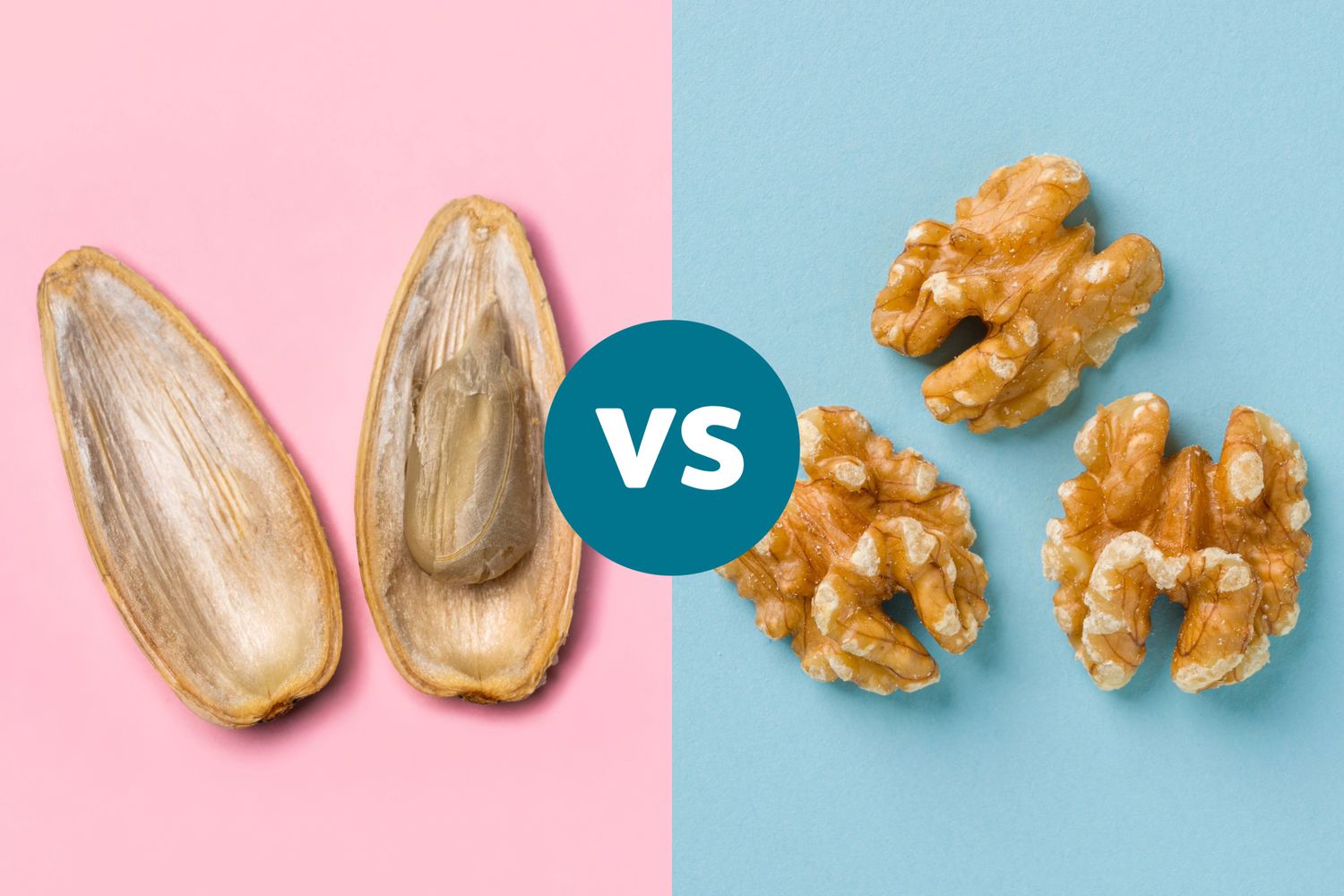
Whether you are prioritizing sunflower seeds vs walnuts for brain health or seeking sunflower seeds or walnuts for diabetes management, both contribute to a reduced risk of chronic disease through different biological mechanisms.
Practical Considerations: Cost and Culinary Use
From a practical standpoint, the cost effective healthy snacking sunflower seeds vs walnuts comparison is quite clear. Sunflower seeds, harvested from the hardy Helianthus annuus plant, are generally much more affordable than walnuts, which come from the slow-growing Juglans regia tree. For families or individuals on a budget, sunflower seeds provide a massive nutritional "bang for your buck."
Culinary versatility is another factor. Walnuts have a rich, slightly bitter flavor that pairs beautifully with salads, oatmeal, and baked goods. Sunflower seeds have a milder, nuttier flavor and a smaller size that makes them easy to sprinkle on almost anything—from yogurt parfaits to stir-fries.
Safety and Selection Tips:
- Watch the Sodium: Many sunflower seeds are sold heavily salted. For heart health, choose "no salt added" varieties.
- Shell Safety: If buying sunflower seeds in the shell, be mindful of the hulls. They are not meant to be swallowed and can cause digestive distress or impaction if consumed in large quantities.
- Storage: Because both contain high levels of delicate polyunsaturated fats, they can go rancid. Store them in a cool, dark place, or even the refrigerator, to preserve their flavor and nutritional integrity.
FAQ
Which is healthier sunflower seeds or walnuts?
Neither is objectively healthier as they serve different nutritional needs. Walnuts are better for brain health and reducing inflammation due to their omega-3 content, while sunflower seeds are superior for vitamin E, magnesium, and protein density.
Are walnuts or sunflower seeds better for weight loss?
Both are excellent for weight loss when eaten in moderation because their protein and fiber promote satiety. Sunflower seeds have slightly more protein and fiber, which may help you feel full longer, but walnuts provide more of the healthy fats that signal fullness to the brain.
Do sunflower seeds have more protein than walnuts?
Yes, sunflower seeds contain significantly more protein. They offer about 21 grams of protein per 100-gram serving, whereas walnuts offer approximately 15 grams per 100 grams.
Which has more omega-3 walnuts or sunflower seeds?
Walnuts have much more omega-3 fatty acids. They provide about 9.08 grams of alpha-linolenic acid (ALA) per 100 grams, while sunflower seeds contain almost no omega-3s (less than 0.1 grams).
Are sunflower seeds higher in vitamin E than walnuts?
Yes, sunflower seeds are a premier source of vitamin E. One ounce of sunflower seeds provides over 11 milligrams of vitamin E, which is more than ten times the amount found in an equivalent serving of walnuts.