Quick Facts
- The Cause: Meat sweats result from diet-induced thermogenesis, where the body generates significant heat to metabolize complex proteins.
- Metabolic Tax: Protein has the highest thermic effect of food, requiring 20% to 30% of its caloric value to be burned just during the digestion process.
- Volume Threshold: Consuming 30 grams or more of protein in a single sitting is the most common trigger for a spike in body temperature.
- The "Workload": Digesting a massive protein-heavy meal can increase your body's energy expenditure by approximately 25% through postprandial thermogenesis.
- Portion Control: Limiting animal protein to 3 to 5 ounces per meal can significantly reduce the metabolic strain.
- Natural Aids: Digestive enzymes from foods like pineapple or fermented options like sauerkraut help break down tough protein fibers.
- Instant Relief: Using the slushy method—consuming ice slurries—provides rapid internal cooling during a flare-up.
Meat sweats occur due to diet-induced thermogenesis, a process where the body generates heat to break down complex nutrients. Because protein requires 20% to 30% more energy to digest than carbohydrates or fats, consuming large amounts of animal protein significantly raises your metabolic rate, leading to increased body temperature and sweating to maintain homeostasis.
The Science: Why Protein Causes Meat Sweats
When we sit down to a large steak dinner or a holiday feast centered around a massive roast, our body prepares for a metabolic marathon. The colloquial term meat sweats describes a very real physiological reaction known as protein-induced thermogenesis. Unlike simple sugars that the body can process with minimal effort, proteins are comprised of long, complex chains of amino acids held together by strong peptide bonds. Breaking these bonds is an energy-intensive process for the gastrointestinal tract.
This metabolic workload is measured by the thermic effect of food (TEF). Every macronutrient has a TEF, but they are not created equal. Fats and carbohydrates typically require 5% to 15% of their energy to be processed. However, protein stands alone with a metabolic tax of 20% to 30%. As your body ramps up its metabolic rate to handle this intake, it produces heat as a byproduct. This is referred to as postprandial thermogenesis.
Furthermore, the process of amino acid metabolism involves the urea cycle. When we consume excess protein, the body must strip the nitrogen from the amino acids to convert them into energy or store them. This chemical processing occurs primarily in the liver and kidneys, adding another layer to the internal heat production. For many, this results in a noticeable rise in core temperature, triggering the sweat glands to release moisture in an attempt to bring the body back to a state of homeostasis. While animal proteins are the most common culprits due to their density, diet induced thermogenesis symptoms after high protein meals can occur with any concentrated protein source, though plant-based proteins often have a slightly lower thermic effect due to their fiber content.
Are You Eating Too Much? Optimal Portions for Digestion
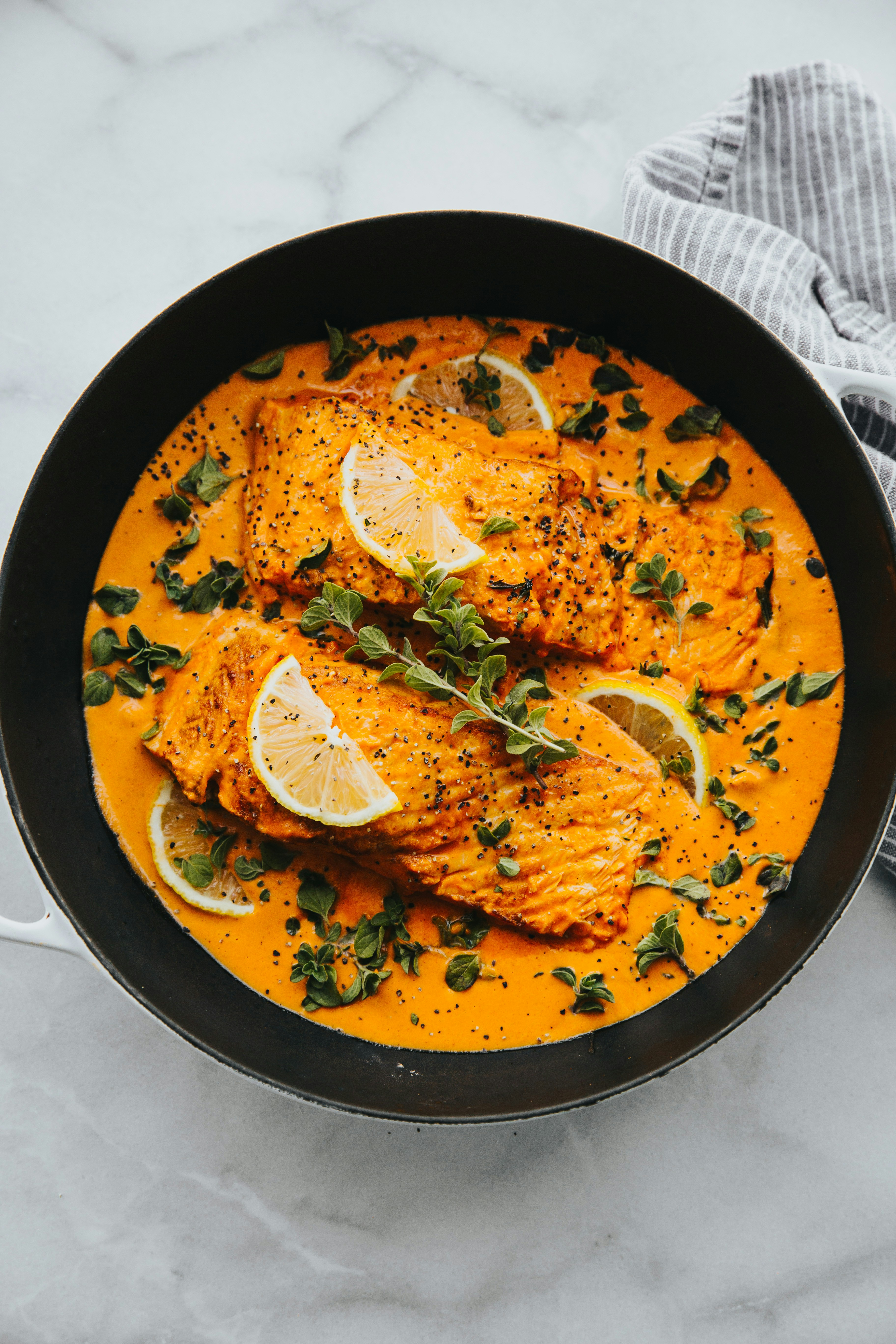
It is a common question in the nutrition world: is sweating after eating a sign of too much protein? While it doesn’t necessarily mean you have a medical disorder, it is a clear signal from your body that the volume of protein in that specific meal has exceeded your immediate digestive capacity. When the body is flooded with more protein than the pepsin enzyme and hydrochloric acid in the stomach can comfortably handle, the system goes into overdrive.
Dietary studies suggest that the "tipping point" for many individuals is 30 grams or more of protein in a single sitting. For context, a standard 6-ounce steak can contain over 40 grams of protein. If you are experiencing symptoms of too much protein such as lethargy, bloating, and the dreaded meat sweats, your portion sizes are likely the primary factor.
To optimize your protein intake and avoid metabolic stress, I recommend using the "palm of the hand" rule. A single serving of meat should be roughly the size and thickness of your palm, which generally equates to 3 to 5 ounces. This amount provides roughly 21 to 35 grams of protein—a range that most people can digest without triggering hyperhidrosis-like symptoms or excessive heat. By spreading your protein intake across four or five smaller meals rather than one or two massive ones, you can maintain a steady metabolic rate without the spikes that lead to perspiration. This is one of the most effective ways to reduce meat sweats during a high protein diet.
Biological Support: Improving Protein Digestion
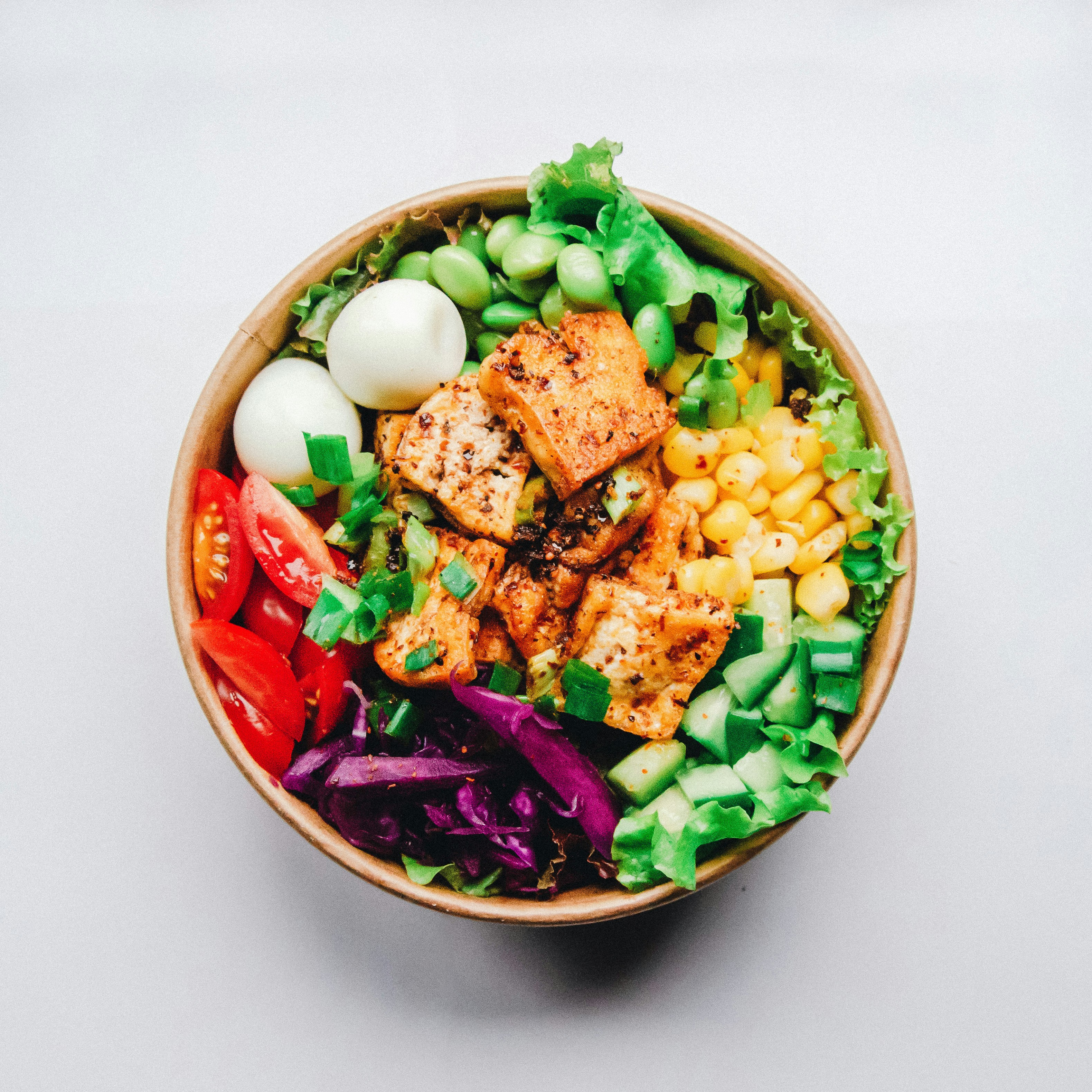
Digesting protein isn't just about how much you eat, but also how well your body can break it down. The environment of your stomach plays a crucial role. To break down animal tissues, the stomach needs a highly acidic environment, driven by hydrochloric acid. This acid activates the pepsin enzyme, which is the primary tool for deconstructing protein chains. If your stomach acid is low—which can happen due to stress, age, or certain medications—the protein sits longer in the gastrointestinal tract, extending the duration of the thermic effect and the associated sweating.
You can proactively assist your body by improving protein digestion with digestive enzymes and ferments. Incorporating specific foods into your meal can act as a "pre-digestive" aid:
- Pineapple and Papaya: These fruits contain bromelain and papain, natural enzymes that help break down tough meat fibers.
- Apple Cider Vinegar: Taking a tablespoon of apple cider vinegar in water before a meal can help support the acidity of the stomach.
- Fermented Vegetables: Foods like sauerkraut or kimchi provide beneficial bacteria and organic acids that support the overall digestive environment.
- Ginger: This root stimulates digestive juices and helps speed up the movement of food from the stomach into the small intestine.
Focusing on improving protein digestion not only prevents the uncomfortable heat of meat sweats but also ensures you are actually absorbing the amino acids you are consuming for muscle repair and health.

Red Flags: When Sweating Isn't Just the Meat
While most cases of post-meal perspiration are harmless results of diet-induced thermogenesis, it is important to distinguish between a metabolic reaction and a genuine medical concern. Occasionally, what feels like meat sweats might actually be a symptom of a more serious condition, such as Alpha-gal syndrome. This is a recently discovered red meat allergy triggered by a Lone Star tick bite.
Unlike the thermic effect, which usually starts within 30 to 60 minutes of eating, Alpha-gal reactions are often delayed by 3 to 6 hours. If your symptoms go beyond simple heat and sweating, you should consult a professional.
| Feature | Meat Sweats (Thermic Effect) | Red Meat Allergy (Alpha-gal) |
|---|---|---|
| Onset | 30–60 minutes after eating | 3–6 hours after eating |
| Primary Symptom | Internal heat and perspiration | Hives, itching, or swelling |
| Digestion | Feels like a heavy metabolic "workout" | May include severe stomach cramps or diarrhea |
| Respiratory | Normal breathing | Possible wheezing or shortness of breath |
| Trigger | High volume of any protein | Specific to mammalian meat (beef, pork, lamb) |
If you notice that your symptoms of too much protein include a racing heart, dizziness, or skin rashes, it is a sign that the reaction is not merely metabolic. Always listen to your body’s unique signals.
How to Prevent and Stop Post-Meal Sweating
If you know you are heading to a barbecue or a steakhouse, you can take steps to mitigate the heat. Prevention starts with meal timing and composition. Try to eat your largest protein portions earlier in the day when your digestive fire—and stomach acid levels—are naturally higher. Eating a heavy protein meal late at night can disrupt sleep by raising your core temperature during a time when your body is trying to cool down for rest.
Another key strategy for how to prevent meat sweats after eating protein is to balance your plate. Don't let the meat stand alone. Pairing protein with high-fiber vegetables slows down the overall rate of digestion, which can help smooth out the metabolic spike. Additionally, stay hydrated. Water is essential for the chemical reactions involved in protein breakdown and helps the body regulate its temperature.
Emily's Expert Tip: The Slushy Method If you find yourself in the middle of a protein-induced heat wave, try the "slushy method." Consuming a small amount of crushed ice or an unsweetened ice slurry can provide an immediate internal cooling effect that helps your body regain homeostasis much faster than a fan or a cold towel.
To summarize, here is your checklist for how to reduce meat sweats during a high protein diet:
- Hydrate: Drink plenty of water before and during the meal.
- Add Acid: Use lemon juice or vinegar as a dressing for your meat.
- Watch the Sides: Avoid combining high-protein meals with heavy alcohol or spicy peppers, both of which can further increase body temperature.
- Slow Down: Chew thoroughly to give your enzymes a head start on the breaking-down process.
FAQ
What are meat sweats?
Meat sweats is a non-medical term used to describe the physical perspiration and increase in body temperature that occurs after consuming a large amount of protein. It is caused by the high energy requirements the body needs to break down complex animal proteins.
What causes your body to sweat after eating a lot of meat?
The primary cause is diet-induced thermogenesis. Because protein has a very high thermic effect, your body must burn a significant amount of energy—roughly 20% to 30% of the calories consumed—to process it. This metabolic activity generates internal heat, which the body tries to dissipate through sweating.
How do you stop meat sweats?
You can stop them by reducing your protein portion sizes to 3-5 ounces per meal, staying well-hydrated, and avoiding other heat-inducing triggers like alcohol or spicy foods during the meal. For immediate relief, consuming ice or an ice slurry can help cool your core temperature.
Is it normal to sweat after eating protein?
Yes, it is a normal physiological response to a high-protein load. It indicates that your metabolism is working hard to process the nutrients. However, if it happens frequently or with small portions, it may be a sign you need to support your digestion with enzymes or smaller, more frequent meals.
Can meat sweats be a sign of an underlying health issue?
While usually harmless, persistent sweating after eating can sometimes indicate an allergy like Alpha-gal syndrome or a condition called gustatory sweating (Frey's syndrome). If the sweating is accompanied by hives, difficulty breathing, or occurs regardless of what you eat, you should speak with a healthcare provider.