As the landscape of modern baking evolves, we are seeing a professional-grade shift toward treats that prioritize both nutritional density and gourmet flavor profiles. For those navigating dietary restrictions or simply seeking a more mindful indulgence, the intersection of plant-based and gluten-free ingredients offers a fascinating playground for food science. These cookies are not just an alternative; they are a sophisticated dessert that stands on its own merits.
Quick Facts
- Flavor Profile: Intense espresso paired with toasted almond and dark chocolate
- Dietary Info: 100% Vegan, Gluten-Free, and Refined Sugar-Free
- Prep Time: 10 minutes preparation, 10-12 minutes baking
- Yield: 12-16 professional-grade biscuits
- Market Trend: The global vegan cookies market is projected to reach USD 8.56 billion by 2035, driven by artisanal variants like coffee.
- Health Insight: Using almond flour provides a source of healthy monounsaturated fats and vitamin E compared to traditional refined wheat flour.
Experience the perfect blend of espresso and almond with these vegan coffee cookies. Made with blanched almond flour and dipped in 70% dark chocolate, these gluten free coffee cookies are the ultimate plant-based indulgence. To make these vegan coffee cookies, combine superfine blanched almond flour with maple syrup for a chewy base, then top with a whipped coffee cream made of vegan butter, espresso powder, and cacao.
The Almond Flour Base: Achieving the Perfect Texture
The foundation of any high-quality gluten free coffee cookies lies in the choice of flour. In my clinical and editorial experience, the biggest mistake home bakers make is substituting almond meal for superfine blanched almond flour. Almond meal contains the skins and has a coarser grind, which results in a gritty, heavy biscuit. For a refined, professional result, you must use a superfine variety where the skins have been removed. This ensures the cookies achieve that coveted paper-thin crust while maintaining a soft, chewy texture inside.
In this recipe, we utilize the natural oils of the almonds combined with maple syrup to act as our primary binder. Unlike traditional baking which relies on eggs for structure, the combination of almond butter and maple syrup creates a dense, fudgy crumb. When mixing your dry and wet ingredients, I recommend the fork-mixing method. Using a fork allows you to break up any clumps in the flour while ensuring the syrup is evenly distributed without overworking the dough, which can lead to oil separation.
Technical Expert Tip: Never use almond meal if you want a smooth finish. Ensure your almond flour is labeled "superfine" and "blanched." If your dough feels too oily, it likely means the almond flour was stored in a warm place; chilling the dough for 15 minutes can stabilize the natural fats before baking.
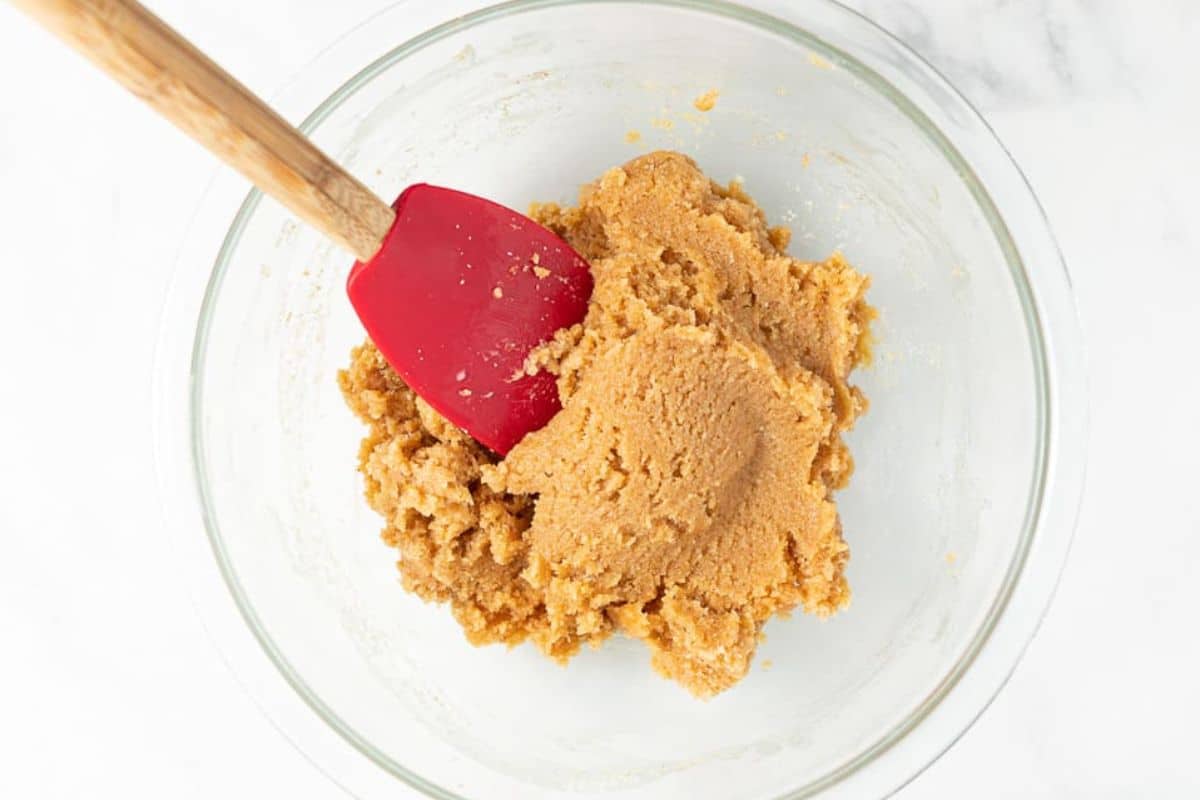
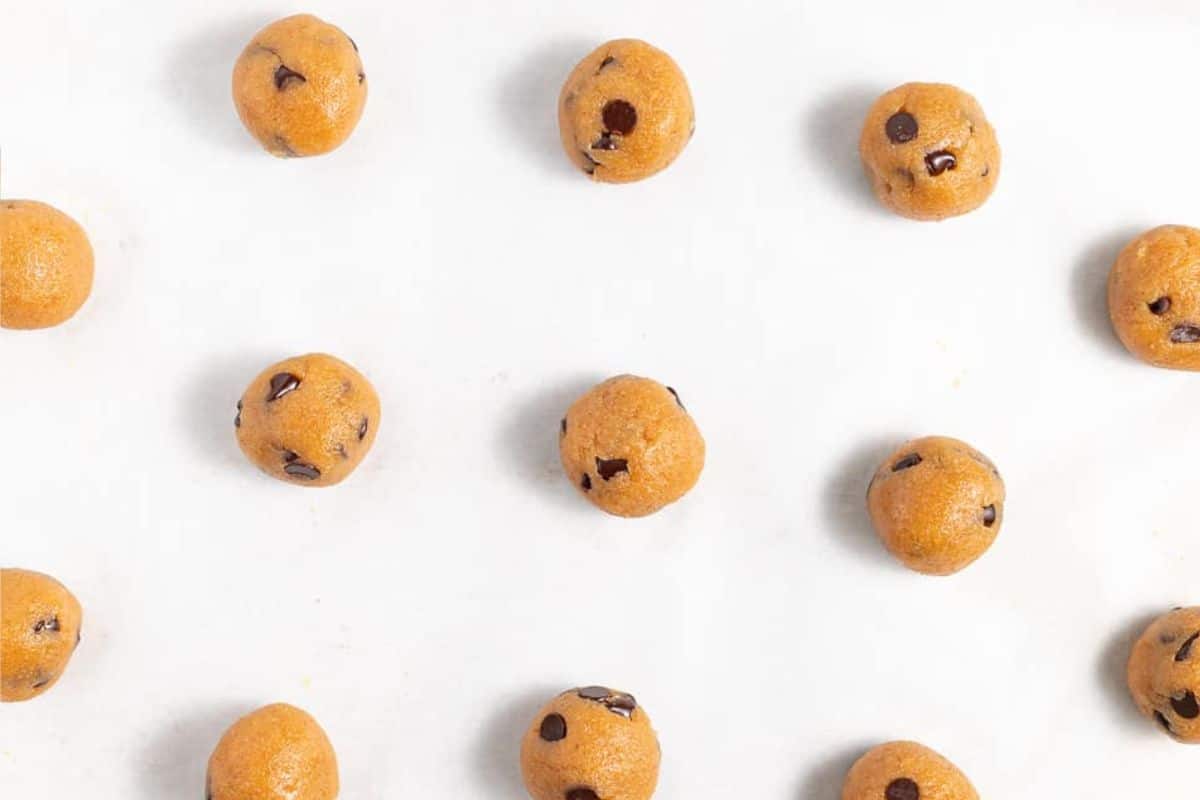
When you are ready to shape the vegan gluten free almond flour coffee cookies, the dough may feel slightly tacky. To handle the sticky dough easily, wet your hands with cold water before rolling the pieces into balls and flattening them on the parchment paper. This prevents the dough from clinging to your palms and allows for a perfectly smooth surface. Aim for a thickness of about half an inch, as these cookies do not spread significantly during the baking process. Bake them for only 8 to 10 minutes; they should look slightly underdone and only lightly golden brown crust on the bottom to preserve the chewy texture.
How to Make Dairy-Free Coffee Cream Filling
The hallmark of a gourmet vegan coffee cookies recipe is the filling. To create a luxurious, stable coffee cream that holds its shape, we look to the techniques used in high-end patisseries. The coffee-flavored variants within the global cookies market have achieved a growth rate of 6.27%, which suggests that consumers are looking for that sophisticated, slightly bitter edge to balance sweetness.
To make a dairy-free coffee cream filling, beat cold vegan butter (approximately 115g or 1/2 cup) with icing sugar, cacao powder, instant espresso powder, and a pinch of sea salt until smooth. The choice of instant espresso powder is critical here; regular instant coffee granules are often too large and won't dissolve properly into the fat, leading to a speckled and uneven flavor. For the best consistency, use a stand mixer with a paddle attachment at medium speed for two to three minutes. This aerates the butter without melting it.
Once the filling is whipped, it requires temperature management. Chill the filling in the refrigerator for one hour or the freezer for 30 minutes before assembling the cookies. This step is non-negotiable if you want the filling to maintain its dome shape when topped with the chocolate coating. If the cream is too soft, the heat from the melted chocolate will cause it to slump, ruining the aesthetic of your almond flour coffee cookies.
Finishing Touch: The 70% Chocolate Dipping Technique
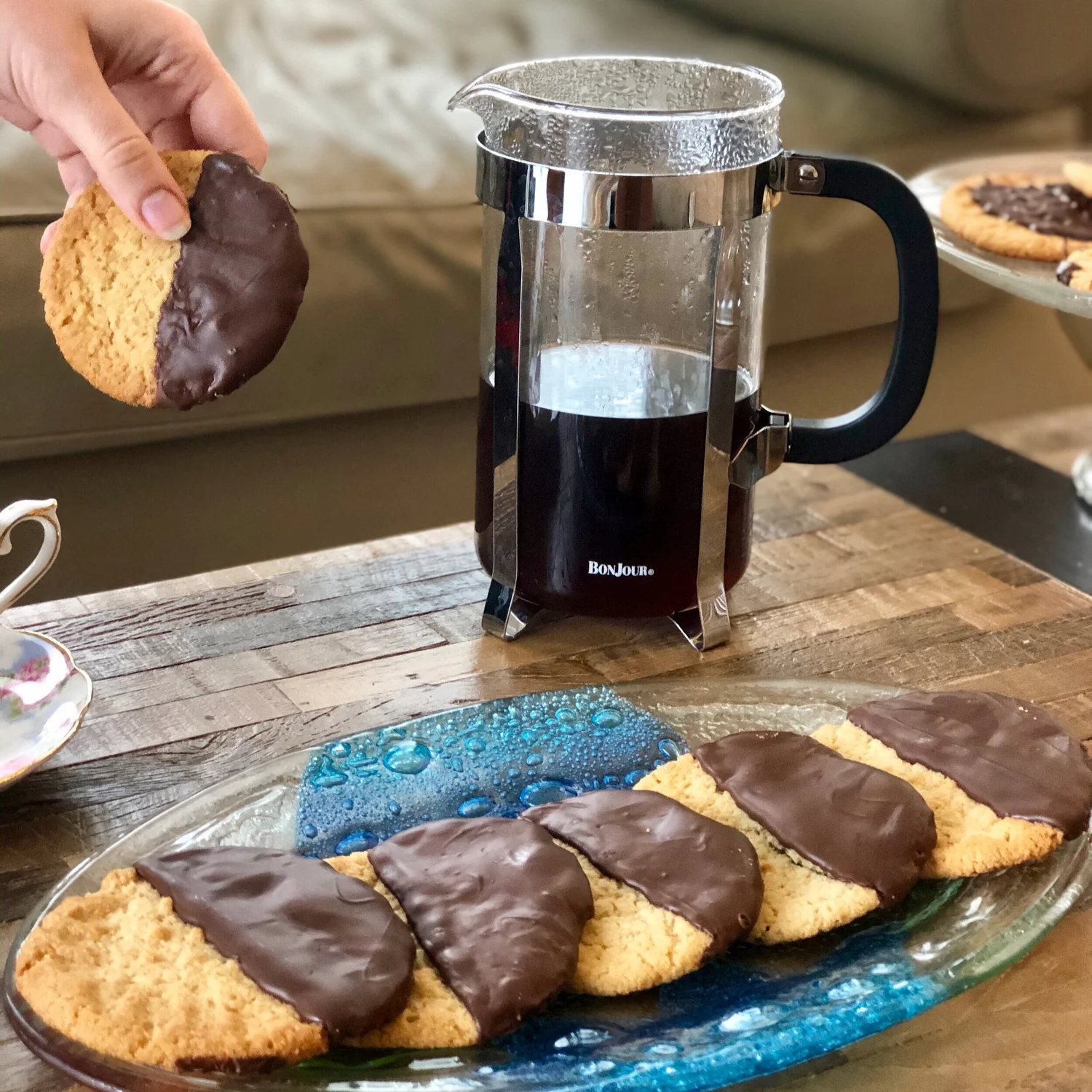
The final layer of these chocolate dipped coffee cookies is what elevates them from a simple biscuit to a gift-worthy confection. I always recommend using a 70% dark chocolate or a high-quality semisweet chocolate. Darker chocolate contains higher concentrations of flavonoids and provides a sharp contrast to the creamy espresso center.
For the most successful chocolate coating, use a bain-marie (a bowl over a pot of simmering water) or a microwave in 30-second increments to melt the chocolate. If using a microwave, stir vigorously between intervals to distribute the heat, as chocolate can burn easily. Once the chocolate is smooth, add a teaspoon of coconut oil to give the coating a professional sheen and a slightly softer snap.
Dip each chilled, cream-topped cookie into the chocolate. Allow the excess to drip off before placing it back on the parchment paper. To finish, sprinkle a few sea salt flakes on top while the chocolate is still wet. The salt acts as a flavor enhancer, cutting through the richness of the almond butter and intensifying the notes of the espresso. This creates a chewy vegan coffee cookies with chocolate coating experience that hits every part of the palate.
Troubleshooting Crumbly Almond Flour Cookie Dough
Working with plant-based baking requires an understanding of different structural mechanics. Because we are not using gluten, the cookies rely entirely on the proteins and fats in the nuts and the sugar in the syrup to hold together. If you find yourself troubleshooting crumbly almond flour cookie dough, the most common culprit is inaccurate measurement. I highly recommend weighing your ingredients in grams (200g of almond flour) rather than using cups, as the density of flour can vary wildly depending on how it is packed.
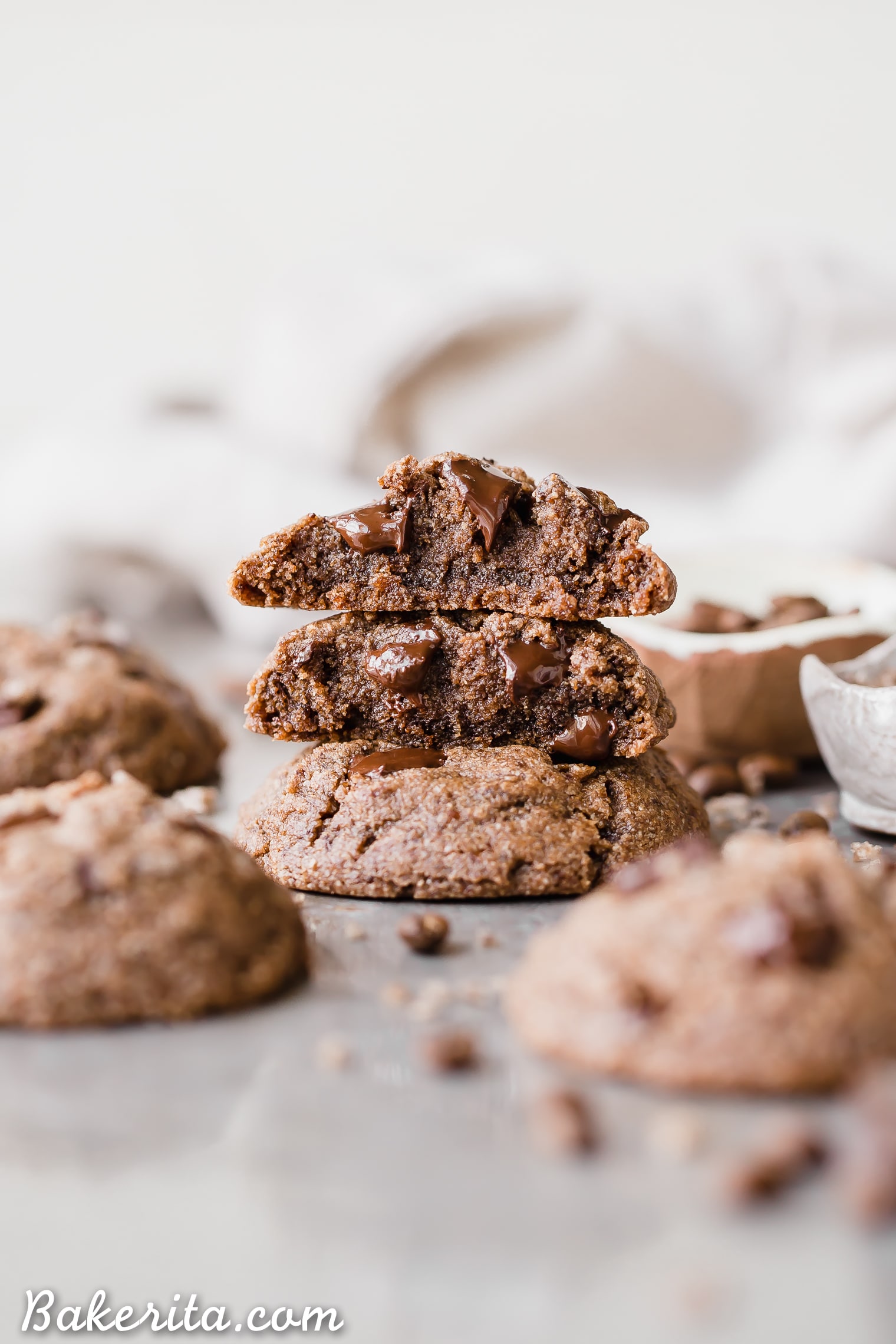
Another essential step is the cooling phase. When baking gluten-free almond flour cookies, pull them from the oven after 8 to 10 minutes when they are lightly golden. They may appear too soft to touch, but this is intentional. Allow the cookies to cool completely on the baking sheet for at least 10 to 15 minutes before attempting to move them. During this time, the residual heat continues to cook the center, and the sugars set, creating the structural integrity needed for assembly.
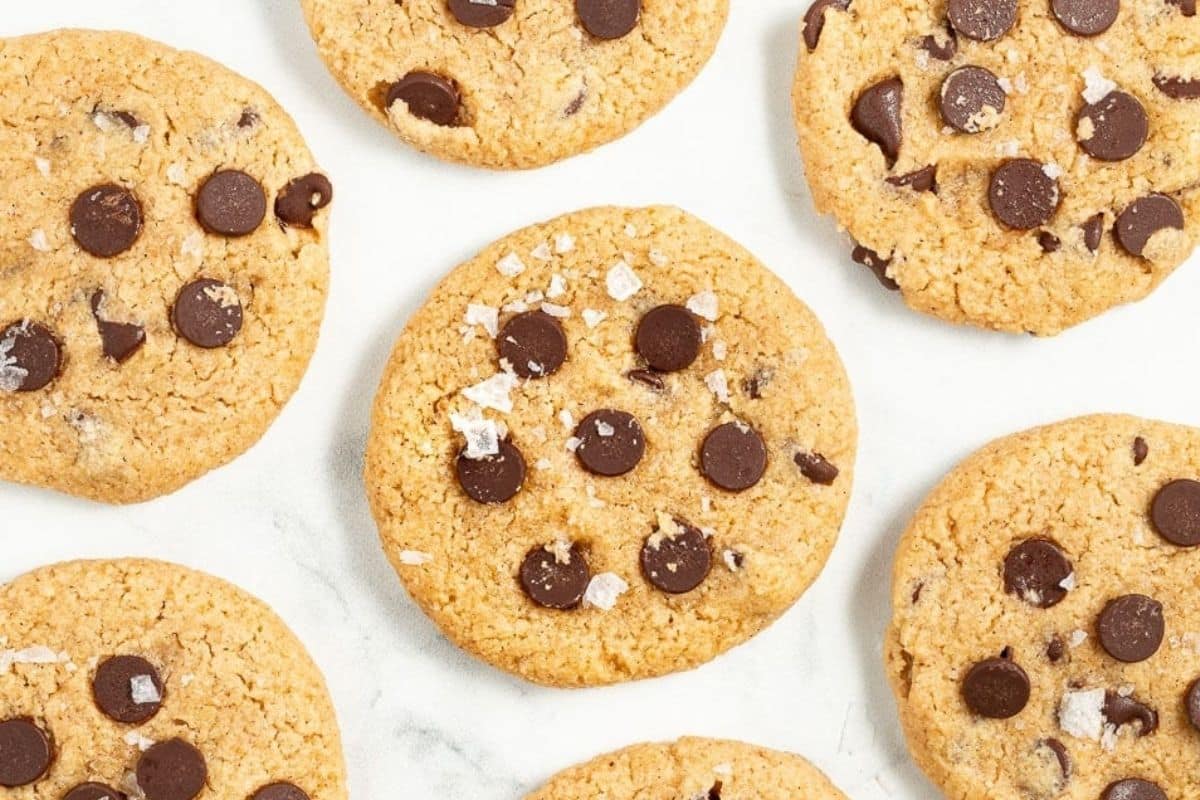
If your dough is still too dry to form a ball, add an extra teaspoon of maple syrup or vanilla extract. Conversely, if it is too wet, a tablespoon of additional almond flour will help. Remember that almond-based doughs do not behave like wheat doughs; they are more akin to a thick paste. With the global gluten-free vegan snacks market valued at USD 6.09 billion in 2024, mastering these small technical adjustments will put your home baking on par with the best health-focused brands on the market.
Storage Guide: How Long Do They Last?
Proper storage is vital to maintain the delicate balance of the paper-thin crust and the creamy center. Because these cookies contain vegan butter and no preservatives, they are sensitive to temperature and humidity.
Store vegan almond flour cookies in an airtight container to preserve their chewy texture and prevent them from absorbing fridge odors. These cookies remain fresh in the refrigerator for up to 10 days. The cold environment helps the coffee cream stay firm and the chocolate coating remain crisp.
For long-term storage, you can freeze them for six to nine months; just ensure they are fully defrosted before serving to restore the intended softness of the almond base and coffee filling. If you are wondering how long do vegan almond flour cookies last in freezer, they are remarkably stable, making them an excellent make-ahead option for dinner parties or holiday gifting. Always place a piece of parchment paper between layers in the container to prevent the chocolate from sticking.
FAQ
What are the best ingredients for vegan coffee cookies?
For the highest quality results, use superfine blanched almond flour, pure maple syrup, and high-quality vegan butter. For the coffee component, an instant espresso powder is superior to standard instant coffee because it provides a more concentrated flavor and a finer texture that integrates seamlessly into the filling.
Can I use instant coffee powder in vegan cookies?
Yes, but with a caveat. Standard instant coffee granules are often quite large and may leave bitter, crunchy spots in your filling. If you only have regular instant coffee, I recommend crushing it into a fine powder using a mortar and pestle or the back of a spoon before adding it to your cream filling.
How do you make vegan cookies taste like coffee?
The secret is layering the flavor. Use instant espresso powder in both the dough (if you want a coffee-flavored base) and the cream filling. Adding a small amount of cacao powder to the filling also helps to deepen the coffee notes, as chocolate and coffee share similar flavor compounds.
How should I store homemade vegan coffee cookies?
These cookies should always be stored in an airtight container. Due to the dairy-free cream filling, they are best kept in the refrigerator. This ensures the filling stays set and the cookies maintain their structural integrity for up to 10 days.
Why are my vegan coffee cookies dry?
The most likely reason is overbaking. Almond flour cookies go from perfectly chewy to dry and crumbly very quickly. Ensure you remove them from the oven while they still look slightly soft in the middle. Additionally, make sure you are not using almond meal, which has a naturally drier and coarser mouthfeel.
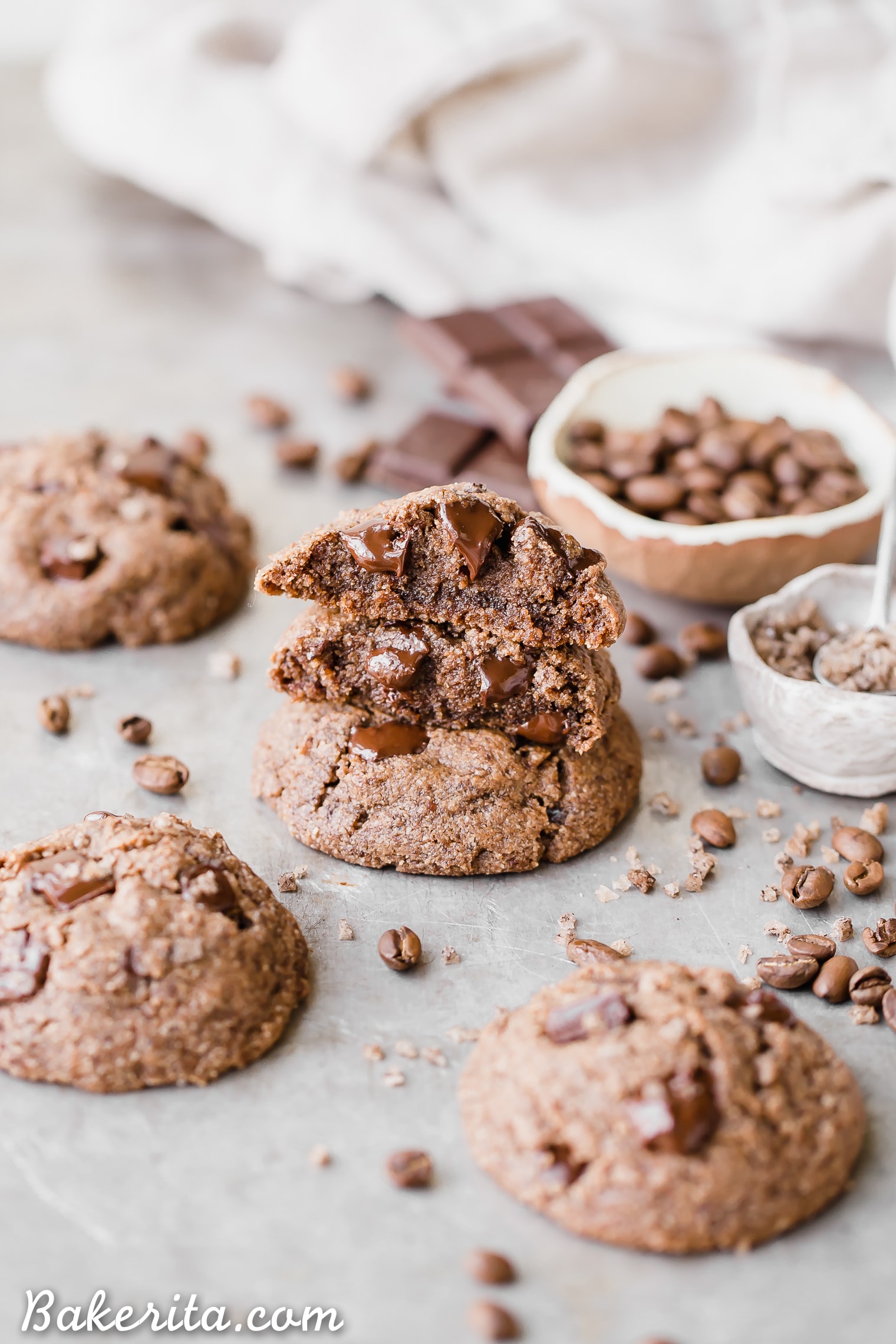
The shift toward premium and artisanal baked goods reflects a broader consumer desire for quality over quantity. By mastering the science of simple vegan chocolate dipped almond biscuits, you are not just making a snack—you are participating in a global movement toward more thoughtful, health-conscious eating. Whether you are baking for a specific dietary need or simply exploring new flavors, these cookies offer a perfect balance of nutritional benefit and culinary delight.