Quick Facts
- Cognitive Risk: Consuming just 20 percent of daily calories from ultra-processed foods is linked to a 28 percent faster rate of cognitive decline.
- Dementia Connection: For every 10 percent increase in the consumption of ultra-processed foods, the risk of developing dementia rises by 25 percent.
- Mental Health Impact: High intake of these industrial formulations is associated with a 44 percent greater risk of depression and a 48 percent higher risk of anxiety.
- Brain Function: Early signs of high intake often appear as a drop in executive function and attention span before memory loss occurs.
- Biological Mechanisms: These products can trigger neuroinflammation and disrupt the gut-brain axis, potentially compromising the blood-brain barrier.
- NOVA Classification: Identifying Group 4 products is essential for maintaining brain health and preventing metabolic health issues.
High intake of ultra-processed foods is now linked to a 25-28 percent higher risk of cognitive decline. Even a 10 percent increase in daily intake can impair executive function and increase the prevalence of metabolic health issues that serve as dementia risk factors.
The Brain-Drain Link: New Evidence from 2026
As we move through 2026, the scientific community has reached a tipping point regarding how our modern diet impacts our most complex organ. For years, we focused on how sugar and trans fats affected our waistlines and hearts, but the latest research has shifted the focus toward the brain. Ultra-processed foods are no longer just a metabolic concern; they are increasingly viewed as a primary driver of cognitive decline and diet related neurological issues.
Two landmark studies have reshaped our understanding of this relationship. A massive study involving over 10,000 people in Brazil found that individuals who consumed just 20 percent of their daily calories from ultra-processed foods experienced a 28 percent faster rate of cognitive decline compared to those who prioritized whole foods. To put that into perspective, for someone eating 2,000 calories a day, that 20 percent threshold is only 400 calories—roughly the amount in a large order of fries or a couple of pre-packaged snack cakes.
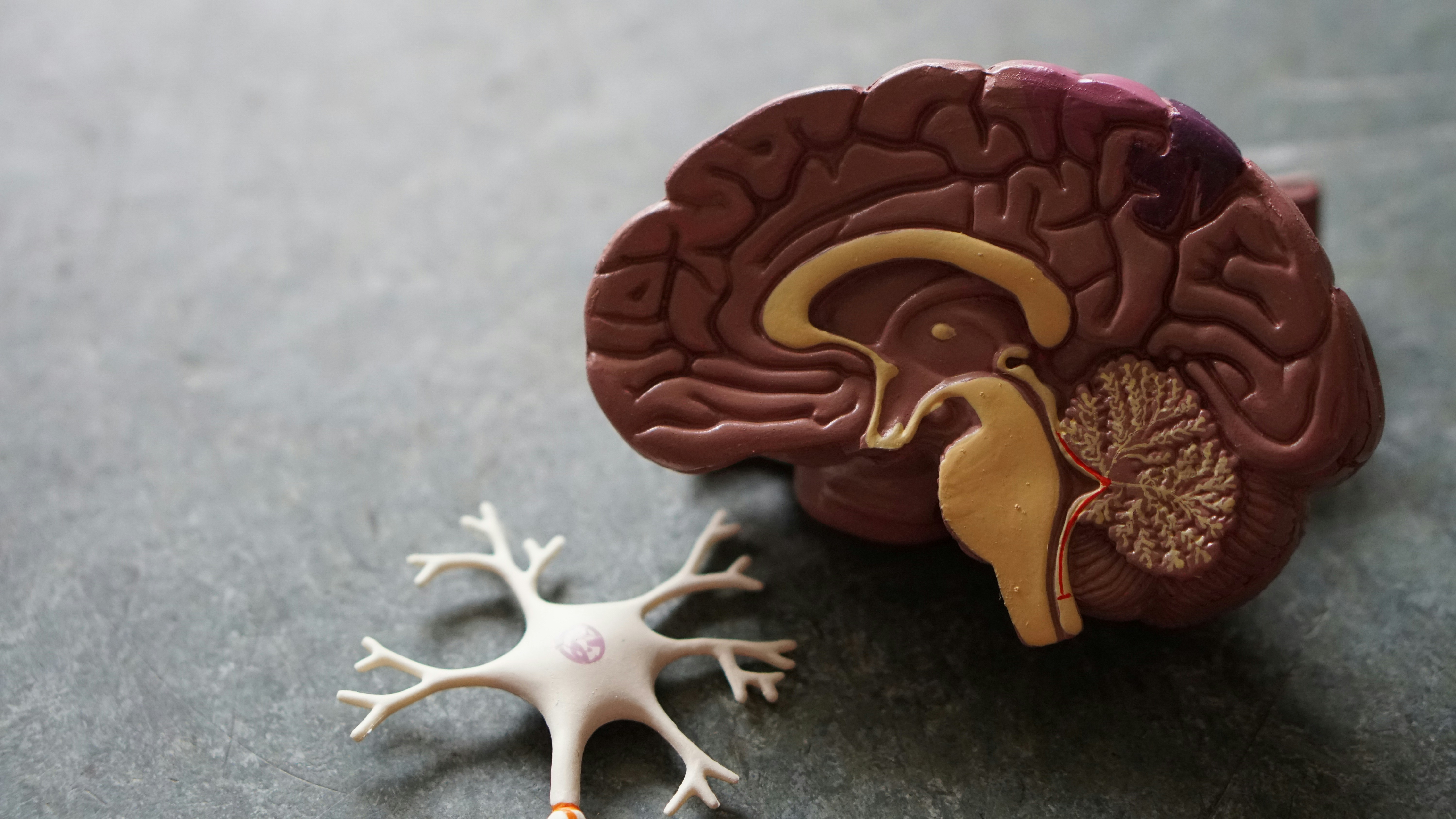
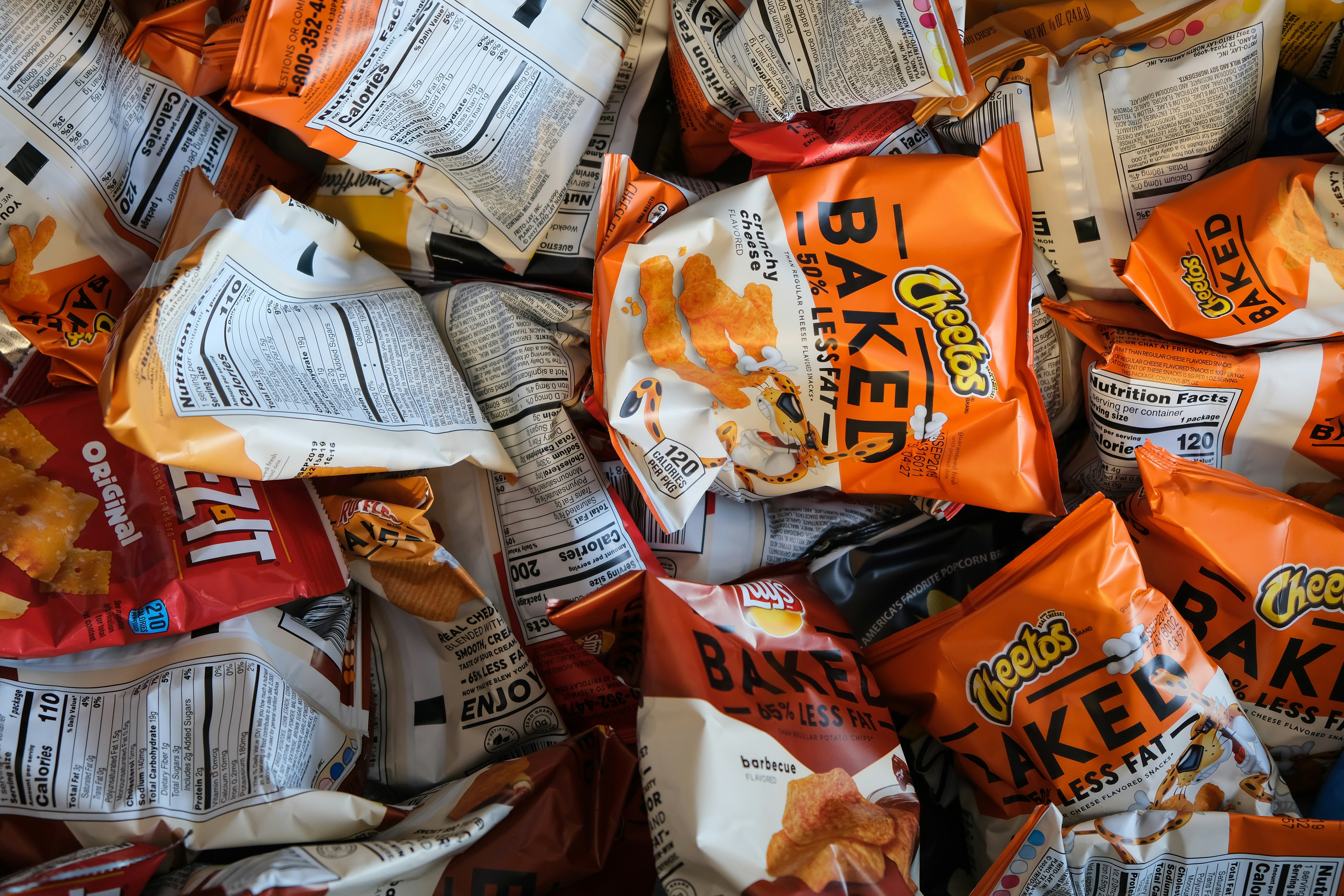
Further evidence comes from the United Kingdom, where researchers tracked approximately 500,000 people. The results were startling: for every 10 percent increase in ultra-processed food consumption, the risk of developing dementia increased by 25 percent. This 10 percent increase is often referred to by nutritionists as the one bag of chips rule. Replacing a single nutrient-dense snack with a highly processed industrial product every day may be enough to accelerate the aging of your brain.
What makes this particularly concerning is that the first signs of trouble aren't always memory loss. Instead, clinicians are seeing a decline in executive function—the mental skills that include working memory, flexible thinking, and self-control. This drop in attention span and mental clarity often serves as the canary in the coal mine for future cognitive health.
Understanding the NOVA Food Classification System
To protect your brain, you first need to understand what ultra-processed foods actually are. While the term is used frequently, it has a very specific scientific definition based on the NOVA food classification system, a framework developed in 2010 to categorize foods by the extent and purpose of their processing.
Understanding the hierarchy of food processing helps you navigate the grocery store more effectively:
| NOVA Group | Category | Description | Examples |
|---|---|---|---|
| Group 1 | Unprocessed or Minimally Processed | Natural foods altered by removal of inedible parts, drying, or freezing. | Fresh fruits, vegetables, eggs, plain yogurt, frozen peas. |
| Group 2 | Processed Culinary Ingredients | Substances obtained from Group 1 foods by pressing, refining, or mining. | Olive oil, butter, sugar, salt. |
| Group 3 | Processed Foods | Simple products made by adding Group 2 ingredients to Group 1 foods. | Freshly baked bread, canned beans in salt water, cured meats. |
| Group 4 | Ultra-processed Foods | Industrial formulations typically containing five or more ingredients not used in kitchens. | Soft drinks, packaged snacks, instant noodles, reconstituted meat products. |
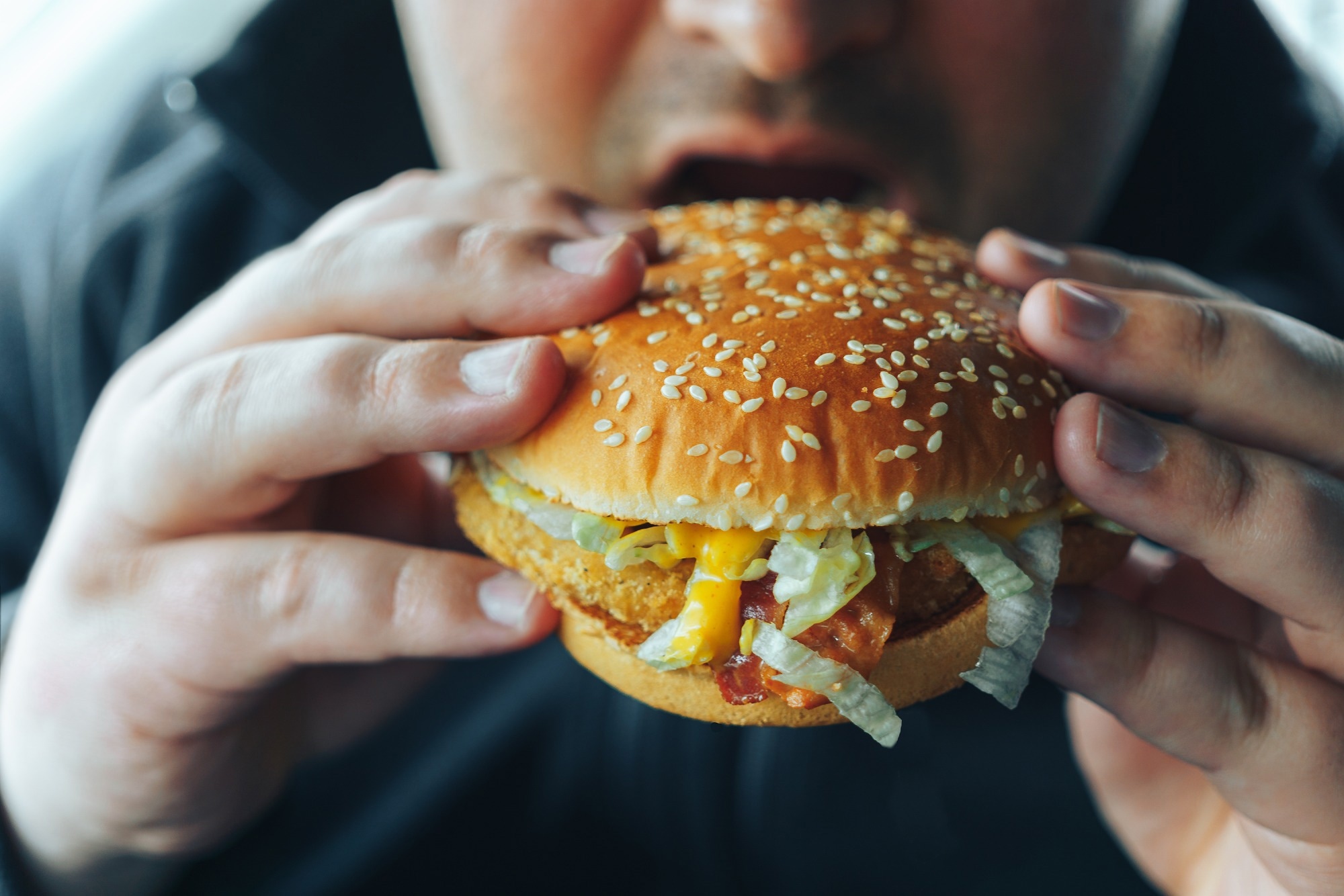
A helpful way to visualize this is the evolution of corn. Corn on the cob is a Group 1 whole food. Canned corn with a little salt is a Group 3 processed food. However, corn chips or a breakfast cereal made with corn flour, high-fructose corn syrup, and various chemical additives represent Group 4 ultra-processed foods. These Group 4 products are engineered for hyper-palatability, often bypassing our natural fullness cues and leading to overconsumption.
The Biological Mechanism: Neuroinflammation and the Gut-Brain Axis
Why do these industrial formulations have such a profound effect on our mental state? The answer lies in the complex communication network between our digestive system and our nervous system, often called the gut-brain axis.
Ultra-processed foods are typically characterized by a low micronutrient density and a high concentration of cosmetic additives. Ingredients such as emulsifiers and thickeners, while deemed safe for consumption, have been shown in emerging research to disrupt the delicate lining of the gut. When the gut microbiome is out of balance, it can trigger systemic inflammation. This inflammation doesn't stay in the gut; it can lead to neuroinflammation, a state where the brain's immune cells become overactive, potentially damaging healthy neurons.
Furthermore, there is growing evidence that certain industrial additives may compromise the blood-brain barrier. This barrier is a highly selective semipermeable border that prevents harmful solutes in the blood from non-selectively crossing into the central nervous system. When this barrier is weakened, the brain becomes more vulnerable to metabolic health issues and the buildup of proteins associated with Alzheimer’s disease.
It was once believed that a high-quality diet, like the Mediterranean diet, could fully cancel out the negative effects of occasional indulgence in junk food. However, new data suggests that the damage caused by a high intake of Group 4 foods is so significant that even a healthy baseline diet may not fully offset the increased dementia risk. This highlights the importance of active avoidance rather than just healthy addition.

Label Reading: Identifying Group 4 Industrial Formulations
If you want to protect your cognitive longevity, learning how to identify ultra-processed foods on labels is the most practical skill you can develop. It goes beyond looking at calories or fat content; you must look at the nature of the ingredients themselves.
When scanning a package, look for the following Red Flag ingredients that indicate a product is an industrial formulation:
- Cosmetic Additives: Flavors, flavor enhancers, colors, emulsifiers, and artificial sweeteners.
- Industrial Sugars: High-fructose corn syrup, maltodextrin, dextrose, and inverted sugar.
- Processed Proteins: Hydrolyzed proteins, soy protein isolates, and mechanically separated meats.
- Texturizers: Xanthan gum, guar gum, and bulking agents.
A common question I receive is: are soy meat alternatives considered ultra processed foods? The answer depends on the level of processing. A simple block of tofu or fermented tempeh is minimally processed. However, many modern plant-based meat alternatives that use soy protein isolates, methylcellulose, and various flavoring agents fall squarely into the ultra-processed category. While they may be marketed as health foods, their lack of fiber and high chemical load can still contribute to the risks associated with Group 4 consumption.
Practical Transitions: Whole Food Alternatives
Transitioning away from a diet heavy in industrial products doesn't have to be overwhelming. The goal is to move toward a whole food plant-based pattern that prioritizes micronutrient density and fiber.
The Brain-Boosting Swap List
- Instead of sugary breakfast cereal, try steel-cut oats topped with walnuts and fresh berries.
- Instead of packaged snack crackers, try a handful of raw almonds or pumpkin seeds.
- Instead of flavored yogurt with artificial sweeteners, try plain Greek yogurt with a drizzle of honey and chia seeds.
- Instead of soda or diet drinks, try sparkling water with a squeeze of fresh lime or mint.
For those with a busy lifestyle, focusing on low NOVA group food prep for busy people is the key to success. This might involve roasting a large batch of vegetables on Sunday or cooking a big pot of quinoa to use throughout the week. By having these Group 1 and Group 2 staples ready, you are less likely to reach for a Group 4 convenience meal when you're tired.
Searching for brain-boosting whole food recipes to replace processed meals is another excellent strategy. Simple meals like a Mediterranean grain bowl or a lentil stew provide the vitamins and minerals necessary to support the blood-brain barrier and reduce systemic inflammation.
FAQ
What are examples of ultra-processed foods?
Common examples include sugar-sweetened beverages, packaged snacks like chips and crackers, instant noodles, frozen pizzas, mass-produced packaged breads, and most breakfast cereals. Many pre-packaged "ready-to-heat" meals and sweetened dairy products like flavored yogurts also fall into this category because they contain emulsifiers and artificial flavorings.
How can you tell if a food is ultra-processed?
The most reliable way is to check the ingredient list. If it contains substances you wouldn't find in a standard home kitchen—such as maltodextrin, soy protein isolate, high-fructose corn syrup, or various emulsifiers—it is likely ultra-processed. A long list of ingredients (usually five or more) is also a strong indicator that the food is a Group 4 industrial formulation.
What is the difference between processed and ultra-processed foods?
Processed foods (Group 3) are typically made by adding salt, oil, or sugar to whole foods, such as canned vegetables or freshly baked artisanal bread. Ultra-processed foods (Group 4) are entirely different; they are industrial formulations created from substances extracted from foods (like fats and starches) and then combined with additives to create a product that is hyper-palatable and shelf-stable.
Are all ultra-processed foods unhealthy?
While most ultra-processed foods are low in nutrients and high in additives, there is some scientific debate regarding specific items. For instance, certain fortified plant-based milks may be classified as ultra-processed due to added gums and vitamins, yet they can still provide essential nutrients for some diets. However, the overarching trend in research suggests that the more Group 4 foods you consume, the higher your risk for metabolic and cognitive health issues.
How do I reduce ultra-processed foods in my diet?
Start by making small, sustainable swaps. Focus on replacing one packaged snack a day with a whole food alternative like fruit or nuts. Prioritize cooking at home using basic culinary ingredients like olive oil, herbs, and spices. Gradually shifting toward a diet based on whole grains, legumes, and fresh produce will naturally lower your intake of industrial additives and help protect your brain health for the long term.