Quick Facts
- The 50/25/25 Formula: Fill 50% of your bowl with vegetables, 25% with protein, and 25% with complex carbs.
- Protein Goal: Aim for 25-30g of protein per bowl to support muscle synthesis and stay full longer.
- Fiber Target: High-fiber bowls help meet the recommended 25-29g daily fiber intake for better metabolic health.
- Prep Time: Assembly takes only 15 minutes when using batch-cooked staples from your fridge.
- Science: Ingredients like quinoa are nutritional powerhouses, providing all nine essential amino acids.
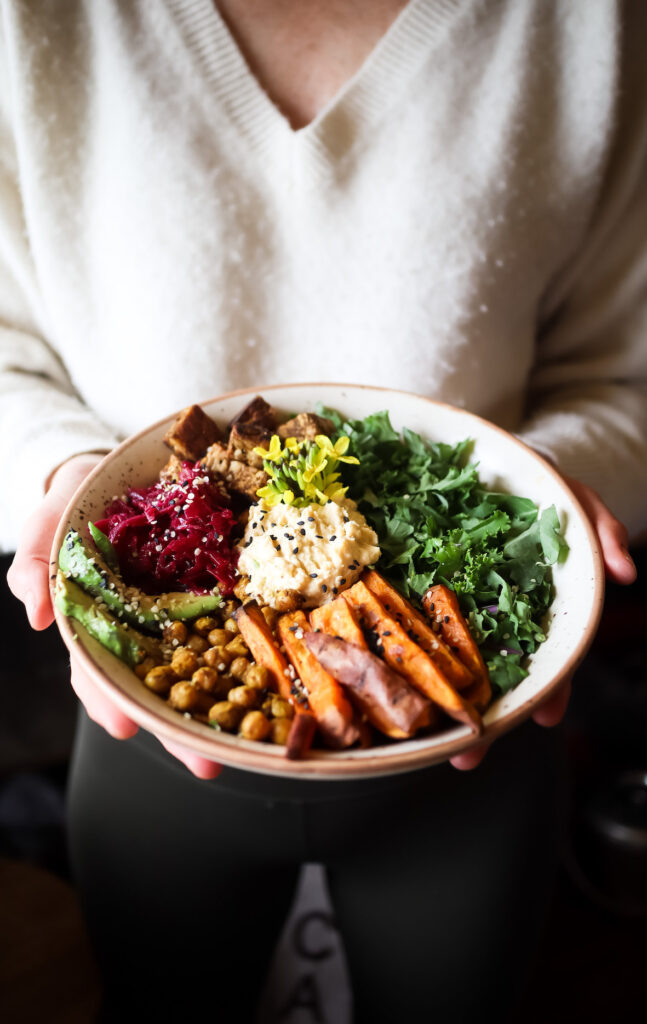
To build a balanced nourish bowl, follow a structured ratio: fill half the bowl with leafy greens and varied vegetables, one-quarter with complex carbohydrates like quinoa or sweet potatoes, and one-quarter with quality protein such as chickpeas, tempeh, or salmon. Complete the meal with healthy fats like avocado or seeds and a nutrient-dense dressing to ensure satiety and flavor profiling.
Establishing Your Leafy Base for Gut Health
The foundation of any nourish bowl guide starts with the greens. I often tell my readers that the "base" isn't just a filler; it is the primary source of volume and essential micronutrients. When you are learning how to build a nourish bowl, you should prioritize hardy greens that can stand up to heavy dressings and warm toppings. Kale, chard, and massaged spinach are excellent choices because they maintain their structural integrity throughout the week.
From a clinical perspective, these greens are fiber engines. Research suggests that consuming 25-29g of daily fiber is associated with a 15-30% reduction in all-cause mortality and cardiovascular-related deaths. This high-fiber intake is essential for gut health, as it feeds the beneficial bacteria in your microbiome. If you find raw kale too tough, try "massaging" it with a touch of olive oil and sea salt for two minutes. This breaks down the tough cellulose fibers, making it easier to digest and far more palatable for your base layer. This simple habit contributes significantly to your balanced nourish bowl formula and ratios by ensuring you get the necessary volume without excessive calories.
Layer Your Micronutrients with Roasted Veggies
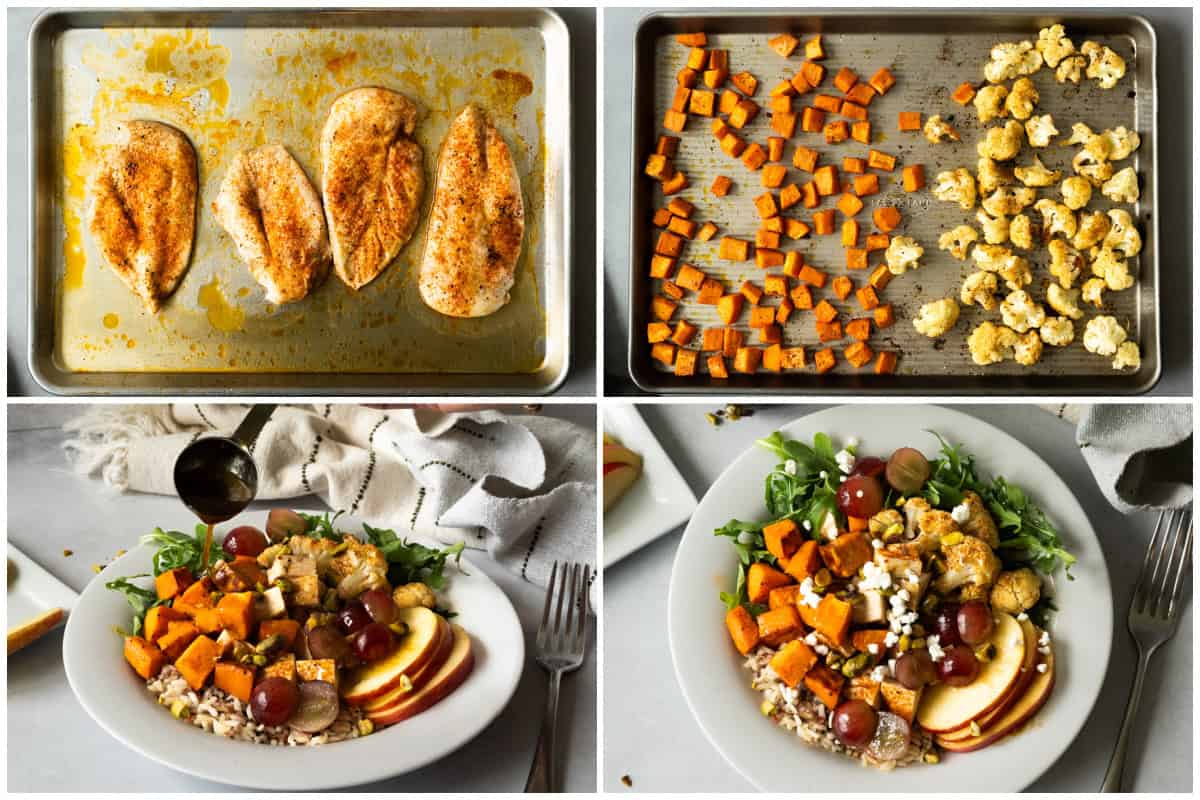
Once your base is set, it is time to add layers of color and texture. I recommend using the "sheet pan rule" to maximize efficiency. Use a 15x21-inch sheet pan to give your vegetables enough space to roast; overcrowding leads to steaming, which results in mushy textures. Roasting at 400°F-425°F for 25-30 minutes caramelizes the natural sugars in vegetables, enhancing the flavor profiling of the entire meal.
Diversity is the secret weapon for a healthy gut. My standard recommendation is to target 30+ plant species per week. This might sound daunting, but when you create healthy bowl combinations with roasted cauliflower, bell peppers, carrots, and red onions, you can hit half that goal in a single sitting. These vegetables provide the antioxidants and phytonutrients necessary for nourish bowl recipes for blood sugar balance. By including a variety of colors—purple cabbage, orange squash, green broccoli—you ensure a broad spectrum of vitamins that support everything from immune function to skin health.
Power Up with High Protein Building Tips for Your Nourish Bowl Guide
Protein is the most satiating macronutrient, and it is a non-negotiable component of this nourish bowl guide. To maximize muscle protein synthesis and keep your metabolism active, you should aim for 25-30g of protein per meal. According to the USDA's MyPlate guidelines, about one-quarter of your plate should consist of lean protein sources.
If you prefer plant-based protein, options like tempeh, edamame, and lentils are fantastic because they offer fiber alongside protein. Quinoa is a standout in any high protein nourish bowl building tips because it is one of the few plant foods that contains all nine essential amino acids. For those who include animal products, wild-caught salmon, grilled chicken breast, or soft-boiled eggs provide high-quality, bioavailable protein. The key to a balanced macronutrient balance is ensuring that your protein source is seasoned well; a bland protein will make the entire bowl feel like a chore rather than a gourmet meal.
Fuel with Complex Carbohydrates
The "carbohydrate" element of the bowl is often misunderstood. We aren't talking about refined white bread or sugary pasta; we are focusing on slow-burning energy sources. These complex carbohydrates should occupy about 25% of your bowl. Foods like sweet potatoes, brown rice, farro, or black beans provide a steady stream of glucose to the brain and muscles.
Utilizing these grains is a cornerstone of nourish bowl recipes for blood sugar balance. Unlike simple sugars that cause a rapid spike and subsequent crash, complex carbs are digested slowly. This leads to sustained cognitive focus and prevents the "afternoon slump." For those who are gluten-sensitive, buckwheat and wild rice are excellent nutrient-dense alternatives that provide magnesium and B vitamins, further contributing to your overall satiety.
Seal in Satiety with Healthy Fats
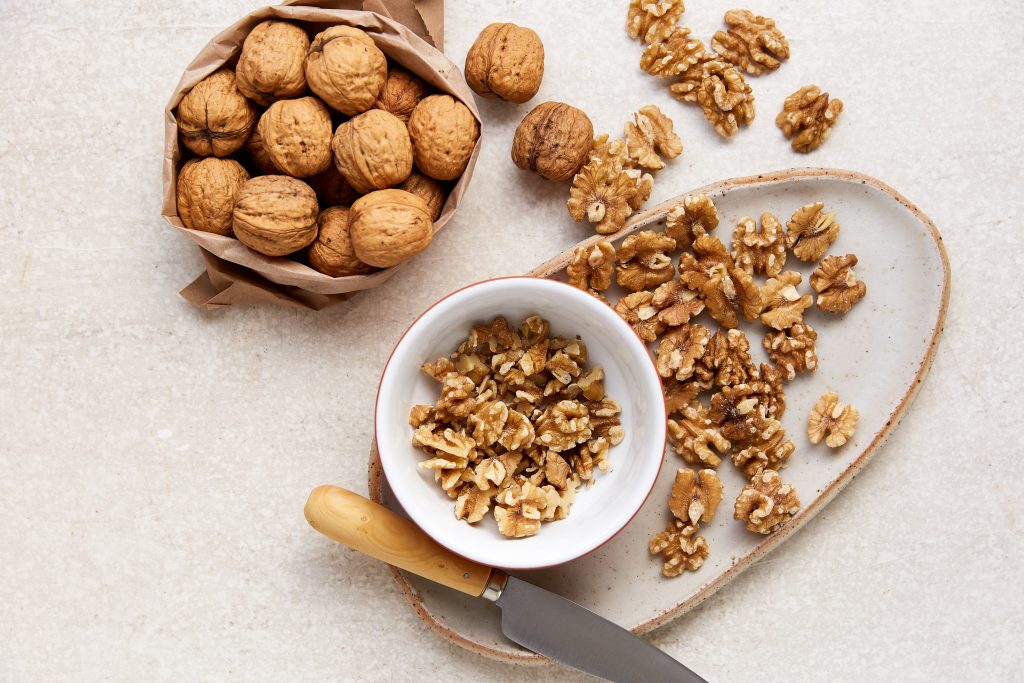
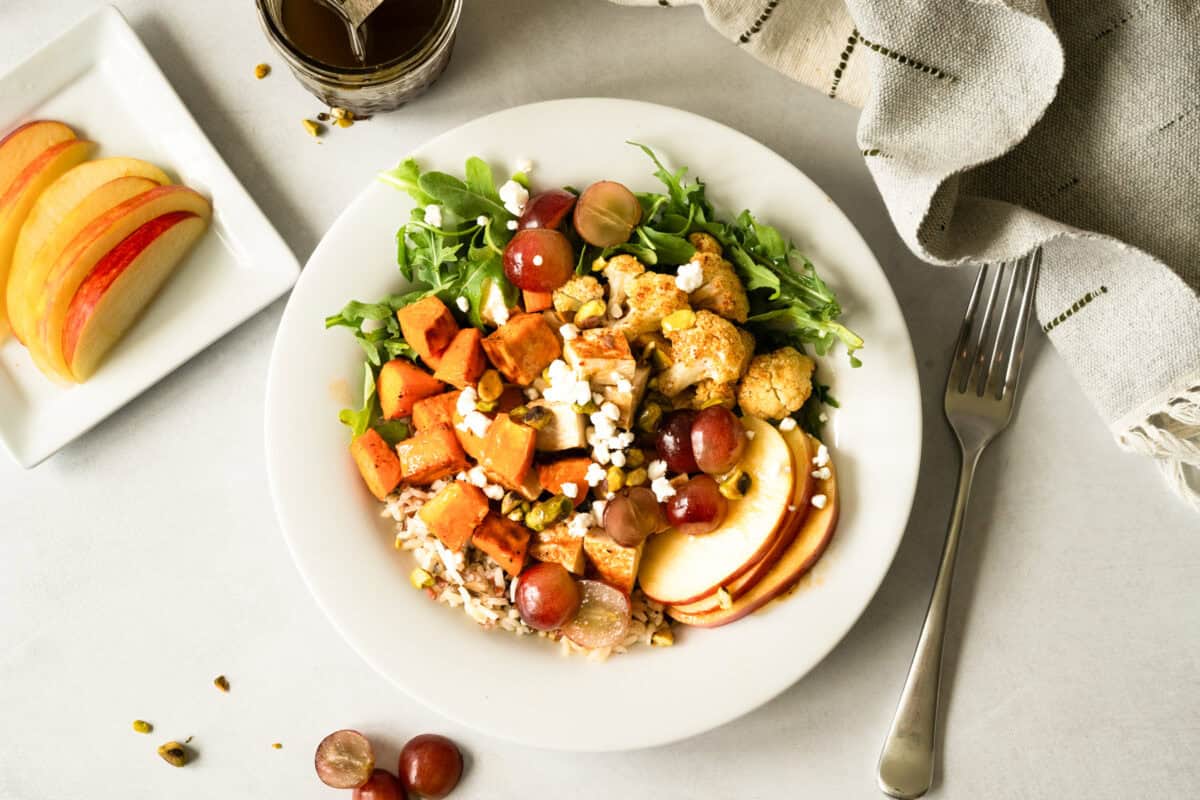
To make a meal truly satisfying, you must include healthy fats. These are essential for the absorption of fat-soluble vitamins such as Vitamin A, D, E, and K. Without fat, you could eat a bowl full of carrots and kale and still miss out on much of the nutritional benefit. Common additions include half an avocado, a tablespoon of hemp seeds, or a handful of toasted walnuts.
Fats are crucial for the balanced nourish bowl formula and ratios because they trigger the release of hormones that tell your brain you are full. However, portion control is important here; because fats are more calorie-dense, a "thumb-sized" portion is usually sufficient. This step bridges the gap between a light salad and a hearty meal that will keep you fueled for four to six hours.
Elevate Flavor with Easy Homemade Dressings
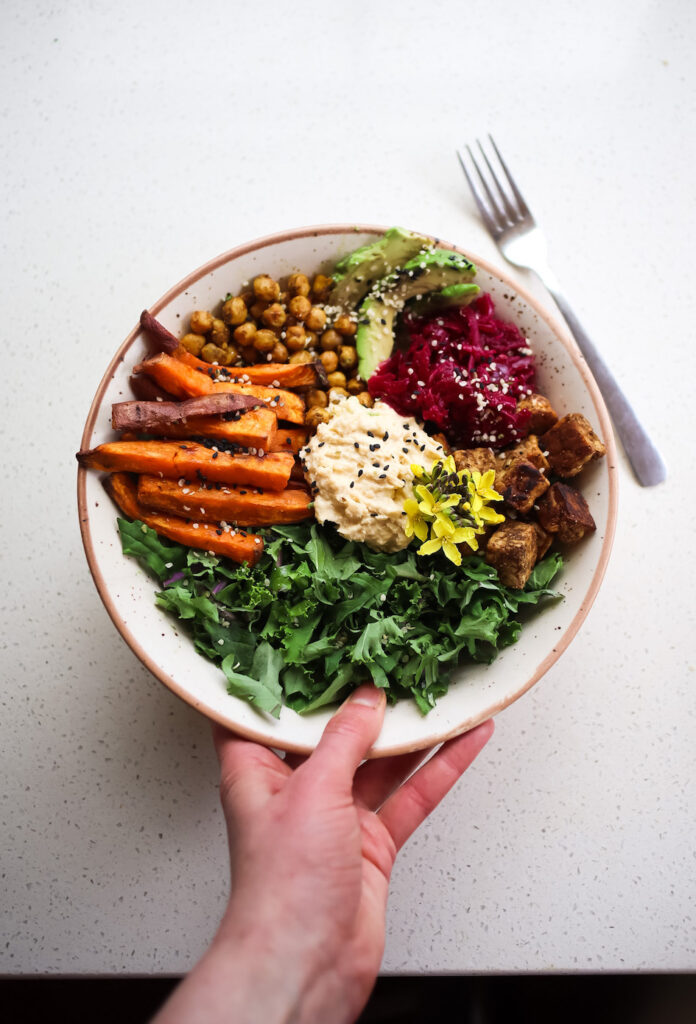
A nourish bowl is only as good as its dressing. Instead of store-bought versions filled with inflammatory seed oils and added sugars, I advocate for the "Signature Sauce" concept. A simple tahini-lemon dressing or a spicy peanut sauce can transform basic ingredients into a culinary masterpiece. According to the Dietary Guidelines for Americans, at least 85% of daily calorie intake should come from nutrient-dense foods, leaving very little room for the hidden sugars found in commercial dressings.
I also recommend adding "boosts" to your bowl for extra health benefits. A spoonful of sauerkraut or kimchi adds probiotics that support your gut microbiome and improve digestion. For a savory, cheesy flavor without the dairy, sprinkle on some nutritional yeast to add a boost of B12 and umami. These easy homemade dressings for nourish bowls are what turn healthy bowl combinations into something you actually look forward to eating every day.
Master the 15-Minute Assembly and Nourish Bowl Guide Meal Prep
The biggest barrier to healthy eating is often time. That is why nourish bowl meal prep for beginners focuses on batch cooking. I call this "Kitchen Fun Day." Spend 90 minutes on a Sunday roasting two large pans of vegetables, boiling a big pot of quinoa, and whisking together two different dressings. Store these components in separate glass containers in the fridge.
When you have your staples ready, a 15 minute quick nourish bowl assembly becomes a reality. You can simply grab a handful of fresh greens, a scoop of pre-cooked grains, a portion of protein, and a drizzle of sauce. This modular approach is part of why the global food bowl market is projected to reach $345.02 million by 2025. People want customizable, quick, and healthy meal formats. By keeping your ingredients separate, you prevent things from getting soggy, ensuring that your Friday bowl tastes just as fresh as your Monday bowl.
FAQ
What is the formula for a perfect nourish bowl?
The most effective formula for a nourish bowl guide is the 50/25/25 ratio. Fill 50% of your bowl with non-starchy vegetables and leafy greens, 25% with a high-quality protein source, and the remaining 25% with complex carbohydrates. Finish the bowl with 1-2 tablespoons of healthy fats and a nutrient-dense dressing to ensure a complete macronutrient profile.
How do you assemble a balanced nourish bowl?
Start with a base of leafy greens like kale or arugula. Add a variety of colorful roasted or raw vegetables for micronutrients. Layer in your pre-cooked protein (like chicken, tofu, or beans) and your complex carbohydrate (like sweet potato or brown rice). Finally, top with healthy fats such as seeds or avocado and drizzle with a homemade vinaigrette or tahini sauce.
Are nourish bowls good for weight loss?
Yes, nourish bowls are excellent for weight management because they are high in volume and fiber but relatively low in caloric density. The combination of protein and healthy fats promotes satiety, which helps prevent overeating and snacking between meals. By focusing on whole foods, you naturally reduce your intake of processed ingredients and added sugars.
What are the best proteins to add to a nourish bowl?
For plant-based eaters, tempeh, lentils, edamame, and chickpeas are top choices. If you eat animal products, grilled chicken, wild-caught salmon, canned tuna, or hard-boiled eggs are convenient and nutrient-dense options. Aim for 25-30g of protein per bowl to maintain muscle mass and keep hunger at bay.
How can I meal prep nourish bowls for a week?
The secret to nourish bowl meal prep is batch cooking your components rather than assembling the full bowls ahead of time. Roast a large batch of vegetables and cook a big pot of grains. Store the greens, proteins, grains, and dressings in separate containers. This allows you to mix and match different combinations throughout the week and keeps the ingredients from becoming soggy.
How do you make a healthy dressing for a nourish bowl?
Avoid store-bought dressings that often contain hidden sugars. Instead, mix a base of healthy fat (like olive oil, tahini, or Greek yogurt) with an acid (like lemon juice or apple cider vinegar). Add aromatics like garlic or ginger, and season with sea salt and black pepper. This provides a clean, flavor-rich finish without unnecessary additives.