Quick Facts
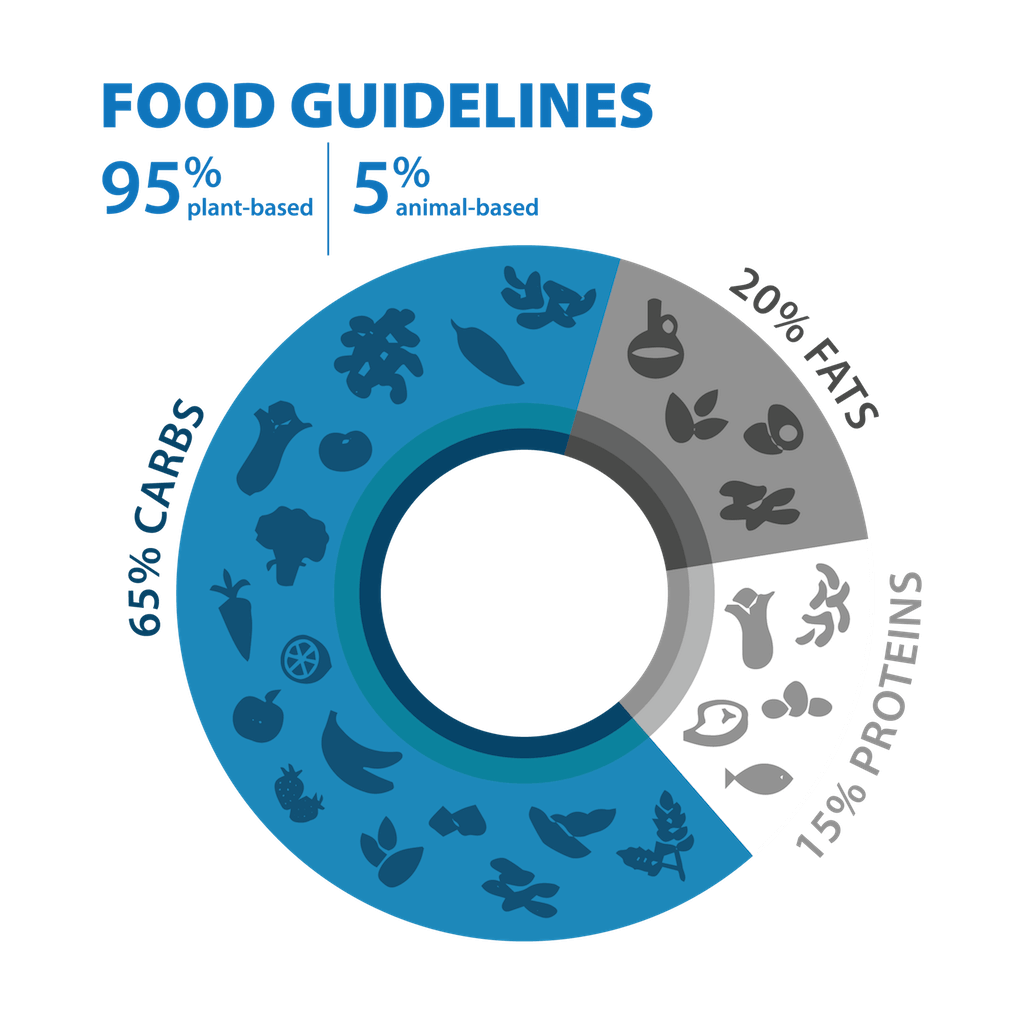
- Longevity Core: Shifting to a 95% to 100% plant-based intake mimics the habits of the world's longest-living people.
- The Bean Rule: Consuming at least 1/2 cup of legumes daily is the single most common dietary denominator among centenarians.
- Sugar Cap: Strictly limiting added sugar to a maximum of 28 grams per day helps prevent systemic inflammation and metabolic dysfunction.
- Protein Source: Prioritizing high protein plant based legumes over animal meat supports kidney health and reduces the risk of chronic disease.
- Mindset: Practicing the Okinawan principle of Hara Hachi Bu, or eating until you are 80% full, prevents overconsumption and metabolic stress.
- Health Outcomes: Adopting this lifestyle can lead to living seven to 10 years longer with significantly lower rates of cancer and heart disease.
A Blue Zone diet is a 95-100% plant-heavy eating pattern derived from the world's longest-lived populations. It focuses on beans, whole grains, and greens while limiting meat and sugar to promote cellular health and longevity. To successfully implement this lifestyle, prioritize whole plants and treat meat as a rare side dish while maintaining consistent portions of beans and healthy fats. Understanding how to start a blue zone diet meal plan begins with auditing your pantry and shifting your focus toward nutrient-dense produce and legumes that support long-term metabolic health markers.
The Science of Longevity: Telomeres and Inflammation
The fascination with centenarian populations is not just about the number of candles on their birthday cakes; it is about the quality of the years they live. As a nutrition editor, I look closely at the biological mechanisms that allow these individuals to remain mobile and mentally sharp into their 90s and 100s. One of the most compelling areas of research involves telomeres, the protective caps on the ends of our chromosomes. Shortened telomeres are a primary biomarker of cellular aging. Studies suggest that diets rich in anti-inflammatory plant-based food choices are linked to better telomere length maintenance, effectively slowing the biological clock.
Oxidative stress is another critical factor in aging. When our bodies process fuel, they produce free radicals that can damage DNA and proteins. Centenarians in regions like Nicoya or Ikaria consume a high volume of bioactive compounds and polyphenol-rich ingredients that act as natural antioxidants. By neutralizing free radicals, these compounds protect the cardiovascular system and brain. Furthermore, the Blue Zone diet is naturally low in processed ingredients, which helps maintain stable metabolic health markers like fasting insulin and blood glucose levels.
Chronic, low-grade inflammation is often called inflammaging because of its role in driving age-related diseases. By choosing ingredients like extra virgin olive oil and cruciferous vegetables, you are providing your body with the tools to modulate its inflammatory response. This transition from a pro-inflammatory Western diet to an anti-inflammatory plant-based pattern is perhaps the most significant move you can make for your long-term health.
Building Your Plate: The 95% Plant-Heavy Rule
If you are looking at how to start a blue zone diet meal plan, the most important adjustment is the ratio of plants to animals on your plate. Research into the dietary habits of Blue Zone populations reveals that approximately 95% to 100% of their food intake is plant-based, with meat consumed only about five times per month on average in portions of two ounces or less. This is a stark contrast to the standard modern diet where meat is often the centerpiece of every meal.
When you reduce meat, you must fill that nutritional gap with high protein plant based legumes for blue zone eating. Beans, lentils, and chickpeas are the cornerstones of longevity. They provide a unique combination of complex carbohydrates and protein that keeps you satiated while fueling your gut microbiome. For those transitioning, essential blue zone pantry staples for beginners should include various dried or low-sodium canned beans, brown rice, quinoa, and a high-quality extra virgin olive oil.
The 11 Quantified Rules of Blue Zone Eating
| Rule Category | Daily/Weekly Target | Longevity Goal |
|---|---|---|
| Plant Proportion | 95% to 100% of total calories | Reduce systemic inflammation |
| Legume Intake | At least 1/2 cup daily | Fiber and plant protein |
| Meat Consumption | Max 5 times per month (2 oz portions) | Lower saturated fat intake |
| Sugar Limit | Maximum 28g added sugar daily | Stabilize blood glucose |
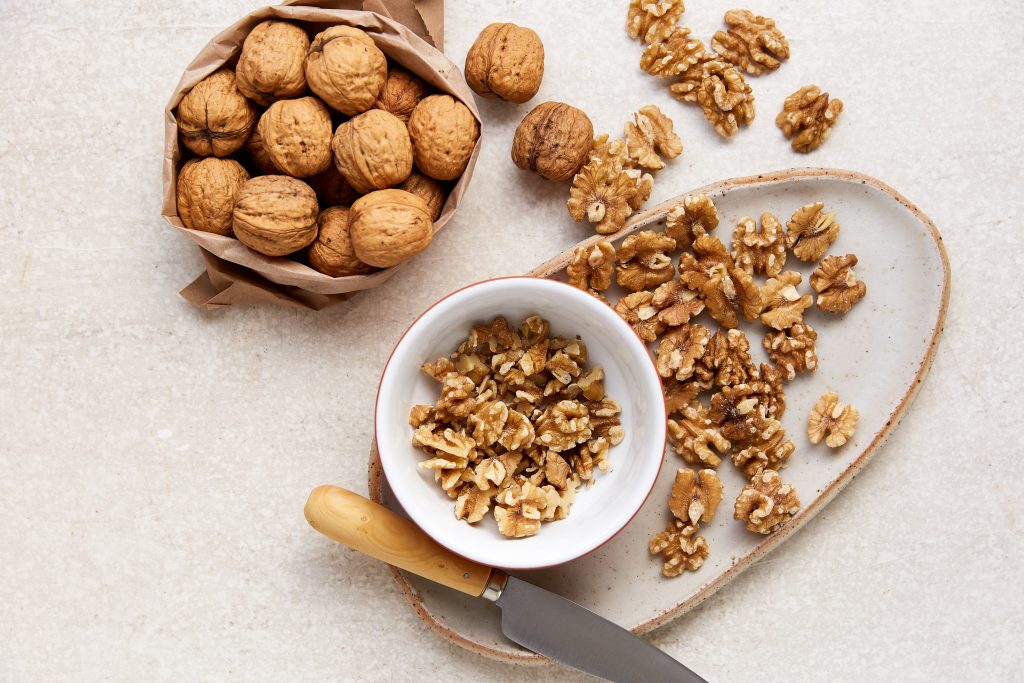
| Daily Snack | 1-2 handfuls of nuts | Healthy fats and vitamin E |
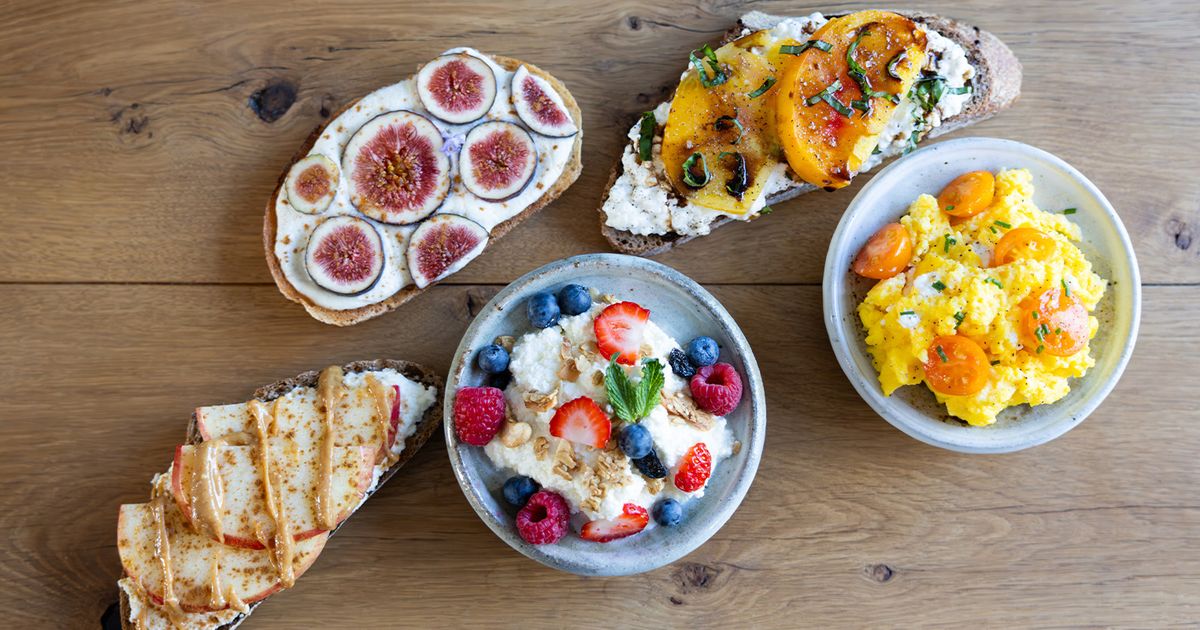
| Bread Choice | Sourdough or 100% whole grain | Low glycemic index |
| Primary Beverage | Water, coffee, or tea | Hydration without calories |
| Vegetable Focus | High intake of cruciferous vegetables | Sulforaphane for detoxification |
| Portion Control | Eat until 80% full (Hara Hachi Bu) | Weight management |
| Meal Timing | Smallest meal in late afternoon | Better sleep and digestion |
| Social Habit | Eat with others | Stress reduction |
To make Blue Zone meal planning for longevity easier, think of vegetables as your main course. Cruciferous vegetables like broccoli, cabbage, and kale should appear frequently due to their ability to support liver function and cellular repair. By centering your meals around these nutrient-dense foods, you naturally displace the processed items that contribute to weight gain and fatigue.
Managing Chronic Health: Joint Support and Sugar Reduction
One of the most immediate benefits of adopting anti-inflammatory plant-based food choices is the improvement in joint comfort and mobility. Many people struggle with joint pain as they age, often linked to high levels of inflammation and the accumulation of uric acid. High-sugar diets are a major culprit here. When we focus on reducing sugar on a longevity diet, we aren't just protecting ourselves from diabetes; we are also protecting our cartilage and connective tissues.
Specifically, there are many anti inflammatory plant based foods for joint health that are staples in Blue Zone regions. Dark berries, which are high in anthocyanins, help reduce oxidative damage in the joints. For those with a sweet tooth, low sugar blue zone dessert alternatives like fresh fruit, a small piece of dark chocolate, or nuts drizzled with a tiny amount of local honey are much better options than processed pastries. These choices keep the overall glycemic load of the diet low, preventing the insulin spikes that trigger inflammatory cascades.
A large-scale mortality study of over 131,000 adults found that replacing 15% of calories from animal protein with plant protein was associated with a 50% lower risk of death. This shift is particularly beneficial for cardiovascular function. Residents of Blue Zone regions typically live seven to 10 years longer than the average American and exhibit significantly lower rates of chronic diseases, including 20% less cancer and 50% less heart disease.

Mindful Consumption: Hara Hachi Bu and Sourdough Secrets
While what you eat is paramount, how you eat is equally important in the Blue Zone philosophy. In Okinawa, Japan, people practice the 2,500-year-old Confucian mantra known as Hara Hachi Bu. This involves applying hara hachi bu principles to daily meals by consciously stopping when the stomach feels 80% full. It takes about 20 minutes for the brain to receive the signal from the stomach that it is satiated. By slowing down and eating mindfully, you prevent the metabolic overload that comes from overeating.
Another secret to the longevity of the Sardinian Blue Zone is their traditional bread. Unlike the highly processed white bread found in modern supermarkets, they consume sourdough. Sourdough fermentation uses wild yeast and lactobacilli to break down gluten and phytates, making the nutrients more bioavailable and lowering the bread’s glycemic index. This process also supports microbiome diversity, which is a hallmark of a healthy aging body. A diverse gut microbiome is linked to a stronger immune system and even better mood regulation.
To incorporate these habits, start by using a smaller plate and turning off electronic distractions during meals. Focus on the texture and flavor of your food, and try to include fermented foods like kimchi, miso, or authentic sourdough regularly. These small behavioral shifts, combined with nutrient-dense produce, create a sustainable lifestyle rather than a restrictive temporary diet.
FAQ
What is the Blue Zone diet and how does it work?
The Blue Zone diet is an eating pattern based on the lifestyles of people in five regions where individuals live significantly longer than average. It works by emphasizing high-fiber, plant-based foods that reduce inflammation and oxidative stress while maintaining metabolic health through portion control and natural, unprocessed ingredients.
What are the 5 original Blue Zones?
The five original regions identified by researchers are Okinawa, Japan; Sardinia, Italy; Nicoya, Costa Rica; Ikaria, Greece; and Loma Linda, California. Each region has unique cultural foods, but they all share the core principles of plant-heavy eating and active, community-focused lifestyles.
Can you eat meat on the Blue Zone diet?
Yes, you can eat meat, but it is treated as a celebratory food or a small garnish rather than a primary protein source. The guideline is to limit meat consumption to about five times per month, with serving sizes no larger than two ounces, which is roughly the size of a deck of cards.
What is the difference between the Blue Zone diet and the Mediterranean diet?
While they share many similarities like the use of olive oil and vegetables, the Blue Zone diet is generally more restrictive regarding meat and dairy. It also incorporates specific habits from non-Mediterranean regions, such as the soy-based foods of Okinawa and the unique bean varieties of Costa Rica, making it a broader global longevity framework.
What are the 9 principles of the Blue Zone lifestyle?
Known as the Power 9, these principles include moving naturally, having a sense of purpose (Ikigai), downshifting stress, the 80% rule (Hara Hachi Bu), eating more beans/less meat, moderate wine consumption, belonging to a community, putting loved ones first, and surrounding yourself with healthy social circles.
How many beans should you eat daily on the Blue Zone diet?
The recommendation is to consume at least a half-cup of cooked beans or legumes every day. This provides essential fiber, protein, and complex carbohydrates that support heart health and maintain a healthy weight.
Transforming Your Kitchen for Longevity
Transitioning to this way of eating doesn't have to happen overnight. I always recommend that my readers start by swapping one animal-based meal a day for a plant-based one. Focus on mastering a few simple recipes using lentils or black beans. As you become more comfortable with Blue Zone meal planning for longevity, you will notice your cravings for highly processed, sugary foods begin to diminish.
Start by stocking these essential blue zone pantry staples for beginners:
- Extra virgin olive oil (look for cold-pressed in dark glass bottles)
- Dried lentils, chickpeas, and black beans
- Whole grains like farro, barley, and steel-cut oats
- Raw nuts and seeds (walnuts and almonds are excellent choices)
- Green and herbal teas
By surrounding yourself with these nutrient-dense options and practicing mindful eating, you are doing more than just changing your diet; you are investing in a future of vitality. Health is not just the absence of disease, but the presence of energy and the ability to enjoy life at every age. The Blue Zone path offers a scientifically backed, delicious, and sustainable way to reach that goal.