The evolution of plant-based dining has moved far beyond simple substitutions. Today, the focus is on depth, complexity, and the marriage of unexpected flavors. As a nutrition editor, I am often asked how to create a dairy-free indulgence that does not feel like a compromise. The answer lies in the pantry of Mediterranean and Middle Eastern cuisines: sesame seed paste. Known for its rich, earthy profile, tahini provides a sophisticated foundation for desserts that require both structural integrity and a nuanced savory-sweet balance.
Quick Facts
- Preparation Time: 20 mins
- Setting Time: 6 hours minimum
- Calories: 400 kcal per serving
- Base: Silken tofu for high protein
- Skill Level: Intermediate
- Key Contrast: Silky mousse vs. crispy florentine
To achieve a silky smooth vegan tahini mousse, melt high-quality dark chocolate with sesame seed paste using a double boiler to ensure proper emulsification. Blending the mixture with silken tofu for 2-3 minutes creates a light, aerated consistency that sets into a velvety texture after 6 hours of refrigeration. This method ensures that the delicate fats stabilize correctly, resulting in a professional-grade finish that satisfies the most discerning palate.
The shift toward these ingredients is backed by significant market trends. The global tahini market is projected to grow from $2.15 billion in 2024 to $3.89 billion by 2034, driven in part by its burgeoning use in sweets, bakeries, and confectioneries. This versatility is precisely why modern chefs are turning to tahini to anchor high-end vegan recipes.
Perfecting the Vegan Tahini Mousse
Creating a high-end Tahini Mousse requires an understanding of how plant-based fats interact. Unlike traditional dairy mousse which relies on heavy cream, this version utilizes the natural oils in tahini and the protein structure of silken tofu. When you are looking for how to achieve silky smooth vegan tahini mousse, the secret is in the temperature control and the duration of the blending process.
Begin by selecting a high-quality dark chocolate, ideally with a 65-80% cocoa percentage recommendation. This range provides enough bitterness to complement the nutty flavor profile of the sesame seed paste without being overwhelmed by sugar. Using a double boiler over low heat, gently melt the chocolate with the tahini. This indirect heat is vital to prevent the mixture from seizing or the delicate sesame oils from turning bitter.
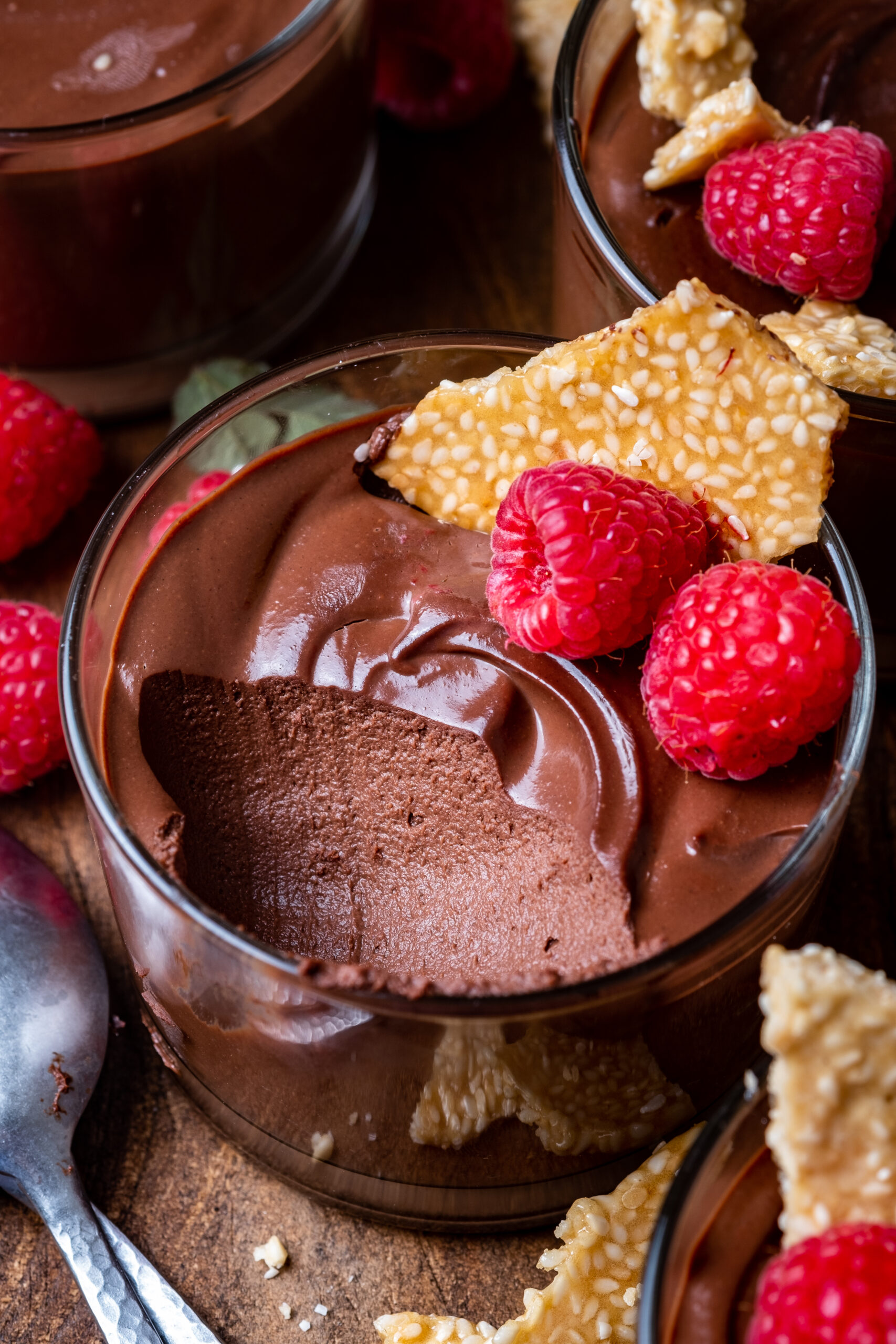
Once the chocolate and tahini have reached a glossy finish, it is time to incorporate the silken tofu. This specific type of tofu is essential because it lacks the graininess of firm varieties. For a creamy plant based tahini mousse with silken tofu, use a high-powered blender. Process the mixture until it is completely uniform—usually about two to three minutes. This step is not just about mixing; it is about aerating the mousse to create that sought-after velvety texture.
After blending, transfer the mixture into individual ramekins or a large glass bowl. The mousse must chill for at least six hours. During this time, the fats in the cacao butter and tahini solidify, creating the firm yet light dairy-free indulgence we are aiming for.
Crafting the Ginger Sesame Florentine
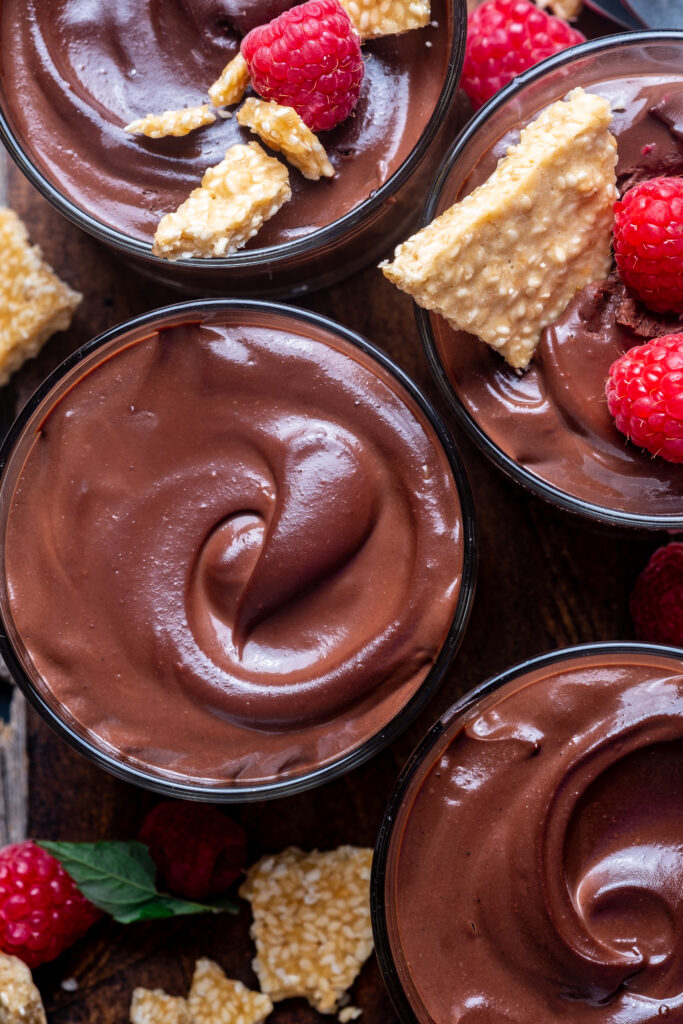
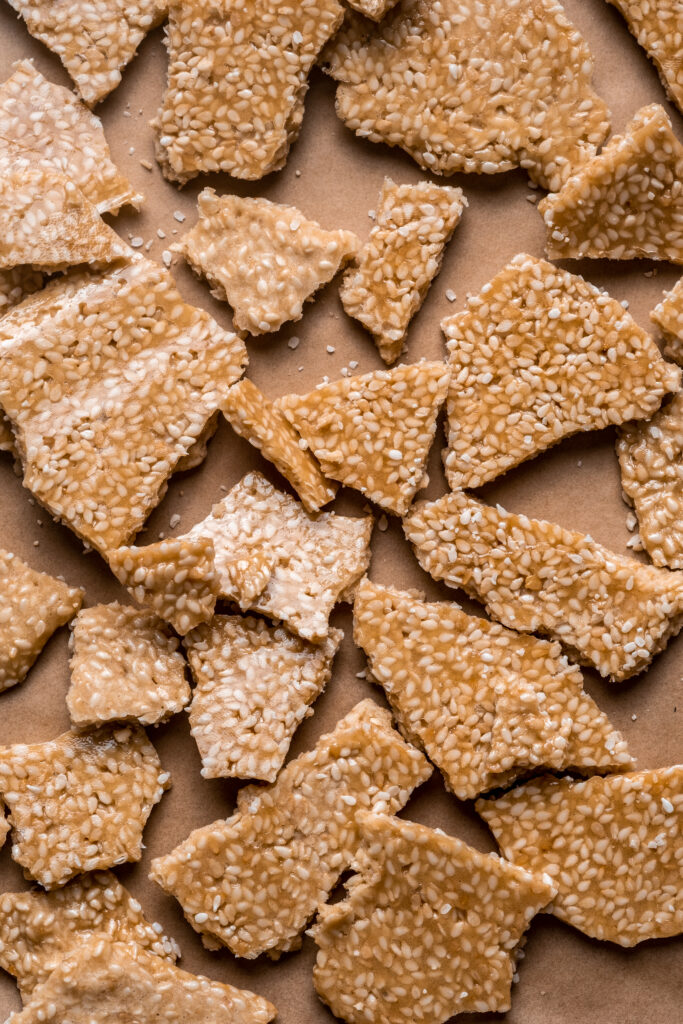
A sophisticated dessert is as much about texture as it is about taste. To elevate this Tahini Mousse, we pair it with a ginger sesame florentine recipe. This crunchy element provides the necessary snap to contrast the softness of the mousse, while the ginger adds a spicy top note that cuts through the richness of the cacao.
The bakery and confectionery application of tahini is anticipated to record a compound annual growth rate (CAGR) of 6.23% through 2033, which is the fastest growth among its primary use segments. This highlights how well sesame integrates into baked goods. For these florentines, combine maple syrup, a touch of flour (or almond flour for gluten-free), toasted sesame seeds, and ground ginger.
Spread the mixture thinly onto a baking sheet lined with parchment paper. Bake at 180°C (350°F) for approximately 10 minutes until the edges are golden brown and bubbling. As they cool, the florentines will harden into a brittle-like texture. This tahini chocolate mousse with ginger sesame florentines recipe relies on the umami undertones of the seeds to bridge the gap between the spicy ginger and the dark chocolate base.
Professional Plating: From Bowl to Bistro
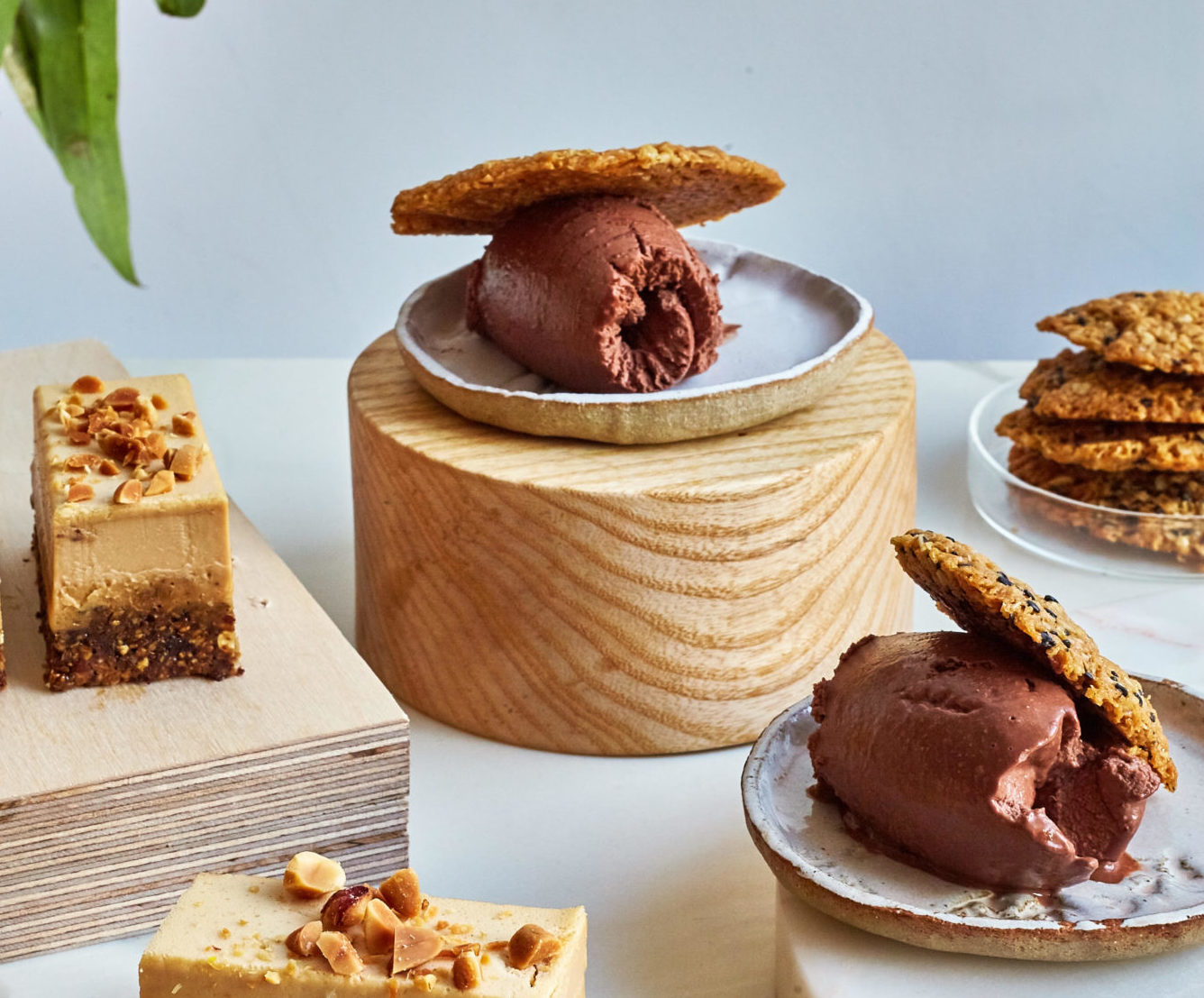
Presentation is what separates a home-cooked meal from a fine-dining experience. When serving a vegan chocolate tahini dessert, the goal is to highlight the elegance of the ingredients. One of the most effective plant-based chocolate mousse techniques is the creation of a quenelle.
To achieve this, use two large metal spoons. Dip them in a glass of hot water and wipe them dry. At a 50-degree spoon angle, scoop a portion of the mousse and gently pass it back and forth between the spoons until a smooth, three-sided oval shape is formed. These elegant plating ideas for sophisticated vegan desserts make the dish feel curated and intentional.
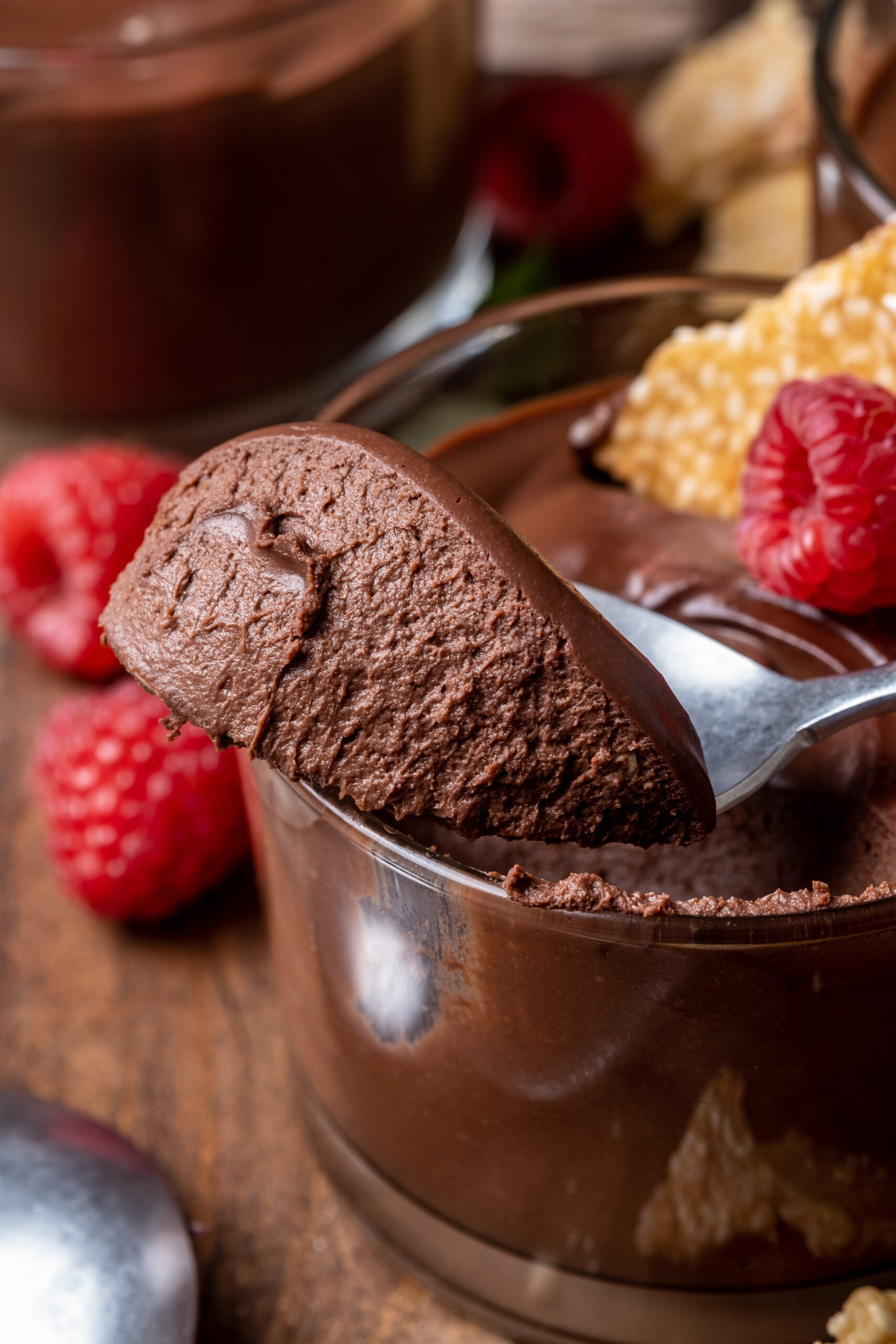
Place the quenelle in the center of a shallow bowl. Lean a fragment of the ginger sesame florentine against the side of the mousse. To finish, sprinkle a small amount of flaky sea salt over the top. The salt acts as a flavor enhancer, magnifying the savory-sweet balance of the tahini. For added visual interest, you can use tempered chocolate shavings or candied cacao nibs to introduce different shades of brown and varying degrees of crunch.
Troubleshooting: Avoiding Grittiness and Seizing
Even for experienced cooks, working with chocolate and tahini can present challenges. The primary issue people face is the mixture "seizing," where it turns from a smooth liquid into a grainy, clumpy mess. This usually happens if even a tiny amount of water gets into the melting chocolate or if the temperature is too high.
The Technical Sidebar: Handling Heat and Texture
- Prevent Seizing: Always use a dry silicone spatula and ensure the double boiler does not have steam escaping near the bowl.
- Avoid Bitterness: If the tahini is overheated, the natural oils can scorch. Maintain a low, steady heat and stir continuously.
- Texture Check: If the mousse feels too dense after blending, you may have used firm tofu instead of silken. Silken tofu is non-negotiable for achieving a light, aerated finish.
- Emulsification Failures: If the oil from the tahini separates, the blending wasn't long or vigorous enough. Re-blend the mixture while it is still warm to re-establish the emulsion.
Using hot metal spoons for perfect mousse quenelles requires patience. If the mousse is too soft, it hasn't chilled long enough. If it is too hard, let it sit at room temperature for five minutes before attempting the quenelle. Remember that the best cocoa percentage for vegan chocolate tahini mousse is high enough to provide structure; lower cocoa percentages contain more sugar and less cocoa butter, which may result in a softer set.
FAQ
What does tahini mousse taste like?
The flavor is a sophisticated blend of deep, earthy sesame and rich dark chocolate. It is less sugary than a traditional milk chocolate mousse, offering umami undertones and a nutty flavor profile that lingers on the palate.
Is tahini mousse vegan?
Yes, this specific recipe is entirely plant-based. By using dark chocolate (ensure it is dairy-free), sesame seed paste, and silken tofu as the creamy base, you create a decadent dessert without any animal products.
How do you make tahini mousse from scratch?
The process involves melting high-quality dark chocolate with tahini over a double boiler, then blending that mixture with silken tofu until it is completely smooth. The final and most important step is allowing it to set in the refrigerator for at least six hours.
What are the best pairings for tahini mousse?
Aside from the ginger sesame florentines, this mousse pairs beautifully with tart fruits like raspberries or pomegranate seeds. The acidity of the fruit cuts through the density of the fats. It also goes well with a sprinkle of toasted hazelnuts or a drizzle of extra sesame seed paste.
Why is my tahini mousse bitter?
Bitterness usually comes from two sources: either the chocolate has a very high cocoa percentage (above 85%) or the tahini was scorched during the melting process. Additionally, some brands of tahini are naturally more bitter; look for "hulled" tahini for a milder, creamier taste.