Quick Facts
- The Fiber Gap: Data indicates that only 7% of U.S. adults currently meet the daily recommended fiber intake of 14 grams for every 1,000 calories consumed.
- Soluble Fiber: This type dissolves in water to form a gel-like substance, which helps slow digestion and is vital for soluble fiber for blood sugar control in diabetics.
- Insoluble Fiber: This variety does not dissolve in water; it adds bulk to the stool and supports fiber for digestive regularity by speeding up the movement of waste.
- Heart Health: Consuming 5 to 10 grams or more of soluble fiber per day has been shown to decrease LDL cholesterol levels.
- Chronic Disease Prevention: Research shows that each additional 7 grams of daily fiber intake is associated with a 9% reduction in the risk of developing heart disease.
- Satiety: Both types of fiber promote a feeling of fullness, which is a cornerstone of effective weight management and metabolic health.
Soluble fiber dissolves in water to form a gel-like substance, slowing digestion and helping to regulate blood sugar and lower cholesterol. In contrast, insoluble fiber does not dissolve in water; instead, it adds bulk to the stool and speeds up the movement of food through the digestive tract, which supports bowel regularity and helps prevent constipation. Mastering your daily nutrient intake requires understanding how soluble vs insoluble fiber work together to support your long-term health.
Understanding the Mechanics: Soluble vs. Insoluble Fiber
To understand the difference between soluble vs insoluble fiber, we have to look at their chemical structure and how they behave once they enter your body. Soluble fiber consists of compounds like Pectins and Beta-glucans. When these encounter liquid in your stomach, they swell and transform into a thick, viscous gel. This process slows down gastric emptying, which means you feel full for longer and your body absorbs sugar more slowly.
In contrast, insoluble fiber is made up of tough plant structures like Cellulose and Lignin. Think of these as the "scrubbing brush" of the intestines. They do not dissolve or ferment as easily as their soluble counterparts. Instead, they provide the physical structure needed to move food through the system, significantly shortening the intestinal transit time.
Once fiber reaches the large intestine, it meets the gut microbiota. Here, soluble fiber acts as a prebiotic, serving as a fuel source for beneficial bacteria. As these bacteria ferment the fiber, they produce short-chain fatty acids (SCFAs). These fatty acids are remarkable because they help reduce systemic inflammation and provide energy for the cells lining your colon.
| Feature | Soluble Fiber | Insoluble Fiber |
|---|---|---|
| Water Solubility | Dissolves in water to form a gel | Does not dissolve in water |
| Primary Function | Slows digestion, lowers cholesterol | Adds bulk, prevents constipation |
| Fermentation | Highly fermentable by gut bacteria | Less fermentable |
| Common Compounds | Pectins, Beta-glucans, Gums | Cellulose, Lignin, Hemicellulose |
| Effect on Stool | Softens stool | Adds bulk and speeds up transit |
Many readers ask is soluble or insoluble fiber better for ibs symptoms. The answer is highly individualized. While soluble fiber is often gentler and helps stabilize bowel movements for those with IBS-D (diarrhea-predominant), excessive insoluble fiber can sometimes trigger bloating or discomfort during a flare-up. Balancing the two is the goal for overall gut harmony.
Health Benefits: Why Your Body Needs Both
The soluble and insoluble fiber benefits extend far beyond just avoiding a trip to the pharmacy for laxatives. When you prioritize fiber, you are essentially performing internal maintenance on your cardiovascular and metabolic systems.
One of the most well-documented advantages is the ability of soluble fiber to act as a magnet for LDL cholesterol. As the fiber forms a gel, it binds to bile acids in the small intestine. Since bile acids are made from cholesterol, your liver has to pull cholesterol out of your blood to make more bile, effectively lowering your overall levels. This is why soluble fiber foods for lowering cholesterol, such as oats and beans, are staples in heart-healthy diets.
For those managing metabolic health, soluble fiber for blood sugar control in diabetics is a game-changer. By slowing down the rate at which carbohydrates are digested, fiber prevents the sharp "spikes" in blood glucose and insulin that can damage arteries over time. Furthermore, fiber intake stimulates the release of hormones like GLP-1, which enhances satiety and helps naturally regulate appetite.
Meanwhile, insoluble fiber for chronic constipation relief is indispensable. By increasing fecal bulk and stimulating the intestinal lining to secrete water and mucus, it ensures that waste moves efficiently. This mechanical action reduces the pressure within the colon, which can lower the risk of developing diverticular disease and even colorectal cancer.
Symptom-to-Fiber Mapping
- Experiencing loose stools? Focus on soluble fiber (oats, bananas, peeled apples) to absorb excess water and firm up the stool.
- Dealing with infrequent movements? Increase insoluble fiber (wheat bran, leafy greens, skin-on vegetables) to trigger transit and add bulk.
- Struggling with mid-afternoon hunger? Combine both types to maximize satiety and stabilize blood sugar.
The Ultimate Guide to Food Sources
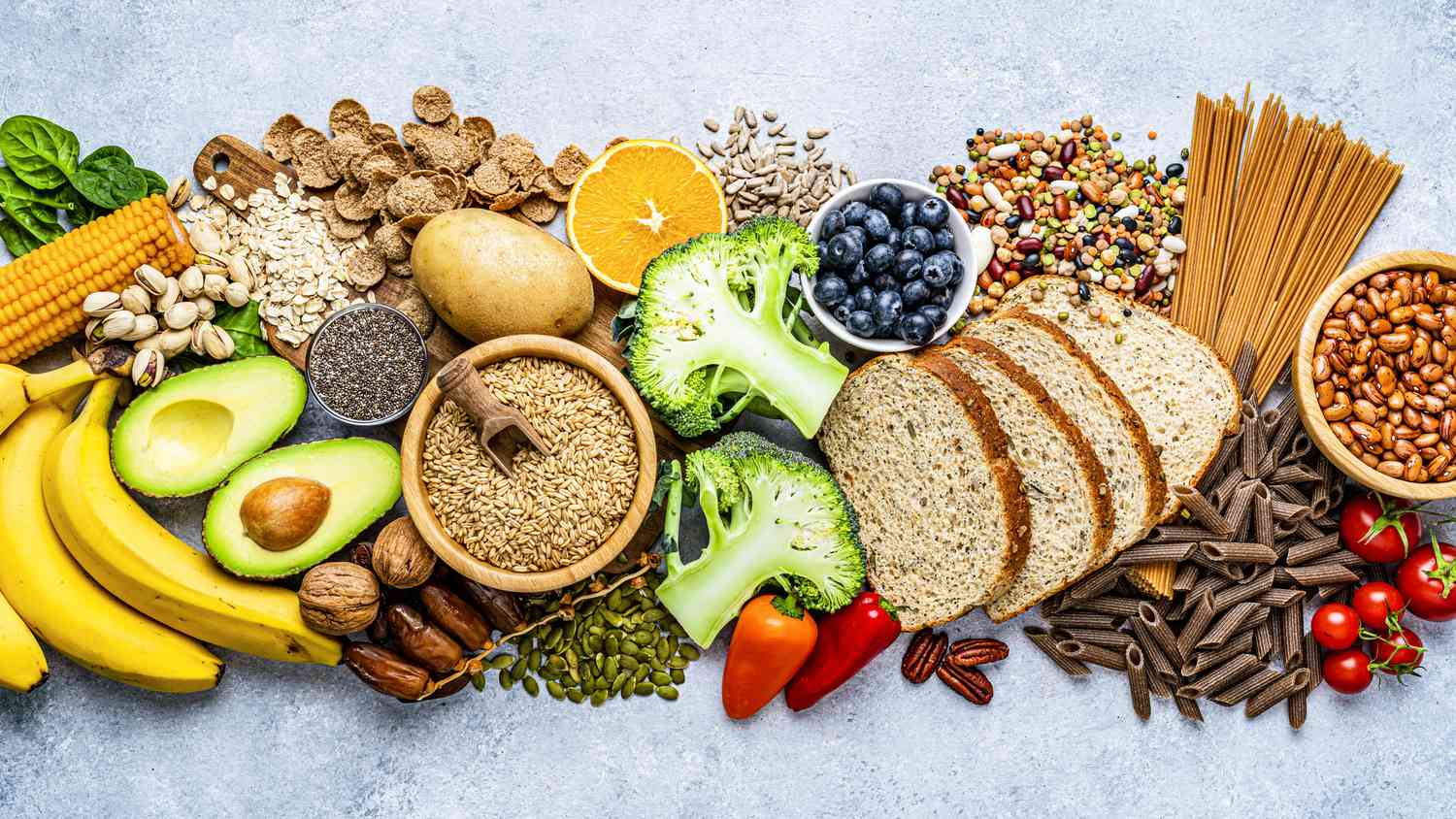
Most plants contain a mixture of both types, but certain foods are particularly high in one or the other. To bridge the fiber gap, it is helpful to know the best food sources of soluble and insoluble fiber so you can mix and match throughout the day.
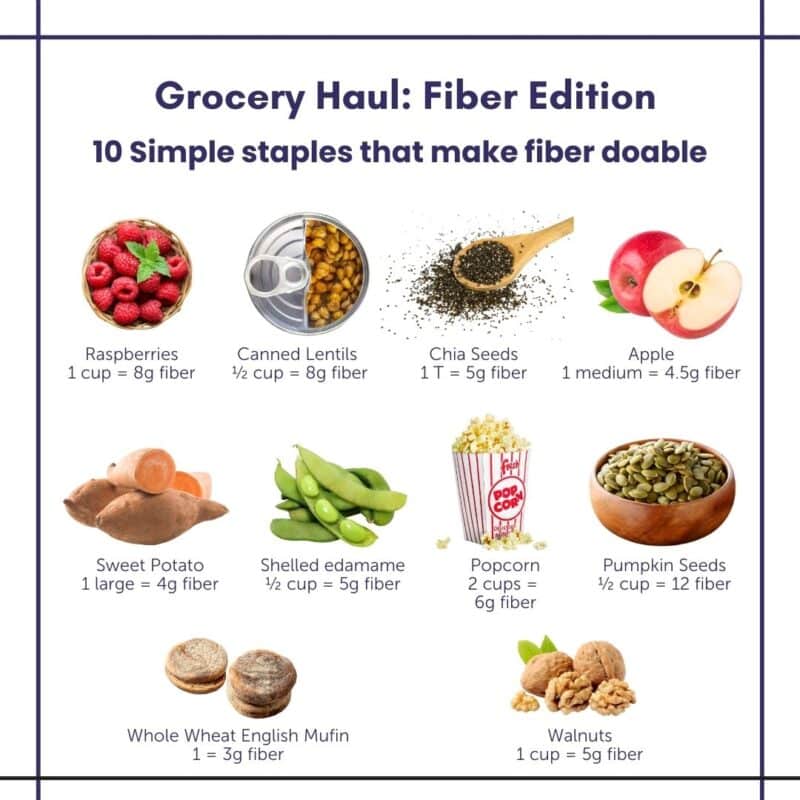
Below is a breakdown of soluble and insoluble fiber food sources with their approximate fiber content per serving:
| Food Item | Primary Fiber Type | Total Fiber Count |
|---|---|---|
| Lentils (1/2 cup cooked) | Both | 8 grams |
| Raspberries (1 cup) | Insoluble | 8 grams |
| Black Beans (1/2 cup cooked) | Soluble | 7.5 grams |
| Oatmeal (1 cup cooked) | Soluble | 4 grams |
| Chia Seeds (2 tbsp) | Both | 10 grams |
| Apple (1 medium with skin) | Both | 4.5 grams |
| Broccoli (1 cup chopped) | Insoluble | 5 grams |
| Wheat Bran (1/2 cup) | Insoluble | 12 grams |
| Avocado (1 medium) | Both | 13 grams |
When looking at this list, remember that the Dietary Guidelines for Americans suggest variety. Don't just stick to oats every morning; rotate in chia seeds, berries, and whole-wheat toast to ensure you are getting a broad spectrum of Pectins, Cellulose, and other beneficial plant compounds.
Implementation Strategy: How to Increase Fiber Intake Safely
If you are currently part of the 93% of the population not meeting your goals, don't try to double your intake overnight. A sudden influx of fiber can lead to significant gas, bloating, and abdominal cramping. As a nutrition editor, I always recommend the "Slow-Ramp" protocol.
Start by adding just 2 to 3 grams of fiber to your daily routine every few days. For example, add a tablespoon of ground flaxseeds to your yogurt on Monday. By Thursday, keep the flaxseeds but swap your white rice for brown rice at dinner. This gradual increase gives your gut microbiota time to adapt to the new workload.
The most critical rule when increasing fiber is hydration. Fiber functions like a sponge; it needs water to move through your system. Without enough fluid, fiber can actually lead to "internal traffic jams" and worsen constipation. Aim for at least 64 oz of water daily, increasing that amount as your fiber intake climbs.
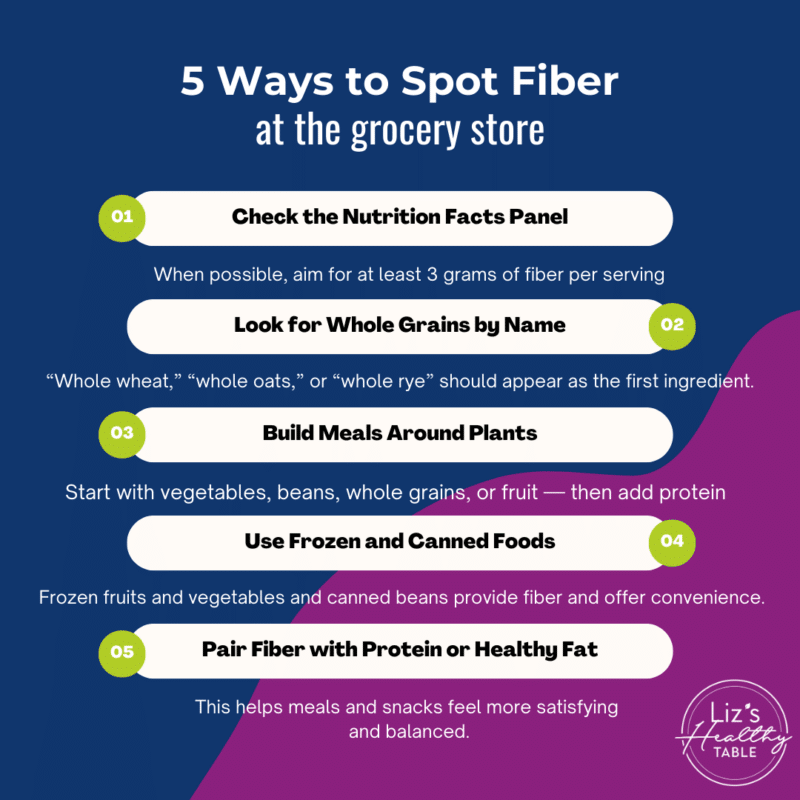
Finally, be mindful of "added" fibers on food labels. While plant-based nutrition from whole foods is always superior, many packaged goods now include functional fibers like chicory root (inulin) or corn fiber. While these can help you hit your numbers, they may not offer the same satiety or cholesterol-lowering benefits as the fiber found naturally in a bowl of lentils or a crisp apple. Focus on whole, minimally processed plants to get the best results.
FAQ
What is the main difference between soluble and insoluble fiber?
The primary difference lies in how they interact with water. Soluble fiber dissolves in water to create a gel-like substance that slows digestion and improves metabolic health markers. Insoluble fiber does not dissolve and remains relatively intact, acting as a bulking agent to assist in moving waste through the digestive tract.
Which type of fiber is best for relieving constipation?
Insoluble fiber is generally considered the best for relieving constipation because it adds physical bulk to the stool and stimulates the movement of the intestines. However, soluble fiber is also important because it keeps the stool soft and easy to pass. A combination of both is most effective for long-term fiber for digestive regularity.
What are common examples of soluble and insoluble fiber foods?
Excellent sources of soluble fiber include oats, barley, beans, lentils, apples, and citrus fruits. High-quality sources of insoluble fiber include whole wheat products, wheat bran, nuts, seeds, and vegetables such as cauliflower, green beans, and potatoes with the skin on.
Does soluble fiber help with weight loss?
Yes, soluble fiber is highly effective for weight management because it slows the rate of gastric emptying. This means it takes longer for your stomach to empty into the small intestine, keeping you feeling fuller for a longer duration after a meal. It also helps regulate appetite hormones like GLP-1.
Which type of fiber is more effective for lowering cholesterol?
Soluble fiber is the clear winner for heart health and cholesterol management. Because it forms a gel that binds to bile acids and cholesterol in the digestive tract, it prevents them from being reabsorbed into the bloodstream, thereby lowering LDL cholesterol levels.