Quick Facts
- The Verdict: Salt is an essential nutrient required for life, but balance is key to avoiding metabolic dysfunction.
- Myth Source: Much of the modern fear regarding salt stems from flawed 1960s studies where rats were given human-equivalent doses of 500 grams of sodium daily.
- Daily Limit: The World Health Organization recommends a limit of less than 2000mg, but these needs vary significantly for athletes and those on specific diets.
- Heart Impact: Excessively low salt intake can trigger hormones like renin and aldosterone, which may ironically raise blood pressure and increase cardiac stress.
- Hydration Role: Sodium acts as the primary electrolyte for retaining water within cells and maintaining blood volume.
- Food Sources: The vast majority of problematic sodium comes from ultra-processed goods rather than the salt shaker on your dining table.
While high sodium intake is clearly linked to hypertension in salt-sensitive individuals, the idea that salt is universally bad for everyone is one of the most common sodium intake myths. Research suggests that for many, especially active individuals and those focusing on whole foods, salt is vital for maintaining metabolic health and fluid homeostasis.
The Salt Paradox: Why We Need What We Fear
For decades, salt has been the primary villain in the story of heart health. We have been told to put down the shaker, choose the "low-sodium" option, and treat salt as a chemical threat. However, as our understanding of nutrition science evolves, we are finding that the relationship between sodium and the human body is far more complex than a simple "less is better" equation.
Sodium is an essential mineral. It is not an optional additive; it is a fundamental requirement for the potassium-sodium pump that allows every cell in your body to function. From the electrical signals that make your heart beat to the transport of nutrients into your small intestine, sodium is the silent engine of your physiology.
The current global landscape of salt consumption is indeed skewed. According to data from the World Health Organization, the global average dietary sodium intake for adults is estimated at 4,310 mg per day, which is more than double the recommended daily limit. However, the source of this salt matters. It is estimated that approximately 70% to 75% of dietary sodium intake in the United States is derived from packaged and restaurant foods, where it is often combined with refined sugars and inflammatory seed oils.
To understand the health benefits of salt, we must look beyond the processed food industry and examine how sodium works in a healthy, active body.
Myth 1: Salt is Universally Bad for Heart Health
The most pervasive of all sodium intake myths is the idea that the less salt you eat, the healthier your heart will be. This linear logic—that salt raises blood pressure, and high blood pressure causes heart attacks, therefore zero salt equals zero risk—is scientifically incomplete.
When you drastically restrict sodium, your body does not just sit idly by. It perceives the drop in sodium as a threat to your blood volume. In response, the kidneys activate the renin-angiotensin system. This triggers the release of aldosterone, a hormone that forces your body to hold onto every molecule of sodium it can find. The problem is that elevated levels of aldosterone and renin are themselves linked to inflammation and increased cardiovascular strain.
Myth vs. Fact
- Myth: Everyone should reduce their salt intake as low as possible to prevent heart disease.
- Fact: Extreme sodium restriction can trigger the renin-angiotensin system, potentially increasing the risk of heart-related events by stressing the hormonal systems that regulate blood volume.
Modern research often points to a "J-shaped" curve regarding sodium and heart health. This means that while very high levels of sodium are risky, very low levels are also associated with an increased risk of cardiovascular events. For many, finding the "sweet spot" in the middle is the key to longevity. Furthermore, the early 1960s research by Lewis Dahl, which initially linked salt to hypertension, involved giving rats doses of sodium that would be the equivalent of a human eating massive, impossible amounts of salt daily. These flawed foundations helped build a culture of fear that ignored the vital role of sodium and heart health in a balanced context.

Myth 2: Salt Causes Dehydration
We have all felt the thirst that follows a salty meal. Because of this, many people believe that salt "dries you out" or causes systemic dehydration. In reality, the opposite is true: sodium is the primary tool the body uses for sodium for hydration and fluid management.
Sodium regulates osmotic pressure. This is the process that keeps water inside your cells and within your blood vessels. Without sufficient sodium, the water you drink simply passes through you, leading to frequent urination and a lack of actual cellular hydration. This is why high-performance athletes don't just drink plain water; they use electrolytes to ensure the water actually reaches their muscles.
Myth vs. Fact
- Myth: Eating salt causes dehydration and is bad for your kidneys.
- Fact: Sodium is essential for fluid homeostasis. It allows your body to retain water effectively, preventing the "flushing out" of essential minerals.
For those who struggle with morning grogginess, the benefits of drinking salt water in the morning (often just a pinch of high-quality salt in a glass of water) can be transformative. It helps restore blood volume after a night of fasting and supports the adrenal glands. Furthermore, the role of sodium in muscle contraction and cramps cannot be overstated. When your sweat rate is high, you lose sodium rapidly. If you don't replace it, your nerves cannot signal your muscles correctly, leading to those painful spasms known as heat cramps.
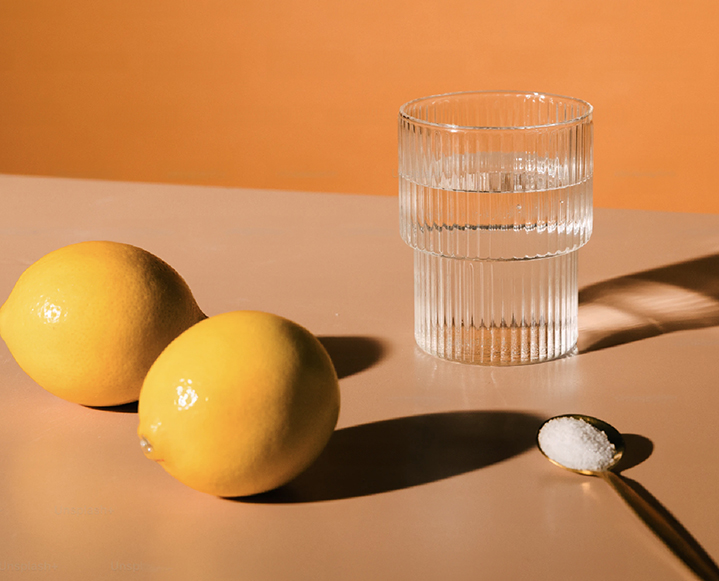
If you are an active individual, you might consider a diy sugar free electrolyte drink recipe. Simply mix 16 ounces of water, 2 tablespoons of lemon juice, and 1/4 teaspoon of sea salt. This provides the necessary sodium for hydration without the added sugars found in commercial sports drinks.
Myth 3: Everyone Needs a Low-Sodium Diet
Public health guidelines are often written for the "average" person, who is statistically likely to be sedentary and consuming a diet high in processed foods. However, this advice fails to account for specific populations who actually require more salt than the standard recommendation.
One such group consists of those on a ketogenic or low-carb diet. When you reduce carbohydrates, your insulin levels drop. Low insulin signals the kidneys to release water and, along with it, sodium. This rapid loss of electrolytes is the primary cause of the "keto flu," a period of fatigue and brain fog that occurs when starting the diet. In this case, managing keto flu with salt intake is not just a suggestion; it is a metabolic necessity.
Myth vs. Fact
- Myth: Low-sodium diets are the gold standard for everyone, regardless of lifestyle.
- Fact: Athletes, manual laborers, and those on ketogenic diets often require significantly more sodium to maintain energy and prevent the impact of low salt intake on bone density.
Additionally, we must consider the impact of low salt intake on bone density. When the body is chronically low on sodium, it may begin to leach minerals from the bones to maintain blood pH and electrolyte balance. For someone already at risk for osteoporosis, a restricted salt diet could potentially do more harm than good. A sodium deficiency can also lead to orthostatic hypotension—that dizzy feeling when you stand up too fast—because your blood volume is too low to reach your brain quickly.

The Salt Hierarchy: Table Salt vs. Sea Salt vs. Himalayan Pink Salt
Not all salt is created equal. The salt you find in a standard shaker is often highly refined, stripped of trace minerals, and treated with anti-caking agents. While it provides the necessary sodium, it lacks the broader nutritional profile of unrefined salts.
Himalayan pink salt has gained popularity because it contains over 80 trace minerals, including magnesium and potassium. While these minerals are present in small amounts, they contribute to a more balanced electrolyte profile. However, refined table salt does have one advantage: iodine. Since the 1920s, iodized salt has been a primary tool in preventing goiters and thyroid dysfunction. If you switch entirely to gourmet salts, ensure you are getting iodine from other sources like seaweed, eggs, or seafood.
| Feature | Table Salt | Himalayan Pink Salt | Sea Salt |
|---|---|---|---|
| Processing | Highly refined | Mined, minimal processing | Evaporated sea water |
| Iodine | Often added | Trace amounts only | Varies, usually low |
| Trace Minerals | None (stripped) | High (Magnesium, Iron, etc.) | Moderate |
| Texture | Fine, uniform | Coarse to fine | Flaky or coarse |
| Anti-caking Agents | Usually present | None | Sometimes present |
For those looking for a consistent way to mineralize their bodies, the "Sole Water" method involves saturating water with Himalayan pink salt and taking a teaspoon of the concentrated solution daily. This ensures you are getting a steady supply of electrolytes to support the potassium-sodium pump and general metabolic health.
Safety Warning
While salt is essential, individuals diagnosed with Congestive Heart Failure (CHF) or those currently taking corticosteroids should consult their physician before increasing salt intake. In these specific medical contexts, the body’s ability to manage fluid is compromised, and excess sodium can lead to dangerous edema or internal pressure.
Taking Action for Better Health
The path to health isn't about eliminating salt; it's about eliminating the hidden salt in processed foods and reclaiming the salt shaker for your own kitchen. By focusing on whole, single-ingredient foods, you naturally reduce your intake of hidden sodium and can safely season your meals to taste.
Implementing cost-effective sodium reduction policies at a governmental level could save an estimated 7 million lives globally by the year 2030, but as an individual, your focus should be on quality and context. Listen to your body’s thirst signals, consider your activity levels, and don't be afraid of the mineral that has been the cornerstone of human health for millennia.
FAQ
Is it true that everyone needs to lower their sodium intake?
No. While the average person consuming a Western diet of processed foods likely gets too much sodium, athletes, those in hot climates, and people on low-carbohydrate diets may actually need to increase their intake to maintain health and performance.
Are there any health risks to a very low-sodium diet?
Yes. Extremely low sodium intake can lead to a condition called hyponatremia, trigger the renin-angiotensin-aldosterone system (raising blood pressure), and potentially lead to insulin resistance and decreased bone density.
Is Himalayan pink salt better for your blood pressure?
Himalayan pink salt contains trace minerals like potassium and magnesium which can help balance the effects of sodium, but it is still primarily sodium chloride. It is not a "cure" for high blood pressure, though it is a less processed alternative to standard table salt.
Can you have a sodium deficiency from eating too little salt?
Yes, though it is rare in those eating a standard diet. Symptoms of sodium deficiency include dizziness upon standing, fatigue, muscle cramps, and headaches. This is particularly common in endurance athletes who replace lost fluids with plain water but fail to replace lost salt.
Does salt cause high blood pressure in everyone?
No. There is a phenomenon known as salt sensitivity. Some individuals see a significant rise in blood pressure with salt intake, while others (often called salt-resistant) see very little change. Factors like potassium intake, weight, and overall metabolic health play a significant role in how your body responds to salt.