Quick Facts
- Heart Health: Research indicates that vegetarians have a 22% lower risk and pescatarians have a 13% lower risk of coronary heart disease compared to meat eaters.
- Environmental Impact: Adopting a vegan lifestyle can be a powerful climate action, as greenhouse gas emissions from vegan diets are approximately 50% lower than meat-heavy diets, while vegetarianism offers a 35% reduction.
- Global Adoption: Roughly 22% of the global population—nearly 1.5 billion people—now follow some form of vegetarian diet, reflecting a massive shift in global food culture.
- Weight Management: Switching to plant based diets is often effective for body composition, with studies suggesting an average 7.5% reduction in total body weight for those adhering to whole-food versions.
- Nutrient Monitoring: While beneficial, these plans require attention to detail; for instance, up to 50% of vegans may face Vitamin B12 deficiency without appropriate supplementation or fortified foods.
- Gut Health: Transitioning to plant-heavy eating can trigger positive changes in microbiome diversity within as little as 24 hours.
Choosing between the various plant based diets requires a balance of your health goals, ethical values, and lifestyle preferences. When evaluating vegan vs vegetarian vs pescatarian options, the primary distinction lies in the inclusion of animal-derived products: vegans exclude all animal products, vegetarians typically include dairy and eggs, and pescatarians include fish and seafood to enhance protein and fatty acid intake. Understanding how to choose between vegan vegetarian and pescatarian diets involves looking beyond what is excluded and focusing on the nutritional density of the whole foods you include to support long-term wellness.
The Spectrum of Plant-Based Eating
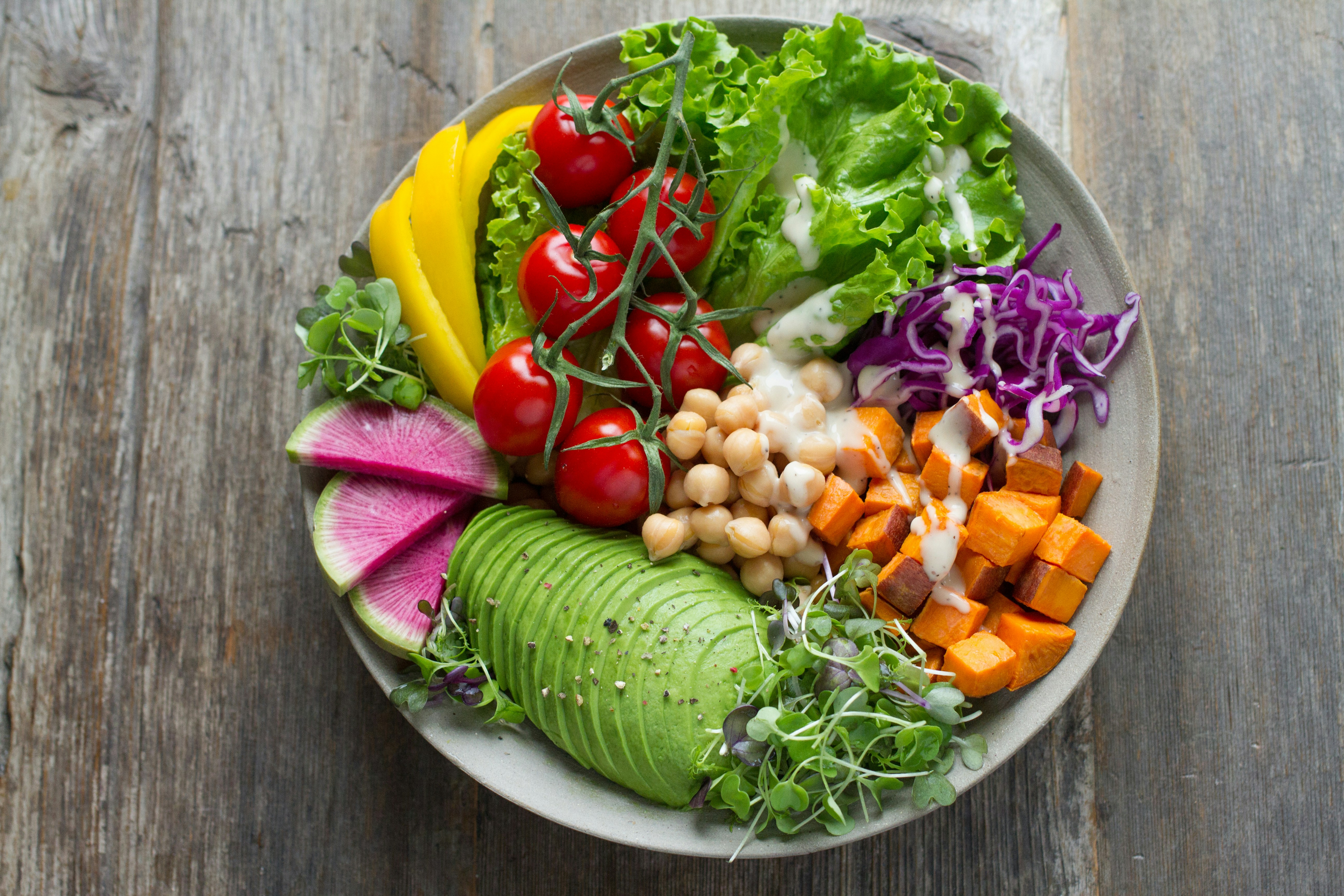
The term plant based diets has evolved into a broad umbrella that covers several distinct eating patterns. At its core, the movement focuses on maximizing the intake of foods derived from plants—such as fruits, vegetables, nuts, seeds, and grains—while minimizing or eliminating animal products. However, the degree of restriction varies significantly across the spectrum, and understanding these nuances is the first step in deciding which path fits your life.
On one end of the spectrum is veganism. This is often more than a diet; it is a lifestyle rooted in animal welfare ethics. Vegans eliminate all animal products, including meat, poultry, fish, dairy, eggs, and often secondary products like honey or gelatin. In terms of daily eating, this means a total reliance on plant sources for all macro and micronutrients.
In the middle of the spectrum, we find the most common variation: Lacto-ovo vegetarianism. These individuals exclude meat, poultry, and fish but continue to eat dairy (lacto) and eggs (ovo). This flexibility often makes the transition from a traditional Western diet much easier for many people, as it allows for familiar protein sources and more options when dining out.
Pescatarianism sits at the most inclusive end of the plant-based spectrum. While pescatarians do not eat land-based meats like beef, pork, or chicken, they do incorporate fish and seafood into their meals. This approach is frequently viewed as a middle ground that provides the heart-health benefits of plant-heavy eating while simplifying the challenge of meeting certain nutrient requirements, such as high-quality protein and specific fats.
| Diet Type | Red Meat & Poultry | Fish & Seafood | Eggs & Dairy | Plant Foods |
|---|---|---|---|---|
| Vegan | Excluded | Excluded | Excluded | Primary Source |
| Vegetarian | Excluded | Excluded | Included | Primary Source |
| Pescatarian | Excluded | Included | Included | Primary Source |
Nutritional Differences and Potential Gaps
When we analyze the nutritional differences in plant-based diets, we move into the territory of micronutrient bioavailability. This refers to how easily your body can absorb and use the nutrients you consume. While plants are packed with vitamins and minerals, some nutrients are simply more accessible in animal forms, creating what I often call the Nutrient Paradox: the diet that offers the greatest metabolic gains (like improved insulin sensitivity) may also present the highest risk for certain neurological or circulatory deficiencies if not managed correctly.
The most prominent concern for those on the stricter end of the spectrum is Vitamin B12 deficiency. Since B12 is primarily found in animal products, vegans must be diligent about using fortified cereals, nutritional yeast, or supplements to prevent fatigue and nerve damage. Vegetarians have a slight advantage here, as they can obtain B12 from eggs and dairy, though many still find their levels are lower than optimal.
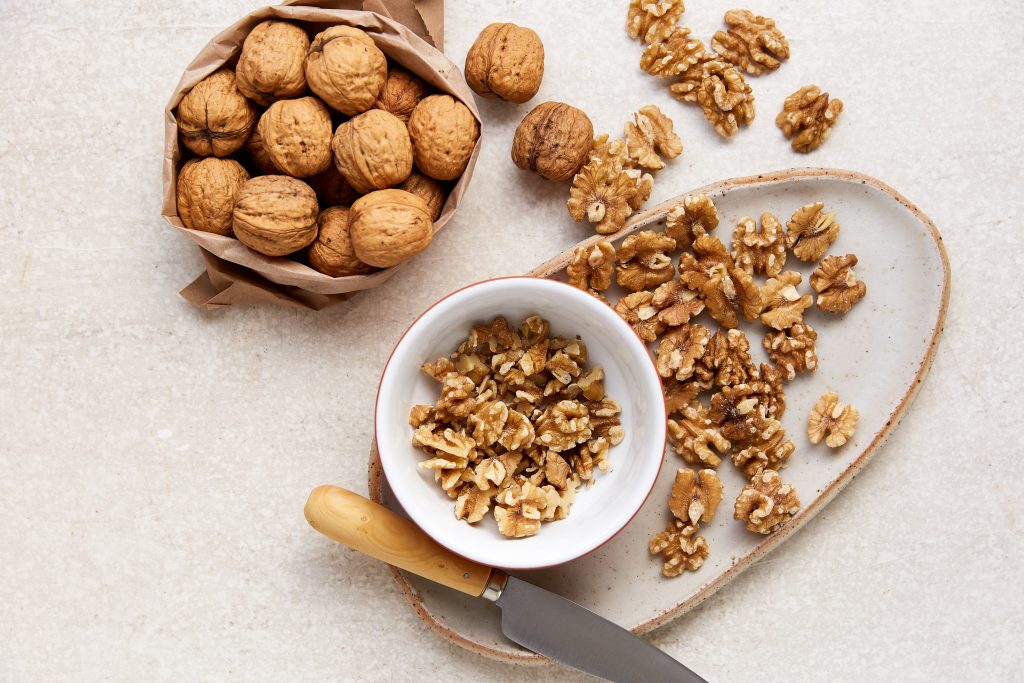
Another critical area involves Omega-3 fatty acids, specifically DHA and EPA, which are vital for brain health and reducing inflammation. While plants provide ALA (found in flaxseeds and walnuts), the conversion rate to DHA and EPA in the human body is quite low. This is where we see major nutritional differences between vegan and pescatarian meal plans. Pescatarians obtain these essential fats directly from oily fish like salmon or mackerel, whereas vegans and vegetarians may need to look toward algae-based supplements to fill the gap.
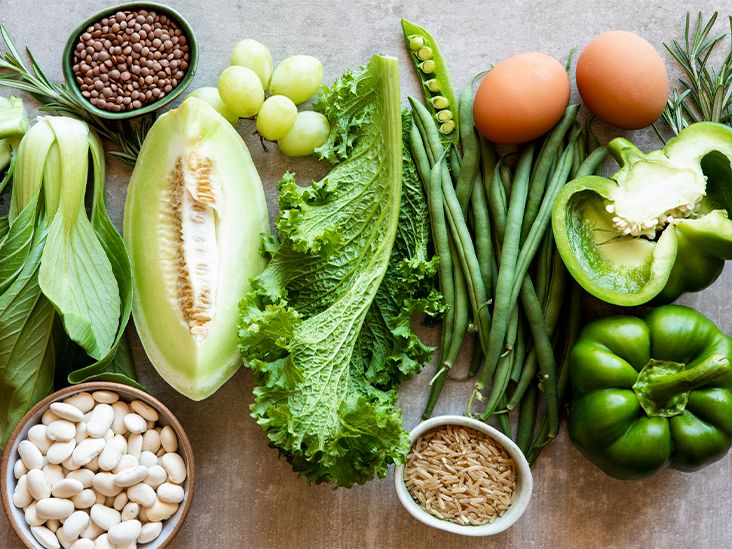
Iron and zinc also require attention. While plant based diets are often high in iron, it is non-heme iron, which is less readily absorbed than the heme iron found in meat. To improve absorption, it is essential to pair iron-rich legumes and pulses with Vitamin C-rich foods like citrus or bell peppers.
- Nutrient Watchlist:
- Vitamin B12: Essential for nerve function; vegans require supplements or fortified foods.
- Omega-3s: Crucial for heart and brain health; easily found in fish, requires algae or seeds for others.
- Iron: Focus on lentils and spinach, but always pair with Vitamin C to boost bioavailability.
- Calcium: Not just in dairy; look to bok choy, kale, and fortified plant milks.
- Vitamin D: Often lacking in everyone, but especially those avoiding dairy; consider sunlight and supplements.

Health Impacts: Weight Loss and Chronic Disease
The scientific consensus on the health benefits of moving toward a plant-heavy diet is strong. Large-scale observational studies have consistently shown that those who limit meat intake enjoy a higher level of chronic disease prevention. For instance, vegetarians have been shown to experience a 24% reduction in mortality from ischemic heart disease. This is likely due to a combination of lower saturated fat intake and a significantly higher intake of fiber and antioxidants.
When considering the pros and cons of plant based diets for weight loss, the results are encouraging. Many individuals see a reduction in total body weight because plant-heavy meals tend to be less calorie-dense while being higher in volume and fiber. This helps promote satiety, making it easier to maintain a calorie deficit without feeling deprived. Fiber also plays a vital role in fostering microbiome diversity. A diverse gut fleet is linked to better weight management and a stronger immune system.
However, a common pitfall is the junk food vegan trap. Just because a cookie or a bag of chips is vegan or vegetarian doesn't mean it is healthy. Highly processed plant-based meat substitutes and snacks can be loaded with sodium and refined oils, which can negate the heart-health benefits. To truly see the 7.5% weight reduction mentioned in clinical research, the focus must remain on whole food plant-based choices.
A frequent question in clinical circles is: is a pescatarian diet healthier than a vegetarian diet? There is no single answer, but for many, the pescatarian approach offers a slight edge in heart health due to the consistent intake of Omega-3s. The combination of a plant-heavy base with occasional seafood consumption provides a robust profile of high-quality protein and healthy fats that can be easier to sustain for the average person over a lifetime.

Decision Matrix: How to Choose Your Plan
Choosing the right path isn't just about nutrition; it's about how the diet fits into your daily life and aligns with your values. If your primary motivation is animal welfare ethics and minimizing your environmental footprint, a vegan diet is the most direct way to align your plate with your principles. However, this path requires the most planning and social navigation.
If you are looking for a more flexible entry point, the vegetarian route—specifically lacto-ovo vegetarianism—is often the most sustainable for long-term adherence. It allows for more variety in social settings and provides a wider safety net for essential nutrients like calcium and B12.
For many of my clients, a transitioning from pescatarian to vegan lifestyle guide starts with the pescatarian phase. This "bridge" diet allows you to cut out land-based meats—the biggest contributors to environmental strain—while keeping the high-quality protein and ease of cooking that fish provides. If you choose this route, I recommend focusing on sustainable seafood sourcing to ensure your choices are also ocean-friendly.

Ultimately, there is no one-size-fits-all. Some people thrive on a strict vegan plan, while others find their energy levels are much better with the occasional inclusion of eggs or fish. Before making a permanent shift, I highly recommend a registered dietitian consultation. A professional can help you run blood panels to check your baseline nutrient levels and design a meal plan that prevents the common deficiencies mentioned earlier.
Regardless of which label you choose, the most important factor for your health is the quality of the plants you consume. Focus on a colorful variety of vegetables, legumes and pulses, and whole grains. By prioritizing these nutrient-dense foundations, you can reap the rewards of plant based diets while ensuring your body has everything it needs to flourish.

FAQ
What is the difference between a vegan and a plant-based diet?
While the terms are often used interchangeably, a vegan diet is a strict exclusion of all animal products, often motivated by ethics. A plant-based diet is a broader term that focuses on consuming mostly plants but may occasionally include small amounts of animal products depending on the individual's specific plan.
How do I get enough protein on a plant-based diet?
Protein is abundant in the plant kingdom if you know where to look. Key sources include legumes and pulses like lentils, chickpeas, and black beans, as well as soy products like tofu and tempeh. Nuts, seeds, and even some whole grains like quinoa also contribute significantly to your daily protein requirements.
Can you lose weight by following a plant-based diet?
Yes, many people experience weight loss when transitioning to plant-heavy eating. This is primarily due to the high fiber content and lower calorie density of whole plant foods, which helps you feel full on fewer calories. However, success depends on choosing whole foods over processed vegan snacks.
Do I need to take supplements on a plant-based diet?
While many nutrients can be found in plants, certain ones are harder to obtain. Vegans almost always need a Vitamin B12 supplement. Depending on your specific food choices and sun exposure, you might also consider Vitamin D, Omega-3 (algae-based), and potentially zinc or iodine.
How do I start a plant-based diet for beginners?
The best way to start is with small, manageable swaps. Try "Meatless Mondays" or replace your dairy milk with an almond or oat alternative. Focus on adding more vegetables to the meals you already enjoy rather than trying to overhaul your entire kitchen overnight. Gradually increasing your fiber intake will also help your digestive system adjust.