Quick Facts
- Definition: A plant-based eating pattern that excludes meat and dairy while allowing the consumption of eggs.
- Key Health Benefit: Research indicates a 34% lower coronary heart disease mortality rate compared to those who eat meat regularly.
- Protein Quality: Provides high-quality protein through egg albumin and plant-based staples like tofu, which offers 20g of protein per half-cup.
- Nutrient Gap Management: Addresses potential deficiencies in brain-boosting choline and vitamin D commonly found in stricter vegan diets.
- Cancer Risk: Large-scale studies show that vegetarians have an 18% lower cancer incidence than omnivores.
- Sustainable Eating: Offers a lower environmental footprint than meat-heavy diets while providing animal-sourced micronutrients.
- Economic Value: Home-cooked plant-based and egg-inclusive meals average approximately $4.31 per serving.
An ovo-vegetarian diet is a plant-based eating pattern that excludes all meat, poultry, seafood, and dairy products but specifically includes eggs. This diet focuses on whole grains, legumes, fruits, vegetables, nuts, and seeds as primary energy sources. It provides a versatile alternative for those wanting to reduce animal product consumption while retaining a high-quality source of protein and essential micronutrients found in egg albumin.
Introduction to the Ovo-Vegetarian Diet
Choosing a dietary path often feels like a series of trade-offs. You might want the ethical and environmental benefits of plant-based nutrition, but perhaps you find the strict restrictions of veganism difficult to maintain. This is where the ovo-vegetarian diet serves as a powerful middle ground. By removing meat and dairy but keeping eggs on the table, you create a flexible framework that simplifies meal planning while significantly boosting your intake of fiber-rich foods and phytonutrients.
If you are curious about how to start an ovo-vegetarian diet for beginners, the key is to view it as an inclusionary process rather than a list of restrictions. You are not just "giving up" milk and cheese; you are embracing the incredible versatility of egg albumin and a vast array of legumes and pulses. People choose this path for various reasons, ranging from lactose intolerance and dairy allergies to ethical concerns about the industrial dairy industry. Regardless of your "why," the nutritional shift toward more whole grains and plant proteins can be transformative for your long-term health.
Ovo-Vegetarian vs. Other Plant-Based Diets
Understanding where this diet fits in the spectrum of vegetarianism is essential for proper micronutrient density and meal prep success. The primary ovo-vegetarian vs lacto-ovo vegetarian diet differences center on the exclusion of dairy products. While a lacto-ovo vegetarian enjoys yogurt, cheese, and milk, an ovo-vegetarian relies on eggs and plant-based alternatives for similar nutritional needs.
This distinction is particularly important for individuals who struggle with dairy-induced inflammation or digestive issues. By focusing on eggs, you retain access to high-quality choline and vitamin B12, which can be harder to source in a strictly vegan lifestyle.
| Diet Type | Meat & Seafood | Dairy Products | Eggs | Focus |
|---|---|---|---|---|
| Vegan | No | No | No | 100% Plant-derived |
| Ovo-Vegetarian | No | No | Yes | Eggs + Plant Foods |
| Lacto-Vegetarian | No | Yes | No | Dairy + Plant Foods |
| Lacto-Ovo Vegetarian | No | Yes | Yes | Dairy, Eggs + Plant Foods |
| Pesco-Vegetarian | Fish Only | Yes | Yes | Seafood, Dairy, Eggs + Plants |
Transitioning to an ovo-vegetarian lifestyle often helps bridge the gap for those who find the lack of bioavailable protein in a vegan diet challenging. Eggs are often called the "gold standard" for protein quality because they contain all nine essential amino acids in the exact proportions your body needs for muscle repair and metabolic function.
Proven Health Benefits of Ovo Vegetarianism
The benefits of ovo vegetarianism extend far beyond simple weight management. Scientific literature consistently highlights that reducing meat intake in favor of plant-based proteins leads to remarkable outcomes for cardiovascular wellness. A joint analysis of five prospective studies involving 76,172 individuals showed that coronary heart disease mortality was 34% lower in lacto-ovo vegetarians and pesco-vegetarians than in meat-eaters.
Furthermore, the emphasis on fiber-rich foods like beans, lentils, and whole grains supports a healthy gut microbiome and helps stabilize blood sugar levels. This dietary fiber acts as a prebiotic, fueling the beneficial bacteria in your digestive system, which in turn strengthens your immune response. There are also significant links to cancer prevention; a meta-analysis of seven epidemiological studies with 124,706 participants found that vegetarians have an 18% lower cancer incidence compared to omnivores.
One of the most notable proven health benefits of an ovo-vegetarian lifestyle is its impact on metabolic health. By replacing saturated fats from meat and high-fat dairy with unsaturated fats from nuts, seeds, and avocado, you can significantly lower LDL cholesterol levels. Additionally, eggs provide a concentrated source of choline, a nutrient vital for brain health and neurotransmitter production, which is often under-consumed in the general population.
The Essential Ovo-Vegetarian Food List
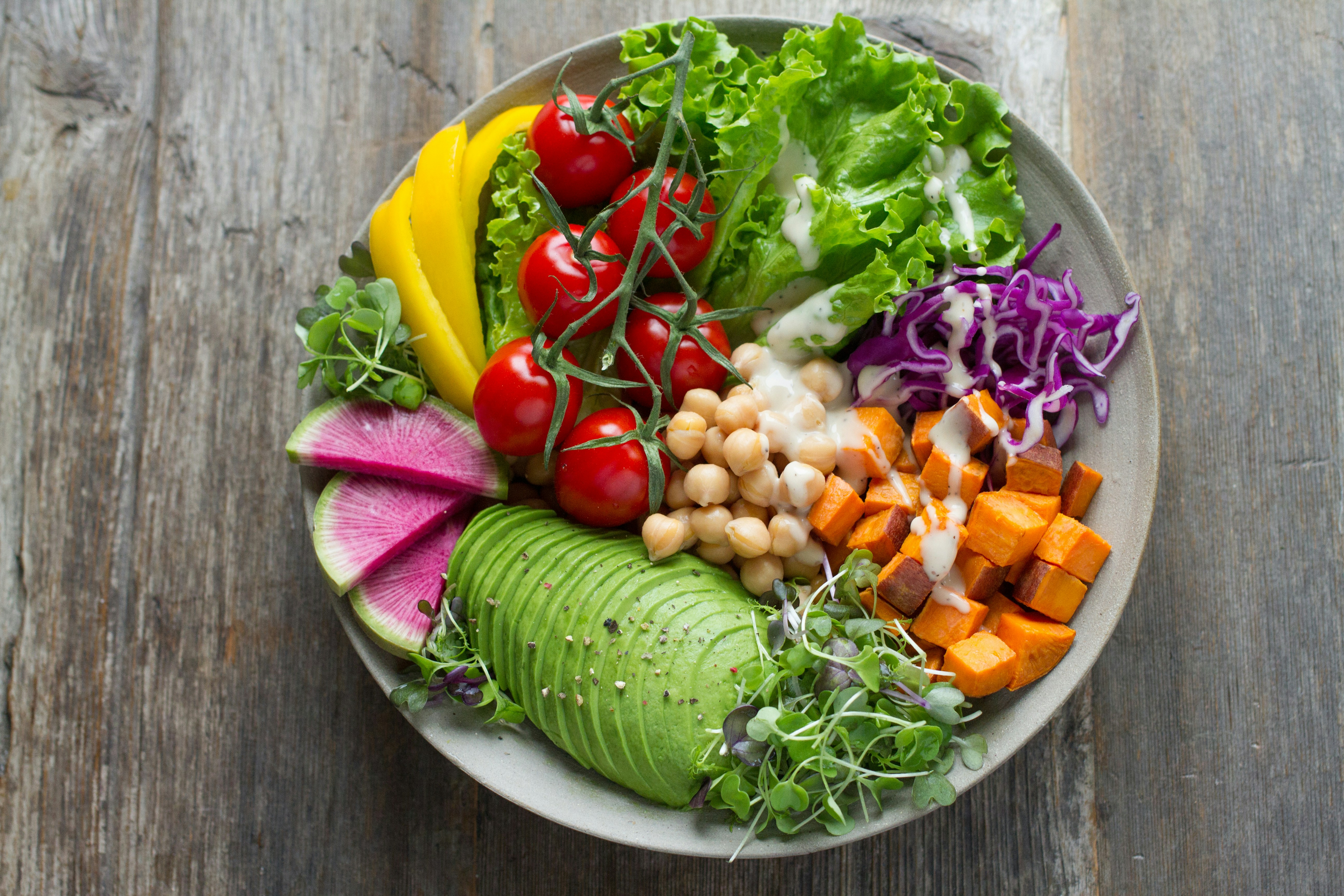
Success on this diet starts with a well-stocked pantry. Your goal is to maximize nutrient density by selecting a variety of colors and textures. This essential ovo-vegetarian grocery list for healthy eating ensures you meet your macronutrient goals without relying on processed "fake" meats.
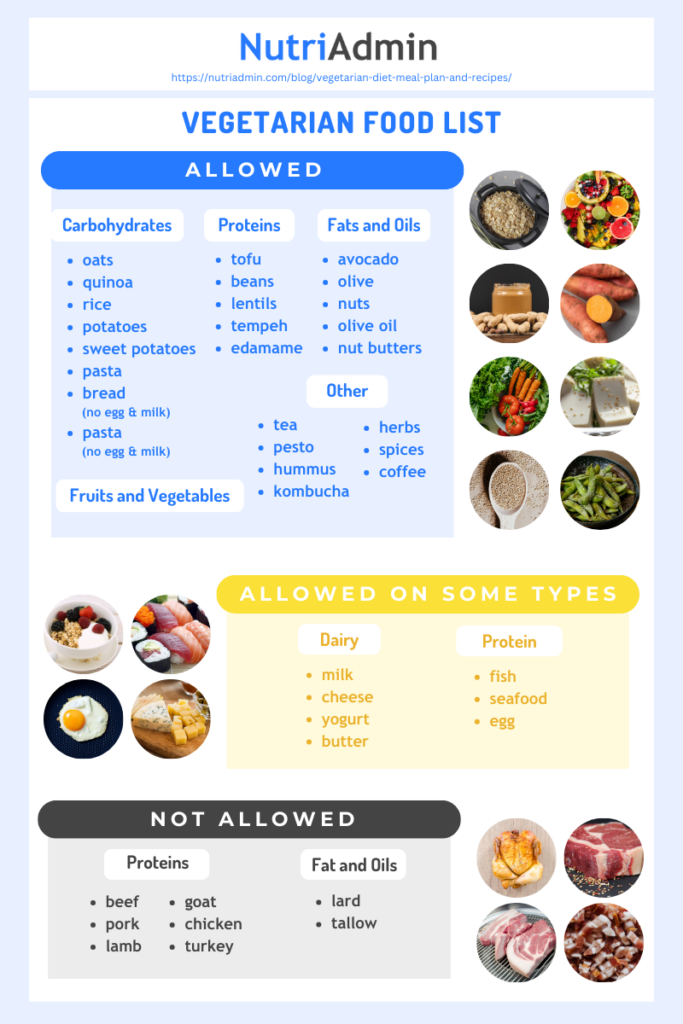
What to Include (The "Allowed" List)
- Eggs: Whole eggs, egg whites, and egg-based products (ensure no dairy additives).
- Legumes and Pulses: Lentils, chickpeas, black beans, edamame, and peas.
- Soy Products: Tofu, tempeh, and soy-based meat alternatives (check labels for dairy).
- Whole Grains: Quinoa, farro, brown rice, oats, buckwheat, and whole-wheat pasta.
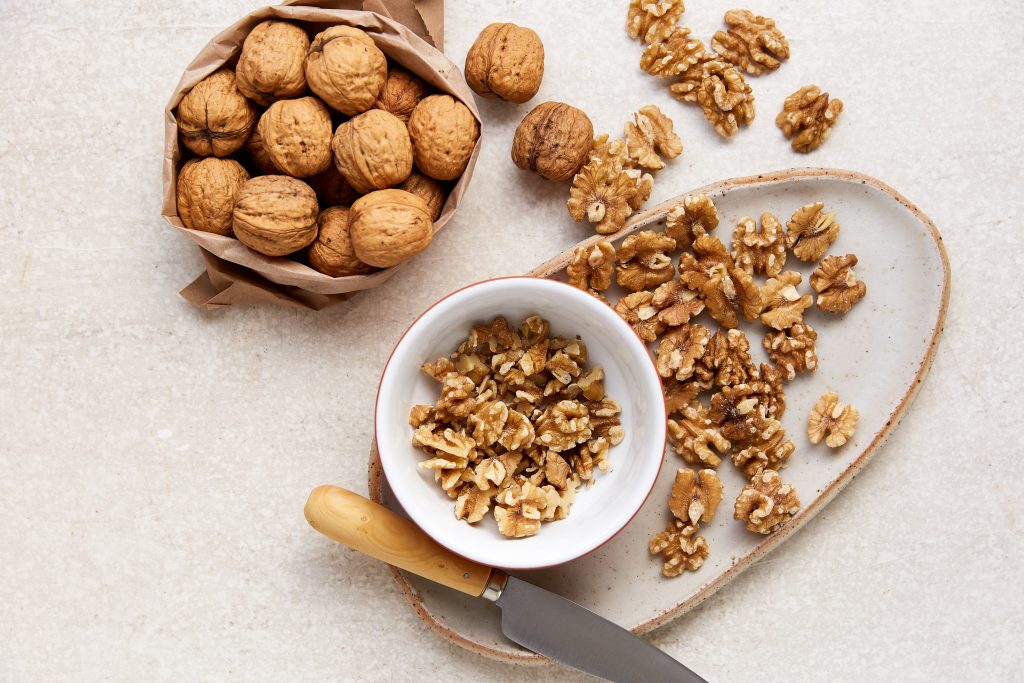
- Nuts and Seeds: Almonds, walnuts, chia seeds, hemp hearts, flaxseeds, and pumpkin seeds.
- Vegetables: Leafy greens (kale, spinach), cruciferous veggies (broccoli, cauliflower), and root vegetables.
- Fruits: All fresh, frozen, or dried fruits.
- Plant-Based Dairy Alternatives: Almond milk, soy milk, oat milk, and coconut-based "yogurts" (ensure they are fortified with calcium).
What to Avoid (The "Excluded" List)
- All Meat and Poultry: Beef, pork, chicken, turkey, and lamb.
- All Seafood: Fish, shrimp, crab, and mollusks.
- Dairy Products: Cow’s milk, goat’s milk, cheese, butter, yogurt, and cream.
- Animal By-products: Gelatin (found in many candies and marshmallows) and certain food dyes derived from insects.
Since dairy is your primary exclusion, you must pay close attention to calcium intake. A comprehensive ovo vegetarian food list should always include calcium-set tofu, fortified plant milks, and plenty of dark leafy greens to support bone density.
High-Protein Meal Ideas & Optimization
Many people worry about getting enough protein when they stop eating meat and dairy. However, a 2019 review indicated that vegetarians consume an average of 1.04 grams of protein per kilogram of body weight, which comfortably exceeds the Recommended Dietary Allowance (RDA) of 0.8 grams per kilogram.
To optimize your intake, especially if you lead an active lifestyle, try these high-protein ovo-vegetarian meal ideas for athletes:
- Savory Chickpea Flour Omelet: Use chickpea flour mixed with water and turmeric as a "batter," then fold in real eggs and sautéed spinach for a double-hit of protein.
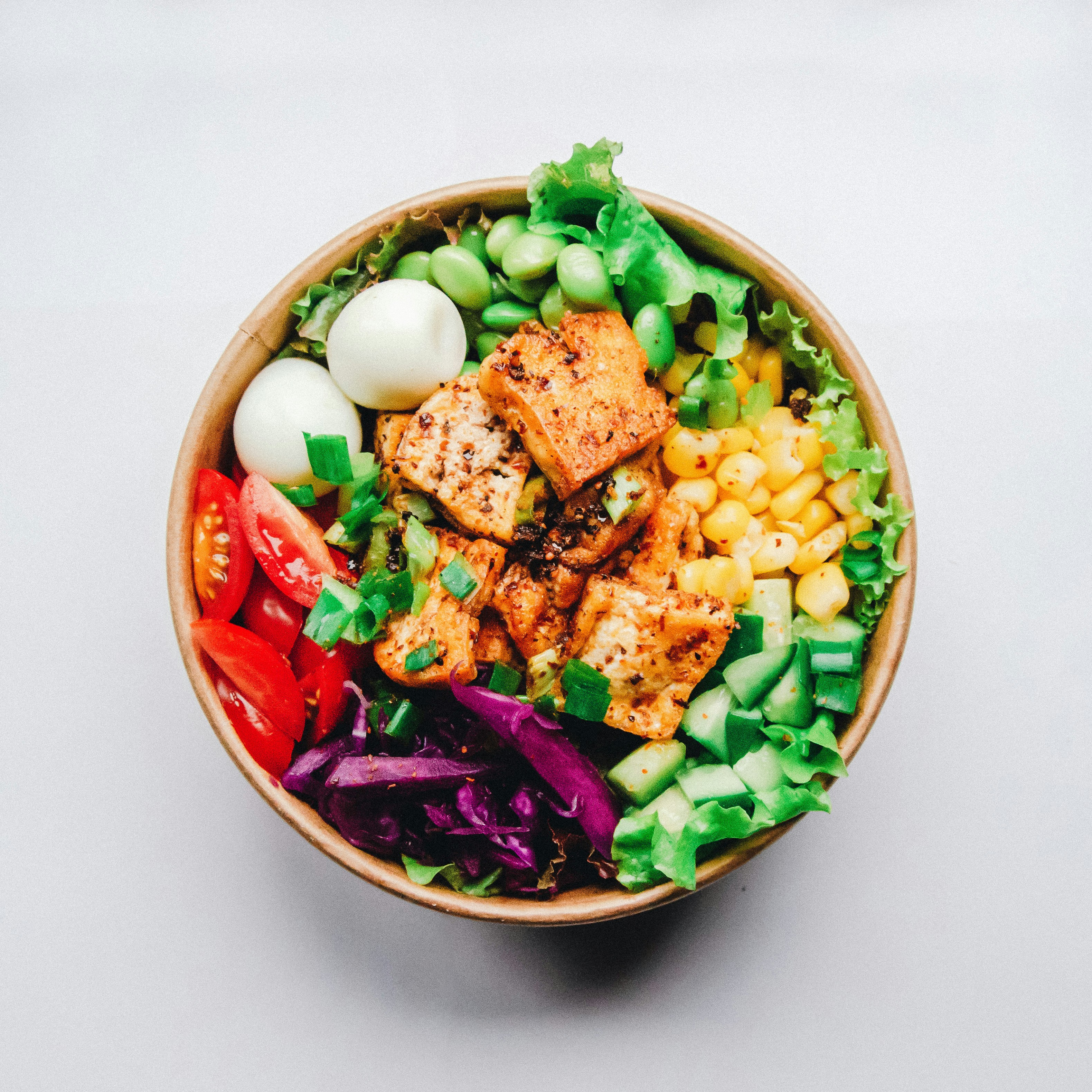
- Tempeh and Egg Grain Bowl: Combine 31g of protein from a cup of tempeh with a soft-boiled egg over a bed of quinoa.
- Lentil "Bolognese": Use lentils as a meat substitute in pasta sauce, topped with a poached egg for extra creaminess and essential amino acids.
Bioavailability Hacks
When you rely on plant-based nutrition, you must consider how well your body absorbs certain nutrients. Non-heme iron, the type of iron found in plants like spinach and lentils, is absorbed less efficiently than heme iron from meat. To fix this, always pair your iron-rich foods with a source of Vitamin C (like bell peppers or citrus) to significantly increase absorption.
Avoiding Nutritional Gaps and Food Safety
While the ovo-vegetarian diet is nutritionally robust, there are specific micronutrient gaps to monitor. The most critical is Vitamin B12. While eggs are a source of B12, one egg only provides about 0.6mcg, whereas the adult RDA is 2.4mcg. If your egg consumption is low, you should look for B12-fortified nutritional yeast or consult your doctor about a supplement. Preventing b12 deficiency on an ovo-vegetarian diet is vital for maintaining nerve function and energy levels.
Another focus area is Omega-3 fatty acids. Since you are excluding fatty fish, you should prioritize plant sources like walnuts, chia seeds, and flaxseeds. If you find it difficult to consume these daily, an algae-based Omega-3 supplement can provide the EPA and DHA necessary for heart and brain health.
Food Safety Protocols
When meal prepping with eggs, safety is paramount. Always store your egg-based meals in the refrigerator and consume them within 3 to 4 days. When reheating, ensure the food reaches an internal temperature of 165°F (74°C) to eliminate any risk of foodborne illness. If you are using plant-based meat alternatives, follow the specific storage and cooking instructions on the packaging, as these products can vary in their shelf life.
FAQ
What is an ovo-vegetarian diet?
An ovo-vegetarian diet is a plant-focused way of eating that eliminates all forms of meat, poultry, fish, and dairy, but allows the consumption of eggs. It relies on a combination of vegetables, fruits, grains, legumes, and eggs to provide a complete nutritional profile.
What foods can you eat on an ovo-vegetarian diet?
You can enjoy all fruits and vegetables, grains like quinoa and rice, legumes such as beans and lentils, nuts, seeds, and eggs. You can also use plant-based dairy substitutes like almond milk or soy yogurt, provided they do not contain real dairy.
Can ovo-vegetarians eat dairy products?
No, an ovo-vegetarian diet specifically excludes all dairy products, including milk, cheese, butter, and yogurt derived from animals. If you include dairy, you would be classified as a lacto-ovo vegetarian.
Is an ovo-vegetarian diet healthy for weight loss?
Yes, it can be very effective for weight management because it is typically high in fiber and low in the saturated fats found in meat and high-fat dairy. The high protein content from eggs also helps increase satiety, making you feel full for longer.
What is the difference between ovo-vegetarian and lacto-ovo-vegetarian?
The main difference is the exclusion of dairy. While both diets include eggs and exclude meat, an ovo-vegetarian avoids all dairy products, whereas a lacto-ovo vegetarian includes milk, cheese, and other dairy items.
What are the best protein sources for ovo-vegetarians?
The best sources include eggs, tempeh, tofu, lentils, chickpeas, and edamame. Combining these with whole grains like quinoa or buckwheat ensures you are getting a full range of essential amino acids.
Conclusion & Getting Started
Embracing an ovo-vegetarian diet is a powerful step toward sustainable eating and improved personal health. By focusing on whole, unprocessed foods and utilizing eggs as a nutrient-dense anchor, you can enjoy a varied and satisfying menu that supports your long-term wellness goals.
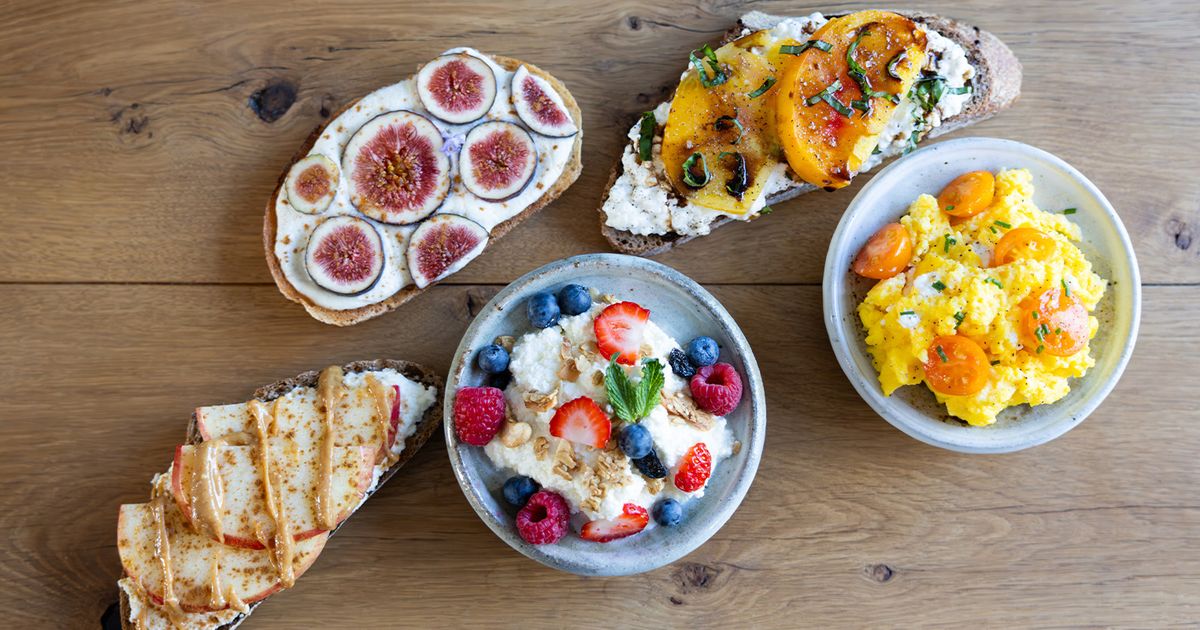
To start, begin by swapping one meal a day for an ovo-vegetarian option. Replace your morning yogurt with a vegetable-packed egg scramble, or trade your chicken dinner for a hearty lentil stew topped with a poached egg. As you become more comfortable with these changes, you will likely find that the abundance of plant-based flavors makes the transition both easy and enjoyable. Focus on variety, monitor your B12 intake, and enjoy the journey toward a more vibrant, plant-forward lifestyle.