Quick Facts
- Daily Goal: Target 25g+ of fiber for women and 38g+ for men to support gut health.
- Weight Management: Starting a meal with a low-energy-dense salad can reduce total calorie intake by 7% to 12%.
- Peak Nutrition: Tomatoes harvested at peak summer ripeness contain up to 30% more Vitamin C.
- The Power Duo: Always pair one protein source with one fiber-rich carbohydrate for maximum satiety.
- Smoothie Hack: Frozen zucchini and cauliflower add volume and fiber with zero sugar.
- Key Ingredient: Just 1 tablespoon of chia seeds provides 5g of dietary fiber.
Stay on track with nutrient dense recipes designed for your summer diet plan. From high-fiber smoothies to hydrating snacks, learn how to maximize nutrition while staying cool. Nutrient-dense summer meal planning focuses on high-fiber breakfasts like Greek yogurt with berries or overnight oats with chia seeds. For main meals, use a balanced framework consisting of seasonal vegetables, lean proteins such as salmon or halibut, and complex carbohydrates like lentil pasta. Incorporating healthy fats from avocados or seeds ensures Satiety levels and supports metabolic health during warmer months.
Understanding Nutrient Density vs. Calorie Density
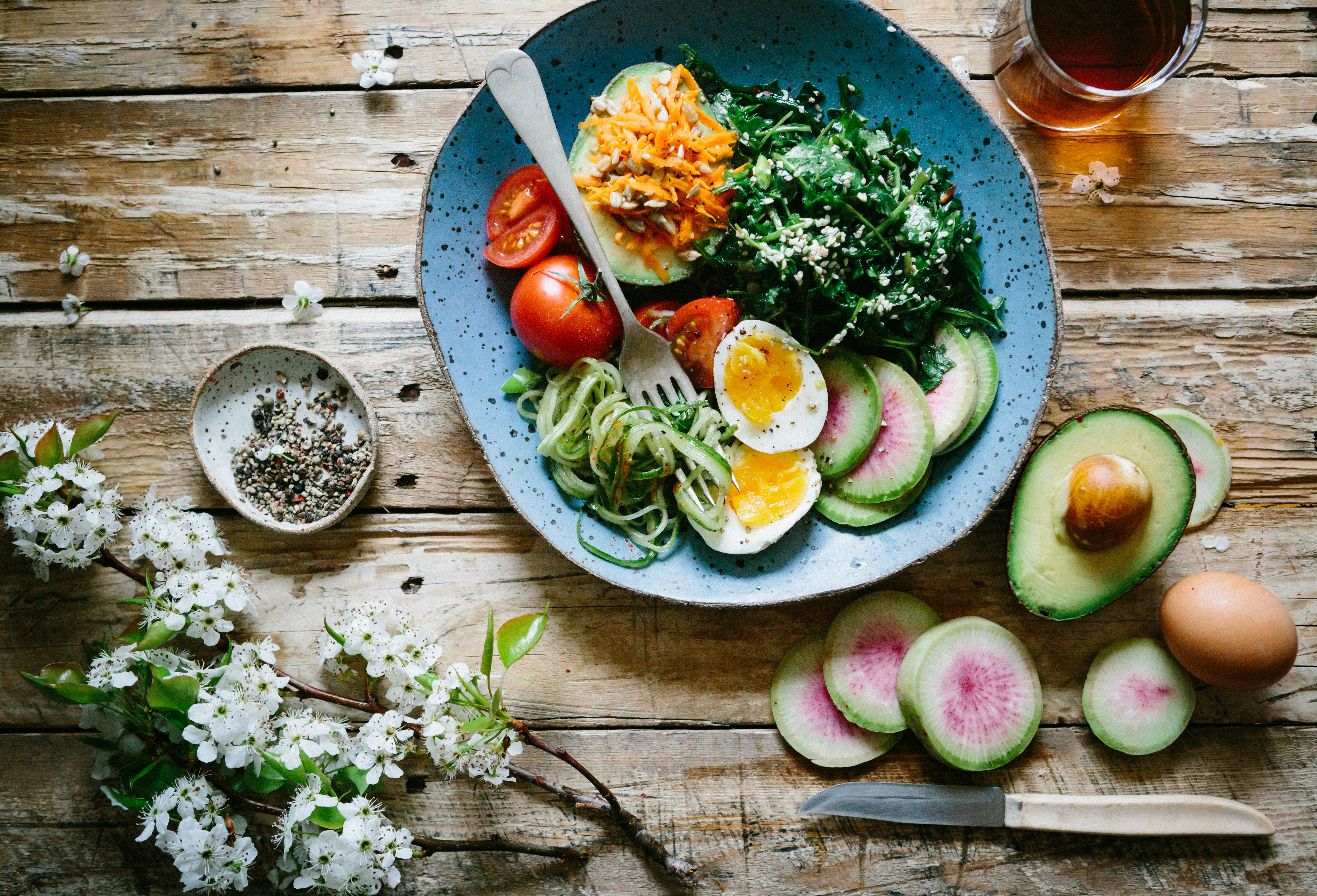
When we talk about nutrition in the summer, the conversation often shifts toward "eating light." However, as a nutrition editor, I prefer to focus on the concept of density. Specifically, the goal is to maximize the vitamins, minerals, and antioxidants you get per calorie. This is the essence of nutrient density. In contrast, calorie-dense foods—often ultra-processed—provide high energy with very little nutritional "bang for your buck." Research consistently shows that diets high in ultra-processed foods can lead people to consume an extra 500 calories per day compared to whole-food diets.
By choosing nutrient dense recipes, you are supporting your metabolic health and improving your Glycemic control. When your meals are packed with Dietary fiber and Bioavailable minerals, your body processes energy more efficiently. Instead of the blood sugar spikes and crashes associated with refined sugars and flours, a nutrient-dense approach provides a steady stream of fuel. This is particularly important during the summer when heat can already make us feel fatigued. Focusing on the quality of your calories ensures that your gut microbiome support remains a priority, keeping your immune system and mood stable throughout the season.
High-Fiber Summer Smoothie Recipes
Smoothies are a summer staple, but they can easily turn into sugar bombs if they are made strictly from fruit juice and honey. To stay on track, we use a strategy I call "Stealth Health." This involves adding ingredients that provide a massive boost to the nutritional profile without compromising the refreshing taste. One of my favorite high fiber smoothie ingredients is frozen riced cauliflower or sliced zucchini. Because these vegetables have a neutral flavor, they add a creamy texture and significant Dietary fiber without the sugar found in extra bananas.
The Wake-Me-Up Smoothie
This recipe is designed to jumpstart your morning with Antioxidant-rich foods and Plant-based protein sources.
- 1 cup frozen blueberries (high in antioxidants)
- 1/2 cup frozen cauliflower rice (the secret fiber boost)
- 1 scoop of high-quality vanilla pea protein or whey
- 1 tablespoon chia seeds
- 1.5 cups unsweetened almond milk
- A pinch of cinnamon for Glycemic control
The Electrolyte Thirst-Quencher
Perfect for post-workout or a hot afternoon, this smoothie focuses on electrolyte rich smoothie recipes for summer hydration.
- 1 cup coconut water (natural electrolytes)
- 1/2 avocado (for healthy fats and creamy texture)
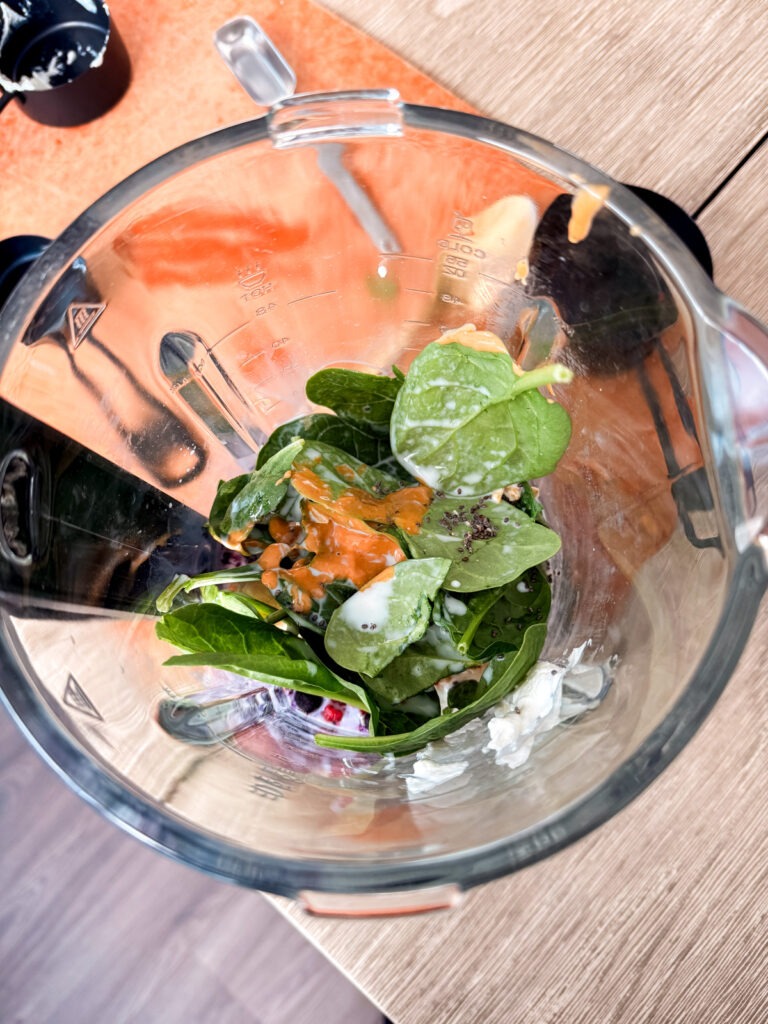
- 1 handful of fresh spinach (iron and magnesium)
- 1/2 cup frozen mango
- A squeeze of fresh lime juice
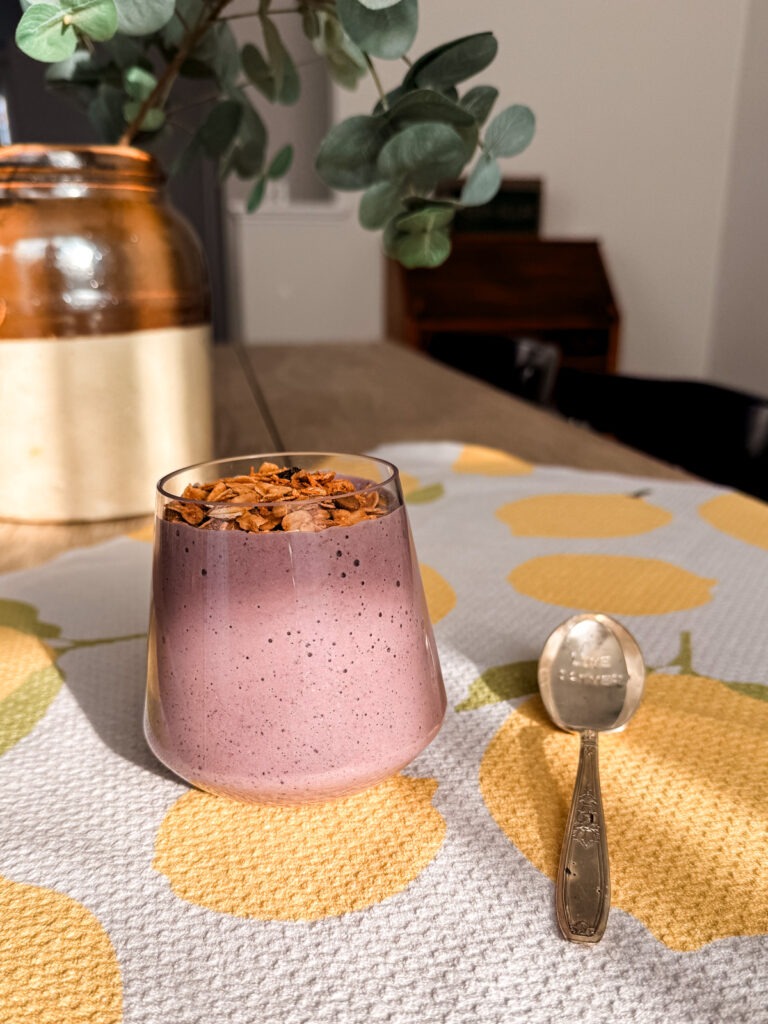
By using summer smoothie recipes that prioritize fiber and protein, you avoid the insulin spike that leads to mid-morning hunger. Adding just one tablespoon of chia seeds or ground flaxseed ensures that you are well on your way to hitting your daily fiber goals.
Nutritionist's Pro-Tip: If you find green smoothies too "earthy," try adding a small slice of fresh ginger. It masks the taste of greens while providing anti-inflammatory benefits and aiding digestion.
Hydrating Snacks and No-Cook Refreshments
Hydration in the summer involves more than just drinking plain water. To truly stay hydrated, your body needs Bioavailable minerals like potassium, magnesium, and sodium to help transport water into your cells. This is where hydrating summer snack ideas become essential. Instead of reaching for a bag of pretzels, look for water-rich seasonal produce that naturally contains these minerals.
For those with a busy schedule, no cook nutrient dense recipes for busy summer days are a lifesaver. One of my go-to snacks is cottage cheese-stuffed cucumbers. Simply slice a cucumber lengthwise, scoop out the seeds, and fill the "boat" with low-fat cottage cheese topped with cracked black pepper and hemp seeds. This provides a hydrating crunch along with a significant protein punch to maintain Satiety levels.
Another excellent option is a fresh fruit platter featuring watermelon, cantaloupe, and citrus. Because these fruits are consumed in their whole form, you get the hydrating juices along with the fiber that slows down sugar absorption. This is a key strategy for hydrating nutrient dense snacks for hot weather. If you are craving something savory, try a small bowl of Greek yogurt mixed with savory spices and dipped with bell pepper strips. This combination of protein and fiber is the gold standard for blood sugar stability.
Building a Balanced Summer Plate: The Mediterranean Approach
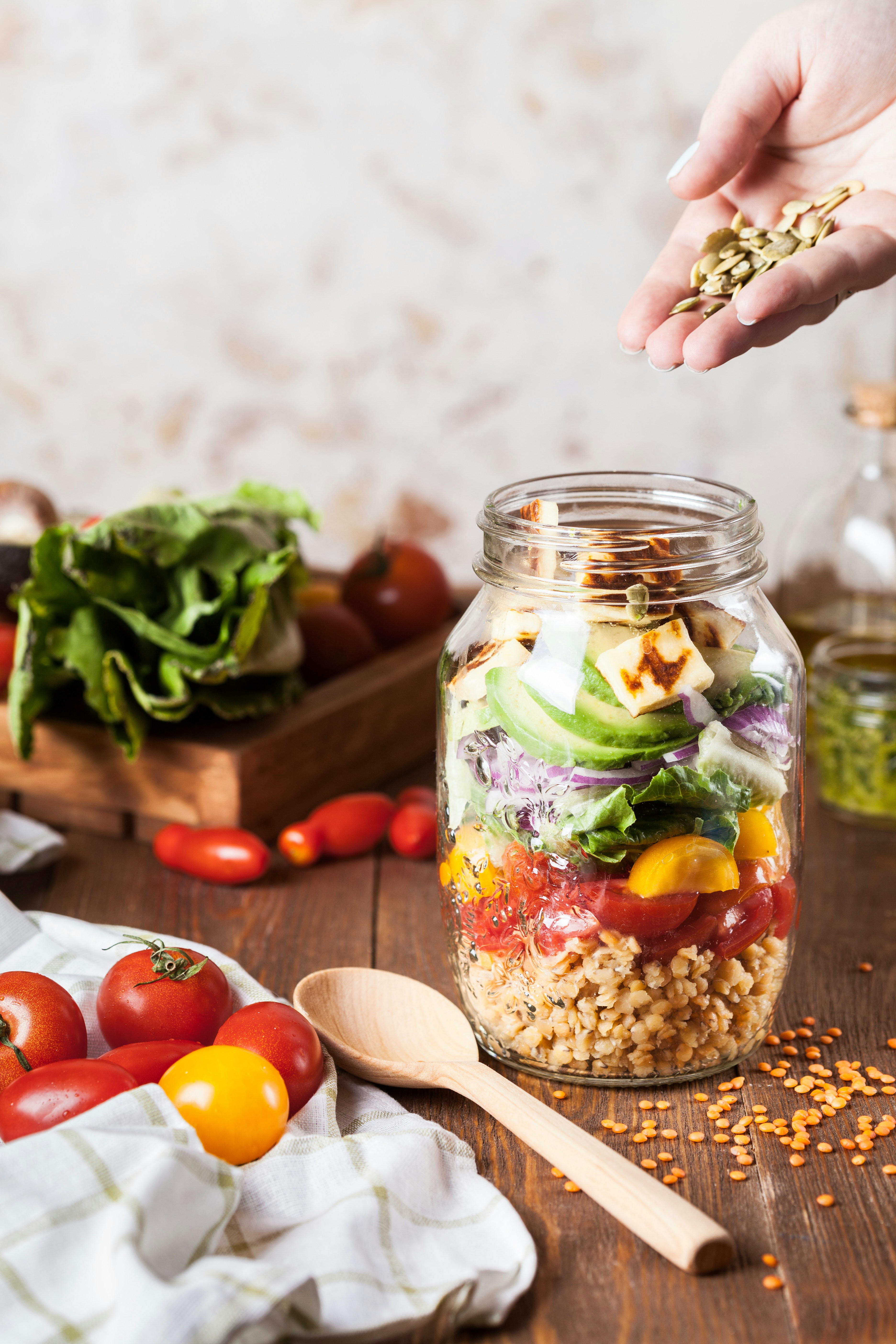
When it comes to lunch and dinner, I recommend following a structured framework rather than a strict restrictive diet. The Mediterranean diet principles offer a fantastic blueprint for plant centered nutrient dense summer meal planning. The goal is to create a plate that is colorful, fresh, and balanced.
I often use the Canyon Ranch Plate Model to help my readers visualize their meals:
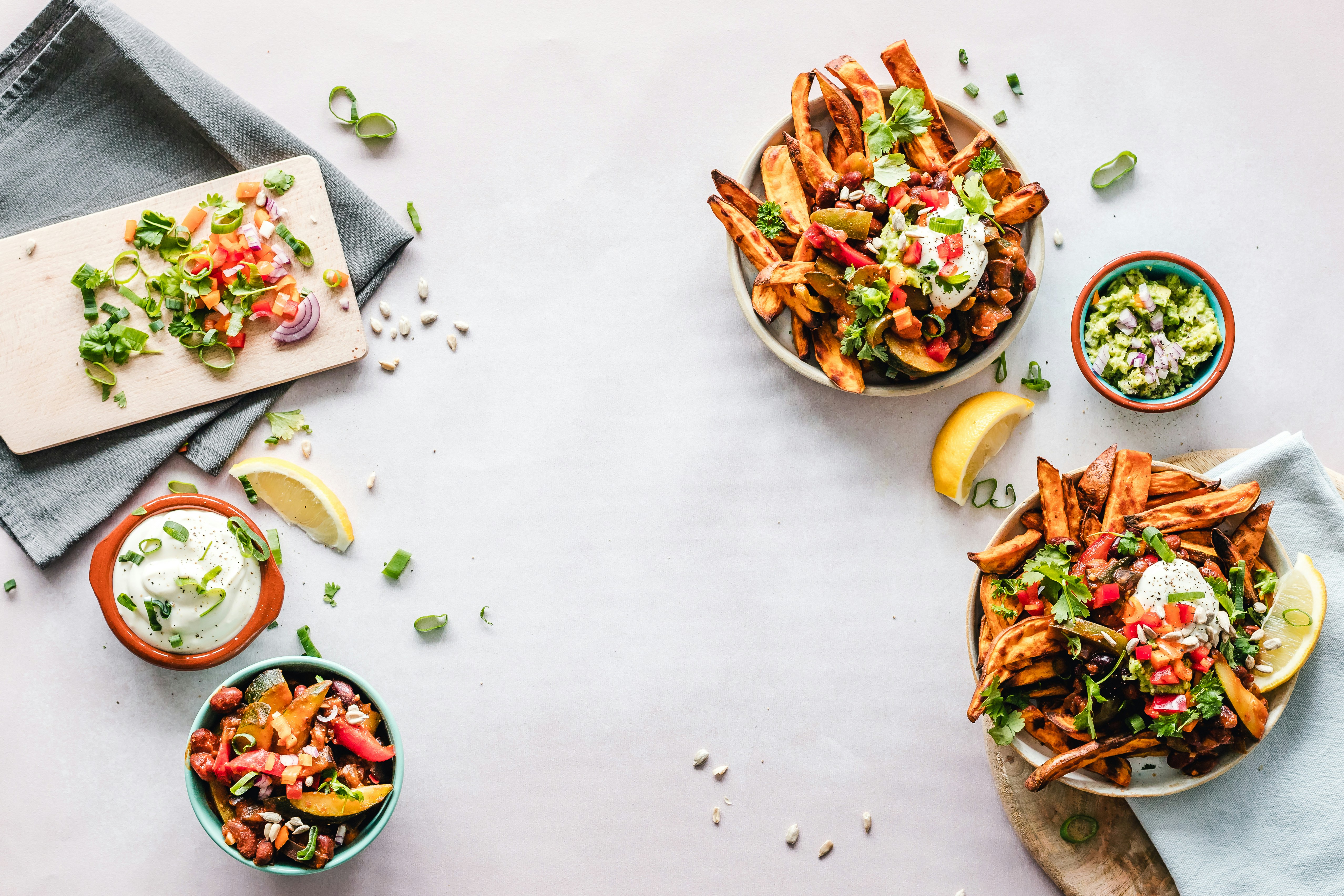
- Half the plate: Fill this with non-starchy Seasonal produce. Think grilled asparagus, fresh heirloom tomatoes, or a leafy green salad.
- One-quarter of the plate: Choose high-quality Plant-based protein sources or lean animal proteins like grilled chicken, salmon, or halibut.
- One-quarter of the plate: Opt for complex carbohydrates such as quinoa, farro, or lentil pasta.
Using this framework for blood sugar stabilizing summer meal prep tips allows you to enjoy the flavors of the season while supporting your metabolic health. For instance, a grilled salmon salad with peaches, feta, and a lemon-tahini dressing hits every nutritional requirement. The salmon provides omega-3s, the peaches offer seasonal vitamins, and the tahini adds healthy fats for long-lasting satiety.
Easy Summer Swaps for Better Nutrition
| Traditional Choice | Nutrient-Dense Swap | Why It Works |
|---|---|---|
| White Pasta Salad | Lentil or Chickpea Pasta | Doubles the fiber and triples the protein. |
| Sour Cream Dip | Strained Greek Yogurt | Higher protein and beneficial probiotics. |
| Sugary Popsicles | Frozen Grapes or Homemade Fruit Bars | Natural sugars with intact fiber. |
| Croutons | Roasted Chickpeas | Adds crunch plus plant-based protein. |
Eating every three to four hours using these whole-food ingredients supports gut microbiome health and maintains consistent energy levels throughout the day. By planning your meals around what is currently in season, you ensure you are getting the highest concentration of vitamins possible.
FAQ
What are the most nutrient-dense foods to include in recipes?
The most nutrient-dense foods are typically those with deep colors and minimal processing. Think dark leafy greens like kale and spinach, berries, cruciferous vegetables like broccoli, and fatty fish like salmon. Seeds such as chia, flax, and hemp are also powerhouse additions that provide minerals and fiber in very small servings.
How can I make my meals more nutrient-dense?
A simple way to increase nutrient density is to "crowd in" more vegetables. Add a handful of spinach to your eggs, grate carrots into your pasta sauce, or use cauliflower rice to bulk up a grain bowl. Replacing refined oils with small amounts of avocado or nuts also boosts the vitamin and mineral content of your meals.
What is the difference between calorie density and nutrient density?
Calorie density refers to the number of calories in a specific weight of food. High-calorie-dense foods like donuts provide many calories in a small package but few nutrients. Nutrient density refers to the amount of vitamins, minerals, and phytonutrients relative to the calorie count. A bowl of spinach is low in calories but exceptionally high in nutrients.
Are nutrient-dense recipes more expensive to make?
Not necessarily. While some "superfoods" can be pricey, many nutrient-dense staples are very affordable. Canned beans, lentils, frozen vegetables, and whole grains like brown rice are budget-friendly. Buying Seasonal produce at local farmers' markets also reduces costs while providing better flavor and nutrition.
What are some easy nutrient-dense recipes for beginners?
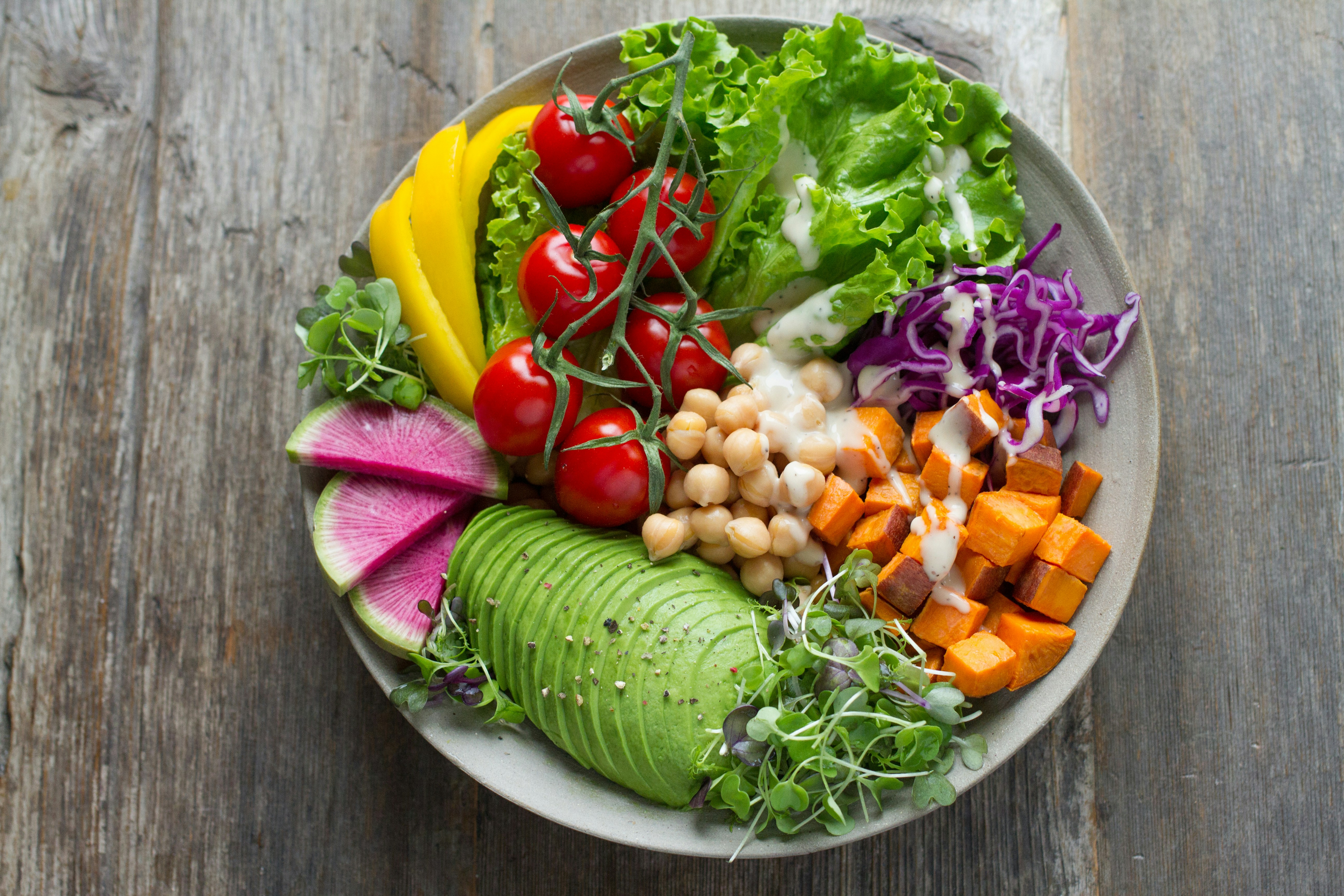
A great starting point is a "Power Bowl." Start with a base of greens, add a pre-cooked grain like quinoa, top with a canned protein like chickpeas or tuna, and finish with a simple olive oil and lemon dressing. Another easy option is overnight oats made with chia seeds and frozen berries, which requires no cooking at all.
Can nutrient-dense recipes help with weight loss?
Yes, they are highly effective for weight management. Because nutrient-dense foods are typically high in fiber and water, they help you feel full on fewer calories. By focusing on Satiety levels rather than restriction, you are less likely to overeat or experience the energy crashes that lead to sugar cravings.
Improving your diet doesn't have to happen all at once. I encourage you to choose just one of these nutrient dense recipes to try this week. Whether it is a fiber-rich smoothie for breakfast or a Mediterranean-style plate for dinner, every small change builds momentum toward a healthier, more vibrant summer.