Quick Facts
- Terminology Update: MASH is the updated clinical name for what was formerly known as NASH (Non-Alcoholic Steatohepatitis).
- Clinical Goal: Achieving a 7% to 10% reduction in total body weight through lifestyle changes is the primary target for reversing liver fibrosis.
- Core Fat Source: Transitioning from saturated fats to monounsaturated fats found in extra virgin olive oil is essential for liver health.
- Key Booster: Drinking 2 to 3 cups of black coffee daily is associated with a lower risk of advanced liver scarring.
- Protein Shift: Prioritizing plant-based protein and fatty fish over red meat helps reduce hepatic steatosis.
- Sugar Warning: Eliminating liquid fructose and processed sugars is critical to stop the progression of liver inflammation.
The MASH Mediterranean diet focuses on anti-inflammatory eating to reduce hepatic steatosis and improve insulin sensitivity. Essential rules include replacing saturated fats with monounsaturated fats from extra virgin olive oil and nuts, increasing fiber through whole grains and legumes, and prioritizing plant-based or lean seafood proteins over red meat. Adopting this eating pattern can effectively manage MASH by lowering cardiovascular risk and reducing liver fat while supporting the gut microbiome.
Understanding the Shift to MASH
In recent years, the medical community has updated the way we talk about liver health. You might have previously heard the term Non-Alcoholic Steatohepatitis (NASH). Today, we use Metabolic Dysfunction-Associated Steatohepatitis, or MASH. This change reflects the fact that liver inflammation is deeply connected to metabolic health, including how your body handles insulin and stores fat.
When your liver stores too much fat, it can lead to hepatic steatosis. Left unmanaged, this fat causes inflammation and cell injury, eventually leading to liver fibrosis. The MASH Mediterranean diet is currently considered the gold standard for clinical management because it addresses the root cause: metabolic dysfunction. This diet is not about temporary restriction; it is an anti-inflammatory eating pattern that provides high levels of antioxidants and omega-3 fatty acids to help mitigate liver cell injury.
Research shows that this dietary approach works. A meta-analysis of randomized controlled trials demonstrated that adherence to the Mediterranean diet significantly reduces alanine aminotransferase (ALT) levels by an average of 3.96 IU/L and waist circumference by 1.56 cm compared to control groups. This makes it a powerful tool for your MASH liver health diet.
Rule 1: Prioritize Healthy Fats (The MUFA Strategy)
The most important of the dietary changes for MASH management involves the type of fat you consume. Instead of focusing on a low-fat diet, the Mediterranean approach emphasizes high-quality monounsaturated fats (MUFAs).
Extra virgin olive oil is the cornerstone of this rule. It contains oleic acid and polyphenols that help improve insulin sensitivity and reduce the accumulation of triglycerides in the liver. For effective MASH management with Mediterranean style healthy fats, you should aim for 2 to 4 tablespoons of extra virgin olive oil every day. You can use it as a base for salad dressings, drizzle it over cooked vegetables, or use it for light sautéing.
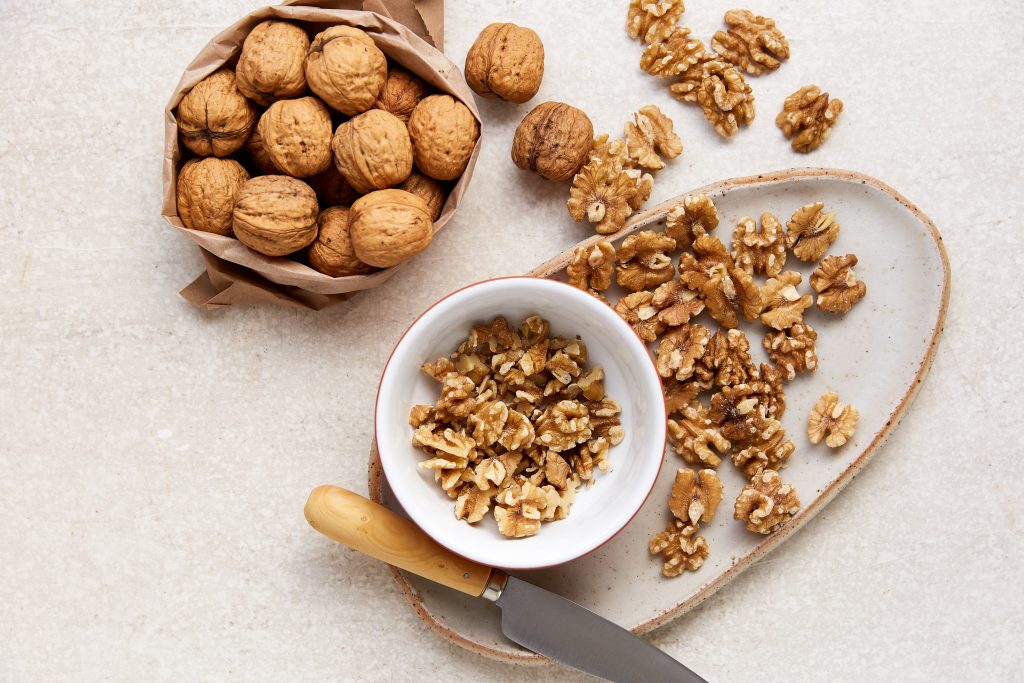
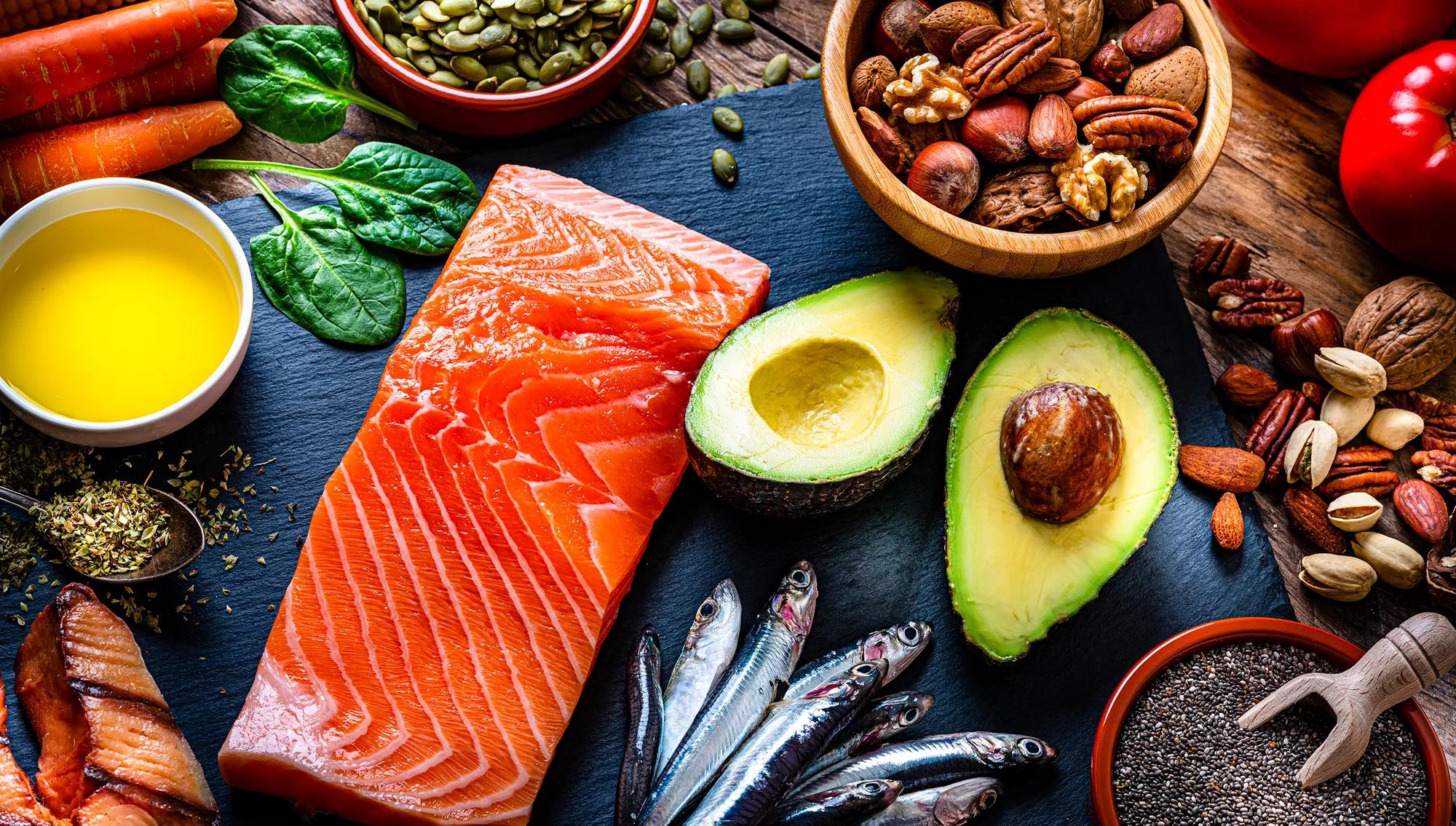
Beyond olive oil, including omega-3 fatty acids is crucial. These are found in walnuts, flaxseeds, and fatty fish. These fats act as natural anti-inflammatories, helping to cool the "fire" of inflammation in liver cells. By swapping butter and lard for these healthy fats, you directly support the reduction of hepatic steatosis.
Rule 2: Shift to Plant-Based and Seafood Proteins
In a MASH Mediterranean diet, red meat takes a backseat. High intake of red and processed meats is linked to increased liver fat and worse liver enzyme levels. Instead, your protein should come from the sea and the soil.
Try to target 3 to 5 ounces of fish—roughly the size of a deck of cards—at least three times per week. Fatty fish like salmon, sardines, and mackerel are the best Mediterranean foods to reduce liver fat because they provide both protein and liver-protecting omega-3s.
For the rest of your meals, embrace plant-based protein. Legumes, such as lentils, chickpeas, and black beans, are excellent dietary changes for MASH management. They are packed with protein but contain zero saturated fat. These plant sources are also rich in fiber, which helps keep your blood sugar stable and reduces the workload on your liver. Improving your liver enzyme levels often starts with this simple shift away from the steakhouse and toward the seafood and bean market.
Rule 3: Embrace Complex Carbohydrates and High Fiber
The gut-liver axis is a vital pathway for liver health. When your gut microbiome is healthy, it prevents harmful toxins from leaking into the bloodstream and reaching the liver. The best way to support this axis is through high fiber intake.
Avoid "white" carbohydrates like white bread, white rice, and sugary cereals. These have a high glycemic index, which triggers insulin spikes and fat storage. Instead, choose complex carbohydrates such as:
- Quinoa and farro
- Steel-cut oats
- 100% whole-grain bread
- Sweet potatoes with the skin on
Fiber acts like a broom for your digestive system, but it also helps manage metabolic syndrome by slowing down the absorption of sugar. This is one of the heart healthy Mediterranean diet rules for MASH patients because it protects both the arteries and the liver.
MASH-Modified Mediterranean Diet Comparison
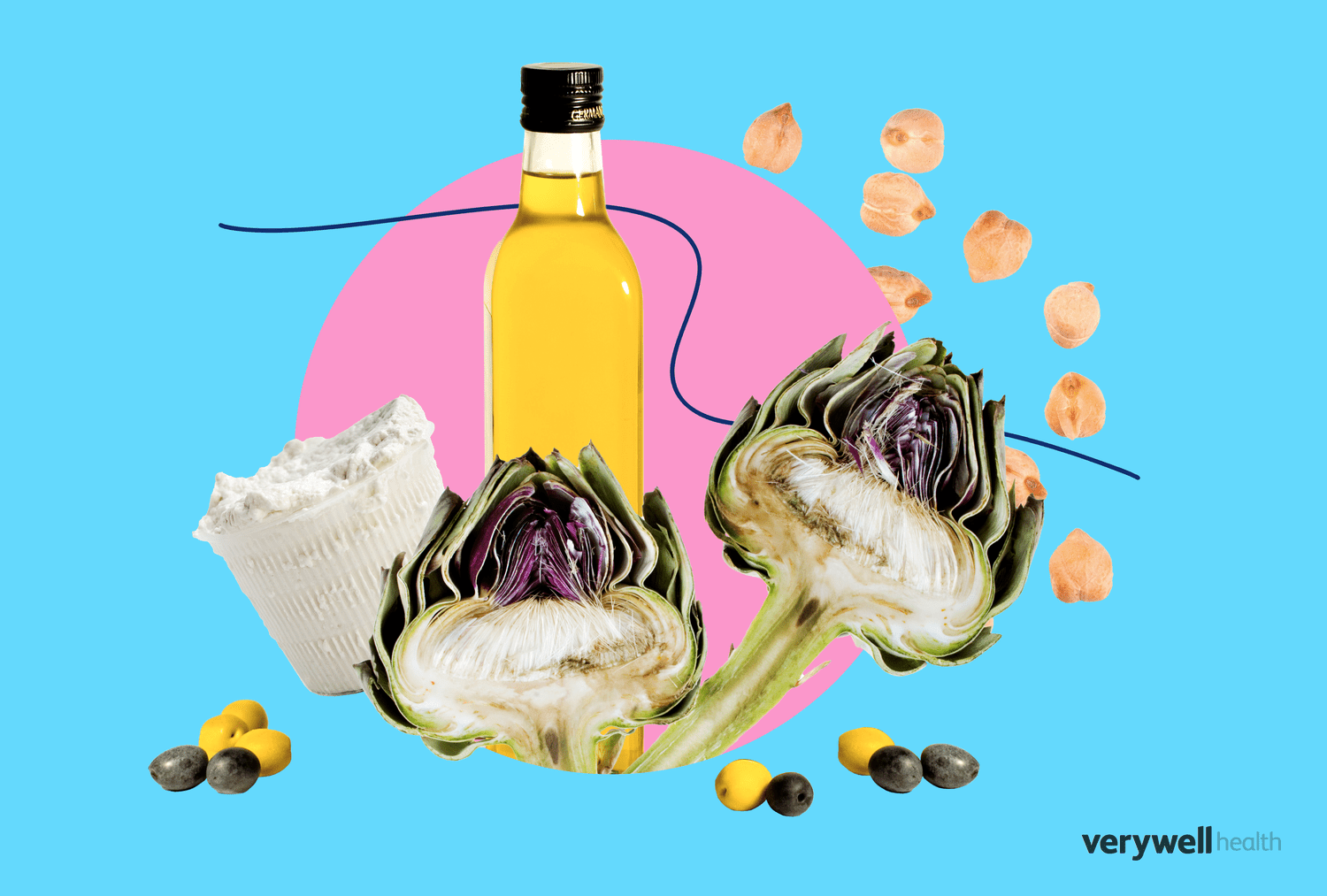
While the traditional Mediterranean diet is very healthy, MASH management requires a few specific tweaks, particularly regarding alcohol and fruit.
| Category | Traditional Mediterranean Diet | MASH-Modified Mediterranean Diet |
|---|---|---|
| Alcohol | Moderate red wine (1 glass/day) | Generally avoided or strictly limited |
| Sweeteners | Occasional honey or fruit-based sweets | Zero liquid fructose; limited added sugars |
| Grains | Mix of refined and whole grains | 100% complex carbohydrates and whole grains |
| Primary Fat | Extra virgin olive oil | Extra virgin olive oil (high therapeutic dose) |
| Beverages | Water, wine, tea | Water, black coffee, herbal tea |
Rule 4: Eliminate Liquid Fructose and Processed Sugars
If there is one "poison" for the liver in the modern diet, it is liquid fructose. High-fructose corn syrup, found in sodas, sweetened teas, and processed juices, is handled almost exclusively by the liver. When you consume a large amount of fructose quickly, the liver converts it directly into fat, contributing to hepatic steatosis and oxidative stress.
Making practical Mediterranean diet swaps for fatty liver means replacing these drinks with water or black coffee. This simple change can significantly lower the fat production in your liver. Even "healthy" looking smoothies can be a problem if they contain too much fruit juice without the fiber of the whole fruit. Stick to whole pieces of fruit and keep your intake to 2 servings per day to avoid overloading the liver with natural sugars.
By cutting out processed sugars, you reduce the inflammatory markers that lead to liver cell damage and the progression of MASH.
Rule 5: Utilize Hepatoprotective Boosters
Some foods and drinks offer extra protection for the liver beyond basic nutrition. These are your "boosters" in the MASH Mediterranean diet.
Black coffee is one of the most well-studied tools for liver health. Clinical data suggests that coffee drinkers have a lower risk of liver fibrosis and liver cancer. Aim for 2 to 3 cups of black coffee a day—just be sure not to cancel out the benefits by adding sugar or heavy cream.
Another strategy is utilizing antioxidants and food synergy. For example, pairing Vitamin C (like a squeeze of lemon) with plant-based iron (like spinach or lentils) helps your body absorb nutrients more efficiently while providing antioxidants that fight oxidative stress in the liver. Polyphenol-rich foods like berries, artichokes, and dark chocolate (in small amounts) also provide the chemical tools your liver needs to repair itself. These are essential if you are wondering can Mediterranean diet reverse MASH liver damage, as they provide the building blocks for cellular recovery.
Rule 6: Implement the 7-10% Weight Loss Milestone
For many patients, the ultimate goal of following a MASH Mediterranean diet is to achieve specific weight loss targets. While the diet is nutrient-dense, it is also effective for gradual weight reduction.
The 7% to 10% reduction in total body weight is a clinical threshold. Once you hit this mark, the liver often begins to clear out stored fat and can even start to heal existing scars (fibrosis). In fact, clinical research has shown that patients with high adherence to the Mediterranean diet combined with physical activity can achieve a 50% reduction in ALT levels and significant improvements in liver stiffness within a six-month period.
However, you must avoid rapid weight loss. Losing more than 2 pounds per week can actually worsen insulin resistance and cause more fat to flow into the liver. The MASH Mediterranean diet is designed for steady, sustainable progress. By focusing on satiety through healthy fats and fiber, you can reach that 7-10% goal without feeling deprived.
The Mediterranean Plate Method for MASH
Visualizing your meals is the easiest way to start how to start Mediterranean diet for MASH. Instead of counting every calorie, use the plate method:
- Half the Plate: Fill this with non-starchy vegetables. Think leafy greens, bell peppers, broccoli, and zucchini. These provide the antioxidants and fiber your liver needs.
- One Quarter of the Plate: Add your protein. This should be fish, legumes, or a small portion of skinless poultry.
- One Quarter of the Plate: Add your complex carbohydrates. A scoop of quinoa, a small sweet potato, or a serving of lentils.
- The Finishing Touch: Drizzle 1 to 2 tablespoons of extra virgin olive oil over the entire plate.
This balance ensures you are getting the anti-inflammatory eating benefits in every single meal while keeping your insulin levels stable.
FAQ
Is the Mediterranean diet effective for MASH?
Yes, it is considered the most effective dietary pattern for MASH. Its combination of monounsaturated fats, high fiber, and antioxidants directly addresses the metabolic causes of liver inflammation. Clinical studies consistently show that it reduces liver fat and improves metabolic health markers.
Can the Mediterranean diet reverse fatty liver disease and MASH?
If followed consistently, this diet can lead to a reversal of hepatic steatosis and a reduction in liver fibrosis. The key is achieving a weight loss of at least 7% to 10%, which has been clinically proven to promote the regression of liver scarring in many patients.
How does the Mediterranean diet reduce liver inflammation?
The diet is rich in anti-inflammatory agents like omega-3 fatty acids and polyphenols from olive oil and vegetables. By replacing pro-inflammatory saturated fats and refined sugars with these nutrients, the diet reduces oxidative stress and liver cell injury, effectively cooling down systemic and hepatic inflammation.
Which foods should I avoid if I have MASH?
You should strictly limit or eliminate liquid fructose (sodas, sweet teas), processed meats (sausages, bacon), and refined carbohydrates (white bread, sugary pastries). Additionally, because alcohol can exacerbate liver damage, it is often recommended to avoid it entirely or limit it strictly under a doctor's guidance.
How much olive oil should I consume for liver health?
Most clinical guidelines for the MASH Mediterranean diet suggest 2 to 4 tablespoons of extra virgin olive oil per day. This amount provides a therapeutic dose of monounsaturated fats and polyphenols necessary to improve insulin sensitivity and reduce liver fat accumulation.
Managing MASH requires a long-term commitment to your metabolic health, but the Mediterranean diet provides a delicious, sustainable path forward. By focusing on these six rules—healthy fats, plant-based proteins, high fiber, sugar elimination, protective boosters, and gradual weight loss—you are giving your liver the best possible environment to heal. Always remember to work closely with your healthcare provider or a registered dietitian to tailor these rules to your specific medical needs.