Quick Facts
- Global Impact: Dietary iron deficiency is the leading cause of anemia worldwide, accounting for 66.2% of all cases as of 2021.
- The Absorption Gap: Animal-based heme iron has a high absorption rate of 25% to 30%, while plant-based non-heme iron is absorbed at a much lower rate of 3% to 5%.
- Daily Replacement: The human body needs to replace approximately 1 to 2 mg of iron lost daily through natural processes to maintain iron homeostasis.
- The Vitamin C Catalyst: Ascorbic acid is a powerful enhancer that can significantly increase the bioavailability of non-heme iron when consumed in the same meal.
- Common Blockers: Compounds like phytic acid and dietary tannins found in tea, coffee, and whole grains can inhibit iron uptake if consumed simultaneously with iron-rich meals.
- Clinical Indicators: Monitoring serum ferritin levels is the most effective way to gauge long-term iron stores before red blood cell synthesis is noticeably impaired.
To increase hemoglobin levels naturally, focus on a diet rich in heme iron from animal sources like red meat and poultry, which the body absorbs efficiently. For plant-based or non-heme iron, consume beans, lentils, and dark leafy greens, pairing these with vitamin C-rich foods such as citrus, strawberries, or tomatoes to significantly enhance the bioavailability of iron in the duodenum. Implementing a well-structured iron deficiency diet is essential for supporting healthy red blood cell synthesis and preventing the onset of microcytic anemia.
Heme vs. Non-Heme: Why Source Quality Matters
When addressing iron deficiency through nutrition, the total amount of iron on a nutrition label tells only half the story. The more critical factor for red blood cell synthesis is source quality and the resulting bioavailability. Iron in our diet exists in two distinct forms: heme and non-heme. Heme iron is derived from hemoglobin and myoglobin found in animal tissues. Because it is already part of a porphyrin ring, it is protected from many of the inhibitors in the digestive tract and is easily taken up by the body.
Non-heme iron, which constitutes the majority of iron in most diets, is found in plants and iron-fortified foods. Unlike its animal-based counterpart, non-heme iron is highly sensitive to the chemical environment of the gut. To be absorbed, it must be soluble in the alkaline environment of the duodenum. This is where a heme vs non heme iron absorption comparison becomes vital for anyone designing an iron deficiency diet meal plan for beginners. While the body can regulate iron homeostasis by adjusting absorption based on its needs, it struggles much more with plant-based sources due to their complex chemical structure.
| Iron Type | Common Sources | Absorption Rate | Sensitivity to Inhibitors |
|---|---|---|---|
| Heme Iron | Beef, Liver, Clams, Chicken | 25% - 30% | Low |
| Non-Heme Iron | Spinach, Lentils, Fortified Grains | 3% - 5% | High |
Maintaining the delicate balance of iron homeostasis requires a strategic approach. The body does not have a dedicated pathway for excreting excess iron, so absorption at the intestinal level is the primary regulatory point. For those relying on plant based iron sources for vegans, the challenge is ensuring that the non-heme iron remains in a state that the body can actually utilize, rather than letting it pass through the system unabsorbed.
Best Foods to Increase Hemoglobin Levels
To effectively combat low iron, your grocery list should include a variety of nutrient-dense options. The best iron rich foods for anemia are those that provide a high concentration of iron per serving while also offering other blood-building nutrients.
Animal-Based Sources (Heme Iron)
- Organ Meats: Beef liver is one of the most concentrated sources of iron available.
- Red Meat: Beef and lamb provide high levels of readily absorbable iron.
- Shellfish: Clams, mussels, and oysters are surprisingly high in iron.
- Poultry: Chicken and turkey, particularly the dark meat, offer moderate amounts of heme iron.
Plant-Based Sources (Non-Heme Iron)
- Legumes: Lentils, chickpeas, and black beans are staples for increasing iron intake.
- Leafy Greens: Spinach and kale provide non-heme iron alongside essential vitamins.
- Seeds and Nuts: Pumpkin seeds and cashews serve as excellent iron rich snacks for low hemoglobin.
- Fortified Foods: Many brands of fortified wheat flour and breakfast cereals are specifically designed to help people meet their daily requirements.
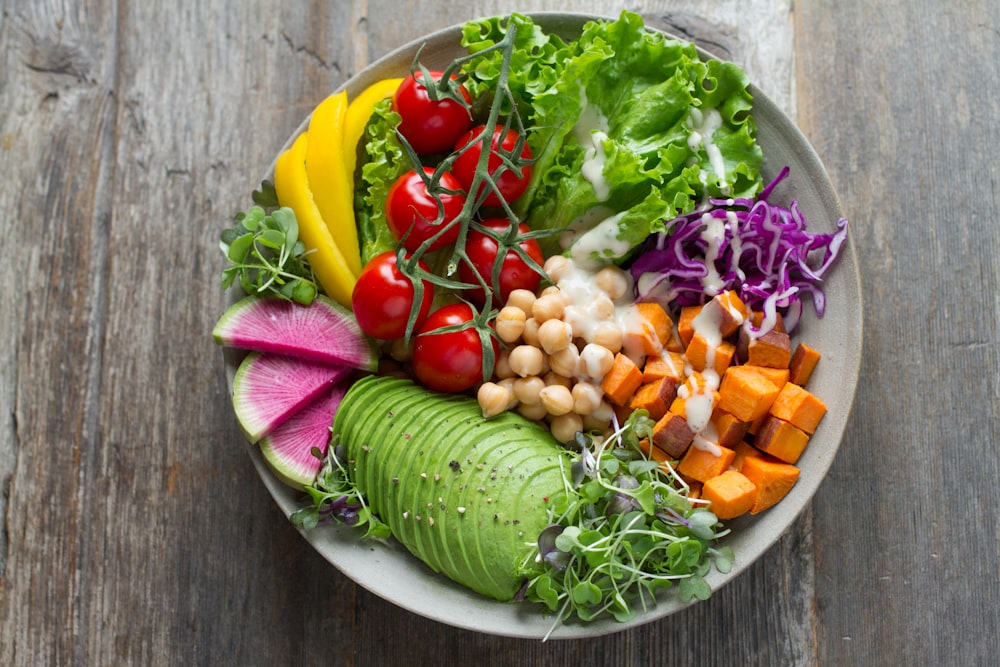
For those just starting an iron deficiency diet, focus on consistency. Small, frequent portions of iron-rich foods are often better absorbed than one massive dose, as the body’s iron transporters can become saturated. Incorporating iron-dense snacks throughout the day can help bridge the gap if your main meals are lower in iron.
Enhancing Iron Absorption with Vitamin C
One of the most effective strategies for foods to increase hemoglobin levels naturally is a technique called nutrient pairing. This involves consuming vitamin C-rich foods at the same time as non-heme iron sources. The science behind this is fascinating: non-heme iron usually exists in the ferric state (Fe3+), which is not easily absorbed. Ascorbic acid (vitamin C) acts as a reducing agent, converting ferric iron into the ferrous state (Fe2+), which is much more soluble.
Furthermore, ascorbic acid helps the Dcytb protein in the intestinal lining facilitate the duodenal absorption process. By creating a more acidic environment in the stomach and early part of the small intestine, vitamin C prevents iron from forming insoluble complexes with other dietary components. Simple pairings include adding a squeeze of lemon to your sautéed spinach or having a bowl of iron-fortified cereal with a side of sliced strawberries.
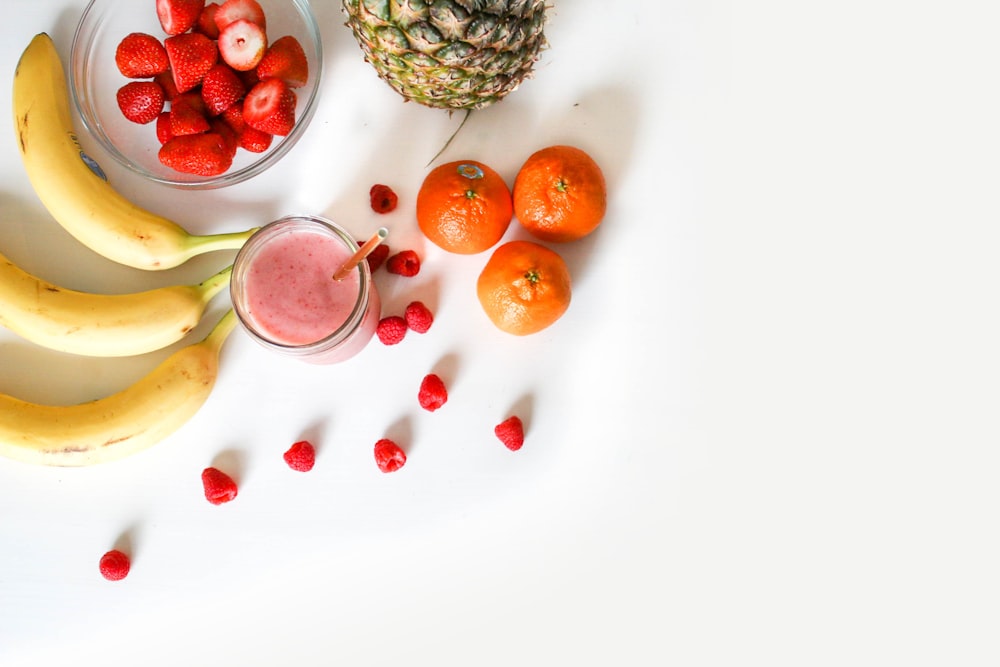
Research suggests that enhancing iron absorption with vitamin C can increase the uptake of non-heme iron by as much as three to six times. This makes vitamin C a non-negotiable component of any iron deficiency diet, especially for those who do not consume animal products.
Managing Iron Inhibitors: What to Avoid
While some foods help you absorb iron, others act as barriers. These iron inhibitors can bind to iron in the digestive tract, making it impossible for the body to absorb. If you are struggling with low hemoglobin, it is just as important to manage these "blockers" as it is to eat iron-rich foods.
The primary culprits are:
- Dietary Tannins: Found in tea and coffee, these polyphenols can significantly reduce iron uptake.
- Phytic Acid: This compound is found in whole grains, legumes, and nuts. While these foods are healthy, the phytic acid can bind to non-heme iron.
- Calcium: High doses of calcium from dairy products or supplements can interfere with both heme and non-heme iron absorption.
To mitigate these effects, timing is everything. A helpful rule of thumb for an iron deficiency diet is to wait at least two hours between consuming iron-rich meals and having tea, coffee, or high-calcium foods. This allows the iron to pass through the duodenum where most absorption occurs before the inhibitors can interfere.
Beyond Iron: Folate and Vitamin A for Blood Health
While iron is the central component of hemoglobin, it doesn't work alone. Red blood cell synthesis requires a symphony of nutrients. Folate, also known as Vitamin B9, is essential for the maturation of red blood cells. Without enough folate, the body may produce abnormally large red blood cells that cannot function correctly, a condition distinct from microcytic anemia but equally fatiguing.
Vitamin A also plays a crucial role in iron homeostasis. It helps mobilize iron from the body's storage sites, where it is held as serum ferritin, and moves it into the developing red blood cell. Without adequate Vitamin A, iron can become "trapped" in storage, leaving the body unable to produce enough hemoglobin despite having adequate total iron levels.
Including foods like sweet potatoes, carrots (for Vitamin A), and avocados or nuts (for folate) ensures that your iron deficiency diet supports the entire lifecycle of a red blood cell.
When Diet Isn't Enough: Signs You Need Screening
Sometimes, dietary changes alone are not sufficient to correct a deep deficiency. If you experience persistent fatigue, shortness of breath, pale skin, or cold hands and feet, these are classic signs you need an iron deficiency screening. These symptoms often point toward microcytic anemia, where the red blood cells are smaller and paler than normal due to a lack of hemoglobin.
A clinical screening typically involves a blood test to check your hemoglobin levels and serum ferritin. While hemoglobin tells us how much iron is currently in circulation, serum ferritin reflects your body's long-term iron stores. It is possible to have normal hemoglobin but very low ferritin, which is a state called iron deficiency without anemia. For families, WIC participants can request screenings for themselves or their children directly through program staff to monitor these levels closely.
If your levels are severely low, a healthcare provider might recommend iron supplements alongside your iron deficiency diet. However, supplementation should always be supervised, as excessive iron can be harmful.
FAQ
What foods are highest in iron for an iron deficiency?
The most concentrated sources of heme iron are organ meats like beef liver and shellfish such as clams. For non-heme iron, fortified breakfast cereals, white beans, and lentils offer the highest amounts per serving.
What foods block iron absorption?
The primary inhibitors are dietary tannins found in coffee and tea, phytic acid found in whole grains and legumes, and high amounts of calcium found in dairy products. These substances bind to iron in the gut and prevent it from entering the bloodstream.
Does Vitamin C help the body absorb iron?
Yes, vitamin C, or ascorbic acid, is the most powerful promoter of non-heme iron absorption. It chemically reduces iron into a more soluble form and assists the transport proteins in the intestinal wall during duodenal absorption.
What are the best iron-rich foods for vegetarians?
Vegetarians should focus on lentils, beans, tofu, pumpkin seeds, and dark leafy greens. It is essential for vegetarians to combine these plant based iron sources for vegans with vitamin C to overcome the lower bioavailability of non-heme iron.
Can you fix iron deficiency by eating more meat?
Eating more meat can help because heme iron has a high absorption rate. However, a balanced iron deficiency diet that includes a variety of sources and avoids inhibitors is usually more sustainable and effective for long-term health.
Is it better to take iron supplements or eat iron-rich foods?
Ideally, iron should come from a diverse iron deficiency diet because food provides co-nutrients like folate and vitamin A that support blood health. Supplements are useful for correcting severe deficiencies quickly but can cause digestive side effects and should be used under medical guidance.
Taking the Next Step for Better Health
Improving your hemoglobin levels is a marathon, not a sprint. By focusing on the bioavailability of your food choices and understanding the difference between heme and non-heme sources, you can take control of your energy levels. Start by incorporating one heme iron source or a vitamin C and non-heme pairing into your daily routine.
Remember to monitor how you feel and seek professional help if symptoms persist. A consistent iron deficiency diet combined with regular clinical checks of your serum ferritin is the most reliable way to ensure your body has the oxygen-carrying capacity it needs to thrive. Focus on nutrient pairing, manage those inhibitors, and prioritize whole, iron-dense foods to rebuild your health from the inside out.