Quick Facts
- Health Impact: Research suggests that lifestyle factors like diet and exercise account for only about 10% of overall health outcomes, with genetics and social determinants playing a much larger role.
- Reporting Gap: People tracking their food often struggle with accuracy, as caloric intake is frequently underreported by up to 30% in self-logged journals.
- Priority Shift: According to consumer research from 2023, weight management has dropped to the sixth priority on global health goal lists, falling behind sleep, immunity, and mental well-being.
- Satiety Rule: Adopting the 80% fullness rule, a practice of stopping when you are comfortably satisfied rather than stuffed, is a scientifically supported method for natural self-regulation.
- Biological Drive: Restrictive eating often backfires because the human body has a natural biological drive to crave carbohydrates as a primary defense against perceived starvation.
- Holistic Focus: Transitioning to an intuitive eating guide involves moving away from external metrics toward internal signals of hunger and satisfaction.
Transitioning from rigid diet plans to a holistic health model requires a shift in mindset. This Intuitive Eating Guide explores the principles of intuitive eating and provides practical steps to stop calorie counting, helping you build a sustainable, self-compassionate relationship with food. To start, focus on interoceptive awareness to recognize internal satiety signals rather than external calorie rules. Identifying and silencing the food police—those internal voices that label foods as good or bad—is a critical first step in rebuilding a neutral relationship with food.
Breaking the Cycle: Rejecting Diet Culture
For decades, we have been told that health is a mathematical equation: calories in versus calories out. However, many of us have found that this equation rarely leads to long-term peace. Diet culture is the pervasive belief system that equates thinness with worth and health, often promoting restrictive behaviors that lead to a cycle of weight cycling and mental exhaustion. When we focus purely on the scale, we lose sight of the bigger picture of well-being.
Recent data confirms a significant shift in how the world views wellness. Consumer research from 2023 shows that weight management has dropped to the sixth priority on global health goal lists. It has been overtaken by concerns such as sleep health, immunity, mental well-being, and digestive health. This reflects a growing understanding that health is multifaceted and cannot be measured by a single number.
Improving food relationship after years of chronic dieting starts with adopting the principles of health at every size and weight inclusivity. This means acknowledging that bodies come in all shapes and sizes and that health is accessible to everyone, regardless of their weight. By embracing body neutrality, we stop viewing our bodies as projects to be fixed and start treating them as vessels to be cared for. This shift allows us to focus on behaviors that actually improve our quality of life, such as getting better sleep or managing stress, rather than obsessing over the caloric density of a salad.
The Core Pillars: Principles of Intuitive Eating
Intuitive eating is not a diet; it is a weight-neutral self-care framework. It was developed to help individuals move away from the noise of the weight-loss industry and back toward their innate wisdom. At its heart are the principles of intuitive eating, which act as a compass for navigating a world filled with food rules.
One of the most important concepts to understand is the shoe size analogy. Just as we would never try to force a size 9 foot into a size 6 shoe, we must accept that our bodies have a natural, genetic set point. Trying to fight this biological blueprint through restriction often leads to the very health issues we are trying to avoid.
The principles include:
- Reject the Diet Mentality: Throw out the books and articles that offer the false hope of losing weight quickly and permanently.
- Honor Your Hunger: Keep your body biologically fed with adequate energy and carbohydrates to prevent a primal drive to overeat.
- Make Peace with Food: Give yourself unconditional permission to eat. If you tell yourself that you cannot have a certain food, it can lead to intense feelings of deprivation that build into uncontrollable cravings.
- Challenge the Food Police: Scream a loud no to thoughts that monitor every bite you take.
- Discover the Satisfaction Factor: In our fury to be thin and healthy, we often overlook one of the most basic gifts of existence—the pleasure and satisfaction that can be found in the eating experience.
By focusing on these pillars, you move toward a state of food freedom. This all-foods-fit philosophy removes the moral labels from what we eat. When no food is forbidden, the psychological power that "bad" foods hold over us begins to fade. It requires a great deal of self-compassion to unlearn years of conditioning, but the result is a much more stable and joyful relationship with your plate.
The Exit Strategy: Steps to Stop Calorie Counting
If you have spent years logging every gram of protein, the idea of stopping can feel like jumping out of a plane without a parachute. However, steps to stop calorie counting are essential for anyone looking to reclaim their mental space. Research has linked constant calorie tracking to increased mental exhaustion and a higher risk of developing disordered eating patterns.
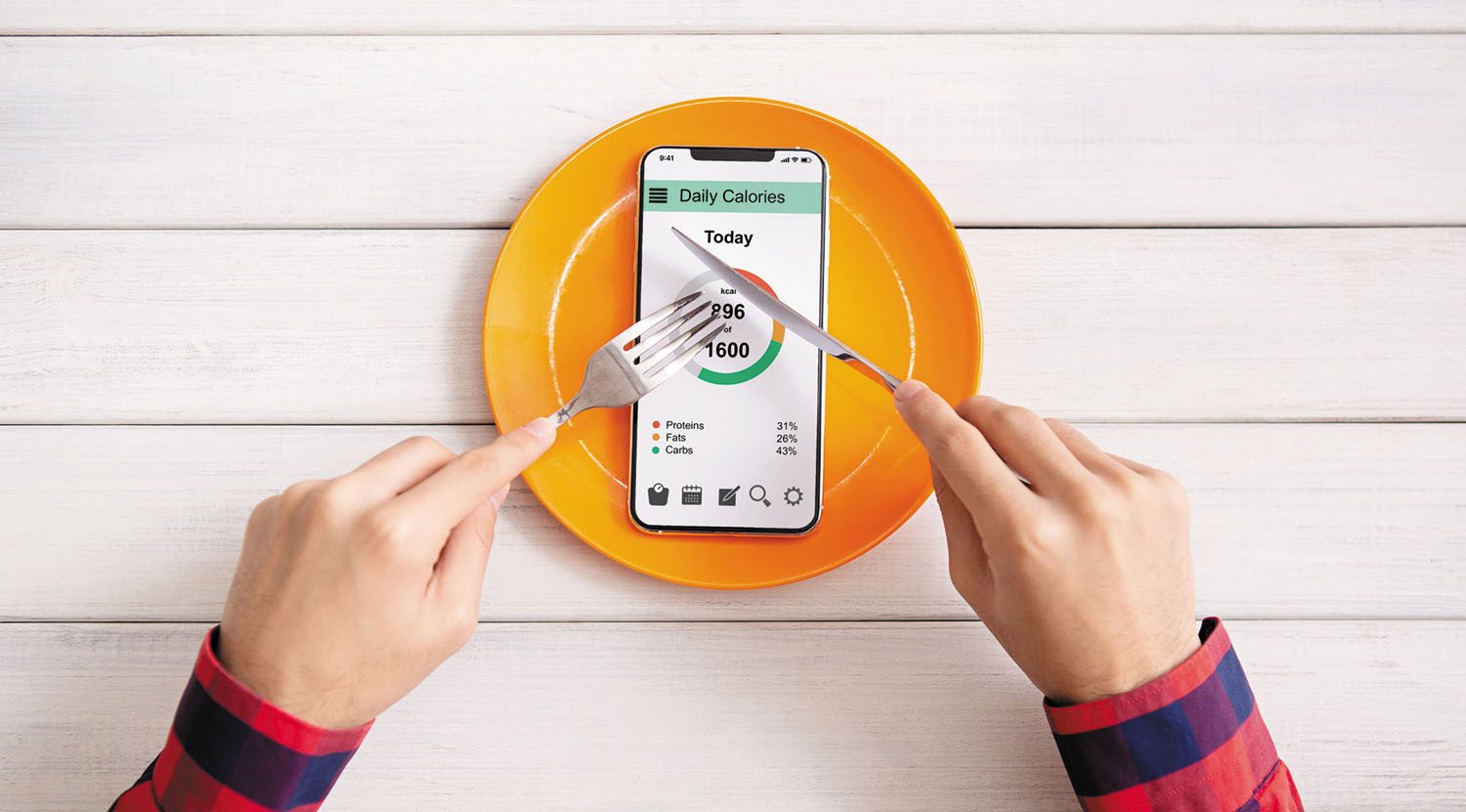
To begin, we recommend a digital detox. Delete the tracking apps from your phone. These tools often create a disconnect between your brain and your stomach, teaching you to trust an algorithm over your own satiety signals. Once the apps are gone, you can transition from calorie counting to mindful eating by using more flexible, visual methods of nourishing yourself.
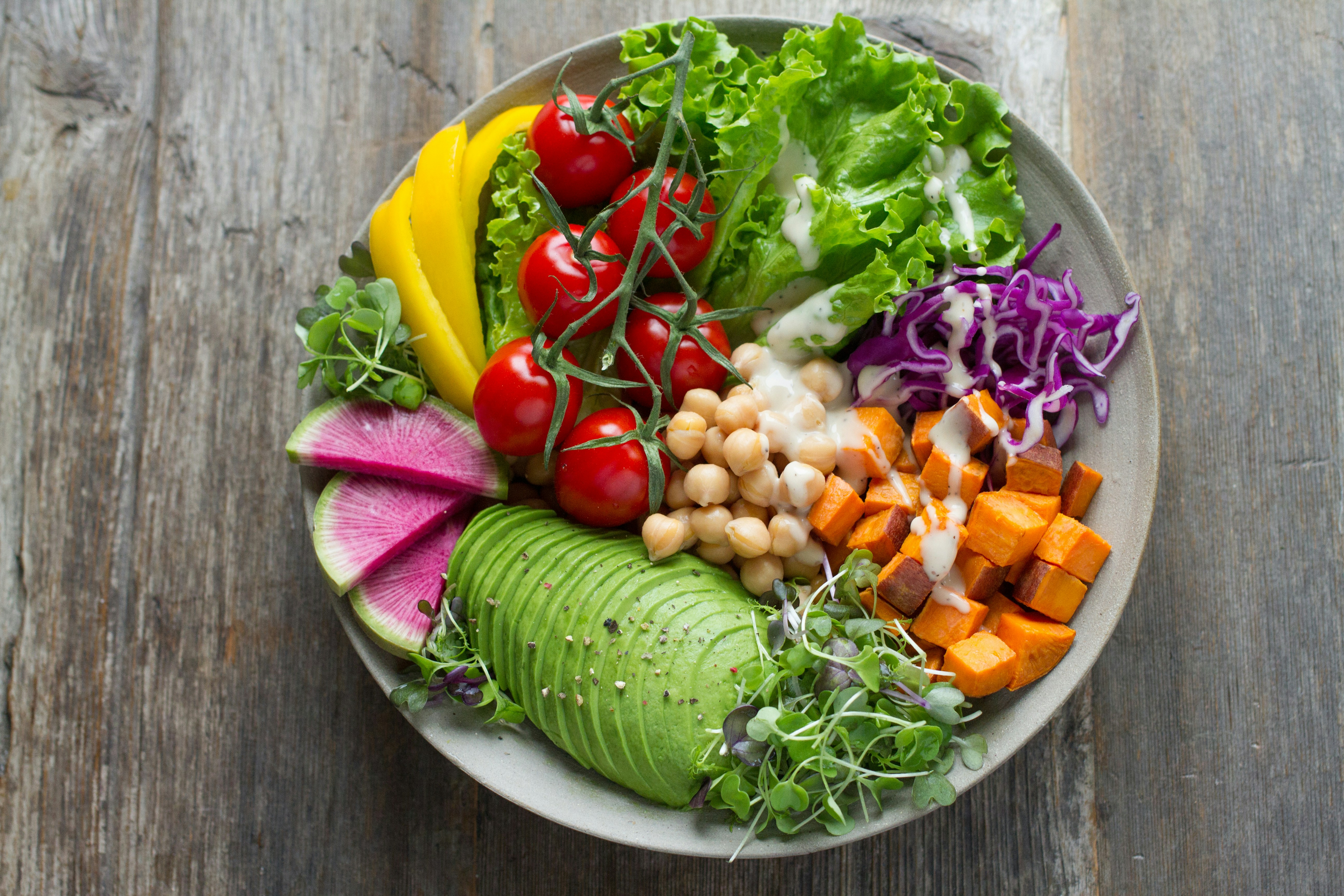
One effective tool is the plate method. Instead of measuring portions by weight, aim for a visual balance: half the plate with colorful vegetables, one-quarter with protein, and one-quarter with carbohydrates, along with a serving of healthy fats. If you need more specific guidance without the stress of scales, consider hand-based portioning as a stress-free alternative.
| Food Group | Portion Size | Visual Cue |
|---|---|---|
| Protein | 3-4 oz | Palm of your hand |
| Carbohydrates | 1/2 cup | Cupped hand |
| Vegetables | 1 cup | Your fist |
| Healthy Fats | 1 tbsp | Your thumb |
Using these cues allows you to ensure you are getting enough energy without the obsessive focus on numbers. This is a vital part of improving relationship with food because it shifts the focus from "how much can I have?" to "what does my body need to feel energized?"

Mastering Internal Cues: Recognizing Hunger and Fullness
The bridge between dieting and holistic health is interoceptive awareness. This is the ability to perceive physical sensations that arise from within the body. Many chronic dieters have "muted" these signals over time. Learning how to recognize physical hunger and fullness cues is like relearning a language you once spoke fluently as a child.
Physical hunger typically comes on gradually. You might feel a growl in your stomach, a slight drop in energy, or a feeling of emptiness. Emotional hunger, on the other hand, often hits suddenly and is usually for a very specific "comfort" food. When you feel the urge to eat, take a moment to check in. Ask yourself, "What is the sensation in my body?" If it is emotional, the "hunger" is often a sign of a need for rest, connection, or stress relief rather than fuel.
We also encourage practicing the 80% fullness rule. This is the practice of eating until you are satisfied—not stuffed, and certainly not still hungry. Because it takes about 20 minutes for the brain to receive satiety signals from the gut, eating slowly and mindfully is key. When you reach that point where the food no longer tastes as vibrant as the first few bites, you have likely reached a comfortable level of fullness.

Gentle Nutrition: Sustaining Holistic Health
The final stage of this transition is gentle nutrition. It is intentionally placed last because if you start here, it can easily turn back into a diet. Gentle nutrition is about making food choices that honor both your health and your taste buds. It is about the long-term patterns of your eating, not the perfection of a single meal.
We advocate for an add, don't subtract strategy. Instead of focusing on what you should cut out, look for what you can add to your meals to make them more nourishing. Can you add a handful of spinach to your morning eggs? Can you add a serving of beans to your soup for extra fiber? This approach increases self-efficacy and makes healthy eating feel like an abundance rather than a sacrifice.
Furthermore, holistic health involves shifting your view of physical activity. Instead of exercise being a tool for calorie-burning or a punishment for what you ate, focus on joyful movement. This means choosing activities because they make you feel good, improve your mood, or give you more energy to play with your kids. Whether it’s a walk in the park, a dance class, or restorative yoga, movement should be a celebration of what your body can do. Incorporating gentle nutrition into a non-diet lifestyle ensures that your health habits are sustainable and rooted in self-care rather than self-control.

FAQ
What are the 10 principles of intuitive eating?
The 10 principles include rejecting the diet mentality, honoring your hunger, making peace with food, challenging the food police, discovering the satisfaction factor, feeling your fullness, coping with your emotions with kindness, respecting your body, movement—feel the difference, and honoring your health with gentle nutrition. These pillars work together to dismantle the diet mindset and help you reconnect with your body's natural wisdom.
How do I start practicing intuitive eating?
The best way to start is by how to start intuitive eating for beginners: begin with the first principle of rejecting the diet mentality. This involves recognizing the harm that restrictive dieting has caused and making a conscious decision to stop following external rules. From there, focus on honoring your hunger cues by eating when you feel early signs of hunger, which prevents the extreme hunger that often leads to a feeling of loss of control around food.
Can you lose weight while following an intuitive eating guide?
The primary goal of an intuitive eating guide is not weight loss, but rather improved psychological and physical health. While some people may lose weight as they stop bingeing or emotional eating, others may stay the same or gain weight as their body reaches its natural set point. The focus is on weight inclusivity and health markers like improved blood pressure, better cholesterol levels, and reduced stress, rather than the number on the scale.
How do I tell the difference between physical and emotional hunger?
Physical hunger usually develops slowly over time and can be satisfied by a variety of foods. You will feel physical sensations in your stomach or a gradual decline in energy. Emotional hunger usually comes on suddenly, feels urgent, and is typically a craving for a specific texture or taste (like something crunchy or sweet). Often, emotional hunger is a signal that you are seeking comfort, distraction, or a way to cope with a difficult feeling.
What are the main health benefits of intuitive eating?
Studies have shown that intuitive eating is associated with higher self-esteem, better body image, and lower rates of disordered eating. Physically, it is linked to better HDL cholesterol levels, lower triglycerides, and lower levels of cardiovascular inflammation. Perhaps the greatest benefit is the reduction in chronic stress that comes from no longer obsessing over food, which significantly improves overall mental well-being and life satisfaction.