Quick Facts
- Global Prevalence: Approximately 68 percent of the global population experiences lactose malabsorption, making the transition to plant-based eating a common health-driven choice.
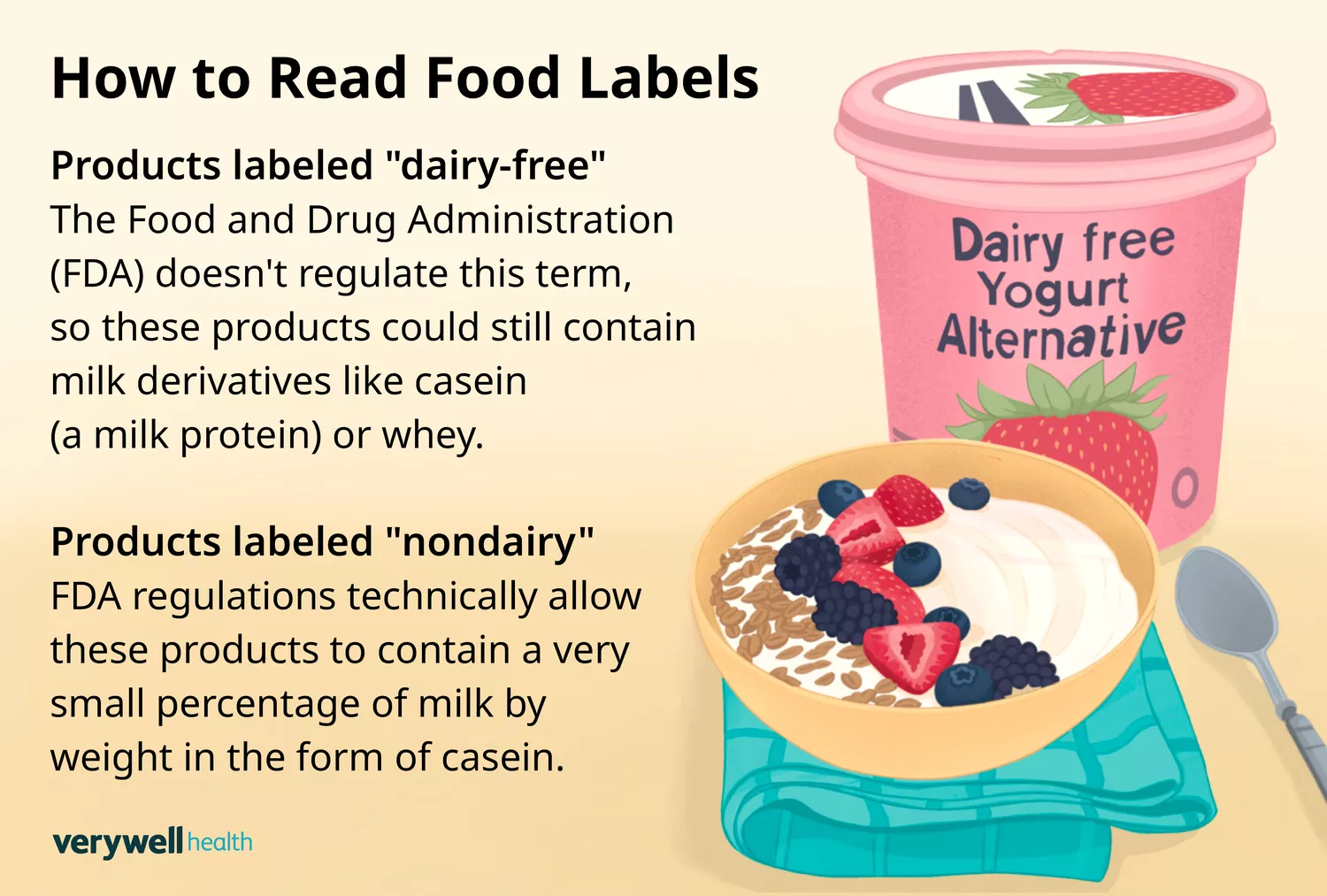
- Label Vigilance: The term non-dairy on a label does not legally mean dairy-free; these products can still contain milk derivatives like casein which trigger sensitivities.
- Calcium Focus: Prioritize bioavailable calcium sources such as kale, broccoli, chia seeds, and fortified foods to maintain bone health without traditional milk.
- The Pantry Swap: Use nutritional yeast for a cheesy umami flavor and explore oat or soy milk for the most creamy, dairy-like textures in cooking.
- Hidden Risks: Up to 20% of prescription medications and various processed meats or flavored snacks contain hidden dairy ingredients on labels.
- Market Trends: A significant 75 percent of global consumers are now actively seeking plant-based alternatives to traditional meat and dairy products.
Transitioning to a dairy free diet doesn't have to be overwhelming. With 68% of the global population experiencing lactose maldigestion, moving toward a plant-based lifestyle is a path to better digestive wellness. Beginners can successfully transition to a dairy free diet by auditing their pantry for hidden dairy ingredients on labels and replacing staples with bioavailable plant-based alternatives. Focus on whole foods and certified dairy-free products to simplify the transition and support digestive wellness.
Step 1: Mastering the Label - Identifying Hidden Dairy
Starting a dairy free diet for beginners guide often begins in the grocery store aisle. To the untrained eye, a product might look safe, but dairy has a way of hiding behind technical terminology. The first rule of thumb for digestive wellness is to look for the FDA-mandated statement near the ingredient list. By law, if a product contains milk, it must clearly state Contains: Milk. However, this is just your first line of defense.
To truly master how to read labels for hidden dairy, you need to recognize the chemical names of milk derivatives. Casein and whey are the two primary proteins found in milk, and they are frequently separated and used as thickeners or protein boosters in everything from protein bars to bread. Lactose, the sugar in milk, is another common additive used for texture or as a carrier for flavors.

Regulatory Loopholes: Dairy-Free vs. Non-Dairy It is vital to understand the legal distinction between these two terms. While dairy-free is generally understood to mean a product contains no milk at all, the term non-dairy is a regulatory classification often used for coffee creamers. Legally, non-dairy products are allowed to contain milk derivatives like sodium caseinate. For someone with a severe allergy or a strict commitment to a plant-based lifestyle, this distinction is critical.
Beyond the obvious, there are many unexpected foods with hidden dairy that might catch you off guard. Flavored potato chips often use whey to help the seasoning stick to the chip. Deli meats may use lactose as a binder, and even some canned tuna brands use casein to prevent the fish from sticking together. Always check the label every time you shop, as manufacturers frequently change their formulations without warning.
Step 2: Stocking the Pantry - The Dairy Alternatives List
Once you have cleared the hidden dairy ingredients on labels from your kitchen, it is time to focus on abundance. The modern grocery store offers an incredible dairy alternatives list that makes plant-based lifestyle transitions much smoother than they were even five years ago. The key is knowing which alternative works best for specific culinary needs.
Plant-Based Milk Alternatives
When performing a dairy-free milk and cheese alternatives comparison, consider the fat and protein content. Soy milk remains a gold standard for nutrition because its protein profile is closest to cow’s milk. For coffee or cereal, oat milk provides a naturally sweet, creamy texture that mimics full-fat dairy remarkably well. Almond milk is a popular low-calorie choice for smoothies, while coconut milk offers a rich thickness perfect for curries and baking.
The Art of Dairy-Free Cheese
Replacing cheese is often the hardest part of a dairy free diet. Many beginners find success using nutritional yeast, a deactivated yeast that has a natural nutty and cheesy flavor. It can be sprinkled on popcorn, stirred into pasta, or used to make sauces. For a more traditional cheese experience, look for products made from cultured cashews or almonds, which offer the tang and creaminess found in fermented dairy.
Dairy-Free Baking Substitutes
Baking without butter or milk is surprisingly simple. For moisture, you can use unsweetened applesauce or mashed bananas. For fat, coconut oil or avocado oil provide excellent results. When a recipe calls for buttermilk, simply add a teaspoon of apple cider vinegar to your plant-based milk and let it sit for five minutes to curdle. This creates a dairy-free version that provides the necessary acidity for leavening.
Step 3: Nutritional Balance - Calcium Beyond the Cow
A common concern when moving away from dairy is bone health. However, many plant-based foods offer excellent bioavailable calcium sources that are easily absorbed by the body. Calcium bioavailability refers to how much of the mineral your body can actually use. Interestingly, the calcium in dark leafy greens like kale and bok choy is actually absorbed at a higher rate than the calcium in milk.
To ensure you are getting the best calcium sources for dairy free diet success, focus on a variety of foods rather than just one. Chia seeds, flaxseeds, and sesame seeds (especially tahini) are concentrated sources of minerals. Many plant milks and breakfast cereals are also fortified with calcium and Vitamin D. Vitamin D is essential because your body cannot effectively absorb calcium without it. If you live in a northern climate or spend most of your time indoors, a supplement may be necessary to support this process.
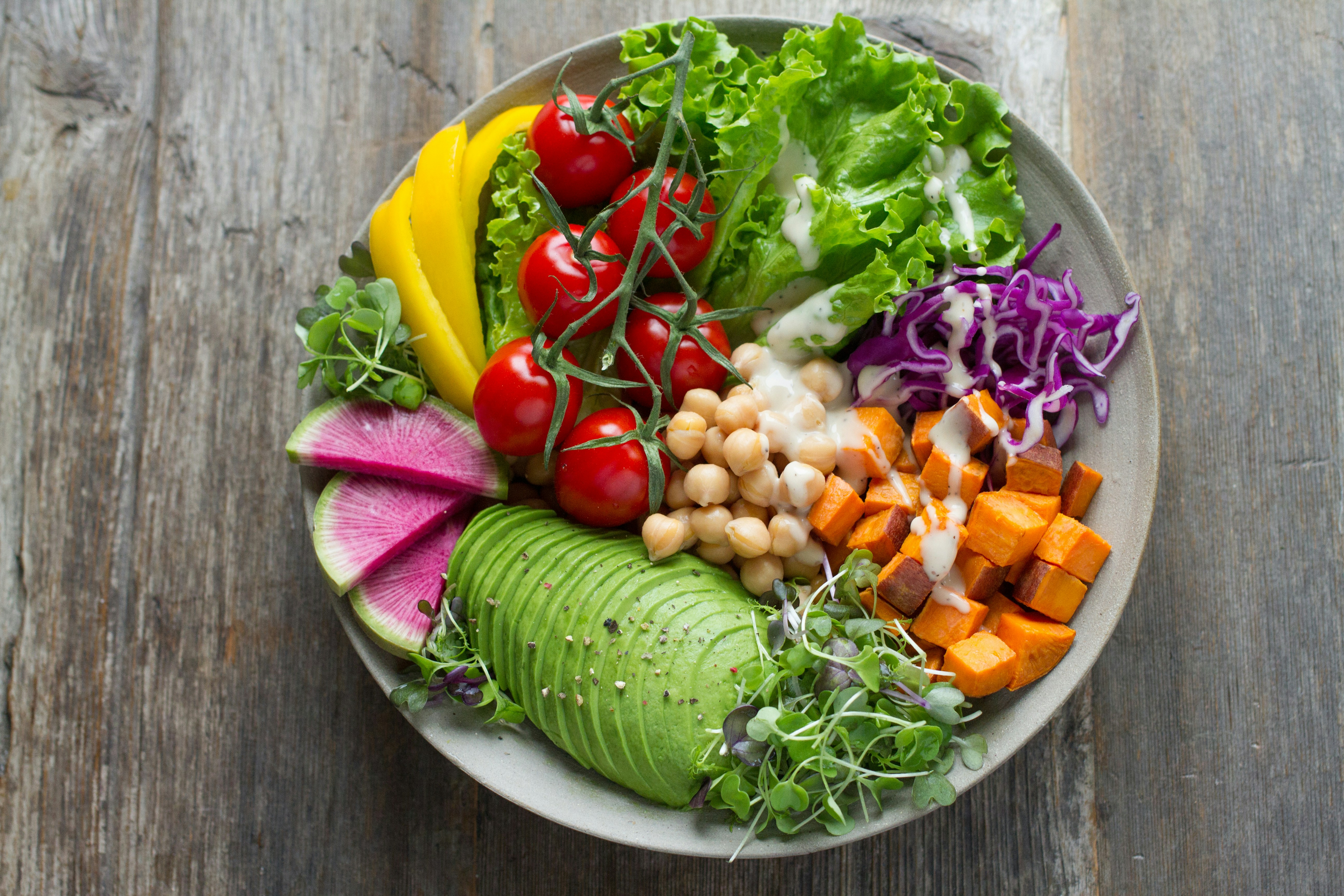
Lactose intolerance or maldigestion doesn't mean you have to sacrifice mineral density. By incorporating broccoli, oranges, almonds, and white beans into your daily routine, you can easily meet your nutritional requirements while avoiding the digestive distress associated with dairy.
Step 4: Daily Execution - Dairy-Free Meal Planning for Beginners
The secret to a long-term dairy free diet is preparation. When you have a plan, you are less likely to reach for a dairy-heavy convenience food when you are tired. Effective dairy-free meal planning for beginners starts with a pantry audit. Replace your butter with olive oil or a plant-based spread, and swap your yogurt for a coconut or soy-based version.
The Safe 13 Food Groups
When planning your meals, focus on these naturally dairy-free categories:
- Whole grains (rice, quinoa, oats)
- Legumes (lentils, chickpeas, beans)
- Fresh vegetables
- Fresh fruits
- Nuts and seeds
- Lean proteins (poultry, fish, tofu)
- Healthy fats (avocado, olive oil)
- Herbs and spices
- Vinegars and citrus
- Natural sweeteners (maple syrup, honey)
- Plant-based broths
- Coconut products
- Fermented foods (kimchi, sauerkraut)
In the kitchen, be mindful of cross-contamination safety. If you live in a mixed household where others still consume dairy, use separate cutting boards or thoroughly wash utensils to avoid traces of allergens. This is particularly important for those with severe sensitivities or allergies.
Sample One-Day Dairy-Free Meal Plan
| Meal | Option | Dairy-Free Swap |
|---|---|---|
| Breakfast | Overnight Oats | Use oat milk and top with chia seeds and berries |
| Lunch | Mediterranean Bowl | Hummus instead of tzatziki; extra olives for flavor |
| Snack | Apple Slices | Pair with almond butter instead of cheese |
| Dinner | Roasted Salmon | Use olive oil and lemon instead of butter |
| Dessert | Dark Chocolate | Ensure it is at least 70% cacao and check for milk solids |
Navigating the Real World: Restaurants and Medications
Living a dairy-free life requires a bit of advocacy when you leave your home. When ordering dairy-free at restaurants tips include being specific with your server. Don't just ask if a dish is dairy-free; ask about the specific components. Many vegetables are sautéed in butter, and soups are often thickened with cream or milk-based roux. Salad dressings, especially creamy ones like ranch or Caesar, are high-risk items. Stick to oil and vinegar or vinaigrettes to be safe.
Another often-overlooked area is the pharmacy. It may come as a surprise, but the medicine cabinet can be a source of hidden lactose. Approximately 20% of prescription drugs and 6% of over-the-counter medications use lactose as a filler or binder. While the amount is small, for individuals with extreme lactose maldigestion, it can be enough to cause symptoms. Always inform your pharmacist of your dietary restrictions.
The Medicine Cabinet Warning Lactose is a very common inactive ingredient in pills because it is chemically stable and cost-effective. If you find yourself experiencing unexplained digestive issues despite a strict dairy free diet, check the inactive ingredients list of your daily medications or supplements.
Finally, beware of the goat’s milk myth. Many people believe that switching to goat or sheep milk is a valid way to go dairy-free. While these milks have slightly different protein structures, they still contain lactose and similar proteins that can cause reactions in those sensitive to cow's milk. For a true dairy-free experience, stick to plant-derived options.
FAQ
What can you eat on a dairy free diet?
You can enjoy all fruits, vegetables, grains, legumes, nuts, seeds, and meats. Most global cuisines, such as Southeast Asian and Mediterranean styles, are naturally low in dairy or can be easily adapted. By focusing on whole, unprocessed foods, you naturally avoid most dairy-related risks.
What are the health benefits of going dairy free?
Many individuals report improved digestive wellness, reduced bloating, and clearer skin after eliminating dairy. Since 68% of people have difficulty digesting lactose, removing it can significantly reduce inflammatory responses in the gut and improve overall energy levels.
How do I get enough calcium on a dairy free diet?
Focus on plant sources with high bioavailability, such as kale, collard greens, and broccoli. Additionally, include fortified plant milks, tofu processed with calcium sulfate, and mineral-rich seeds like chia and sesame. Ensuring adequate Vitamin D intake is also essential for calcium absorption.
What is the difference between dairy free and lactose free?
Lactose-free products are still made from cow's milk but have had the enzyme lactase added to break down the milk sugar. Dairy-free products contain no animal milk at all and are typically made from plants like nuts, grains, or legumes. If you have a milk protein allergy, you must choose dairy-free.
What foods are surprisingly not dairy free?
Many unexpected items contain milk derivatives, including flavored crackers, processed deli meats, bread crumbs, salad dressings, and even some brands of chewing gum or "non-dairy" coffee creamers that contain sodium caseinate. Always read the full ingredient list to ensure safety.