Quick Facts
- The Health Halo Trap: While approximately 27% of American consumers choose gluten-free options to lose weight, gluten-free labeling does not inherently mean low-calorie or healthy.
- Unexpected Weight Gain: Research indicates that up to 81% of patients with celiac disease experience weight gain after two years on a gluten-free diet, often due to high-calorie processed substitutes.
- Nutritional Vulnerability: Poorly planned gluten-free diets often lead to inadequate intake of fiber, iron, calcium, and B vitamins like folate and thiamin.
- The Satiety Solution: Prioritizing nutrient dense gluten free foods such as pseudocereals and leafy greens increases fiber intake and helps maintain a calorie deficit.
- Smart Substitution: Success relies on replacing refined flours with whole-food carbohydrates like quinoa and legumes to stabilize insulin sensitivity and energy levels.
- Expert Recommendation: Consult a registered dietitian to bridge nutritional gaps and develop a sustainable 1500 calorie gluten free meal plan for weight loss.
Effective gluten free weight loss requires a strategic shift away from processed substitutes toward a whole foods approach centered on lean proteins, healthy fats, and complex carbohydrates. By working with a registered dietitian to prioritize micronutrient density and fiber, you can achieve a sustainable calorie deficit while avoiding the hidden sugars and fats prevalent in packaged gluten-free goods.
The Gluten-Free Health Halo: Why Traditional GF Diets Fail
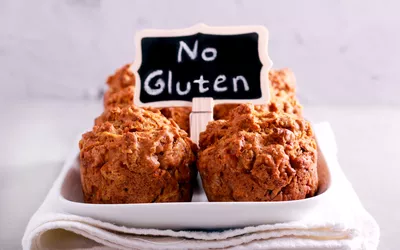
For many, the transition to a gluten-free lifestyle begins with a search for health, yet the reality of the modern grocery store can quickly derail these intentions. The health halo effect suggests that consumers perceive any product labeled gluten-free as a health food. However, many manufacturers replace the structural properties of gluten with extra sugar, saturated fats, and refined starches like tapioca or potato starch. These ingredients have a high glycemic index, which can spike blood sugar and negatively impact insulin sensitivity, ultimately leading to fat storage rather than weight loss.
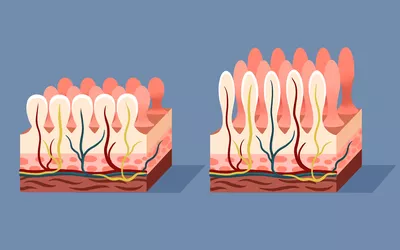
When we look at the biology of Celiac disease or non-celiac gluten sensitivity, the initial transition often involves healing the gut. In cases of Celiac disease, the immune system attacks the small intestine, leading to villous atrophy—a flattening of the nutrient-absorbing lining. As the gut heals on a strict diet, nutrient absorption improves. If a person continues to consume high-calorie, low-nutrient processed items during this recovery, the body becomes highly efficient at storing those excess calories, contributing to the high percentage of patients who gain weight.
To understand why many fail at gluten free weight loss, consider the nutritional profile of common substitutes compared to whole food alternatives.
| Food Item (100g) | Calories | Fiber (g) | Primary Ingredient |
|---|---|---|---|
| Processed GF White Bread | 260 | 1.5 | Rice flour, Tapioca starch |
| Whole-Food Quinoa | 120 | 2.8 | Whole grain pseudocereal |
| Processed GF Crackers | 480 | 2.0 | Corn starch, Vegetable oil |
| Raw Carrots & Hummus | 110 | 4.5 | Root vegetable, Chickpeas |
Identifying hidden sugars in gluten free products for weight loss is essential. Many "healthy" GF granola bars or breads contain more sugar than their wheat-based counterparts to improve texture and flavor. To lose weight, you must transition your focus from what you are removing (gluten) to what you are adding (nutrient density).
Nutrient Density: The Best Gluten-Free Foods for Weight Loss
The most successful gluten free weight loss strategies revolve around the Aggregate Nutrient Density Index (ANDI). This index scores foods based on their micronutrient content relative to their calorie count. Leafy greens like Swiss chard, kale, and spinach top this list, providing high volumes of food for very few calories. This volume is critical for satiety, the feeling of fullness that prevents overeating.
Incorporating high fiber gluten free foods for weight loss is the most effective way to manage hunger. Fiber slows digestion and the release of glucose into the bloodstream. Beyond vegetables, focus on pseudocereals such as quinoa, buckwheat, and amaranth. These are naturally gluten-free seeds that act like grains but offer significantly more protein and fiber, supporting a healthy metabolic rate and muscle maintenance.
High-fiber seeds like chia and flax should also be staples in your pantry. They provide prebiotic fiber, which feeds the beneficial bacteria in your gut. A healthy microbiome is increasingly linked to easier weight management and reduced inflammation. Furthermore, ensuring adequate intake of lean proteins—such as wild-caught salmon, poultry, and legumes—helps preserve lean muscle mass during a calorie deficit, which is vital for keeping your metabolism high.
Key nutrient dense gluten free foods to include in your daily rotation:
- Leafy Greens: Spinach, kale, and Swiss chard for high-volume, low-calorie nutrition.
- Lean Proteins: Chicken breast, turkey, lentils, and tofu for metabolic support.
- Pseudocereals: Quinoa and buckwheat for complex carbohydrates and satiety.
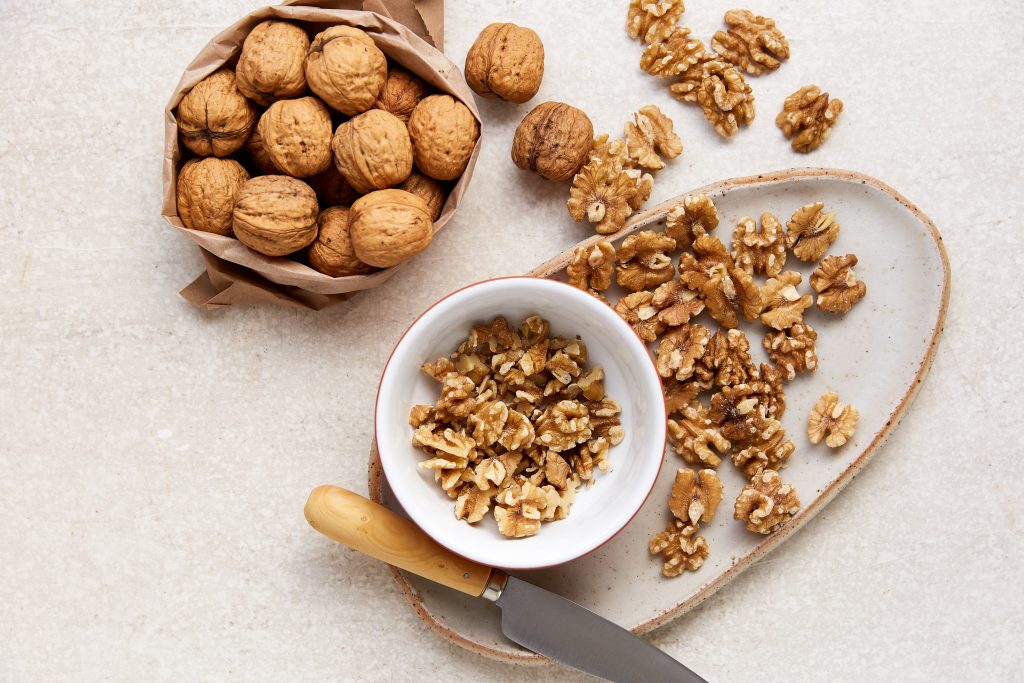
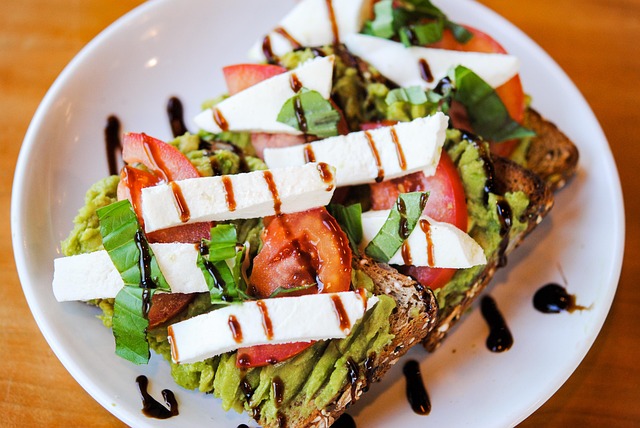
- Healthy Fats: Avocado and walnuts to support hormone health and nutrient absorption.
- Berries: Raspberries and blackberries for low-sugar, high-fiber antioxidants.
The 1500 Calorie Expert Meal Plan for Weight Loss
Creating a structured gluten free meal planning for weight loss approach removes the guesswork and reduces the temptation to reach for processed snacks. For many active individuals, a 1500 calorie gluten free meal plan for weight loss provides enough energy to sustain daily activities while facilitating a steady drop in body fat.
The key to success for busy professionals is gluten free meal prep for busy professionals weight loss. Dedicating a few hours on Sunday to batch cooking proteins, roasting vegetables, and portioning out pseudocereals ensures that healthy choices are the easiest choices throughout the week.

Sample 1-Day 1500 Calorie Gluten-Free Plan
| Meal | Description | Key Nutrients |
|---|---|---|
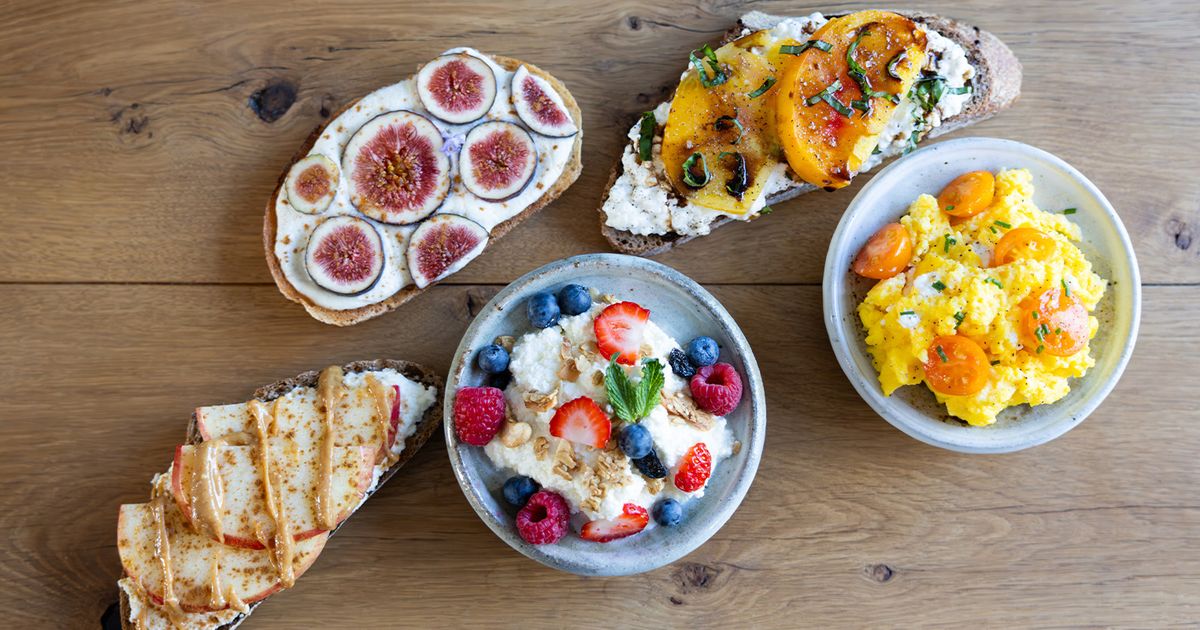
| Breakfast | Chia seed pudding with almond milk, topped with raspberries and pumpkin seeds. | Fiber, Omega-3s, Magnesium |
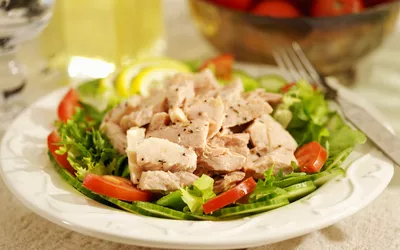
| Lunch | Large salad with grilled chicken, Swiss chard, cucumbers, and a lemon-tahini dressing. | Lean protein, Vitamin K, Folate |
| Snack | Greek yogurt (plain) with a small handful of walnuts. | Protein, Probiotics, Healthy fats |
| Dinner | Baked salmon with a side of sautéed kale and half a cup of cooked quinoa. | Vitamin D, Iron, B-vitamins |
Beyond the Plate: Strategic Snacking and Lifestyle
How to lose weight on a gluten free diet without processed foods requires a lifestyle shift that extends beyond your three main meals. Snacking is often where weight loss efforts are won or lost. Instead of reaching for GF pretzels or chips, choose healthy gluten free snacks for weight loss that combine protein and fiber. Examples include sliced bell peppers with hummus, a hard-boiled egg, or a small apple with almond butter. These combinations stabilize energy levels and prevent the insulin spikes that lead to mid-afternoon crashes.
Navigating the world outside your kitchen is equally important. When dining out, be vigilant about cross-contamination, especially if you have Celiac disease. Hidden gluten can appear in soy sauce, salad dressings thickened with flour, or even in some spice blends. Furthermore, some medications and cosmetics contain gluten-based fillers; while these are unlikely to impact weight directly, the inflammation caused by accidental ingestion can lead to water retention and digestive distress.
Finally, remember that weight loss is a marathon, not a sprint. If you find yourself struggling with the complexities of label reading or nutritional gaps, don't hesitate to seek professional help. A registered dietitian can provide a personalized roadmap, ensuring you are meeting your needs for iron, calcium, and B vitamins while moving toward your weight goals.
FAQ
Does a gluten-free diet help with weight loss?
A gluten-free diet is not a weight loss diet in itself; it is a medical necessity for those with gluten-related disorders. Weight loss only occurs if the diet results in a calorie deficit, which often happens when people cut out high-calorie wheat-based snacks and replace them with vegetables and lean proteins. However, replacing wheat with processed gluten-free substitutes often results in a higher calorie intake.
What are the best gluten-free foods for weight loss?
The best foods include nutrient-dense, whole ingredients such as leafy greens, cruciferous vegetables, lean proteins (fish, poultry, beans), and high-fiber seeds like chia and flax. Pseudocereals like quinoa and buckwheat are excellent carbohydrate choices because they provide more fiber and protein than refined rice or corn starches, leading to better satiety.
Can you gain weight while eating gluten-free?
Yes, it is very common to gain weight on a gluten-free diet. Many gluten-free packaged foods contain higher levels of sugar and fat to compensate for the loss of texture provided by gluten. Additionally, as the gut heals in Celiac patients, the body becomes more efficient at absorbing calories, which can lead to weight gain if the diet consists of calorie-dense processed foods.
Why am I gaining weight on a gluten-free diet?
Weight gain on a gluten-free diet is usually the result of consuming too many refined "GF" substitutes like breads, cookies, and pastas, which often have a higher glycemic index and more calories than their wheat counterparts. Other factors include a lack of fiber, which leads to increased hunger, and hidden sugars in processed gluten-free snacks.
What are common gluten-free weight loss mistakes?
Common mistakes include over-relying on processed gluten-free convenience foods, ignoring portion sizes of gluten-free grains, and failing to account for the hidden sugars in GF sauces and dressings. Many people also neglect fiber intake, which is crucial for staying full, leading to frequent snacking and a surplus of calories.