Quick Facts
- Core Benefit: This recipe offers a naturally gluten-free alternative to traditional sponge cakes, providing a rustic, sophisticated crumb that transitions perfectly from a midday snack to an elegant dinner party dessert.
- Ideal Ratio: For the best structural integrity, aim for a 2:1 or 3:1 ratio of almond flour to polenta; this ensures the cake remains moist while maintaining that signature bite.
- The Secret Hack: To eliminate any unpleasant grittiness, use the Ricotta Bloom technique by allowing your polenta to hydrate in a wet ingredient like ricotta or yogurt for at least thirty minutes before baking.
- Sweetener Choice: Utilizing natural sweeteners like honey or maple syrup improves moisture retention significantly compared to granulated white sugar, resulting in a longer shelf life.
- Market Growth: Reflecting a massive shift in consumer habits, the global gluten-free bakery market was valued at approximately $1.93 billion in 2024 and is projected to more than double by 2033.
- Nutritional Value: Beyond flavor, polenta serves as a complex carbohydrate source, providing roughly 2 grams of protein and 17 grams of complex carbohydrates per half-cup serving, along with essential minerals like magnesium.
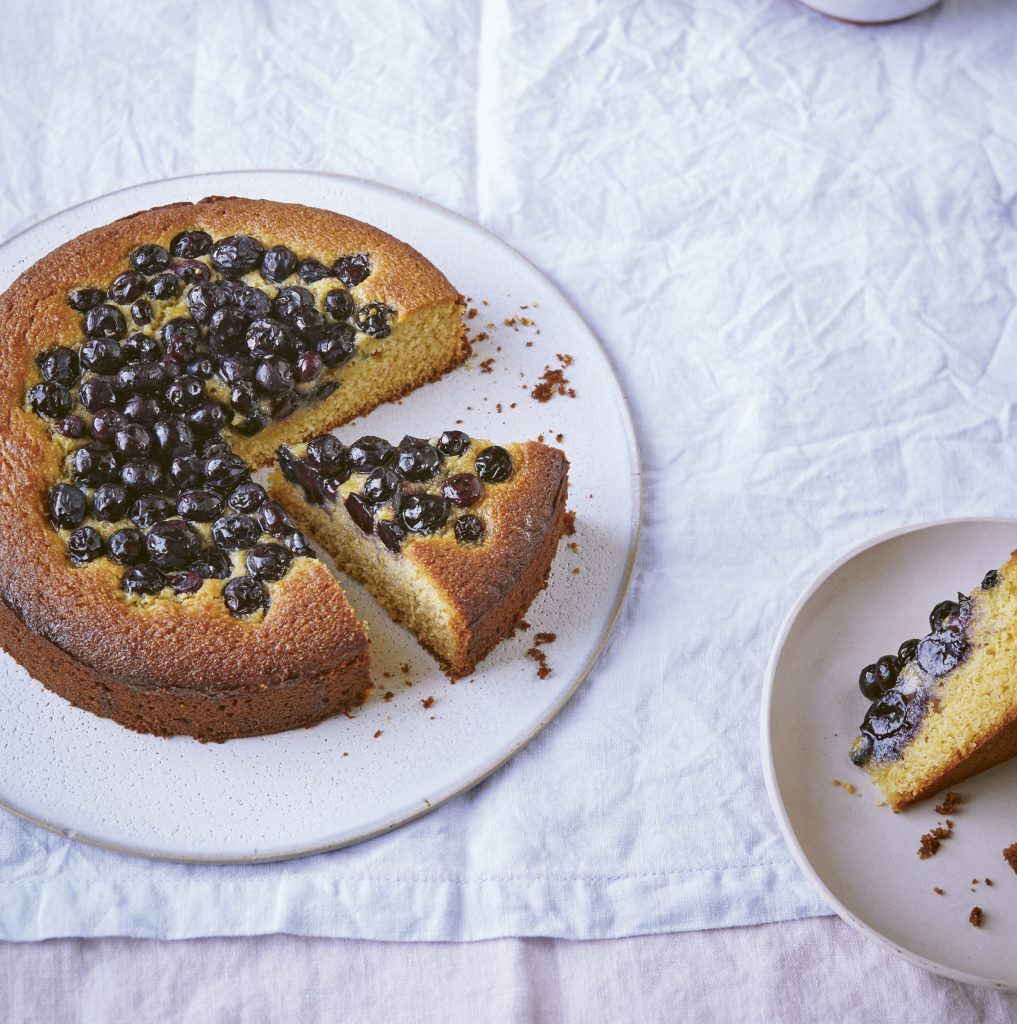
To achieve the ideal Blueberry polenta cake texture, balance coarse cornmeal with fine almond meal base. Whisked egg whites add necessary lightness, while a citrus-honey soak after baking ensures a moist crumb that lasts for days.
The Chemistry of Texture: Almond Meal vs. Polenta
When we step into the kitchen to create a gluten-free almond and polenta cake, we are essentially performing a balancing act between two very different structural components. As a nutrition editor, I am often asked why we cannot simply swap wheat flour for cornmeal. The answer lies in the protein and fat content. Unlike wheat, which relies on gluten for elasticity, our blueberry polenta cake finds its form through the combination of almond meal and cornmeal.
The almond meal base provides the essential healthy fats and moisture that prevent gluten-free bakes from becoming dry or crumbly. However, almonds alone can result in a cake that is too heavy or oily. This is where the polenta enters the equation. Polenta, which is essentially a coarse grain cornmeal, introduces a unique, nubby cornmeal texture that is synonymous with Mediterranean-style baking. It offers a structural "skeleton" that supports the weight of the fruit.
One of the most important tips for working with polenta in gluten free baking is managing the hydration of the grain. If you have ever bitten into a cornmeal cake and felt a "sandy" sensation, it is likely because the grains did not have enough time or liquid to soften. This is why many professionals advocate for the Ricotta Bloom—whisking the polenta into a dairy or plant-based yogurt and letting it sit. This process softens the outer shell of the coarse grain, ensuring that the final result is pleasantly toothsome rather than gritty. By understanding how to get the perfect polenta cake texture, you move away from guesswork and toward consistent, bakery-quality results.
"The magic of this cake isn't just in what it leaves out—gluten—but in what it brings to the table: a complex, nutty flavor profile and a satisfying crunch that refined flour simply cannot replicate." — Emily Johnson
Step-by-Step: The Perfect Blueberry Polenta Cake
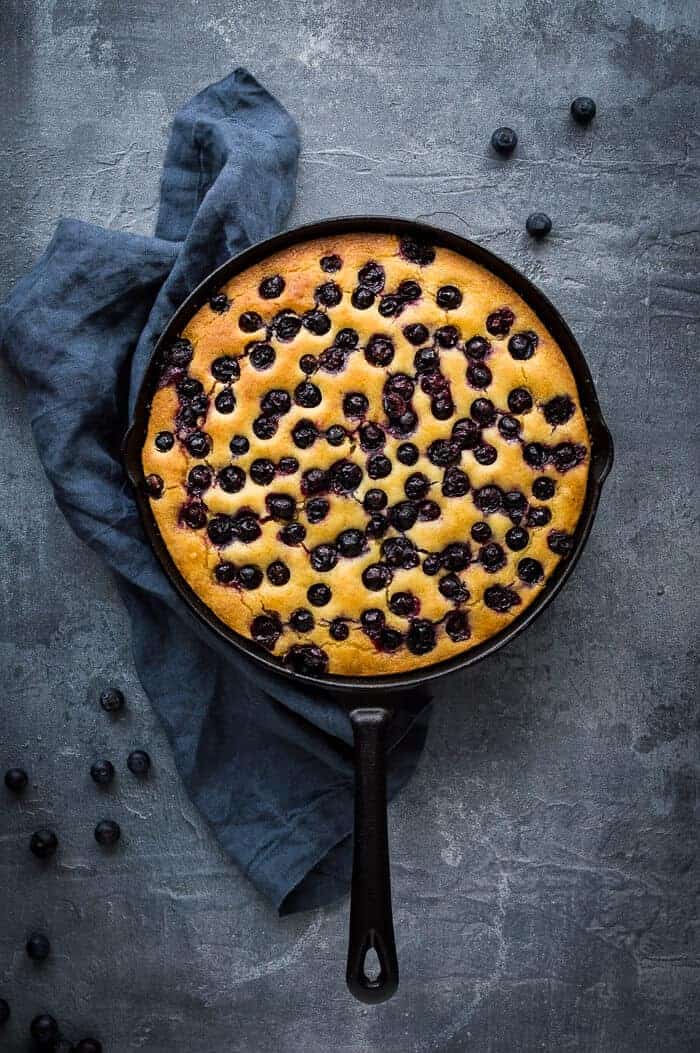
Execution is everything when you are working without the safety net of gluten. To begin, always prepare your pan—a 9-inch springform pan or a 10-inch cast iron skillet lined with baking parchment is ideal. The cast iron skillet is particularly effective for those who enjoy a rustic finish with crisp, golden-brown edges.
The process begins with creaming your fat—butter or a high-quality oil—with your sweetener. I strongly recommend baking with honey instead of refined sugar in cornmeal cakes. Honey is a humectant, meaning it attracts and holds onto water molecules, which is vital for maintaining freshness in a gluten-free environment. Once your base is creamy, you will fold in your almond meal vs flour in gluten free polenta desserts. The almond meal offers a richer, more substantial mouthfeel than a generic gluten-free flour blend.
One common frustration for home bakers is the "sinking berry" syndrome. To prevent your blueberries from congregating at the bottom of the pan, try the Polenta Coating hack: toss your fresh berries in a tablespoon of dry polenta before folding them into the batter. This creates a rough surface on the fruit, allowing the batter to grip the berries and keep them suspended during the rise.
Finally, the inclusion of whisked egg whites is the non-negotiable step for a light crumb. While the polenta and almonds provide the weight, folding in aerated whites at the final stage introduces tiny air pockets that expand in the heat of the oven, preventing the cake from becoming a dense brick.
Advanced Finishing: Syrups and Glazes for Moisture
Once your cake emerges from the oven, the work is not quite finished. The secret to a professional-grade honey sweetened blueberry dessert lies in the post-bake soak. While the cake is still warm, the crumb is at its most porous, making it the perfect time to introduce additional flavor and moisture.
A classic citrus-infused drizzle made from lemon juice and maple syrup creates a bright contrast to the earthy cornmeal. This is how to keep gluten free polenta cake moist with lemon syrup: pierce the surface of the warm cake several times with a skewer and slowly pour the syrup over the top. The liquid will seep into the center, effectively "locking in" the moisture for several days.
Adding citrus zest to both the batter and the syrup enhances the natural sweetness of the blueberries without the need for excessive sugar. For an extra sensory detail, consider an afternoon tea presentation by sprinkling a small amount of Demerara sugar over the syrup-soaked top. This creates a crackling, sugary crust that plays beautifully against the soft, fruit-filled center.
Dietary Adaptations: Vegan and Low-FODMAP
Food inclusivity is a hallmark of modern nutrition science. Fortunately, the robust nature of polenta makes it an excellent candidate for various dietary modifications. For those seeking vegan and low fodmap blueberry polenta cake options, the substitutions are straightforward and do not compromise the integrity of the dessert.
| Ingredient | Standard Option | Vegan/Low-FODMAP Alternative |
|---|---|---|
| Fat | Unsalted Butter | Sunflower oil or melted coconut oil |
| Eggs | Large Organic Eggs | Flax-based alternative (1 tbsp flax + 3 tbsp water) |
| Sweetener | Honey | Maple syrup (FODMAP friendly) |
| Binder | Greek Yogurt | Dairy-free alternatives (Almond or Soy yogurt) |
When using dairy-free alternatives, ensure they are unsweetened to maintain control over the flavor profile. If you are substituting eggs with a flax-based alternative, be aware that the cake will be slightly denser. In this case, increasing the amount of baking powder slightly (ensure it is certified gluten-free) can help compensate for the loss of lift.
FAQ
What is the difference between polenta cake and a regular sponge cake?
A regular sponge cake relies on wheat flour and trapped air to create a soft, uniform, and elastic crumb. A polenta cake is denser and features a characteristic nubby texture due to the coarse grain of the cornmeal. It is also naturally higher in healthy fats when made with an almond meal base, leading to a richer flavor and a different type of moisture than the airy lightness of a traditional sponge.
Is blueberry polenta cake naturally gluten-free?
While the primary ingredients—polenta, almonds, and fruit—are naturally gluten-free, the cake is only truly gluten-free if you ensure that all processed ingredients are certified. This includes checking that your baking powder does not contain wheat starch and ensuring your polenta was processed in a facility free from cross-contamination with wheat or barley.
Can I use cornmeal instead of polenta for baking?
Yes, you can. In the context of baking, "polenta" usually refers to a medium-to-coarse grind of yellow cornmeal. If you only have fine cornmeal, the cake will have a smoother, more uniform texture but will lose some of that rustic charm. Avoid using "cornflour" (starch), as this will result in a completely different, much more powdery structure.
How do you keep blueberries from sinking to the bottom of the cake?
Berries sink when the batter is too thin or when the fruit is too heavy/wet. To prevent this, toss your blueberries in a small amount of dry polenta or almond meal before adding them to the batter. Additionally, ensure your batter has sufficient thickness; if it feels too liquid, the fruit will inevitably drop to the bottom during the first few minutes of baking.
What does polenta add to the texture of a cake?
Polenta provides a unique structural "crunch" and a slightly savory undertone that balances sweet ingredients. It offers a more substantial mouthfeel than wheat flour and helps the cake stay together without the presence of gluten. It also contributes to a beautiful deep golden color and a rustic aesthetic that is highly sought after in artisanal baking.