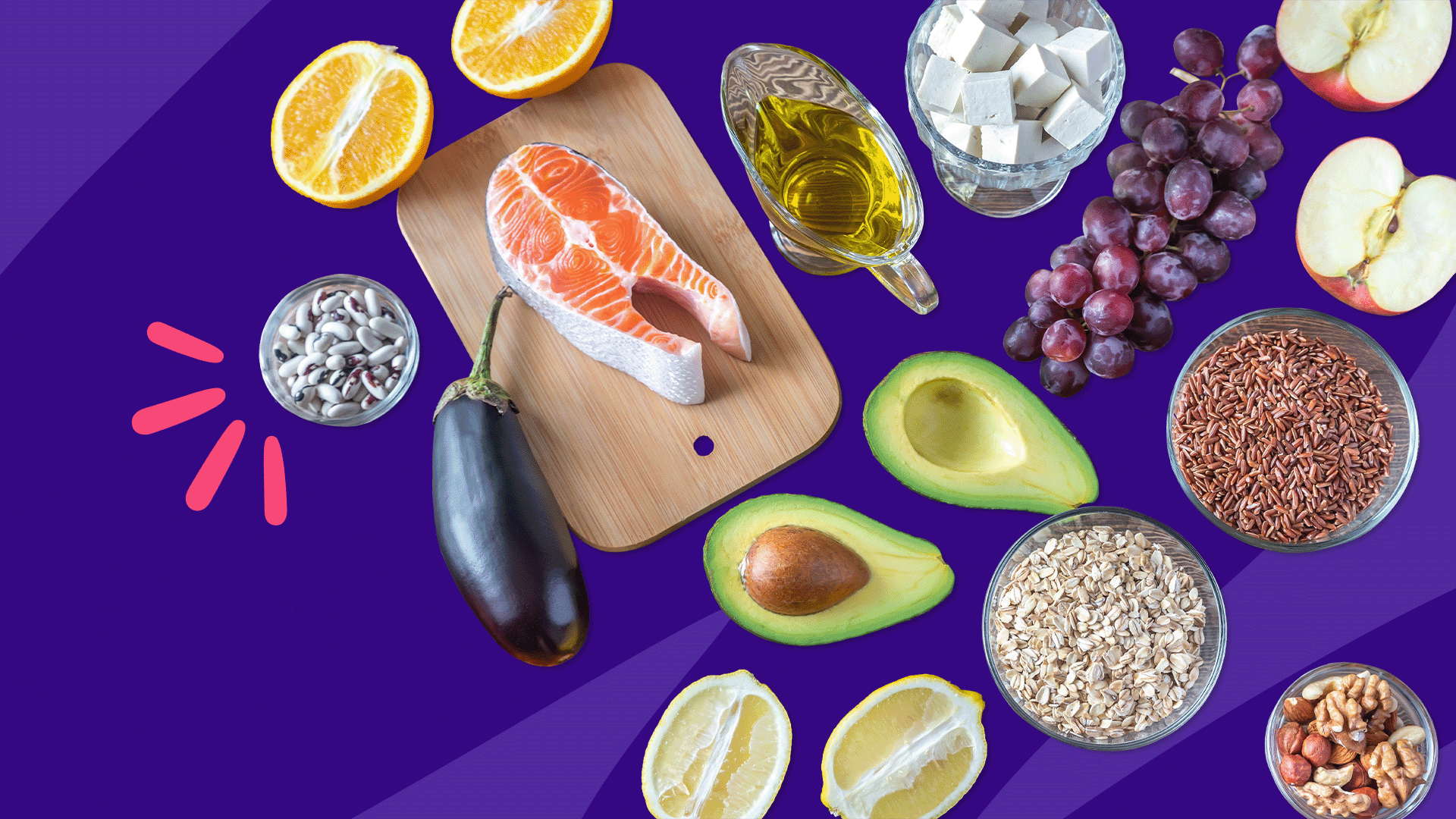
Quick Facts
- Stage 1 Target: 1-2 days of clear liquids to ensure bowel rest and minimize mechanical irritation.
- Fiber Limit: Restrict total daily fiber intake to 10-15g during the acute inflammatory phase.
- Main Goal: Reduce stool bulk and digestive tract irritation to promote faster healing of the colon.
- Red Meat Link: Research suggests high intake of red meat correlates with increased inflammatory markers like C-reactive protein.
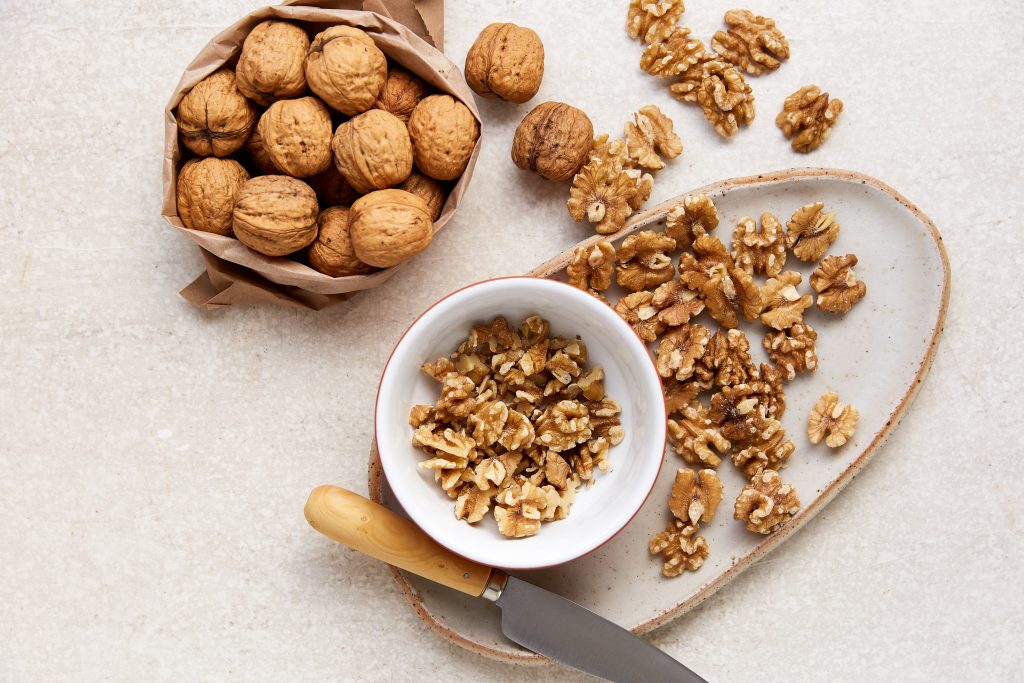
- The Myth: Most medical professionals now agree seeds and nuts are safe for diverticulosis, but they must be avoided during an active flare.
- Prevalence: In the United States, diverticulosis affects more than 50% of the population over the age of 60.
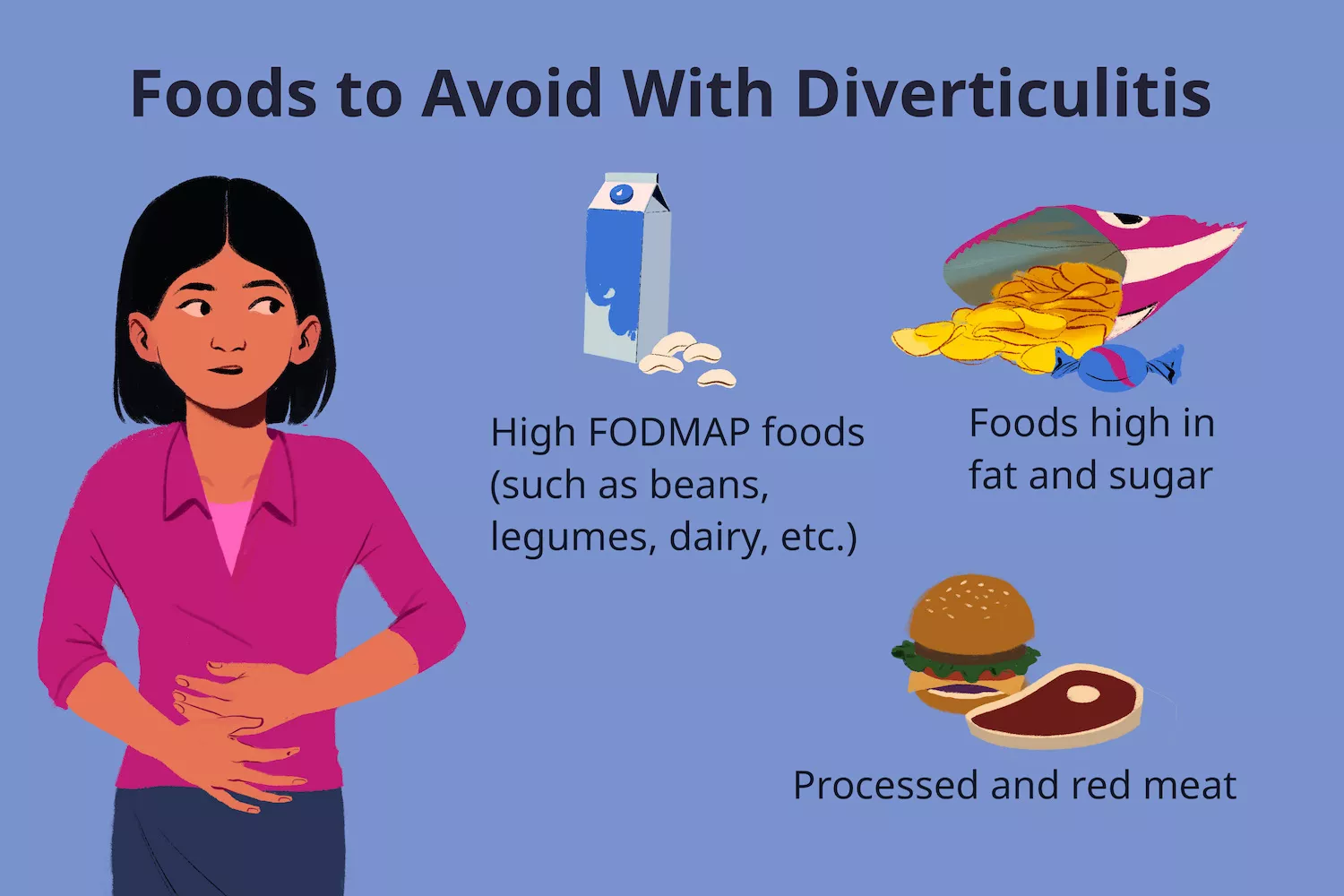
Navigating a diverticulitis flare-up diet requires a shift from high-fiber prevention to a temporary low-residue approach to ensure bowel rest. During an acute diverticulitis flare-up, avoid high-fiber foods such as whole grains, nuts, seeds, and raw vegetables, which can irritate the inflamed colon. It is also recommended to stay away from spicy foods, greasy or fried items, and high-FODMAP foods like legumes and certain dairy products that can trigger gas and abdominal bloating.
Diverticulosis vs. Diverticulitis: Why Your Diet Must Change
When we discuss colon health, there is often a misunderstanding regarding the difference between diverticulosis and diverticulitis. Diverticulosis refers to the presence of small, bulging pouches in the digestive tract, known as diverticula. In the United States, about 10% to 25% of people with diverticulosis will eventually develop diverticulitis, which occurs when these pouches become inflamed or infected.
For years, nutritionists have championed a high-fiber diet as the primary tool for preventing these pouches from forming. However, once you enter an acute inflammatory phase, that same fiber becomes a liability. High-fiber foods add volume to the stool, which forces the colon to work harder to move waste along. When the intestinal wall is already sensitive and inflamed, this extra work causes intense abdominal cramping and can even lead to complications like abscesses or perforations. Understanding the diverticulitis flare-up diet means accepting a temporary "paradoxical" way of eating: moving away from the "healthy" high-fiber staples to refined, low-residue options that let your digestive system recover.
7 Essential Foods to Avoid During a Flare-Up
Identifying specific diverticulitis trigger foods is the first step in managing your symptoms and reducing pain. While everyone’s body reacts differently, the following seven categories are the most common culprits for exacerbating colon inflammation.
1. Whole Grains (Insoluble fiber)
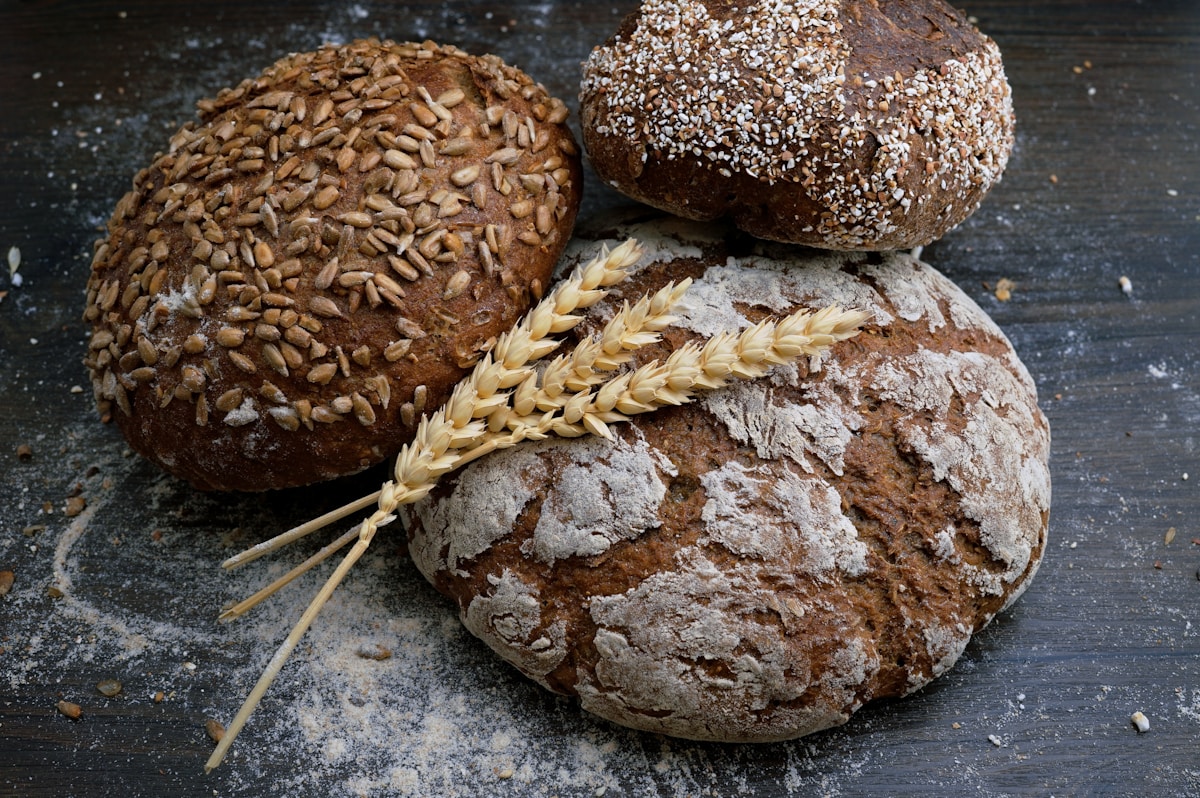
While whole wheat bread, brown rice, and quinoa are usually the stars of a heart-healthy diet, they contain significant amounts of insoluble fiber. This type of fiber does not dissolve in water and adds significant stool bulk. During a flare, the goal is to minimize the amount of material passing through the colon. Opting for refined carbohydrates like white bread or white rice is a safer choice until your symptoms resolve.
2. Raw Fruits and Vegetables (Skin/seeds)
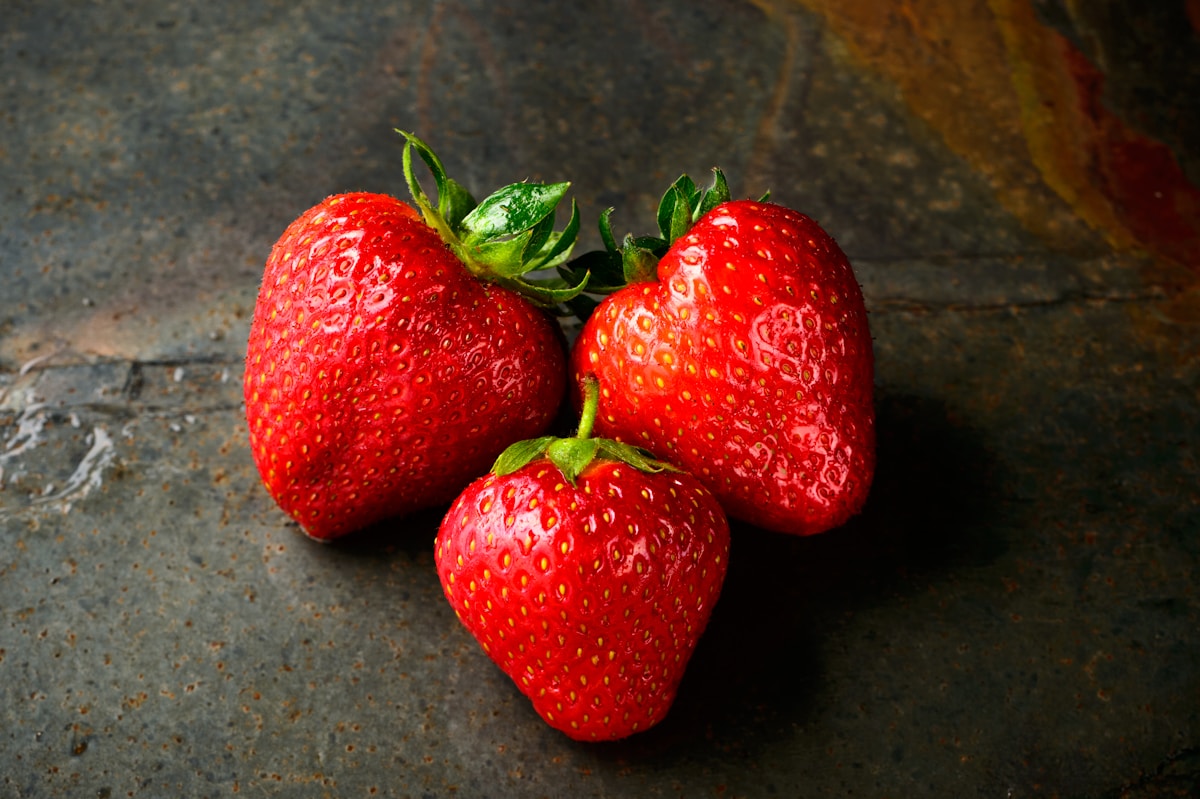
Raw produce is notoriously difficult to break down. The tough skins of apples, the seeds in berries, and the fibrous stalks of celery act as irritants to the intestinal wall when it is inflamed. If you must consume fruit, choose options like canned peaches or pears in juice, making sure they are peeled and free of seeds.
3. Red and Processed Meats
Recent studies have shown a link between high consumption of red meat and an increased risk of diverticulitis episodes. Red meats can be harder to digest and may contribute to systemic inflammation. Instead, look toward skinless lean proteins like chicken, turkey, or fish, which are much gentler on the digestive tract.
4. Beans and Legumes
Beans, lentils, and chickpeas are high in fermentable carbohydrates. While they are excellent for gut bacteria in a healthy colon, during a flare, the fermentation process produces significant gas. This gas distends the colon, putting pressure on the inflamed diverticula and leading to sharp pain. Avoiding legumes and lentils temporarily is a cornerstone of an effective diverticulitis flare-up diet.
5. Cruciferous Vegetables
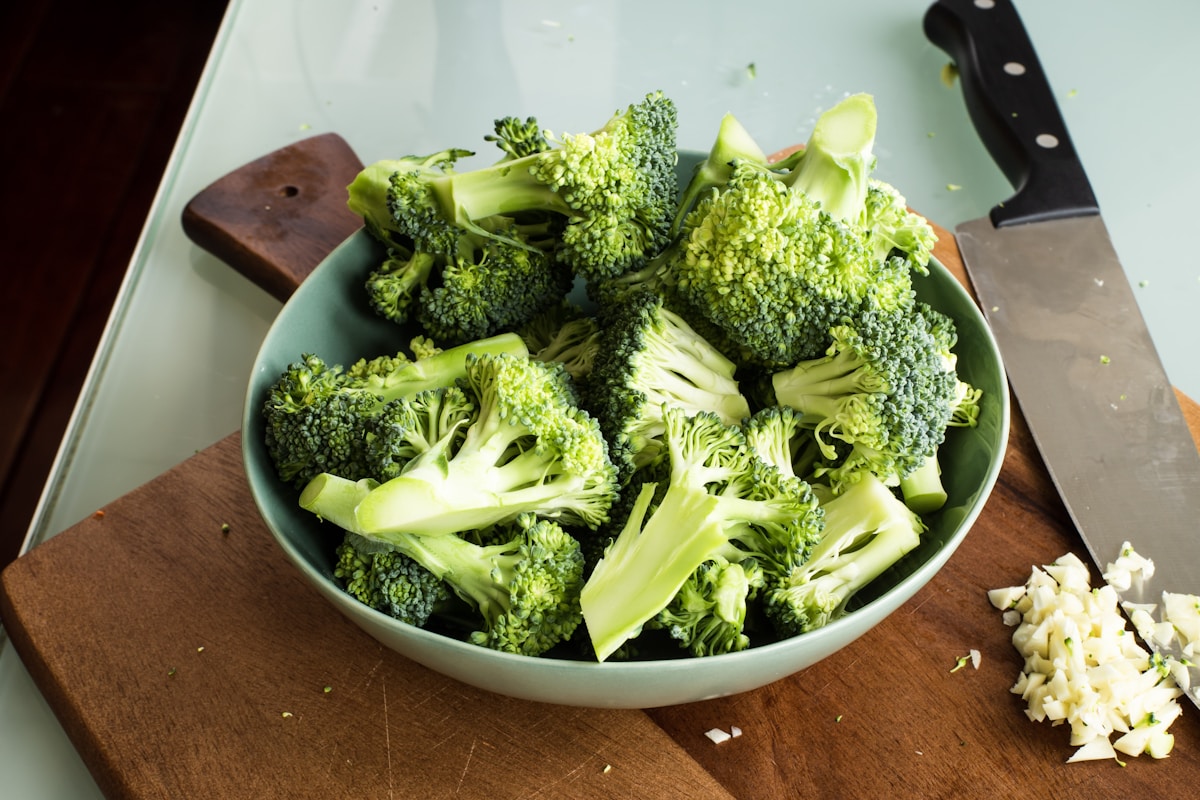
Vegetables like broccoli, cauliflower, cabbage, and Brussels sprouts are known for their high fiber content and their ability to produce gas. Even when cooked, these cruciferous vegetables can lead to bloating that worsens diverticulitis symptoms. It is best to wait until you are fully recovered before reintroducing these into your meals.
6. High-Lactose Dairy
Many people experience a secondary, temporary lactose intolerance during a digestive flare-up. If you notice that milk or soft cheeses cause additional bloating or diarrhea, it is wise to switch to lactose-free alternatives or avoid dairy entirely for a few days to reduce digestive tract irritation.
7. Sugary and Fried Foods
High-fat, greasy, or fried foods can significantly alter gut motility, leading to either constipation or diarrhea, neither of which is ideal during a flare. Similarly, sugary treats and beverages can feed "bad" bacteria and increase overall inflammation levels.
The Recovery Protocol: Liquid to Low-Residue
Recovery isn't just about what you avoid; it’s about how you transition back to normal eating. Medical guidelines typically recommend a clear liquid diet for two to three days to minimize mechanical irritation of the inflamed colon.
Phase 1: The Liquid Phase Start with clear liquid diet guidelines. This includes clear broth (beef, chicken, or vegetable), pulpless fruit juices like apple or white grape, herbal tea, and gelatin. This phase provides necessary hydration and minimal calories while allowing your bowel to rest completely.
Phase 2: The Low-Residue Phase As the pain subsides, you can move to a low residue diet for diverticulitis. This phase focuses on soft, easily digestible foods. Think of the BRAT diet (bananas, rice, applesauce, toast) as a starting point, but you can also include:
- White rice and plain pasta
- White bread or crackers (no seeds)
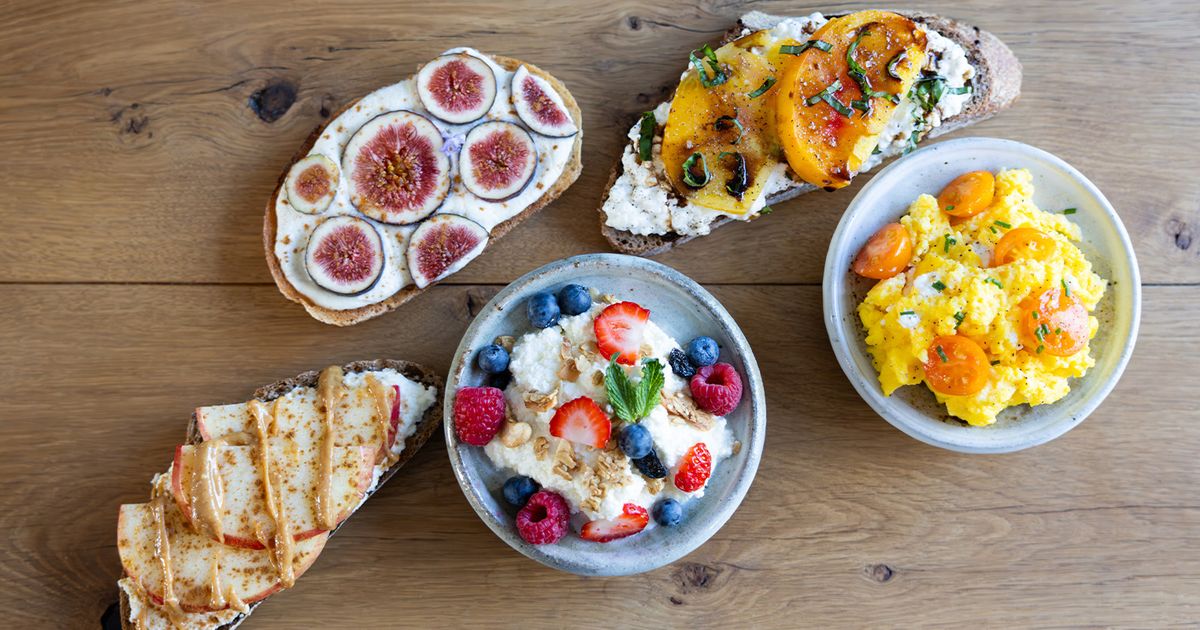
- Eggs (poached or scrambled)
- Tender, well-cooked chicken or fish
- Best low fiber snacks for diverticulitis flare up include plain yogurt or cottage cheese (if tolerated)
Phase 3: The Transition Phase Once you have been pain-free for several days, you can begin the process of how to transition from liquid diet to low residue diet to a full-fiber lifestyle. This should be a slow, deliberate process to avoid shocking your system.
When to Start Increasing Fiber Again
Knowing when to start increasing fiber after diverticulitis flare is critical for long-term prevention. If you rush back to a high-fiber diet too quickly, you risk re-triggering the inflammation.
Start by adding just 5 to 15 grams of fiber per day. You might begin with a small portion of well-cooked carrots or a slice of sourdough bread. If you handle that well, gradually work your way back to the standard recommended 25 to 30 grams of fiber per day. Throughout this process, hydration is your best friend. As you add fiber, you must drink plenty of water to help the fiber pass smoothly through your system and avoid constipation.
If you experience any return of abdominal cramping or bloating, reduce your fiber intake for another 24 to 48 hours before trying again. The goal is a steady progression toward a diverse, fiber-rich diet that protects your colon in the future.
FAQ
What is the best diet for a diverticulitis flare-up?
The best diet starts with clear liquids for 1-2 days to provide bowel rest, followed by a low-residue diet. This transition minimizes irritation and allows the colon inflammation to heal before gradually reintroducing fiber.
How long should I stay on a liquid diet for diverticulitis?
Most healthcare providers recommend staying on a clear liquid diet for diverticulitis recovery for 48 to 72 hours. However, you should follow your doctor's specific advice based on the severity of your flare-up.
What foods should be avoided during a diverticulitis flare?
You should avoid foods to avoid with diverticulitis flare up besides seeds such as whole grains, raw vegetables, tough meats, legumes, and spicy or fried items. These can cause gas, bloating, and increased stool bulk, which irritates the colon.
Can I eat eggs during a diverticulitis flare-up?
Yes, eggs are an excellent source of protein during a flare-up. They are considered low-residue and are generally very easy for the digestive tract to process, provided they are not fried in heavy oils or butter.
When can I start eating fiber again after a flare-up?
You can typically start reintroducing fiber once your pain and fever have completely subsided. Start slowly with 5-10 grams and gradually increase the amount over several weeks.
Is yogurt good for someone with a diverticulitis flare-up?
Plain yogurt is often a safe choice during the low-residue phase because it provides probiotics and protein. However, ensure it does not contain added fruit pieces, seeds, or nuts, and monitor for any lactose sensitivity.
Conclusion: Summary of Safe Choices
Managing your diet during a diverticulitis flare-up is a balancing act. By focusing on a low residue diet for diverticulitis in the short term, you give your body the space it needs to mend. Remember that the goal is temporary restriction for long-term health.
| Food Category | Avoid (During Flare) | Safe Alternative (Phase 2) |
|---|---|---|
| Grains | Whole wheat, rye, bran, popcorn | White bread, white rice, saltines |
| Vegetables | Raw broccoli, cabbage, corn, peas | Well-cooked carrots, peeled potatoes |
| Proteins | Red meat, beans, crunchy peanut butter | Eggs, skinless poultry, flaky fish |
| Fruits | Berries, dried fruit, raw apples with skin | Applesauce, canned peaches (peeled) |
| Dairy | Milk with high fat, yogurt with seeds | Plain yogurt, cottage cheese |
Is white bread better than whole wheat for diverticulitis flare? Yes, during the acute phase, refined carbohydrates like white bread are preferred because they produce less residue. If your symptoms do not improve after a few days on a liquid or low-residue diet, or if you develop a high fever or severe vomiting, consult your gastroenterologist immediately to rule out serious complications.