Quick Facts
- Timeline: The acute stage requires 24 to 48 hours of clear liquids followed by 2 to 4 days of low-fiber healing.
- Core Rule: Achieving intestinal rest is the primary goal to reduce bowel inflammation and allow the colon to heal.
- Pain Management: Avoid NSAIDs like ibuprofen or aspirin, as they increase the risk of intestinal bleeding; use acetaminophen instead.
- Hydration: Maintain a minimum intake of 8 cups of water or clear fluids daily to support gut motility and prevent dehydration.
- Fiber Goals: Gradually work back to a daily fiber intake of 25 grams for women and 38 grams for men once the flare has subsided.
- Early Transition: You can move from liquids to solids once abdominal tenderness decreases and you can tolerate fluids without nausea.
During an acute diverticulitis flare, a clear liquid diet is typically recommended to allow the colon to rest. This stage includes broth, pulp-free fruit juices, gelatin, and water. Once symptoms like abdominal pain and tenderness begin to improve, patients can transition to low residue foods such as white bread, eggs, and skinless poultry before gradually reintroducing high-fiber options to support long-term colon health.
A diverticulitis flare diet usually lasts for two to three days in the liquid phase, depending on individual tolerance and symptom progression. You can move to a low-fiber or low-residue diet once you experience a reduction in pain and can tolerate liquids without nausea. Signs that you are ready for solid foods include improved stool consistency and the absence of fever or severe abdominal cramping during recovery.
Phase 1: Clear Liquid Diet for Bowel Rest
When you experience the sharp, localized pain associated with a diverticulitis flare, your digestive system is signaling a state of crisis. The small pouches in your colon, known as diverticula, have become inflamed or infected. To manage this, the first and most critical step is providing your GI tract with complete intestinal rest. By adhering to a clear liquid diet for diverticulitis, you minimize the work your colon must do, effectively "turning off" the mechanical process of digestion to focus on healing bowel inflammation.
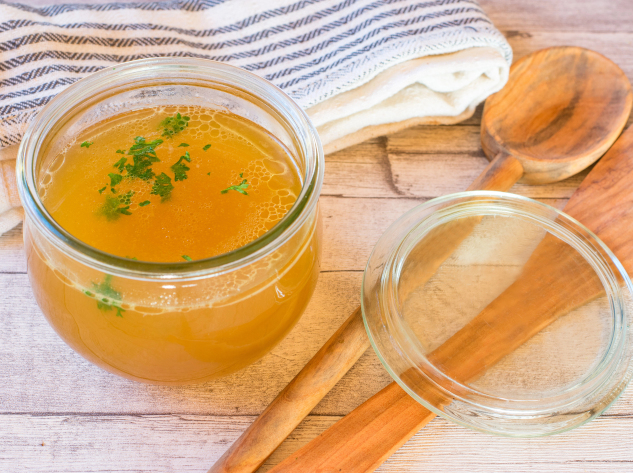
This initial phase typically lasts between 24 and 48 hours. During this time, the focus is on maintaining electrolyte balance and hydration without introducing any fiber or solids that could irritate the colon wall. Many patients ask, is bone broth good for diverticulitis flare? The answer is a resounding yes. Bone broth is an excellent source of minerals and provides a savory alternative to sweet juices, helping to sustain your energy levels while keeping the digestive load at zero.
During a mild diverticulitis flare-up, healthcare professionals typically recommend a clear liquid diet for two to three days to allow the digestive tract to rest before gradually introducing low-fiber foods.
| Fluid Type | Allowed in Clear Liquid Phase | Notes |
|---|---|---|
| Water & Tea | Yes | Plain water, herbal tea, or black coffee (no cream). |
| Broth | Yes | Chicken, beef, or vegetable broth; bone broth is ideal. |
| Juices | Yes (Pulp-free) | Apple, white grape, or cranberry; avoid orange/tomato. |
| Gelatin | Yes | Plain gelatin (Jell-O) without added fruit. |
| Ice Pops | Yes | Fruit ice pops without bits of fruit or seeds. |
| Milk / Cream | No | Contains protein and fats that require more digestion. |
| Nectars | No | Contains pulp and fiber. |
While on the clear liquid diet for diverticulitis flare list, monitor your energy levels closely. If you feel dizzy or excessively weak, ensure you are consuming enough salt through your broths or sugar through juice to keep your blood glucose stable. If symptoms do not improve after 48 hours, it is essential to contact your healthcare provider.
Phase 2: Transitioning to Low-Residue Foods
The transition from a liquid-only protocol to solid food is a delicate process that requires careful attention to your body’s signals. You are ready to move to low residue foods for diverticulitis when your abdominal tenderness has significantly lessened, your fever has broken, and you no longer feel nauseated after drinking liquids. This intermediate stage, often called the healing phase, typically lasts for 2 to 4 days.
The goal of a low residue foods for diverticulitis recovery phase is to provide nutrition while producing the smallest amount of stool possible. This means avoiding anything that could leave "residue" or undigested material in the colon. During this time, you should focus on refined carbohydrates and lean protein sources that are easy to break down.
Safe choices include:
- White bread, white rice, and plain crackers
- Low-fiber cereals (like cornflakes or puffed rice)
- Canned or well-cooked vegetables without skins or seeds (like peeled carrots)
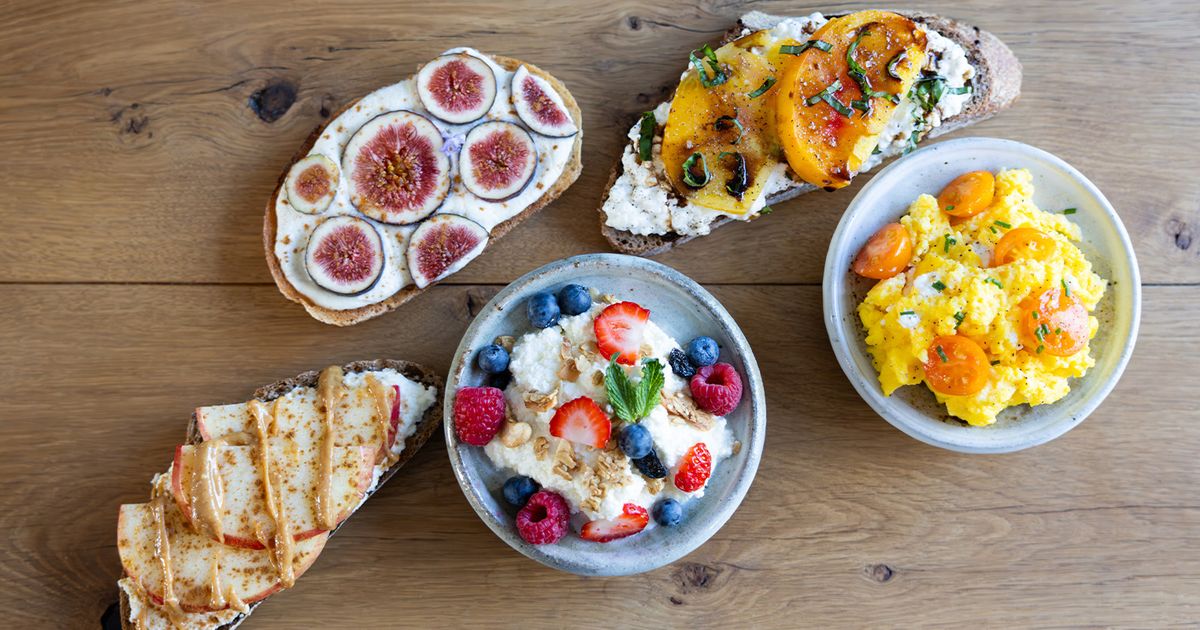
- Eggs (poached, boiled, or scrambled)
- Tender, skinless poultry or fish
- Fruit without skin or seeds, such as applesauce or canned peaches
It is vital to avoid high-fiber foods such as whole grains, raw vegetables, nuts, seeds, and fruits with skins (like apples or berries). These items require significant muscular effort from the colon to move through the system, which can re-ignite inflammation. When you look for signs you can move from liquid to low fiber diet, watch for the return of normal gut motility and the absence of sharp cramping. If you eat a small portion of white toast and feel fine after two hours, you can slowly expand your intake.
Phase 3: Safe Ways to Reintroduce Fiber
Once you have successfully navigated the low-residue phase and your bowel movements have returned to a regular stool consistency, it is time to focus on long-term prevention. The ultimate goal is to move away from the restrictive diverticulitis flare diet and toward a high-fiber lifestyle that prevents future incidents. However, doing this too quickly can cause bloating and discomfort.
The most effective and safe ways to reintroduce fiber after diverticulitis involve a gradual "step-up" method. Start by adding approximately 5 grams of fiber back into your diet each week. For example, in week one of recovery, you might swap your white bread for a slice of whole-wheat bread. In week two, you might add a small serving of cooked beans or a piece of fruit with the skin.
To help prevent future diverticulitis flares after recovery, medical guidelines recommend a daily fiber intake of at least 25 grams for women and 38 grams for men.
During this nutritional progression, hydration is your best friend. As you increase your intake of soluble fiber and insoluble fiber, you must increase your water intake to at least eight cups per day. Fiber acts like a sponge in your digestive tract; without enough water, it can lead to constipation, which increases the pressure in your colon and may lead to a new flare.
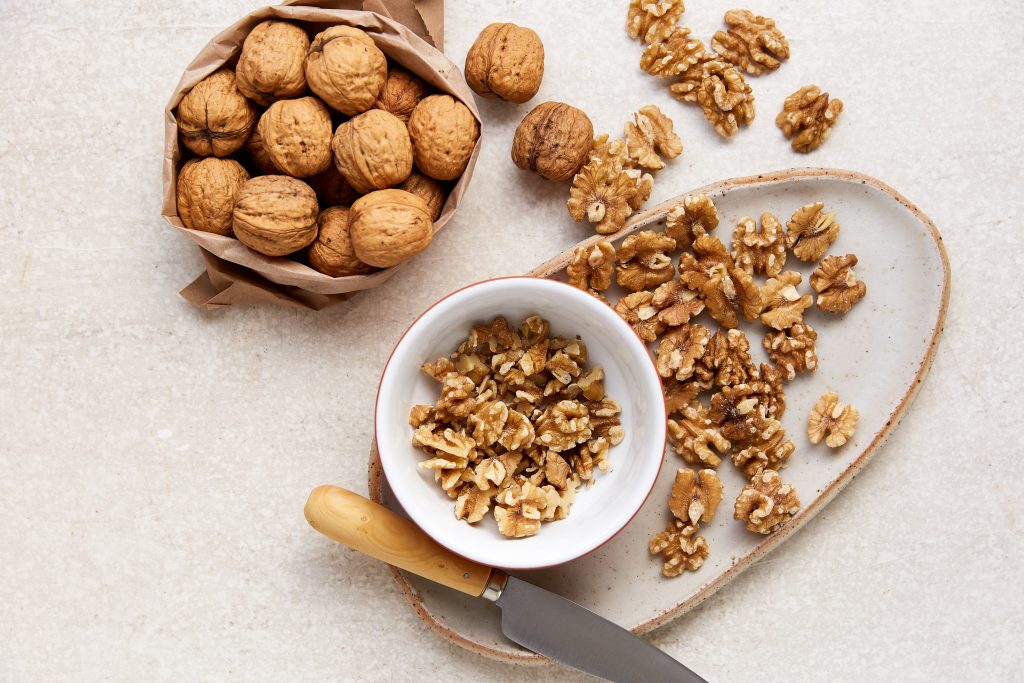
Modern research has debunked the old myth that seeds and nuts must be avoided forever. Once the inflammation has fully subsided, most people can safely enjoy seeds, nuts, and popcorn as part of a high-fiber diet to maintain colon health. The key is ensuring these are introduced only when you are completely symptom-free.
Safety Warnings and Symptom Management
Managing a flare-up at home requires a keen eye for red flags. While a diverticulitis flare diet and bowel rest can resolve many mild cases, some situations require immediate medical intervention. If you experience a high fever (above 101°F), persistent vomiting that prevents you from staying hydrated, or severe pain that migrates to the lower left quadrant and stays there, seek emergency care. These can be signs of a perforation or abscess.
A critical safety warning often overlooked is the use of pain relievers. You must avoid NSAIDs such as ibuprofen (Advil, Motrin) and naproxen (Aleve) during a flare. These medications are known to irritate the lining of the stomach and intestines and are linked to an increased risk of diverticular bleeding and complications. Instead, use acetaminophen for symptom management.
Expert Tip: Keep a "flare log" where you record what you eat and how you feel during the transition phases. This helps you identify specific triggers and gives your doctor better data if the flare persists.
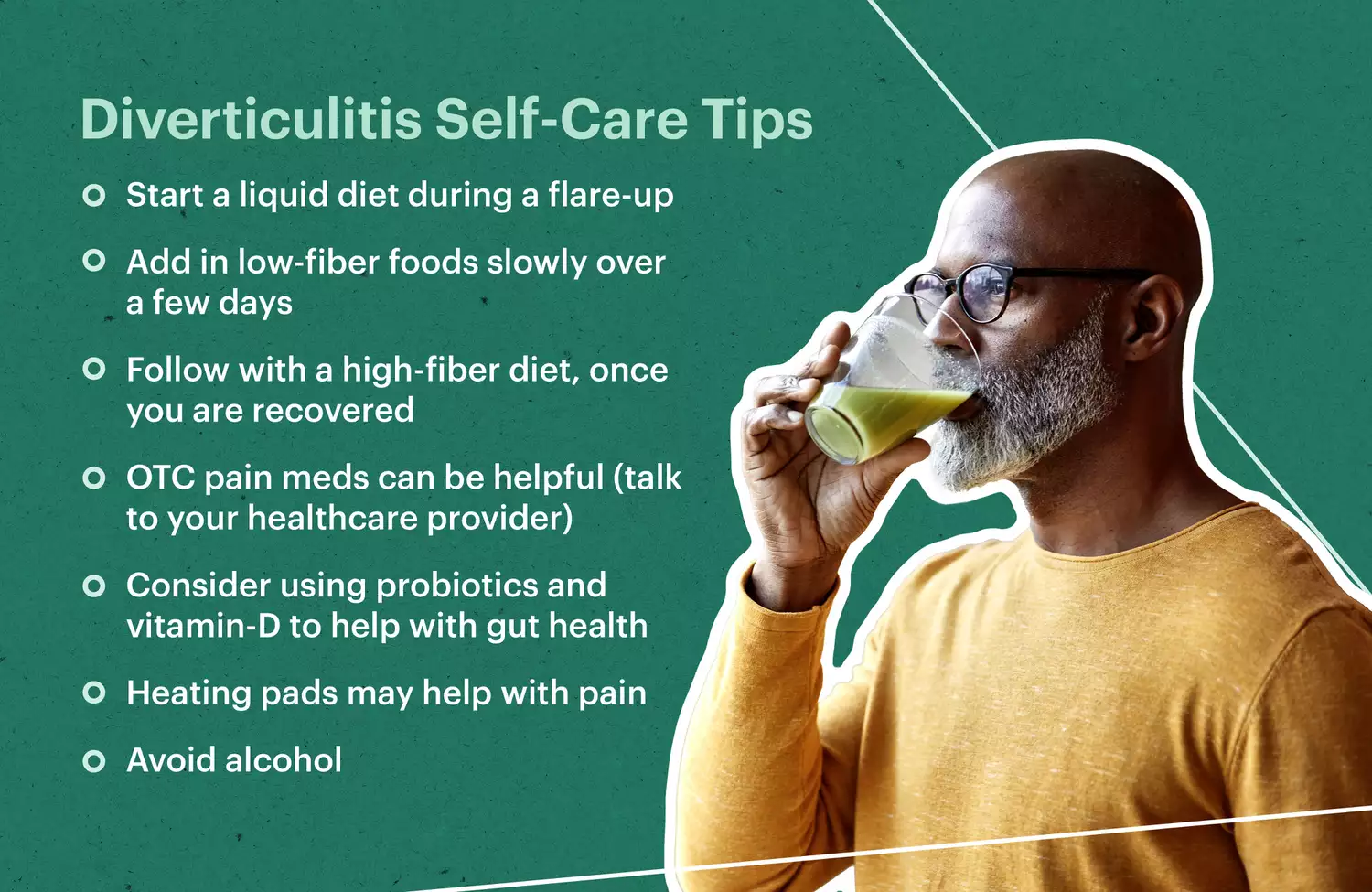
Managing your recovery is not just about what you eat, but also how you live. Ensure you are getting adequate rest, as the body requires significant energy to resolve bowel inflammation. Stress management and light walking can also help maintain gentle gut motility without straining the abdominal wall.
FAQ
What foods should I eat during a diverticulitis flare?
During the initial acute phase, you should only consume clear liquids like broth, water, and pulp-free juices. Once the pain improves, you can eat low residue foods such as white rice, eggs, skinless chicken, and white bread. Avoid all high-fiber foods, seeds, and skins until the inflammation has completely cleared.
How long should a diverticulitis liquid diet last?
A clear liquid diet for diverticulitis typically lasts between 24 and 48 hours. Most healthcare providers recommend staying on liquids for no more than three days; if you cannot transition to soft foods by then, you should consult your doctor to ensure there are no complications like an abscess or obstruction.
When can I start eating fiber again after a flare?
You should only begin reintroducing fiber after you have successfully tolerated low-residue foods for several days without a return of pain. The process should be very gradual, adding about 5 grams of fiber per week until you reach the recommended daily goal of 25 to 38 grams.
Is yogurt good for a diverticulitis flare-up?
Yogurt is generally not allowed during the initial clear liquid phase because it is a dairy product that contains solids. However, it is an excellent choice during the low-residue transition phase because it is soft and provides probiotics that can help restore a healthy balance to your gut microbiome after an infection.
What foods trigger a diverticulitis flare?
While triggers vary by person, the most common culprit is a chronic low-fiber diet that leads to constipation and increased pressure in the colon. During a flare, high-fiber foods like raw vegetables, whole grains, and fruits with tough skins act as triggers by irritating the inflamed diverticula.
Can you eat eggs when you have a diverticulitis flare flare?
Yes, eggs are one of the best protein sources during the second phase of the recovery diet. They are low in residue, easy to digest, and provide essential nutrients without the fiber or tough connective tissues found in some meats. Stick to poached, scrambled, or boiled eggs rather than fried.