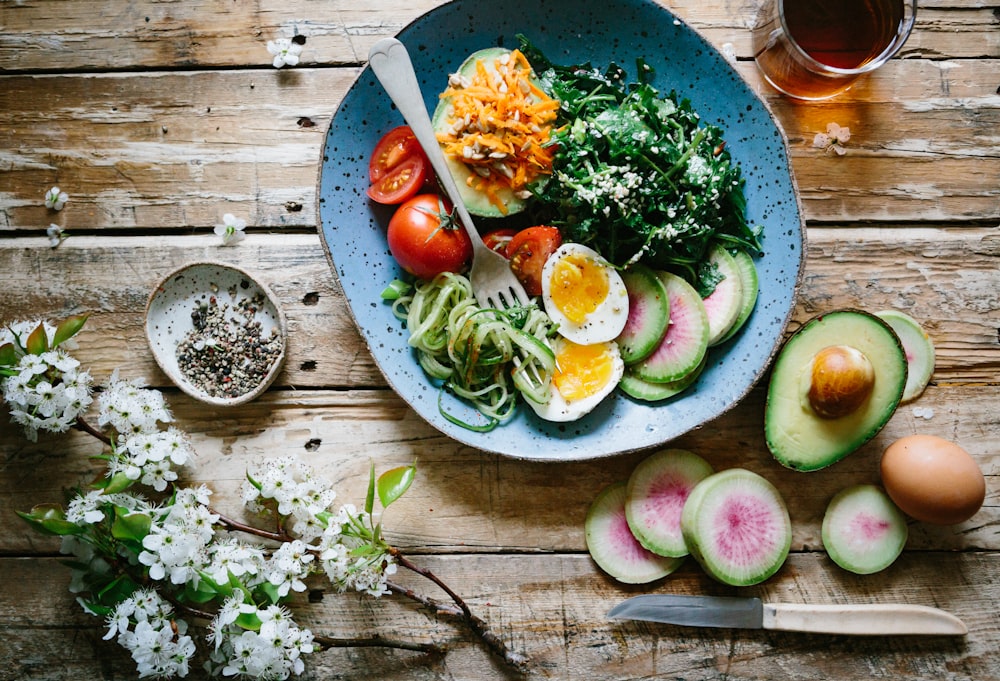
Quick Facts
- Primary Goal: Provide bowel rest during acute inflammation to allow the digestive tract to heal.
- Phase 1 Duration: A clear liquid diet should be limited to 24–48 hours to prevent malnutrition.
- Recovery Fiber Target: Maintain a temporary low-fiber intake of 5 to 15 grams of fiber per day.
- Maintenance Fiber Target: Transition to a long-term goal of 25 to 35 grams of fiber daily once healed.
- Hydration Target: Consume at least 2.5 Liters of fluid daily to support fiber movement.
- Success Rate: 91% of patients who maintain a high-fiber diet remain symptom-free long-term.
- Clinical Impact: Diverticulitis causes over 300,000 hospitalizations annually in the United States.
Managing a diverticulitis diet is a critical component of recovering from gut inflammation and avoiding the complications that lead to hospital admissions. The most effective approach involves a three-stage progression: starting with a clear liquid diet for immediate bowel rest, transitioning to a low-residue diet as symptoms improve, and eventually establishing a high-fiber lifestyle for long-term colon health and prevention.
Phase 1: Immediate Relief with the Clear Liquid Diet
When an acute diverticulitis flare-up occurs, the primary medical objective is bowel rest. This means minimizing the work the digestive tract must do, allowing the inflammation in the colon wall to subside. During this intense phase, the diverticulitis diet must be restricted to liquids that are easily absorbed and leave virtually no undigested residue in the intestinal tract.
A clear liquid diet menu for diverticulitis flare up focuses on hydration and electrolyte balance rather than caloric density. Standard options include clear chicken or vegetable broth, apple juice, cranberry juice, and plain gelatin. It is essential to avoid juices with pulp, such as orange or tomato juice, as these contain fibers that can aggravate the inflamed diverticula. Nutritionists also recommend avoiding red or purple dyes in gelatin or drinks, as these can mimic the appearance of blood in the stool, complicating medical evaluations.
Because this stage is nutritionally incomplete, it should only last for 24 to 48 hours. If you cannot progress to solid foods after two days due to persistent pain or fever, it is vital to consult your physician. Staying hydrated is the priority here; sipping small amounts of liquid throughout the day helps maintain energy levels while the gut begins the healing process.
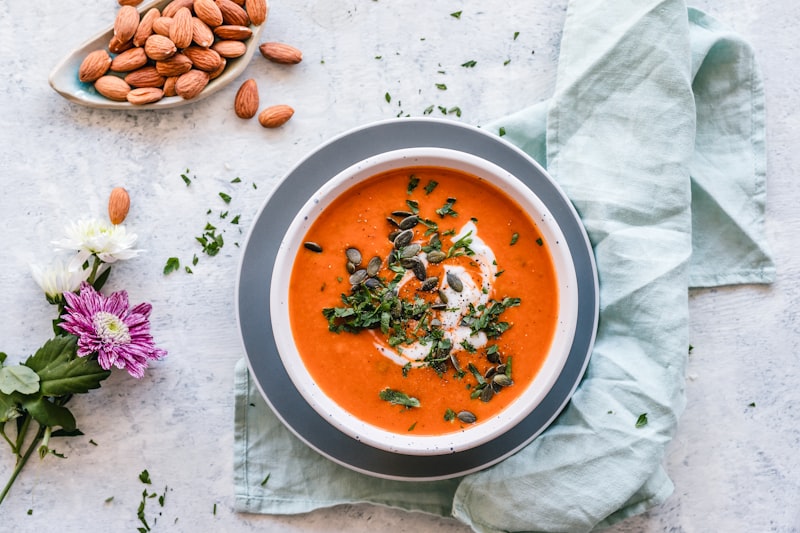
Allowed vs. Avoided Liquids in Phase 1
| Allowed Liquids | Liquids to Avoid |
|---|---|
| Clear broth (chicken, beef, or vegetable) | Orange juice or grapefruit juice (with pulp) |
| Apple, white grape, or cranberry juice | Milk or milkshakes |
| Plain gelatin (no fruit pieces) | Red or purple colored sports drinks |
| Water and herbal tea (no cream) | Coffee with milk or creamer |
| Ice pops (no fruit bits or dairy) | Tomato or vegetable juice |
Phase 2: Transitioning to Low Residue Foods for Recovery
As abdominal pain lessens and your appetite returns, you move into the recovery stage. The goal here is to introduce low residue foods for diverticulitis recovery stage that provide more energy without taxing the digestive system. At this point, clinical guidelines often recommend a temporary low-fiber intake of 10 to 15 grams per day.
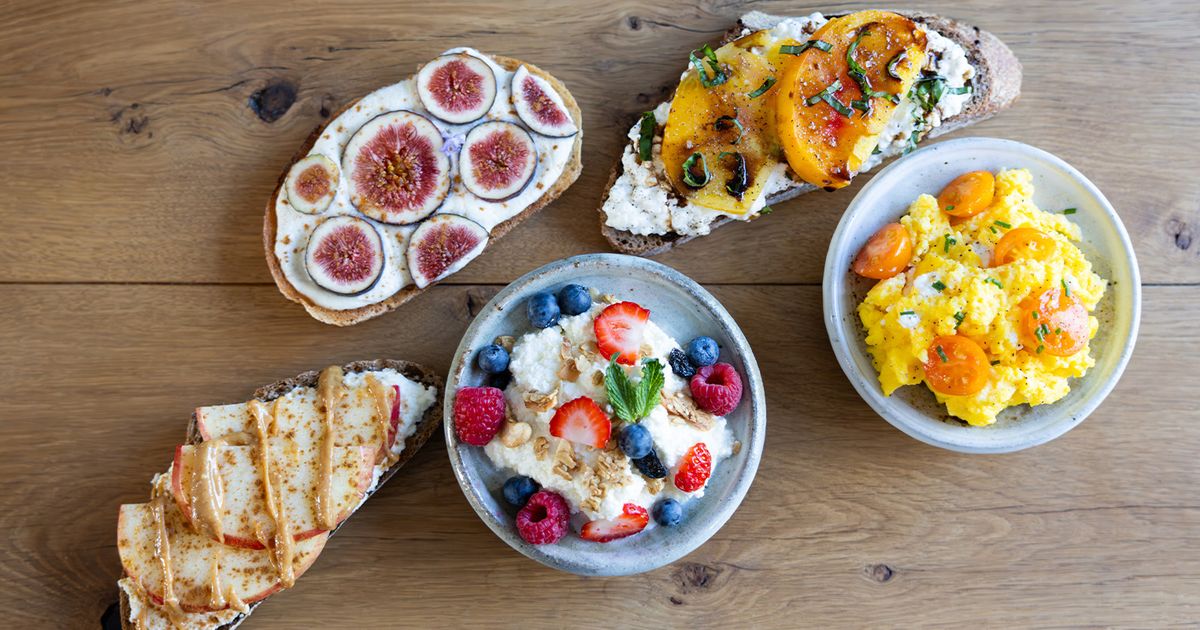
The low residue diet for diverticulitis focuses on refined grains and lean proteins. Think of "white" foods: white bread, white rice, and plain crackers. These are easier to break down than their whole-grain counterparts. For protein, focus on eggs, skinless poultry, and white fish. During this time, you should also look for safe vegetables to eat after a diverticulitis attack, which include well-cooked, skinless, and seedless options like canned green beans or carrots.
During this recovery phase, it is crucial to avoid diverticulitis flare up foods that are high in fiber or difficult to digest. This includes raw vegetables, fruits with skins, whole-wheat products, and tough meats. Processed meats and spicy foods should also be avoided, as they can trigger further inflammation in a sensitive gut.
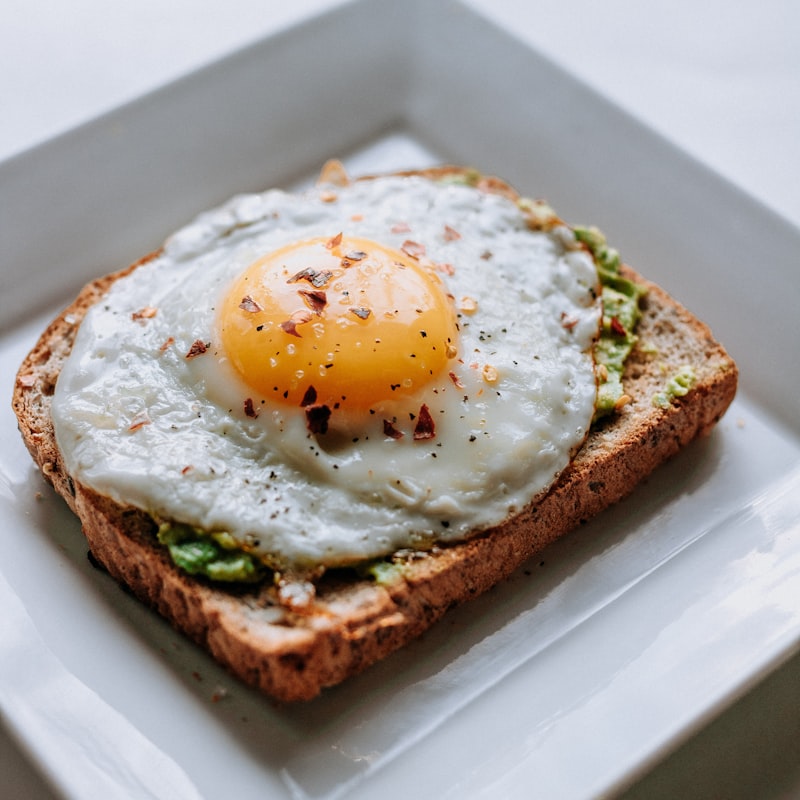
Low-Residue Food Guide
- Proteins: Soft-boiled or scrambled eggs, canned tuna in water, tender chicken breast (no skin), and tofu.
- Grains: White pasta, white rice, refined cereals like cream of wheat, and plain white toast.
- Vegetables: Canned or well-cooked carrots, potatoes (no skin), and strained vegetable juices.
- Dairy: Small amounts of yogurt (no fruit pieces), cottage cheese, and milk (if tolerated).
Phase 3: The 8-Week Ramp-Up to High Fiber
The most common mistake patients make is rushing back to a "normal" diet too quickly. The transition from a low-fiber state back to high fiber foods for diverticulitis must be gradual. This phase usually lasts about eight weeks, allowing the colon to fully stabilize. If you introduce fiber too fast, you may experience bloating, gas, and cramping, which can feel like a repeat flare-up.
Knowing the signs you are ready to add fiber back after diverticulitis is key. You should be free of pain, have regular bowel movements, and no longer be running a fever. Start by adding just 5 grams of fiber back into your daily routine for the first two weeks. Focus on soluble fiber sources, such as oatmeal or the flesh of a peeled apple, which absorb water and move smoothly through the colon.
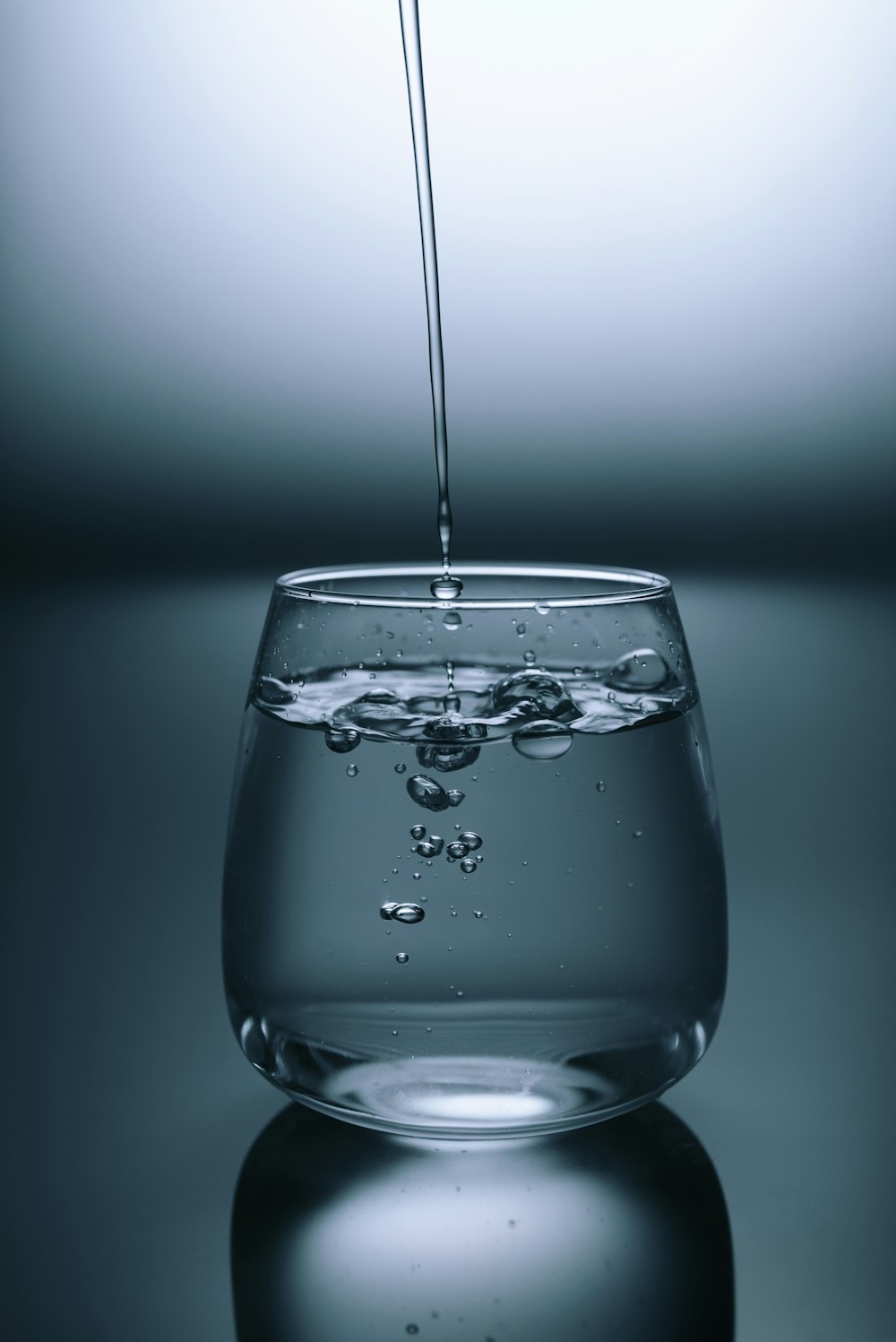
Hydration becomes even more critical during this stage. As you increase fiber, you must increase your water intake to 2.5 Liters of fluid daily. Fiber acts like a sponge; without enough water, it can actually cause constipation, which increases pressure in the colon and raises the risk of a new flare-up.
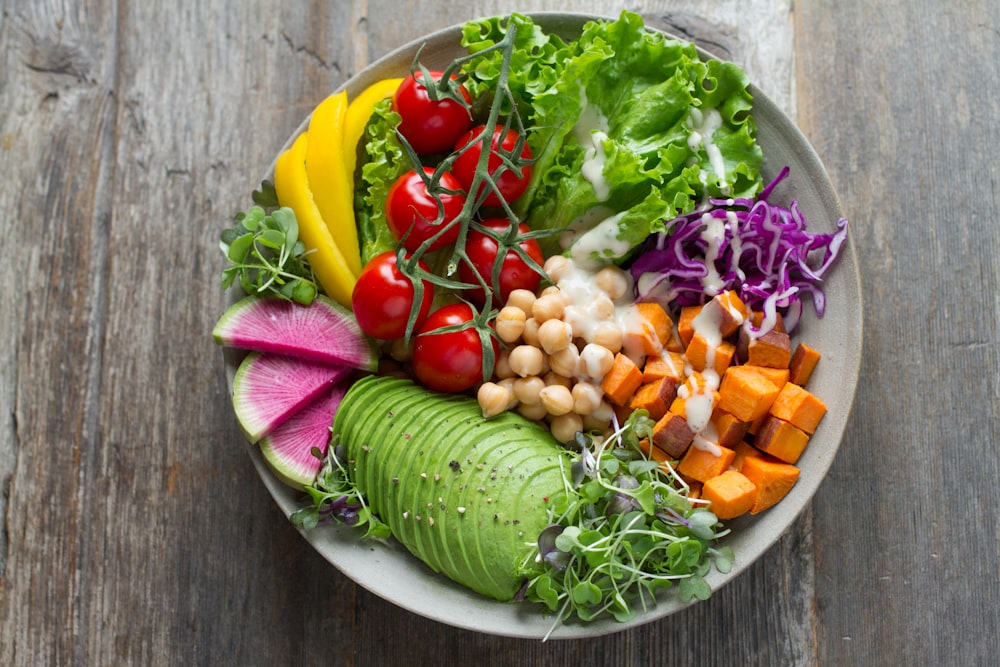
The 8-Week Gradual Fiber Checklist
- [ ] Weeks 1-2: Target 5-10g fiber/day. Add one serving of oatmeal or a small peeled potato.
- [ ] Weeks 3-4: Target 10-15g fiber/day. Introduce cooked beans (like lentils) or soft-cooked broccoli florets.
- [ ] Weeks 5-6: Target 15-20g fiber/day. Experiment with small portions of whole-wheat bread or brown rice.
- [ ] Weeks 7-8: Target 20-25g fiber/day. Add berries and leafy greens into your daily meals.
- [ ] Daily Goal: Drink at least 8-10 glasses of water to keep the system moving.
Phase 4: Long-Term Prevention and Diverticulosis Management
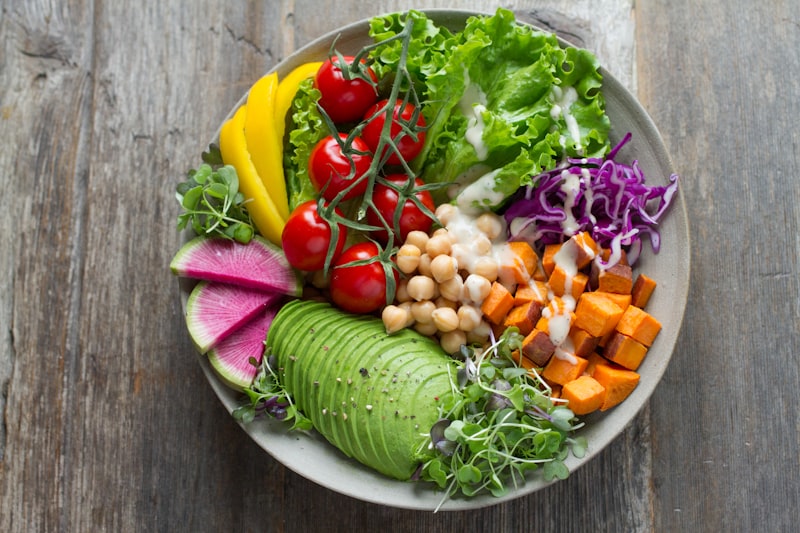
Once you have successfully navigated the recovery, the focus shifts to lifelong diverticulosis management. The goal is to keep stool soft and moving quickly through the colon to prevent pressure from building up in the diverticula. For long-term health, women should aim for 25 to 30 grams of fiber, while men should target up to 38 grams.
Maintaining a high-fiber diet is incredibly effective; a clinical study found that 91% of patients who stayed consistent with high-fiber intake remained symptom-free for five to seven years. You should focus on high fiber foods to prevent diverticulitis recurrence, such as beans, lentils, raspberries, quinoa, and leafy green vegetables.
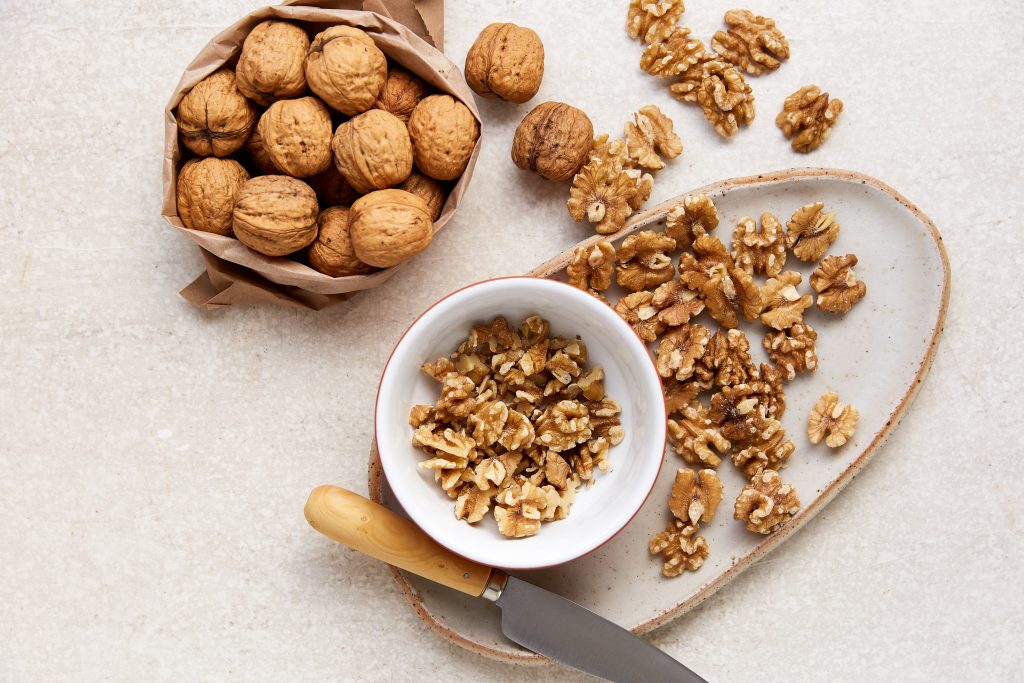
It is also important to address the popcorn, nuts, and seeds myth. For years, patients were told to avoid these foods, fearing they would get stuck in the diverticula. Modern research has debunked this; there is no clinical evidence that nuts and seeds cause flare-ups. In fact, because they are high in fiber, they are now considered beneficial for colon health. Instead, focus on lifestyle factors: reducing red meat consumption, maintaining a healthy weight, and avoiding the frequent use of NSAIDs like ibuprofen, which are linked to gut inflammation.
When to Contact Your Gastroenterologist
While a staged diverticulitis diet can manage most mild flare-ups at home, some symptoms require immediate medical intervention. Because diverticulitis can lead to complications like abscesses or perforations, you must monitor your body closely during the recovery stages.
Red Flag Symptoms: Contact your doctor immediately if you experience a fever over 101°F, persistent vomiting that prevents you from keeping liquids down, or severe abdominal pain that worsens even while on a clear liquid diet.
Consistent communication with your gastroenterology team ensures that your recovery is on track. They may recommend a colonoscopy several weeks after your flare-up has resolved to confirm the health of your colon wall and rule out other underlying issues.

FAQ
What foods should be avoided during a diverticulitis flare-up?
During an acute flare-up, avoid all high-fiber foods including whole grains, raw fruits and vegetables, nuts, seeds, and beans. You should also stay away from spicy foods, fried items, and processed meats like sausage or deli meats, as these can increase inflammation and digestive distress while the colon is trying to heal.
What is the best diet for diverticulitis recovery?
The best recovery diet is a staged approach. It begins with 24–48 hours of clear liquids (broth, gelatin, pulp-free juice) to provide bowel rest. This is followed by a low-residue diet consisting of refined white grains, eggs, and skinless, well-cooked vegetables until symptoms fully subside.
Can you eat popcorn, nuts, and seeds with diverticulitis?
Yes, modern clinical research indicates that you do not need to avoid popcorn, nuts, or seeds. While these were once thought to cause flare-ups by getting "trapped," we now know they are safe and provide beneficial fiber. However, they should only be reintroduced once you have fully recovered and transitioned into the high-fiber maintenance phase.
How long should a clear liquid diet last for diverticulitis?
A clear liquid diet should typically last no more than 24 to 48 hours. This timeframe is usually sufficient for the initial inflammation to begin receding. Prolonging this phase can lead to malnutrition and weakness, so it is important to transition to low-fiber solids as soon as your symptoms begin to improve.
When can I start adding fiber back into my diet after a flare-up?
You can start adding fiber back once your acute symptoms—such as sharp pain, fever, and bloating—have resolved. This transition usually begins about 2 to 4 weeks after the initial flare-up. The reintroduction must be gradual, starting with small amounts of soluble fiber and slowly increasing to full maintenance levels over a period of 8 weeks.