Quick Facts
- Top Source: In several Western countries, coffee provides approximately 64% of total antioxidant intake, outperforming fruits and vegetables combined.
- Best Roast: Light roast coffee contains significantly higher levels of chlorogenic acid, while dark roasts offer unique prebiotic benefits.
- The Sweet Spot: Consuming 3.5 cups daily is associated with a 15% reduction in all-cause mortality across massive population studies.
- Disease Protection: Regular intake is linked to a 48.1% reduced risk of developing cardiometabolic conditions like type 2 diabetes and heart disease.
- Brewing Rule: Aim for a 3-minute extraction time to maximize the concentration of health-promoting polyphenols without over-extracting bitter compounds.
While all roasts contain coffee antioxidants, light roasts generally offer the highest concentration of chlorogenic acid, whereas dark roasts provide unique gut-health benefits through melanoidins produced during the Maillard reaction. These bioactive compounds work together to reduce oxidative stress and provide a potent defense against chronic inflammation.
For most people, a morning routine is defined by the aroma of a fresh brew, but the scientific value of this habit goes far beyond a simple caffeine kick. In fact, coffee antioxidants represent the single largest dietary source of health-protecting compounds for many adults in modern society. Whether you prefer a bright, acidic light roast or a bold, smoky dark roast, your cup is a complex chemical cocktail designed by nature to fight cellular damage. Understanding how to optimize these benefits through your choice of beans and brewing method is the key to turning a daily habit into a powerful longevity strategy.

The Chemistry of Your Brew: Key Bioactive Compounds
To understand why coffee is such a nutritional powerhouse, we have to look at its phytochemical profile. The star of the show is chlorogenic acid in coffee, a family of polyphenols that act as potent free radical scavengers. These compounds are responsible for much of the beverage’s anti-inflammatory activity and its ability to assist in oxidative stress reduction. When we consume these polyphenols, they help neutralize unstable molecules that would otherwise damage our DNA and cellular membranes.
However, not all coffee beans are created equal. The two primary species, Arabica vs Robusta varieties, offer different chemical signatures. While Arabica is often prized for its superior flavor and lower caffeine content, Robusta beans actually contain higher concentrations of chlorogenic acids and caffeine. Beyond these well-known compounds, coffee contains hundreds of other bioactive molecules, including caffeic acid, ferulic acid, and various quercetin derivatives. These health benefits of coffee compounds work synergistically, meaning the total effect of drinking the whole beverage is often greater than taking individual components as supplements.
The bioavailability of these compounds—how well our bodies can actually absorb and use them—is also a critical factor. Research shows that once ingested, these polyphenols are metabolized by both our digestive enzymes and our gut bacteria, transforming into smaller metabolites that circulate in the bloodstream to provide cardiovascular protection and neuroprotective effects.
Light vs. Dark: Which Roast Wins the Health Debate?
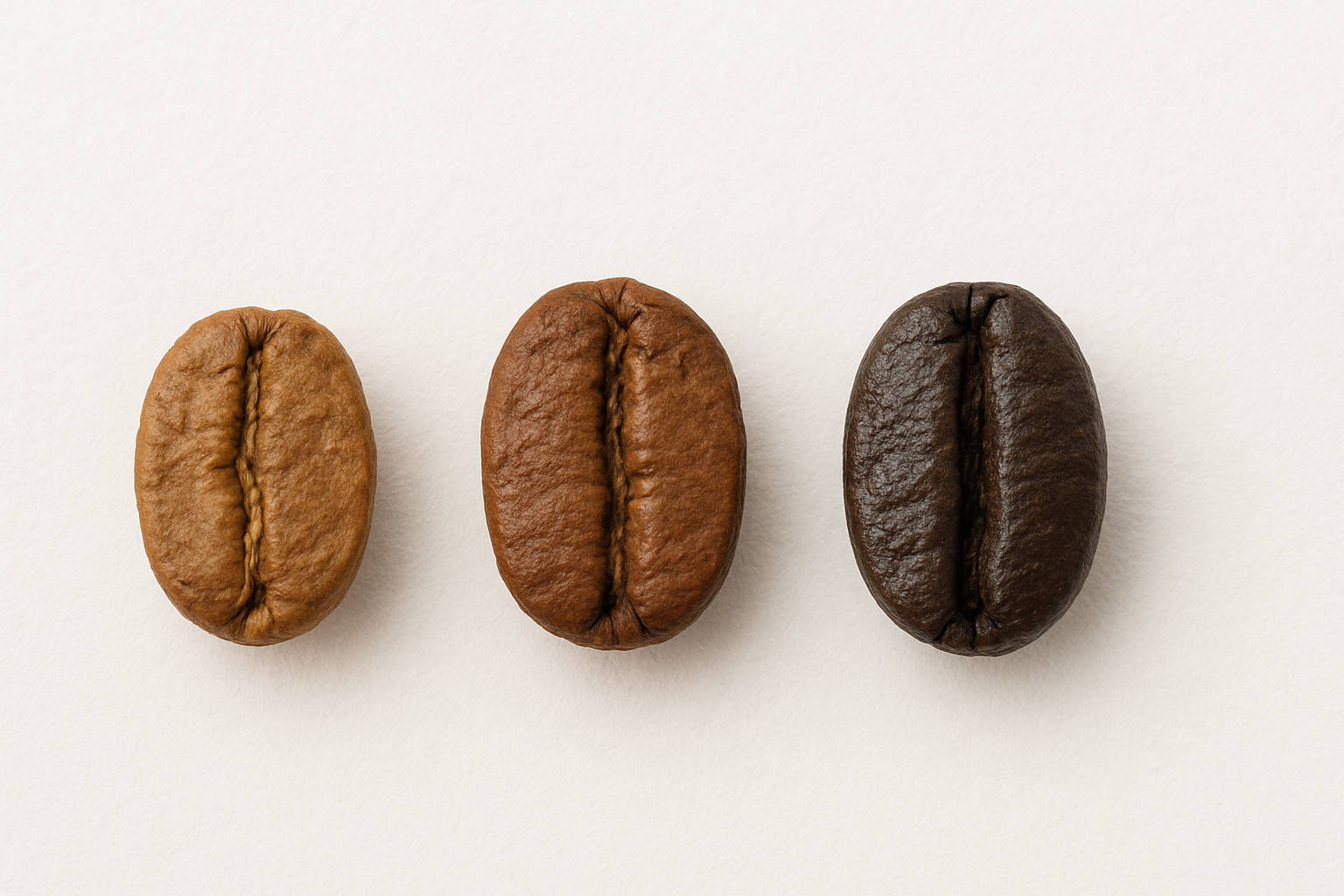
A common misconception in the wellness world is that the darkest, most intense coffee is the most "powerful." In reality, the roasting process is a delicate balancing act of chemistry. Light roast coffee is subjected to less heat for a shorter duration, which allows it to retain a higher percentage of the original chlorogenic acid in coffee beans. Because these acids are heat-sensitive, they begin to break down as the internal temperature of the bean rises.
Conversely, dark roast coffee undergoes a more intense transformation known as the Maillard reaction. This chemical reaction between amino acids and reducing sugars creates melanoidins. While the dark roast loses some polyphenols, these melanoidins offer distinct benefits, particularly regarding gut microbiome modulation. They act as prebiotics, fueling the growth of beneficial bacteria. Furthermore, the debate between light roast vs dark roast coffee for prebiotics often comes down to individual health goals: are you looking for maximum systemic antioxidant power (light) or better digestive support (dark)?
| Feature | Light Roast | Dark Roast |
|---|---|---|
| Primary Compound | Highest Chlorogenic Acid (CGA) | High Melanoidins |
| Key Benefit | Superior Oxidative Stress Reduction | Prebiotic & Gut Health Support |
| Taste Profile | Acidic, Floral, Bright | Bold, Smoky, Less Acidic |
| Stomach Comfort | Can be more acidic | Contains NMP (easier on some stomachs) |
When shopping, it is also worth considering organic vs conventional coffee antioxidants. Choosing organic beans ensures that your daily dose of phytochemicals isn't accompanied by synthetic pesticide residues, which could theoretically trigger the very inflammation you are trying to avoid. Additionally, seeking out high altitude coffee beans health benefits is a smart move; beans grown at higher elevations (often labeled as Strictly Hard Bean or SHB) grow more slowly, allowing more time for the plant to concentrate its nutrient-dense compounds.
The 3-Minute Protocol: Brewing for Maximum Bioavailability
Even if you buy the best coffee roast for antioxidants, your brewing method can significantly alter the final concentration in your cup. The goal is to extract the maximum amount of polyphenols without extracting the bitter, astringent tannins or cholesterol-raising oils like cafestol.
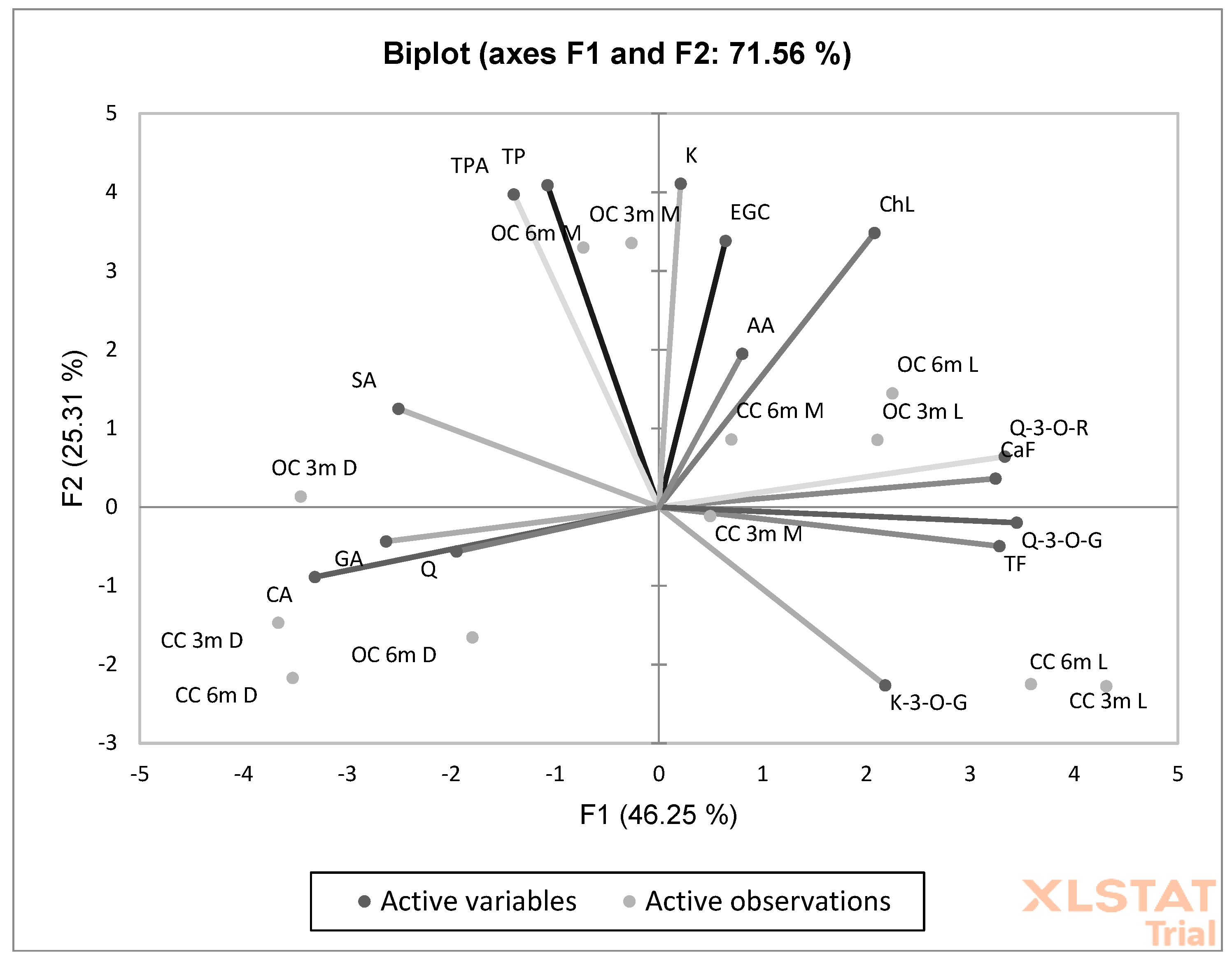
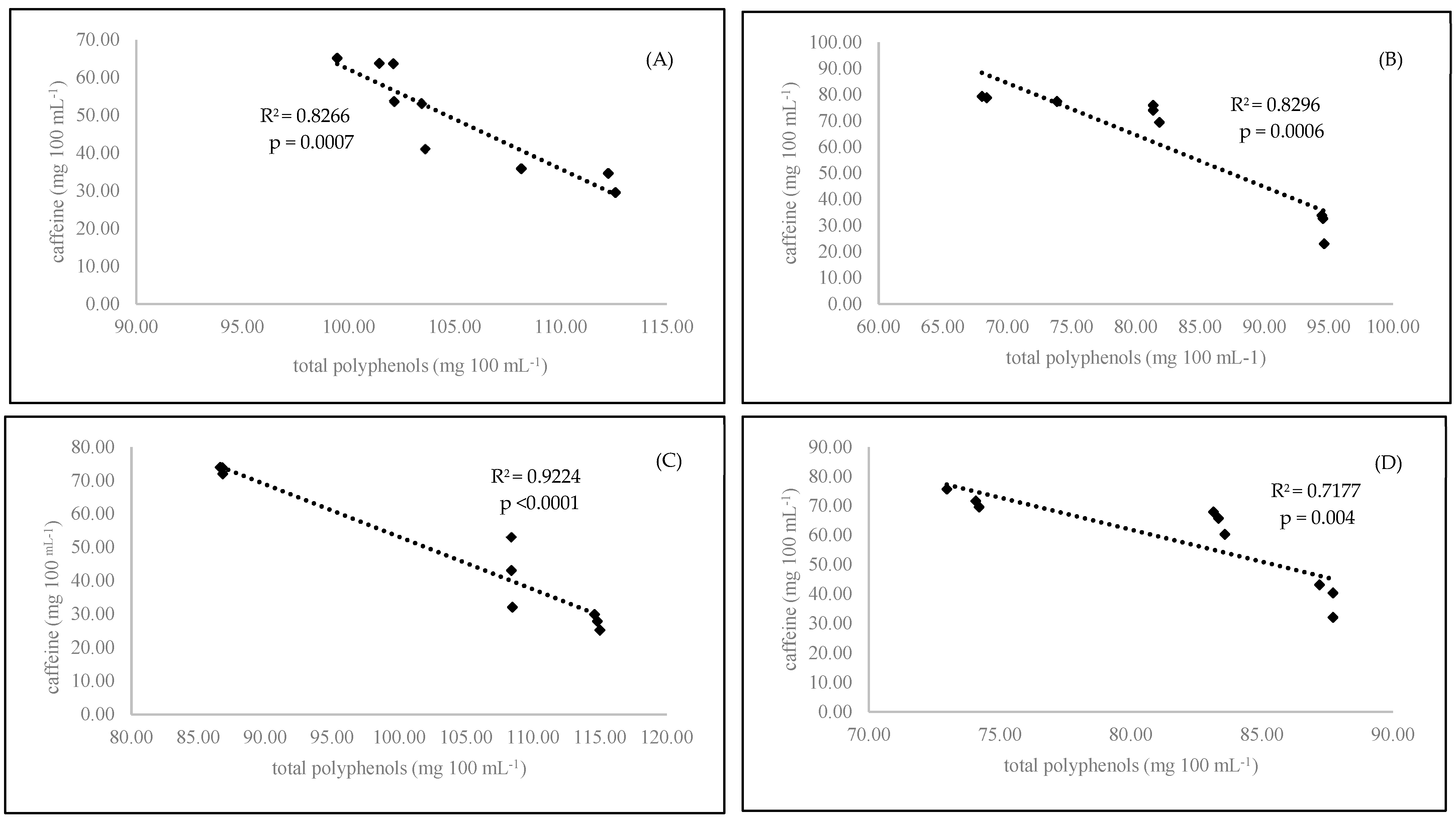
Key Takeaway: The 3-Minute Rule Research suggests that a brewing time of approximately three minutes is the "sweet spot" for polyphenol retention. Shorter extractions, like a quick espresso, may not pull out all the available chlorogenic acids, while overly long extractions (like a 10-minute French press) can lead to the degradation of sensitive compounds.
When looking at brewing methods for highest coffee antioxidants, the pour-over method with a paper filter is often recommended. The paper filter is crucial because it traps cafestol and kahweol, two diterpenes found in coffee oils that have been shown to raise LDL cholesterol levels. By using a filter, you get the cardiovascular protection of the antioxidants without the potential cardiovascular downside of the oils.
Temperature also plays a role in the optimal coffee brewing time for antioxidants. Water that is boiling (212°F) can be too harsh; aiming for 195°F to 205°F ensures efficient extraction of the bioactive profile without scorching the delicate chemical bonds. Whether you use a drip machine or a manual pour-over, consistency is key to ensuring your daily brew is as therapeutic as possible.
Disease Prevention: Heart, Gut, and Metabolism
The most compelling reason to optimize your coffee antioxidants intake is the long-term impact on chronic disease. Large-scale epidemiological studies have consistently shown that moderate coffee consumption is a protective factor against several major health issues.
- Cardiovascular and Metabolic Health: A landmark study published in the Journal of Clinical Endocrinology & Metabolism found that three cups of coffee daily is linked to a 48.1% reduced risk of cardiometabolic multimorbidity. This includes the prevention of overlapping conditions like type 2 diabetes and heart disease.
- Longevity: A meta-analysis of 40 studies involving 3.8 million people found that 3.5 cups a day is the ideal dose for a 15% reduction in all-cause mortality.
- Gut Health: The prebiotic compounds in coffee, particularly in dark roasts, have been shown to increase Bifidobacterium populations. These beneficial bacteria are essential for maintaining a strong intestinal barrier and supporting immune function.
- Blood Sugar Regulation: The chlorogenic acid in coffee helps slow the absorption of glucose in the digestive tract and improves insulin sensitivity, making it a valuable tool for metabolic health.
These health benefits of coffee compounds are not just about living longer; they are about living better. The anti-inflammatory activity provided by a consistent intake of polyphenols helps protect the brain from neurodegenerative decline and keeps the vascular system flexible and resilient.
Precautions: When Coffee Might Not Be Best
Despite the overwhelming evidence in favor of coffee antioxidants, there are times when caution is necessary. For individuals struggling with Gastroesophageal Reflux Disease (GERD) or chronic acid reflux, the acidity of light roast coffee can sometimes trigger symptoms. Interestingly, dark roast coffee contains a compound called N-methylpyridinium (NMP), which is produced during roasting and actually signals the stomach to produce less acid, making it a better choice for those with sensitive stomachs.
Furthermore, coffee can interact with certain medications. If you are taking proton pump inhibitors like Omeprazole or medications for osteoporosis, the timing of your coffee consumption can affect drug absorption. It is always wise to consult with a healthcare provider if you have a pre-existing condition, but for the vast majority of the population, the benefits of the phytochemical profile in coffee far outweigh the risks.
FAQ
What are the main antioxidants found in coffee?
The primary coffee antioxidants are a group of polyphenols called chlorogenic acids. Other significant compounds include caffeic acid, ferulic acid, p-coumaric acid, and melanoidins, which are created during the roasting process and provide unique anti-inflammatory activity.
Does coffee have more antioxidants than green tea?
In many Western diets, coffee actually provides more total antioxidants than green tea, primarily because coffee is consumed in larger volumes and has a higher concentration of polyphenols per serving. While green tea is famous for its EGCG (catechins), the chlorogenic acid in coffee offers a different but equally potent set of health benefits.
Which coffee roast has the highest antioxidant levels?
Light roast coffee generally contains the highest levels of chlorogenic acid because these heat-sensitive polyphenols are preserved during the shorter roasting process. However, dark roasts are superior for producing melanoidins, which offer specific benefits for gut health and prebiotic support.
Does the brewing method change the amount of antioxidants in coffee?
Yes, the brewing method significantly impacts the concentration of coffee antioxidants. A medium grind with a 3-minute extraction time is generally considered optimal. Using a paper filter is recommended for heart health, as it removes cholesterol-raising oils while allowing the beneficial polyphenols to pass through into your cup.