
Quick Facts
- Digestive Relief: Functions as a natural antacid that typically neutralizes stomach acid in 5-10 minutes.
- Athletic Performance: Clinical meta-analysis shows it can improve time to exhaustion by an average of 27%.
- Renal Support: Research indicates it can slow the progression of chronic kidney disease from 45% down to 9%.
- Oral Health: Effectively disrupts oral biofilm and neutralizes acidity to protect tooth enamel.
- Standard Dosage: The clinical protocol for performance is 0.3g per kg of body weight, usually taken 60-180 minutes before activity.
- Cost Efficiency: At approximately $0.05 per dose, it is significantly more affordable than most over-the-counter alternatives.
Baking soda, or sodium bicarbonate, acts as a powerful lactic acid buffer and alkalinity agent that provides significant baking soda benefits including neutralizing stomach acid, enhancing high-intensity exercise endurance, and supporting renal health by managing metabolic acidosis. By maintaining a stable pH balance in the blood and digestive tract, this common household staple serves as a versatile tool for both acute symptom relief and long-term health optimization.
The Chemistry of Health: Understanding Alkalinity and pH Balance
To appreciate why such a simple kitchen ingredient is so effective, we have to look at the chemistry of the human body. Our systems are constantly working to maintain a tight pH balance, particularly in the blood, which stays slightly alkaline at around 7.4. When we push our bodies through intense exercise or consume highly acidic diets, our internal environment shifts.
Sodium bicarbonate is an alkaline substance. When it enters the system, it provides a buffering effect, neutralizing excess hydrogen ions that contribute to acidity. This fundamental chemical reaction is the foundation for various sodium bicarbonate health uses. Whether it is calming a fiery stomach or allowing a sprinter to shave seconds off their time, the mechanism remains the same: the restoration of a balanced, alkaline environment.
Natural Relief for Acid Reflux and Heartburn
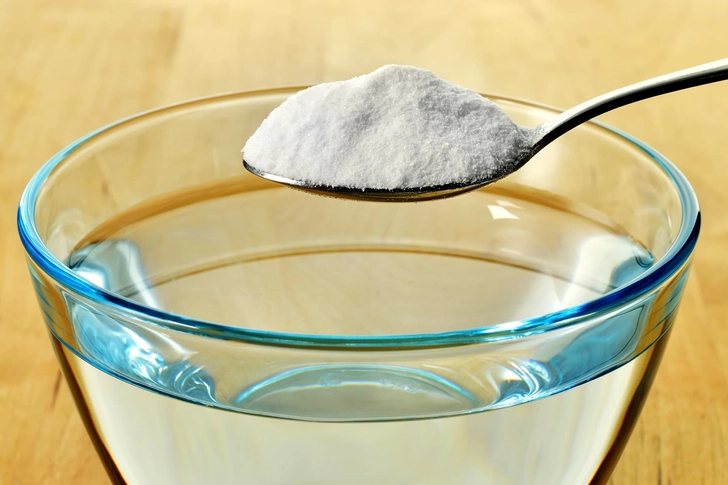
One of the most immediate baking soda benefits is its role as a stomach acid neutralizer. Heartburn occurs when stomach acid backs up into the esophagus, causing a painful burning sensation. Because sodium bicarbonate is alkaline, it reacts with the hydrochloric acid in the stomach to turn it into salt, water, and carbon dioxide.
Unlike many over-the-counter (OTC) medications that can take 30 minutes or more to offer relief, a baking soda solution often works within 5 to 10 minutes. This speed, combined with its extreme cost-effectiveness, makes it a go-to for occasional indigestion. For those seeking a baking soda dosage for acid reflux relief, the standard recommendation is half a teaspoon dissolved in four to eight ounces of water.
| Feature | Baking Soda | OTC Antacids (Tablets) |
|---|---|---|
| Cost per dose | ~$0.05 | ~$0.50 - $1.00 |
| Onset time | 5-10 minutes | 15-30 minutes |
| Main Mechanism | Direct pH neutralization | Calcium/Magnesium carbonate |
| Portability | Low (requires water) | High |
While effective for the occasional heavy meal, it is important to remember that this should not be a daily habit for chronic reflux without medical guidance. Excessive use can lead to a "rebound" effect where the stomach produces even more acid to compensate for the neutralized environment.
Boosting Athletic Performance: The Lactic Acid Buffer
For athletes, baking soda for athletic performance is one of the most well-researched ergogenic aids available. During high-intensity interval training or sprinting, your muscles produce lactic acid and hydrogen ions. This accumulation creates an acidic environment that leads to that familiar "burning" feeling and eventual muscle fatigue.
Sodium bicarbonate acts as a lactic acid buffer in the blood. By increasing the alkalinity of the blood, it draws the acidic ions out of the working muscles more efficiently. This allows the athlete to maintain a high power output for a longer duration. A meta-analysis of 29 studies indicates that supplementing with sodium bicarbonate can improve an athlete's exercise time to exhaustion by an average of 27%.

The timing is critical here. Professionals suggest taking sodium bicarbonate for athletic performance timing roughly 60 to 180 minutes before the start of a race or workout. This window ensures the bicarbonate levels in the blood are at their peak when the high-intensity work begins. It is most effective for activities lasting between one and seven minutes, such as 400m to 1500m running, rowing, or swimming events.
Supporting Kidney Function and Renal Health
Perhaps the most significant clinical application of sodium bicarbonate relates to renal health. The kidneys are responsible for removing acid from the body. In patients with chronic kidney disease (CKD), the kidneys struggle to maintain this balance, leading to a condition known as metabolic acidosis.
A landmark clinical study published in the Journal of the American Society of Nephrology found that rapid progression of kidney disease occurred in only 9% of patients taking daily sodium bicarbonate, compared to 45% in the control group. This dramatic difference suggests that providing the body with an external source of alkali can significantly reduce the workload on failing kidneys.
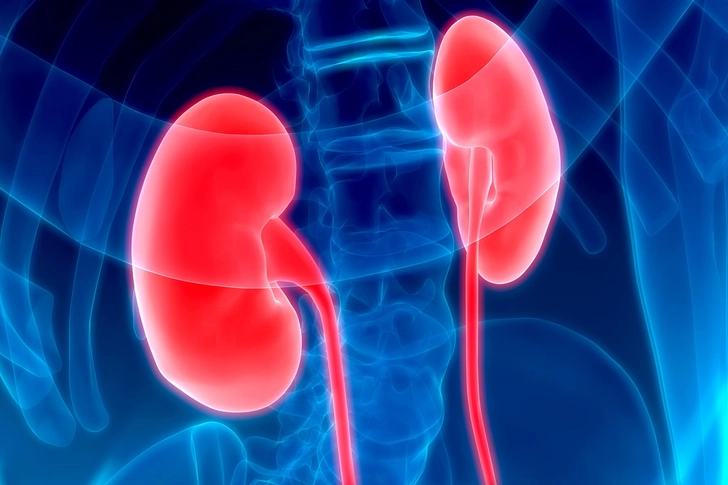
These sodium bicarbonate benefits for kidney function support are now being integrated into standard renal care protocols. However, because CKD is a complex medical condition, patients must only use this therapy under the direct supervision of a nephrologist to monitor electrolyte levels and blood pressure.
Enhancing Oral Hygiene and Breath Freshness
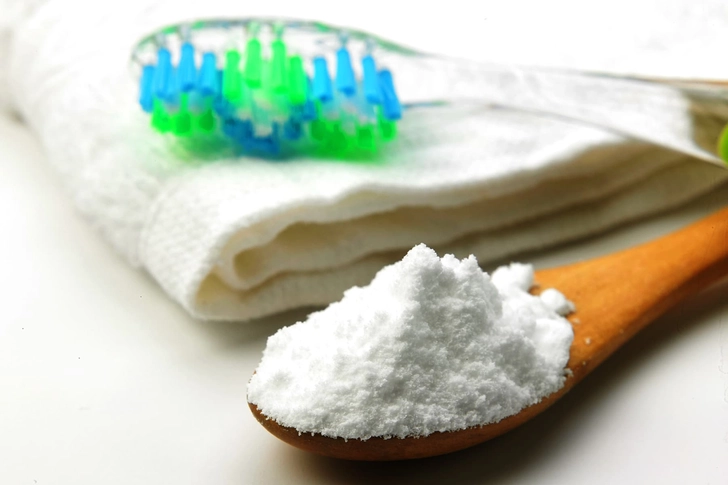
Baking soda has been a staple in dental care for decades, and for good reason. It is a mild abrasive that can physically remove surface stains from teeth without damaging the underlying enamel. More importantly, it creates an alkaline environment in the mouth that is hostile to the bacteria that cause cavities and gum disease.
The primary benefit lies in its ability to disrupt oral biofilm, commonly known as plaque. Bacteria in the mouth ferment sugars to produce acid, which dissolves tooth minerals. By neutralizing this acid, sodium bicarbonate protects the teeth from demineralization.
For those struggling with halitosis, a baking soda mouthwash for bad breath recipe is simple and effective: dissolve half a teaspoon of baking soda in a small glass of warm water and gargle for 30 seconds. Unlike alcohol-based mouthwashes that can dry out the mouth, this alkaline rinse neutralizes the acidic waste products of bacteria that cause odors.
Soothing Skin Irritation and Foot Care
The benefits of sodium bicarbonate extend beyond internal health to topical applications. Its anti-inflammatory and neutralizing properties make it an excellent remedy for minor skin irritations, such as insect bites, bee stings, or poison ivy. A simple paste made of three parts baking soda and one part water can be applied directly to the affected area to draw out irritants and reduce itching.
Furthermore, a baking soda foot soak for itchy skin relief is a popular remedy for athletes or those who spend long hours on their feet. Adding half a cup of baking soda to a basin of warm water helps soften callouses, neutralize foot odor, and soothe the irritation associated with conditions like athlete's foot. The alkaline water helps to gently exfoliate the skin while calming the inflammatory response.

Safety, Side Effects, and Proper Dosage
While the advantages are numerous, users must be aware of potential side effects of drinking baking soda water daily. Because it is high in sodium, excessive consumption can lead to water retention and increased blood pressure. It may also interfere with the absorption of certain medications by altering stomach acidity.
The most common issue, particularly among athletes using higher doses, is gastrointestinal distress. Studies show a roughly 57% incidence of bloating or nausea when taking large amounts of powder dissolved in water. To mitigate this, many athletes have turned to enteric-coated capsules, which allow the bicarbonate to bypass the stomach and dissolve in the small intestine, significantly reducing the risk of an upset stomach.

Dosage Cheat Sheet for Athletes
- Standard Dose: 0.3 grams per kilogram of body weight (e.g., 21g for a 70kg athlete).
- Timing: 60–180 minutes before exercise.
- Delivery: Split the dose or use enteric-coated capsules to minimize GI distress.
- Hydration: Consume with at least 500ml of water to assist absorption.
FAQ
What are the main health benefits of baking soda?
The primary benefits include its ability to act as a natural antacid for digestive relief, a lactic acid buffer for improved athletic endurance, and a medical intervention to slow the progression of chronic kidney disease. It also serves as an effective tool for oral hygiene by neutralizing mouth acids and as a topical treatment for soothing skin irritations and itchy feet.
Does baking soda help with heartburn and acid reflux?
Yes, it is a highly effective natural antacid. Because it is alkaline, it chemically neutralizes the hydrochloric acid in the stomach that causes the burning sensation of reflux. It typically provides relief within 5 to 10 minutes, though it is intended for occasional use rather than chronic management of digestive conditions.
Does baking soda help with exercise performance?
Baking soda significantly improves performance in high-intensity activities lasting between one and seven minutes. By increasing blood alkalinity, it helps buffer the acid produced in muscles during intense exertion, delaying fatigue and allowing athletes to maintain peak power for longer. Research shows an average 27% increase in time to exhaustion for those using it correctly.
Can baking soda help with kidney function?
Clinical evidence suggests that sodium bicarbonate can help manage metabolic acidosis in patients with chronic kidney disease. By neutralizing excess acid that the kidneys can no longer process, it significantly slows the progression of the disease. However, this must only be done under strict medical supervision to manage sodium intake and electrolyte balance.
Are there any side effects of consuming baking soda?
The most frequent side effects are gastrointestinal, including bloating, gas, and nausea, especially when taken in high doses. Because it is high in sodium, it can also cause water retention and elevated blood pressure. Long-term, unmonitored use can potentially lead to electrolyte imbalances or a rebound in stomach acid production.
Can baking soda be used to whiten teeth?
Baking soda is a common and effective natural teeth whitener. It acts as a mild abrasive that can remove surface stains without the harshness of some chemical whiteners. Furthermore, its alkaline nature helps neutralize acids in the mouth, which protects the enamel from the erosion that can lead to yellowing over time.