Quick Facts
- 2026 Top Pick: The DASH diet remains the premier choice for clinical blood pressure reduction.
- Best for Longevity: Mediterranean eating patterns offer the most robust protection against chronic inflammation.
- Top for Cholesterol: The Portfolio diet provides a structured approach to lowering LDL through plant sterols.
- Mechanism: Success is driven by high nutrient density, sodium restriction, and increased soluble fiber intake.
- Weight Loss Strategy: Prioritizing satiety regulation via fiber and healthy fats ensures a sustainable caloric deficit.
- Expert Recommendation: Combining these science-backed plans with modern lifestyle adjustments yields the best 2026 cardiovascular outcomes.
The DASH and Mediterranean diets are the top science-backed choices for 2026. While the DASH diet is specifically recognized for its effectiveness in lowering blood pressure through sodium restriction and high mineral intake, the Mediterranean diet is noted for its superior long-term effects on lipid metabolism, chronic inflammation, and sustained cardiovascular protection. For those navigating 2026 heart healthy diet rankings and recommendations, choosing between these two depends on whether your clinical priority is managing hypertension or optimizing overall metabolic longevity.
1. The DASH Diet: Gold Standard for Blood Pressure Management
The Dietary Approaches to Stop Hypertension, or DASH diet, was originally designed by the National Institutes of Health as a clinical intervention. However, its evolution into a mainstream heart healthy diet has made it a favorite for both clinicians and weight loss enthusiasts. The primary mechanism of the DASH plan is its focus on a mineral trio: potassium, calcium, and magnesium. These three minerals work in synergy to improve vascular tone and encourage the kidneys to excrete excess sodium.
When you follow the DASH diet for weight loss, you are not just cutting calories; you are fundamentally changing your body’s fluid balance. Most Americans consume nearly double the recommended amount of salt, leading to water retention and increased systolic pressure. By adhering to the lower DASH limit of 1500mg of sodium per day, rather than the standard 2300mg, many individuals see a significant reduction in blood pressure—often between 7 to 12 points within just two weeks.
Weight Loss Potential
Weight management on DASH is achieved through high-volume, low-energy-density foods. By filling your plate with fruits, vegetables, and low-fat dairy, you naturally regulate satiety. The high fiber content slows digestion, preventing the insulin spikes that lead to fat storage. This makes the DASH diet for weight loss particularly effective for those who struggle with hunger while in a caloric deficit.
Heart Health Mechanism
The heart health mechanism of DASH centers on sodium restriction. High sodium intake forces the heart to work harder to pump blood through constricted vessels. By increasing potassium intake, you help the muscles in your blood vessel walls relax. This reduces the mechanical stress on your arteries, slowing the progression of atherosclerosis and significantly lowering the risk of heart failure.
2. The Mediterranean Diet: Best for Metabolic Longevity
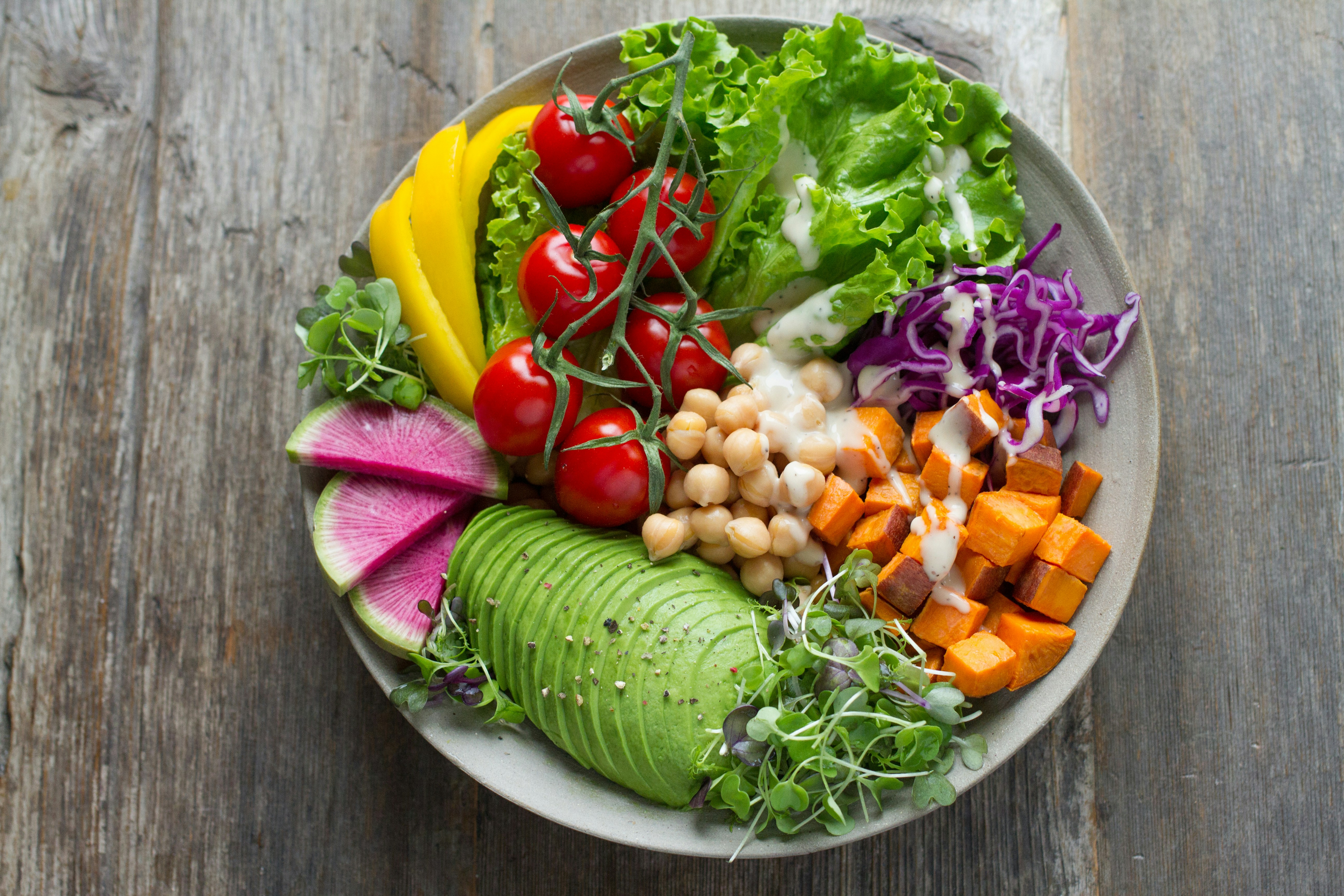
If you are comparing DASH vs Mediterranean diet for cardiovascular health, you will find that the Mediterranean approach is less about strict limits and more about the quality of dietary fats. Often cited as the gold standard for longevity, the Mediterranean diet for heart health emphasizes monounsaturated fats, primarily from extra virgin olive oil, and omega-3 fatty acids from fatty fish.
Recent data, including the long-term CORDIOPREV trial results, suggests that this eating pattern is exceptionally effective at preventing the recurrence of cardiovascular events. Unlike low-fat diets of the past, this heart healthy diet encourages a higher intake of healthy fats, which improves lipid profiles and reduces chronic inflammation.
Weight Loss Potential
Weight loss on the Mediterranean diet is often more gradual but more sustainable than on restrictive plans. The abundance of monounsaturated fats and fiber from legumes ensures long-term satiety. Research indicates that individuals on this plan often maintain their weight loss more effectively because the food variety is high, preventing the "diet fatigue" that leads to binging.
Heart Health Mechanism
The primary benefit here is the improvement of lipid metabolism. Olive oil and nuts are rich in polyphenols, which protect LDL cholesterol from oxidation—a key step in the formation of arterial plaque. Furthermore, the high intake of omega-3 fatty acids helps lower triglycerides and reduce the risk of arrhythmias. By focusing on whole, unprocessed foods, you naturally avoid the trans fats and added sugars that damage the delicate lining of your blood vessels.
3. The Portfolio Diet: Strategizing for LDL Reduction
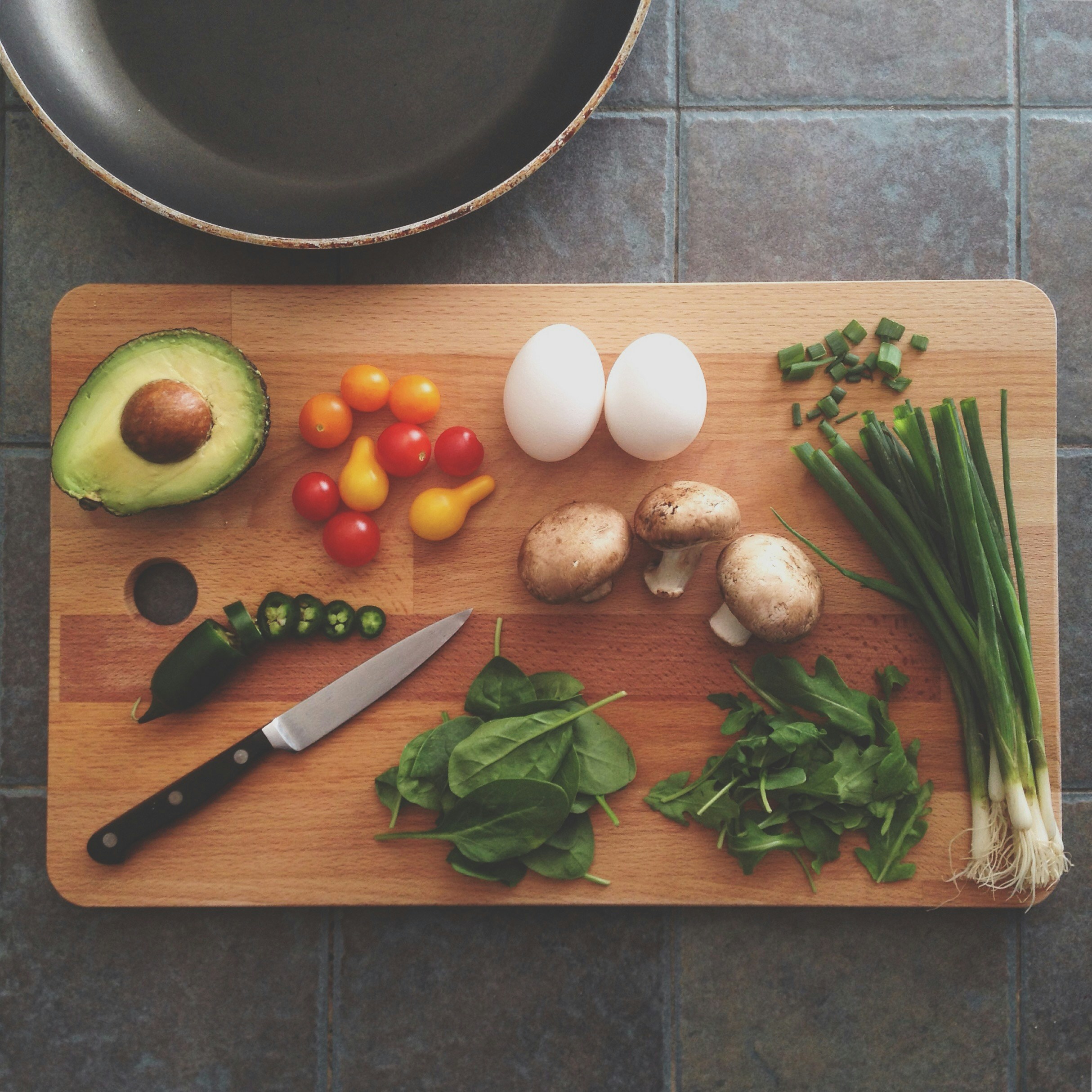
The Portfolio diet is a unique, "investor-style" approach to heart health. Instead of focusing on what to remove, it focuses on adding four specific pillars of cholesterol-lowering foods: soy protein, plant sterols, tree nuts, and soluble fiber. This plan is essentially a low cholesterol meal planning masterclass, designed to mimic the effects of first-generation statins through dietary intervention alone.
According to a 30-year study published in Circulation, long-term adherence to the Portfolio diet is associated with a 14% lower risk of both heart disease and stroke compared to those with the lowest adherence. This makes it an essential consideration for anyone wondering how to start a heart healthy diet for weight loss while specifically targeting high cholesterol.
Weight Loss Potential
Because the Portfolio diet relies heavily on plant-based proteins like beans, lentils, and tofu, it is naturally lower in calories than diets heavy in red meat. The emphasis on soluble fiber, particularly from oats and barley, creates a viscous gel in the digestive tract. This gel not only binds cholesterol but also slows glucose absorption, helping you maintain steady energy levels and avoid the cravings that derail weight loss goals.
Heart Health Mechanism
The Portfolio diet works through a "multiple-entry" strategy. Soluble fiber binds to bile acids in the gut, forcing the liver to pull LDL cholesterol out of the bloodstream to make more. Simultaneously, plant sterols—which are structurally similar to cholesterol—compete for absorption in the small intestine. This dual-action approach creates a significant improvement in your lipid profile, often reducing LDL levels by as much as 20% to 30%.
4. The TLC (Therapeutic Lifestyle Changes) Diet: Clinical Precision
The TLC diet was developed by the National Institutes of Health (NIH) as a clinical protocol for managing high cholesterol. It is perhaps the most "math-heavy" heart healthy diet, requiring participants to limit saturated fat to less than 7% of total daily calories and cholesterol to less than 200mg per day.
For those who prefer a structured, data-driven approach, the TLC plan provides clear boundaries. It is an excellent framework for low cholesterol meal planning, especially when combined with a budget friendly heart healthy grocery list. By focusing on staple foods like brown rice, lean poultry, and seasonal vegetables, the TLC diet proves that heart health does not have to be expensive.
Weight Loss Potential
The TLC diet is highly effective for weight loss because it forces a reduction in calorie-dense saturated fats. By swapping butter for liquid oils and fatty meats for lean proteins, you naturally create a caloric deficit. The NIH designed this plan to be paired with daily physical activity, making it a comprehensive lifestyle intervention rather than just a temporary meal plan.
Heart Health Mechanism
The heart health mechanism of the TLC diet is centered on the aggressive management of lipids. Saturated fats are the primary dietary driver of high blood cholesterol. By strictly limiting these fats, you improve insulin sensitivity and reduce the burden on your liver. This clinical precision is particularly beneficial for individuals who have already been diagnosed with metabolic syndrome or are at high risk for coronary artery disease.
5. Anti-Inflammatory Plant-Forward Eating: Modern Heart Protection
As we move into 2026, the focus of nutrition science has shifted toward the role of chronic inflammation in heart disease. An anti-inflammatory, plant-forward diet prioritizes phytonutrients found in colorful vegetables, berries, and whole grains. This is more than just "going vegan"; it is about choosing foods with a low glycemic index that support a healthy gut microbiome.
This eating pattern has gained significant traction due to its synergy with modern weight loss tools, including GLP-1 medications. By focusing on nutrient density and plant-based proteins, individuals can maintain lean muscle mass while losing fat. If you are looking for a science backed anti inflammatory diet for heart health, this modern approach offers the most flexibility.
Weight Loss Potential
The weight loss benefits of a plant-forward diet are primarily driven by fiber and volume. Plant foods allow you to eat a larger volume of food for fewer calories, which is essential for satiety regulation. Furthermore, the high antioxidant content helps combat the oxidative stress associated with obesity, making it easier for the body to mobilize stored fat.
Heart Health Mechanism
Phytonutrients like flavonoids and carotenoids act as natural anti-inflammatories, protecting the endothelium (the inner lining of the blood vessels). By improving insulin sensitivity and reducing the levels of C-reactive protein in the blood, this diet prevents the low-grade inflammation that triggers plaque rupture and heart attacks. It is a comprehensive strategy for long-term cardiovascular resilience.
Comparison Table: Choosing Your 2026 Heart Healthy Path
Before deciding on a plan, it is helpful to look at how these diets compare in terms of their primary clinical targets and daily requirements. The American Heart Association continues to emphasize that the best diet is the one you can follow consistently.

| Diet Plan | Primary Clinical Goal | Key Fat Source | Sodium Limit | Primary Nutrient Focus |
|---|---|---|---|---|
| DASH | Blood Pressure | Low-fat dairy | 1500-2300mg | Potassium, Magnesium |
| Mediterranean | Longevity/Metabolism | Olive Oil, Fish | Moderate | Omega-3s, MUFAs |
| Portfolio | LDL Cholesterol | Nuts, Seeds | Moderate | Plant Sterols, Soluble Fiber |
| TLC | Lipid Management | Liquid Oils | Moderate | Saturated Fat <7% |
| Plant-Forward | Anti-Inflammation | Avocados, Nuts | Low-Moderate | Phytonutrients, Fiber |
FAQ
Is the Mediterranean diet better than the DASH diet?
Neither is objectively better; they serve different primary goals. The DASH diet is superior for immediate blood pressure reduction due to its strict sodium limits. The Mediterranean diet is often considered better for long-term adherence and broad metabolic health because it includes a wider variety of healthy fats and is less restrictive regarding salt.
What are the best foods for a heart-healthy diet?
The best foods are those that are high in fiber and low in saturated fat. This includes leafy greens, berries, fatty fish like salmon, walnuts, oats, and legumes. These foods provide the necessary antioxidants and healthy fats to protect the arteries and regulate cholesterol.
Can a heart-healthy diet lower blood pressure?
Yes, dietary changes are one of the most effective ways to manage hypertension. The DASH diet, in particular, has been shown to lower systolic pressure by significant margins, often comparable to the effects of a single blood pressure medication, simply by increasing mineral intake and reducing sodium.
What foods should you avoid for heart health?
You should limit foods high in saturated fats, trans fats, and added sugars. This includes processed meats like bacon and sausage, sugary beverages, highly refined carbohydrates like white bread, and fried fast foods. These items contribute to arterial stiffness and systemic inflammation.
What is the best breakfast for heart health?
A heart-healthy breakfast should include soluble fiber and lean protein. A bowl of steel-cut oats topped with walnuts and blueberries is an excellent choice, as the oats bind cholesterol while the berries provide anti-inflammatory antioxidants. Another great option is Greek yogurt with ground flaxseeds.