Quick Facts
- 2026 Goal: Aim for a 5-7% weight loss to significantly improve glycemic control.
- Sugar Cap: Limit added sugar to a maximum of 10g per meal.
- Carb Unit: One 'Carbohydrate Choice' equals exactly 15 grams of carbs.
- Protein Target: Seniors should aim for 0.8-1.5 g/kg/day to protect lean muscle mass.
- Plate Standard: Use a 9-inch plate for optimal portion visualization.
- Key Metric: Focus on 'Time in Range' (TIR) via CGM data rather than just A1C.
A successful 2026 diabetes meal plan focuses on individualized nutrition over one-size-fits-all rules. By following modern diabetic nutrition guidelines, you can stabilize HbA1c levels and improve time in range. An effective plan prioritizes whole foods, limits added sugar to 10g per meal, and incorporates healthy fats to support cardiometabolic health. Modern diabetic nutrition guidelines recommend capping added sugar at 10g per meal to prevent postprandial spikes. Instead of the traditional low-fat focus, experts now advise transitioning to healthy fats and minimizing refined carbohydrates. Utilizing tools like continuous glucose monitors can further help track time in range and personalize dietary choices based on individual glycemic load responses.
Strategy 1: Transition to Personalized Nutrition Patterns
In the past, many people viewed a diabetes meal plan as a restrictive list of "no" foods. As we move into 2026, the clinical consensus has shifted toward personalized nutrition. There is no longer a single, universal diet for everyone with diabetes. Instead, the focus is on finding an eating pattern that aligns with your personal health goals, cultural background, and budget while effectively managing blood glucose.
Research indicates that Medical Nutrition Therapy (MNT) provided by a Registered Dietitian Nutritionist can lead to an absolute decrease in Hemoglobin A1c (HbA1c) of up to 2.0% for individuals with type 2 diabetes. This is a massive improvement, as each 1% absolute reduction in mean HbA1c levels is associated with a 37% decrease in the risk of microvascular complications. For many, this looks like the Mediterranean eating pattern, which emphasizes plant-based foods and healthy oils, or a low-carbohydrate approach for those needing more aggressive glycemic control.
| Category | Traditional Approach | 2026 Standard |
|---|---|---|
| Fat Intake | Low-fat, calorie-restricted | Focus on monounsaturated fats |
| Carb Strategy | Fixed carb counting for everyone | Individualized nutrition guidelines for type 1 diabetes and type 2 |
| Primary Metric | HbA1c every 3-6 months | Daily Time in Range (TIR) via CGM |
| Food Quality | Focus on calories/macros only | Strict avoidance of ultra-processed foods |
| Personalization | One-size-fits-all | Cultural and budget-integrated plans |
The goal of these modern diabetic nutrition guidelines is to improve cardiometabolic health. This means we are looking at more than just the number on a glucometer; we are looking at heart health, weight management, and long-term vitality.
Strategy 2: Prioritize Protein to Protect Lean Muscle Mass
Protein is becoming the "meal anchor" in the 2026 diabetes meal plan for weight loss. In the past, protein was often an afterthought, but we now understand its vital role in maintaining lean muscle mass, especially for older adults or those using GLP-1 receptor agonist therapies. When you lose weight, you risk losing muscle along with fat, which can slow down your metabolism and make long-term blood sugar management tips harder to sustain.
Prioritizing protein in a diabetic diet plan helps increase satiety cues, meaning you feel full longer and are less likely to snack on refined carbohydrates. For most adults with diabetes, a target of 0.8 to 1.5 grams of protein per kilogram of body weight per day is recommended. Choosing high-quality sources such as lean poultry, fish, tofu, or legumes ensures you are getting the building blocks your body needs without excessive saturated fats.
By starting your meal with protein, you may also help dampen the glucose response of any carbohydrates eaten later in that same sitting. This simple "food ordering" technique is a practical way to integrate healthy eating for diabetes into a busy lifestyle.
Strategy 3: The 10g Sugar Cap & Eliminating 'Ultra-Processed' Villains
One of the most significant changes in 2026 is the hard stance against ultra-processed foods. These items, which often include packaged snacks, sugary cereals, and certain frozen meals, are engineered to be hyper-palatable but lack micronutrient density. Avoiding ultra-processed foods in diabetes management is now considered as important as controlling total carbohydrate intake.
The new "Gold Standard" for blood sugar management tips is a strict 10g cap on added sugar per meal. This helps prevent postprandial spikes, which are the sharp rises in blood sugar that occur after eating. When you choose whole foods—think a whole apple instead of apple juice, or steel-cut oats instead of instant flavored packets—you are providing your body with dietary fiber that slows glucose absorption.
To stay under this cap, you must become a savvy label reader. Added sugars can hide under names like maltodextrin, high fructose corn syrup, or concentrated fruit juice. By sticking to whole foods, you naturally avoid these glycemic traps and provide your body with the anti-inflammatory nutrients needed to combat insulin resistance.
Strategy 4: Transitioning from Low-Fat to Healthy Fats
For decades, the standard advice was to eat a low-fat diet. We now know that this often led people to replace fats with refined carbohydrates, which actually worsened blood sugar control and insulin resistance. The 2026 transition from low fat to healthy fats for diabetics focuses on quality rather than just quantity.
Monounsaturated fats, found in olive oil, avocados, and certain nuts, are the stars of the modern diabetes meal plan. These fats are heart-healthy and do not cause the same inflammatory response as trans fats or excessive saturated fats. Incorporating these into your meals can improve satiety and help stabilize the glycemic load of your entire plate.
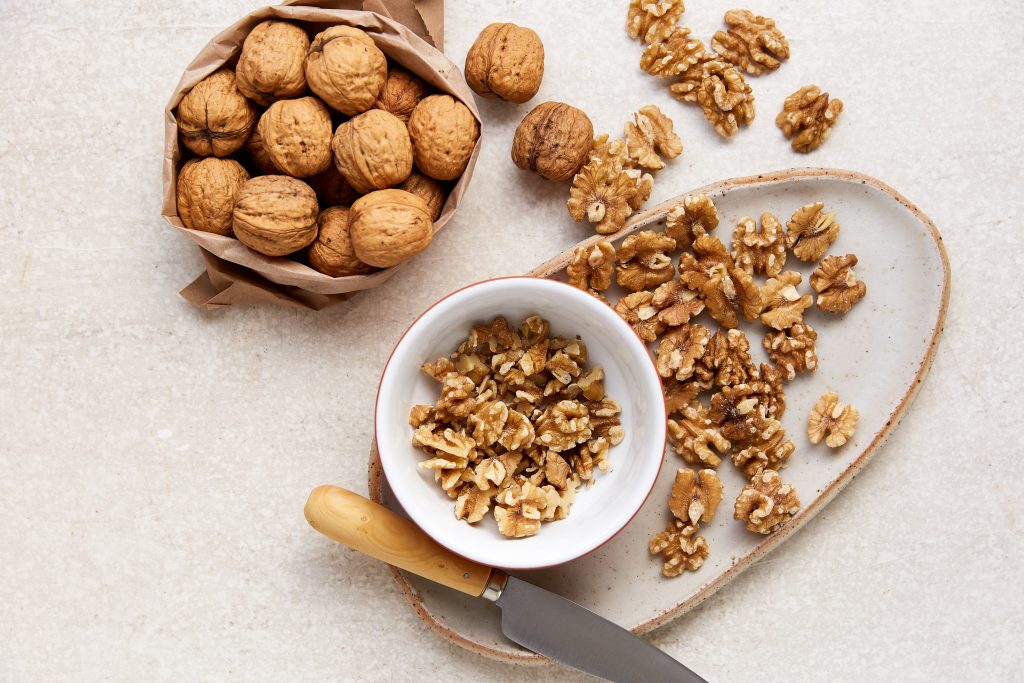
When you focus on healthy eating for diabetes, think of fat as a tool for flavor and fullness. A handful of walnuts or a drizzle of extra virgin olive oil over vegetables can make a meal more satisfying and slow the digestion of carbohydrates, leading to a flatter glucose curve.
Strategy 5: Mastering Portions with the 9-Inch Plate & Hand Method
Visualization is a powerful tool for daily blood sugar management tips. Rather than weighing every gram of food, which can lead to burnout, many experts recommend the 9-inch plate method. This visual guide ensures you are getting a high volume of dietary fiber while keeping calorie-dense starches in check.
The Hand-Based Portion Guide
- Palm: Your serving of meat, poultry, or fish should be roughly the size and thickness of your palm (about 3 oz).
- Fist: A serving of non-starchy vegetables or a portion of fruit should be the size of your fist.
- Thumb: Use your thumb to measure a serving of healthy fats, like oil or nut butter (about 1 tablespoon).
- Cupped Hand: This represents one carbohydrate choice (about 15g of carbs), such as a small potato or a half-cup of cooked grains.
Using a smaller plate naturally limits portions without making you feel deprived. The goal is to fill half your plate with non-starchy vegetables like spinach, broccoli, or peppers. These foods are low in calories but high in nutrients, helping you achieve the weight loss goals recommended by the American Diabetes Association (ADA). The ADA recommends that individuals with overweight or obesity aim for a weight loss of 3% to 7% to improve glycemic control.
Strategy 6: The 15g Carbohydrate Choice System
While individualized nutrition is key, having a simplified system for counting carbs makes the 2026 diabetes meal plan much easier to follow. We use the "Carbohydrate Choice" system, where one choice is equal to 15 grams of carbohydrates. This allows for flexibility and variety without complex math.
General diabetic nutrition guidelines often suggest a target of 45-60 grams (3-4 choices) per meal for women and 60-75 grams (4-5 choices) for men, though these should be adjusted based on activity level and medication. By understanding the glycemic load of your choices, you can swap a slice of whole-grain bread for a small piece of fruit or a half-cup of beans.
Focusing on dietary fiber within these carb choices is essential. A carbohydrate choice that comes with 5 grams of fiber will have a much lower impact on your blood sugar than a choice with zero fiber. This is why whole grains, berries, and legumes are preferred over white rice or processed crackers.
Strategy 7: Leveraging CGM Data for 'Time in Range'
The most transformative tool in modern diabetes care is the Continuous Glucose Monitor (CGM). In 2026, we are moving beyond the three-month HbA1c levels as the only measure of success. Instead, we look at Time in Range (TIR), which measures the percentage of time your blood sugar stays within a target window (typically 70-180 mg/dL).
By using blood sugar management tips using continuous glucose monitors, you can see in real-time how a specific meal affects your body. For example, you might find that brown rice spikes your sugar more than quinoa, or that a walk after dinner significantly lowers your post-meal peak. This data allows for the ultimate personalized nutrition experience.
Instead of following a generic list of "diabetic foods," you become the scientist of your own body. If your CGM shows you are spending 70% or more of your day in range, you are significantly reducing your risk of long-term complications. This data-driven approach empowers you to make adjustments on the fly, leading to better long-term outcomes and less daily stress.

FAQ
What is the best meal plan for a person with diabetes?
There is no single best diabetes meal plan for everyone. The most effective approach is individualized, often focusing on Mediterranean or low-carbohydrate patterns that prioritize whole foods, lean proteins, and healthy fats while limiting added sugars and refined starches.
What foods should be avoided on a diabetes meal plan?
You should aim to avoid ultra-processed foods, sugary beverages, and items with high amounts of added sugar (more than 10g per meal). Refined carbohydrates like white bread and sugary cereals should also be minimized to prevent sharp blood sugar spikes.
How many carbs should a diabetic have per meal?
While targets vary, a common starting point is 45-60 grams per meal for women and 60-75 grams for men. However, these amounts should be personalized based on your activity level, medications, and weight loss goals.
Can you eat fruit on a diabetes-friendly diet?
Yes, fruit can be part of a healthy diet. Focus on whole fruits rather than juice, and prioritize high-fiber options like berries, apples with the skin on, and citrus. These should be counted as part of your total carbohydrate choices for the meal.
How do I create a simple 7-day diabetes meal plan?
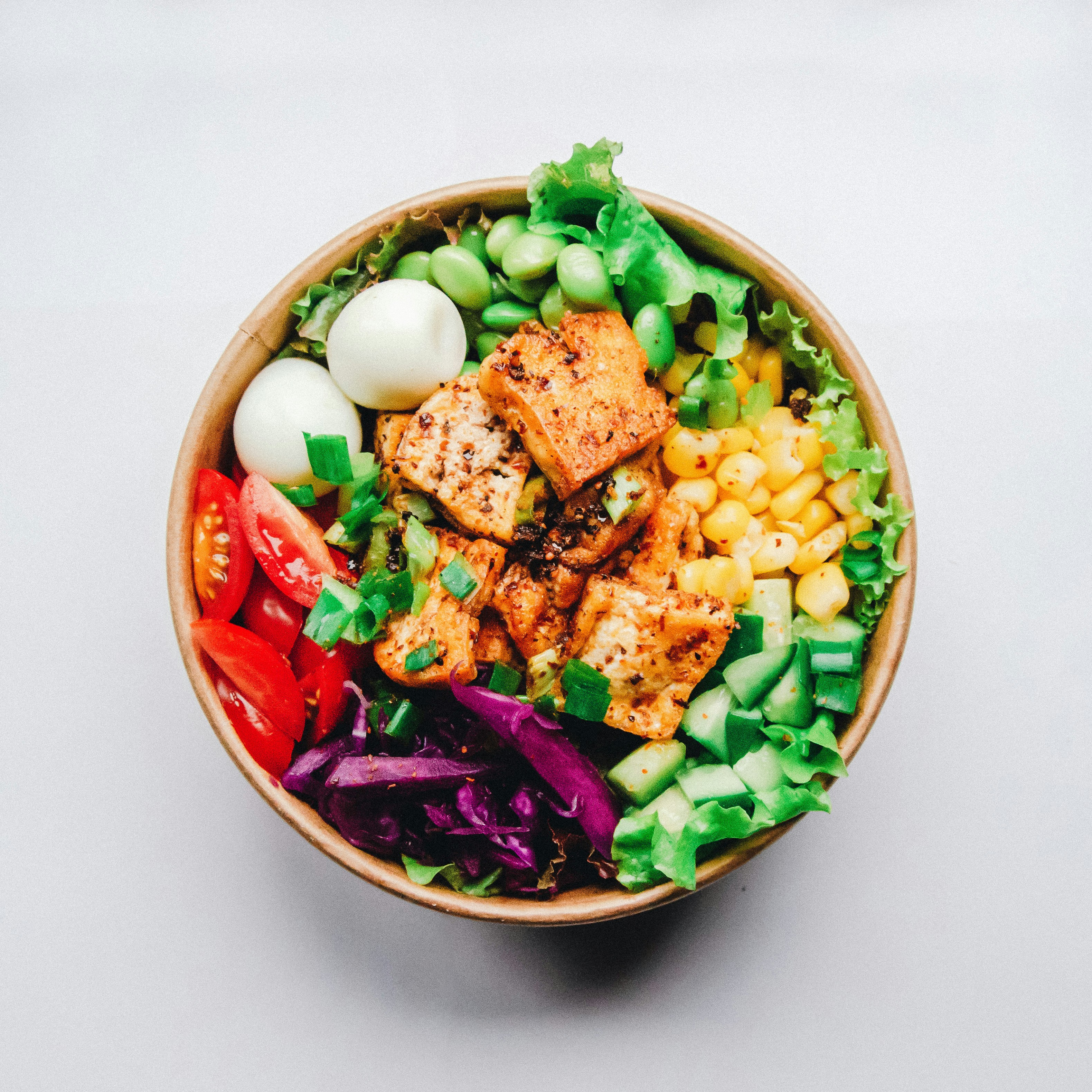
Start by choosing a lean protein for each meal, then fill half your plate with non-starchy vegetables. Add one or two small servings of high-fiber carbohydrates (like quinoa or sweet potato) and a source of healthy fat (like avocado or olive oil). Rotate your protein and vegetable choices throughout the week to ensure a variety of nutrients.
How can I manage my blood sugar through diet?
Effective management involves controlling portion sizes using the 9-inch plate method, prioritizing protein and fiber to slow glucose absorption, and using technology like CGMs to track how different foods affect your Time in Range. Consistency in meal timing and limiting added sugars to under 10g per meal are also critical strategies.