Quick Facts
- Superfood Status: Stone fruits (drupes) like cherries and peaches are packed with antioxidants and vitamins A and C.
- Ripeness Marker: Look for a slight give when squeezed; peaches should have a sweet aroma at the stem.
- Storage Tip: Store at room temperature until ripe, then refrigerate for up to 5 days.
- Health Benefit: High dietary fiber content is maintained by keeping the skins on during prep.
- Prep Secret: Use a pitting technique that twists the fruit halves to easily release the stone.
To find the best stone fruit recipes, first identify peak ripeness by looking for vibrant color and a gentle give. Stone fruits are seasonal superfoods rich in fiber and antioxidants that support heart health and digestion. Whether you're making a quick stone fruit smoothie or a savory salad with goat cheese, these versatile drupes are summer's nutritional powerhouses.
As summer peaks, stone fruits—or drupes—take center stage at every farmer's market. From peaches to plums, these seasonal superfoods offer incredible nutritional benefits. This guide provides 10 healthy stone fruit recipes to fuel your summer and help you make the most of this fleeting season.
Why Stone Fruits Are the Ultimate Summer Superfoods
From a nutritional science perspective, stone fruits are more than just a sweet summer treat; they are functional foods designed by nature to protect our bodies. The term drupes refers to any fruit with a fleshy exterior surrounding a single, hard shell (the stone or pit) with a seed inside. This family includes peaches, nectarines, plums, apricots, and cherries.
According to a 2024 survey of more than 2,000 U.S. adults, approximately 62% of Americans identify peaches as the stone fruit they most look forward to eating during the summer season. It is easy to see why. Beyond their succulent texture and sweet aroma, the nutritional benefits of drupes are extensive. A single large peach weighing approximately 175 grams provides about 19% of the recommended daily intake for vitamin C and 11% of the recommended daily intake for vitamin A. These vitamins are essential for maintaining skin elasticity and supporting a robust immune system.
Furthermore, these fruits are dense in antioxidants and phytochemicals. For instance, a 28-day study found that consuming roughly 280 grams of fresh cherries daily significantly reduced markers of inflammation, including C-reactive protein, which is associated with risks for heart disease and diabetes. By incorporating stone fruit recipes into your weekly meal planning, you are actively consuming dietary fiber that aids digestion and stabilizes blood sugar levels.
The Selection & Storage Guide: Peak Ripeness to Table
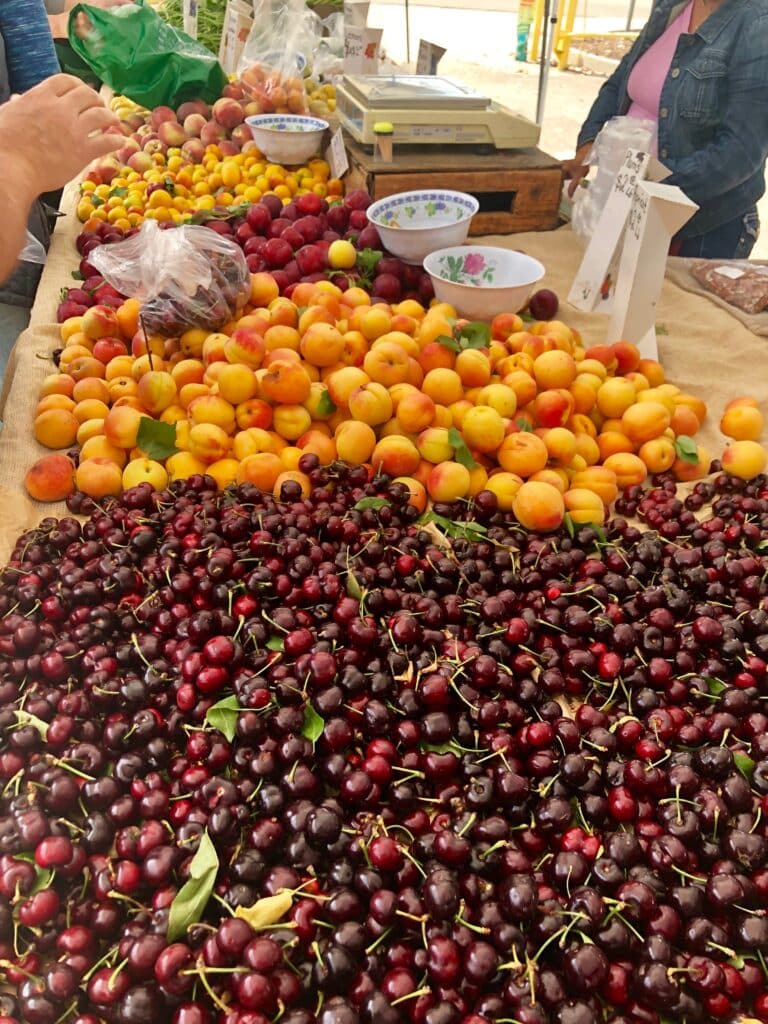
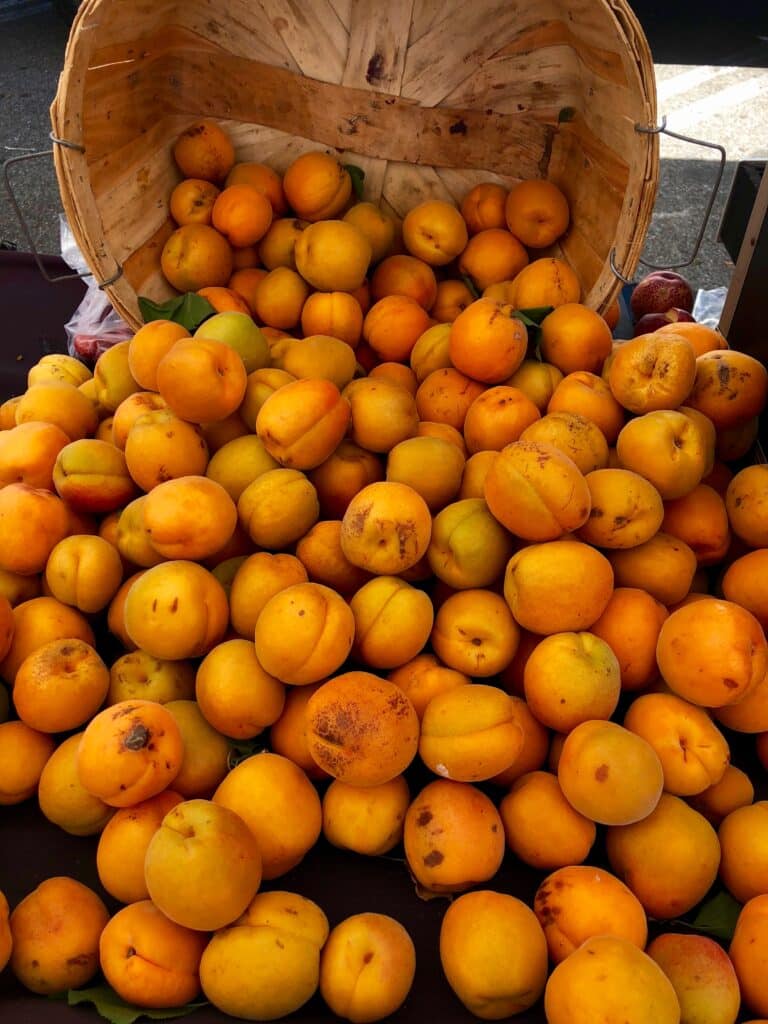
The key to a successful dish lies in how to tell when stone fruit is ripe. Unlike some tropical fruits that can be forced into ripeness, stone fruits are best when they have reached peak ripeness on or near the tree. When you visit your local farmer's market, use your senses. Look for a vibrant color—though keep in mind that the red "blush" on a peach indicates sun exposure, not necessarily sweetness. The ground color (the part not affected by the sun) should be yellow or creamy, not green.
For peaches and nectarines, give the fruit a gentle squeeze. There should be a slight give, especially near the stem. Perhaps the most reliable indicator is the sweet aroma; if it doesn't smell like a peach, it likely won't taste like one either. For plums and apricots, look for skin that is smooth and free of soft spots or bruises.
The best way to store peaches and plums depends on their current state. If they are still a bit firm, store underripe fruit at room temperature in a paper bag. This traps the ethylene gas and speeds up the process. Once they reach that perfect stage, move them to the refrigerator to maintain freshness for up to five days. When you are ready to cook, use a proper pitting technique: slice the fruit along the natural seam all the way around the pit, then gently twist the halves in opposite directions. This allows the stone to release cleanly, leaving you with perfect slices for your stone fruit recipes.
Healthy Stone Fruit Breakfast Ideas to Start Your Day
Starting your morning with stone fruit provides a natural energy boost and a significant dose of dietary fiber. These healthy stone fruit breakfast ideas are designed to be low in added sugar and high in whole-food nutrition.
1. Peach & Overnight Oats
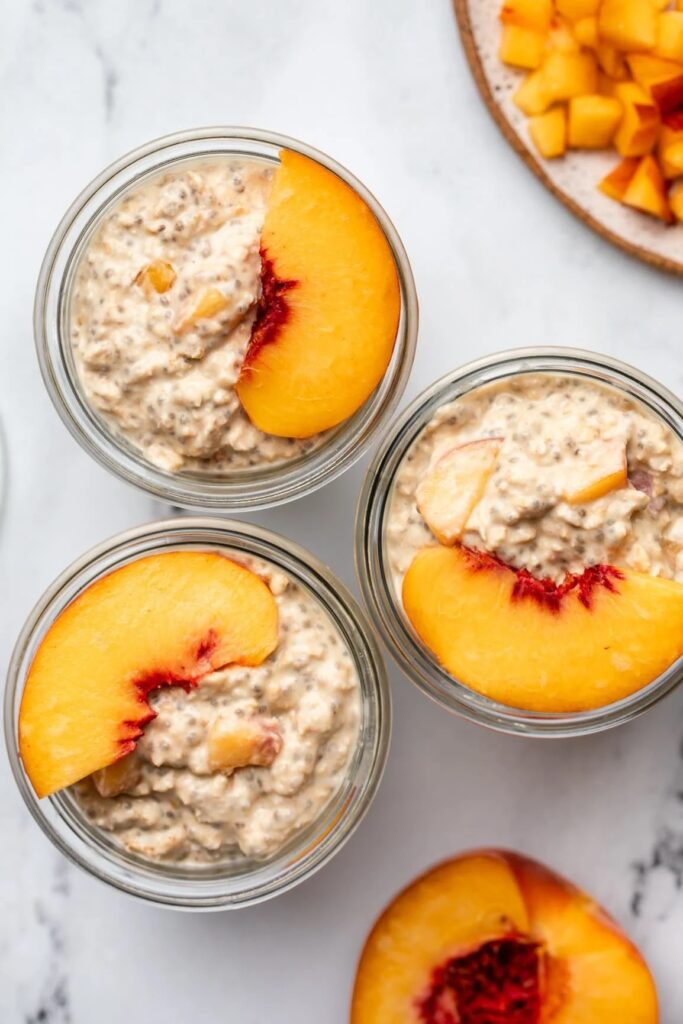
This is a staple for busy mornings. Combine half a cup of rolled oats with half a cup of unsweetened almond milk and a teaspoon of chia seeds. Stir in one diced, ripe peach. The natural sugars from the fruit will macerate slightly overnight, sweetening the oats without the need for maple syrup. In the morning, top with a few toasted walnuts for a healthy fat source.
2. Quick stone fruit smoothie recipes
Smoothies are excellent for using up fruit that has become slightly too soft for slicing. For a refreshing morning blend, combine one pitted nectarine, a handful of frozen cherries, half a frozen banana, and a cup of spinach. The frozen cherries add deep color and powerful antioxidants, while the nectarine provides a velvety texture.
3. Nectarine & Greek Yogurt Bowls
For a high-protein option, top one cup of plain Greek yogurt with sliced nectarines and a sprinkle of hemp seeds. I recommend leaving the skins on the nectarines; they contain a large portion of the fruit's dietary fiber and minerals. If the fruit isn't at peak sweetness, you can briefly toss the slices with a hint of cinnamon to enhance the perceived sweetness.
Savory Summer Stone Fruit Salad Recipes & Grilling Hacks
While we often associate these fruits with desserts, stone fruit recipes excel in savory contexts. The natural acidity and sweetness of drupes provide a perfect counterpoint to salty cheeses and charred proteins. When grilling, use fruit that is still slightly firm so it holds its shape on the grates.
4. Grilled Plum & Burrata Salad
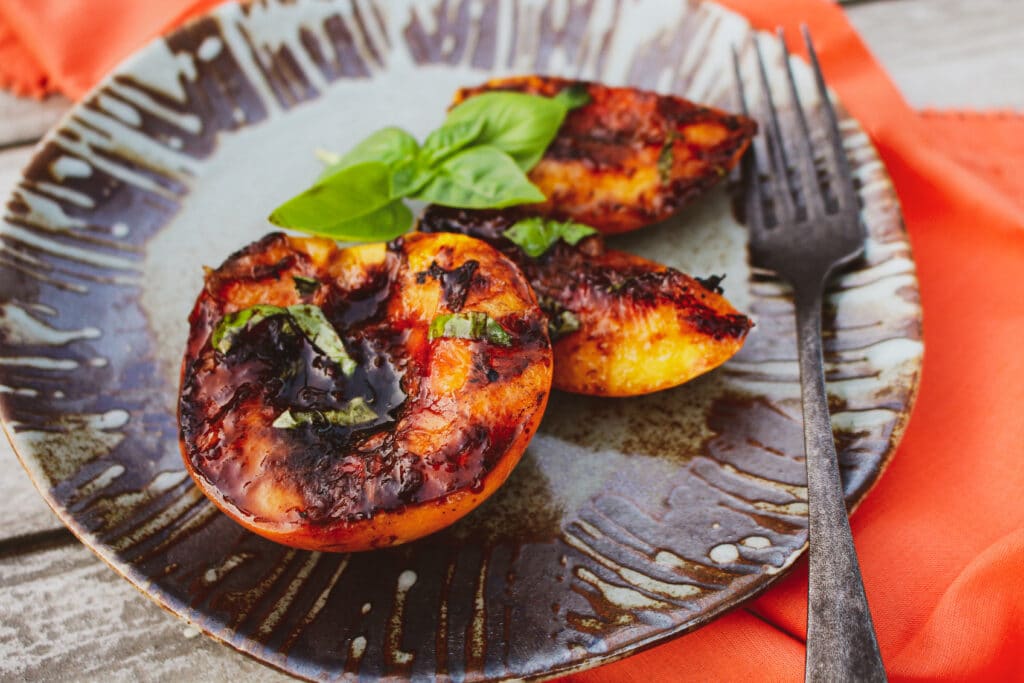
Plums transform when they hit the grill. Slice them into thick wedges and grill for 2-3 minutes per side until grill marks appear. Serve them over a bed of wild arugula with a ball of creamy burrata cheese in the center. The warmth of the plums slightly melts the cheese, creating a luxurious summer stone fruit salad recipes experience.
5. Nectarine & Goat Cheese Crostini with Balsamic Glaze
This is a sophisticated appetizer that highlights savory stone fruit pairings with goat cheese. Top whole-grain baguette slices with a spread of chèvre, a thin slice of nectarine, and a leaf of fresh basil. Drizzle with a high-quality balsamic glaze. The tanginess of the goat cheese cuts through the nectarine's sweetness beautifully.
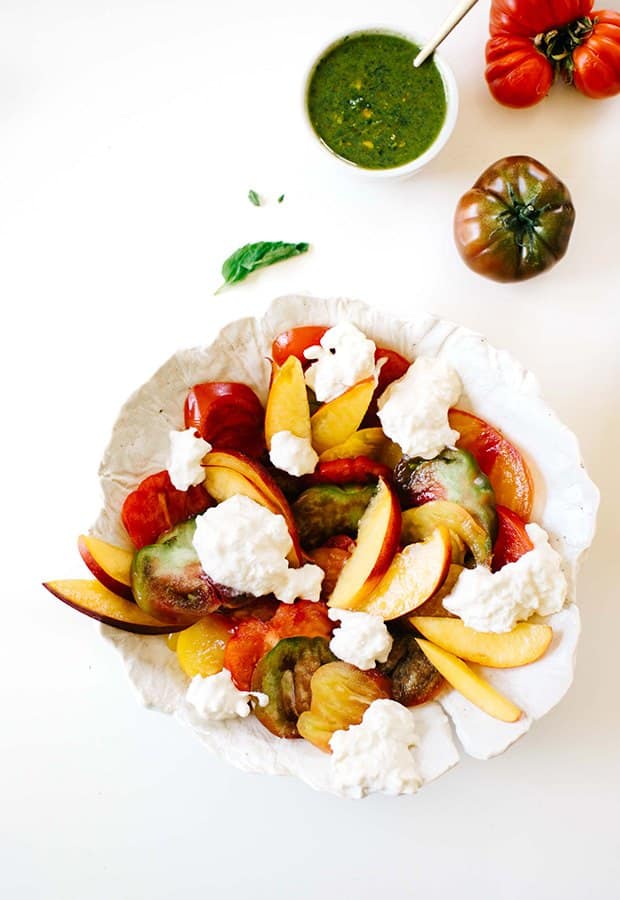
6. Apricot & Fresh Basil Quinoa
Apricots have a shorter season and a slightly more tart profile than peaches. Dice fresh apricots and toss them into cooked quinoa with chopped fresh basil, toasted pine nuts, and a lemon-tahini dressing. This is a fiber-rich side dish that pairs perfectly with grilled chicken or chickpeas.
7. Peach Salsa for Grilling
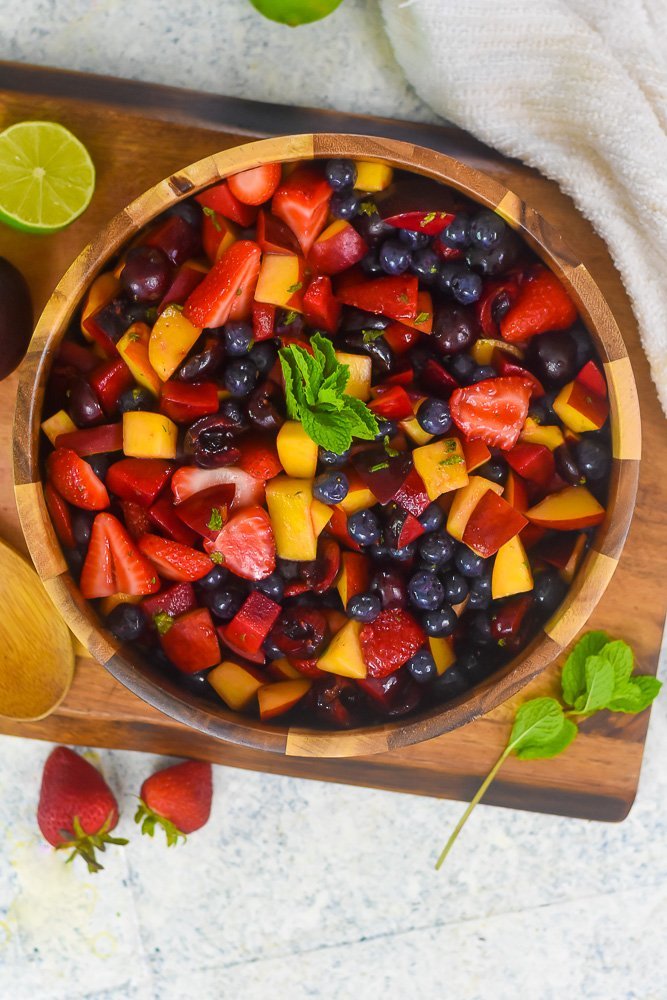
Forget tomato salsa for a moment. Combine finely diced peaches with red onion, jalapeño, cilantro, and lime juice. This peach salsa is among the best stone fruit recipes for grilling because it acts as a bright, acidic garnish for grilled salmon or white fish, providing a punch of vitamin C and vibrant flavor.
Guilt-Free Vegan Stone Fruit Dessert Recipes
Dessert doesn't have to mean a sugar crash. By using the natural sweetness of ripe fruit, you can create vegan stone fruit dessert recipes that satisfy your cravings while providing genuine nourishment.
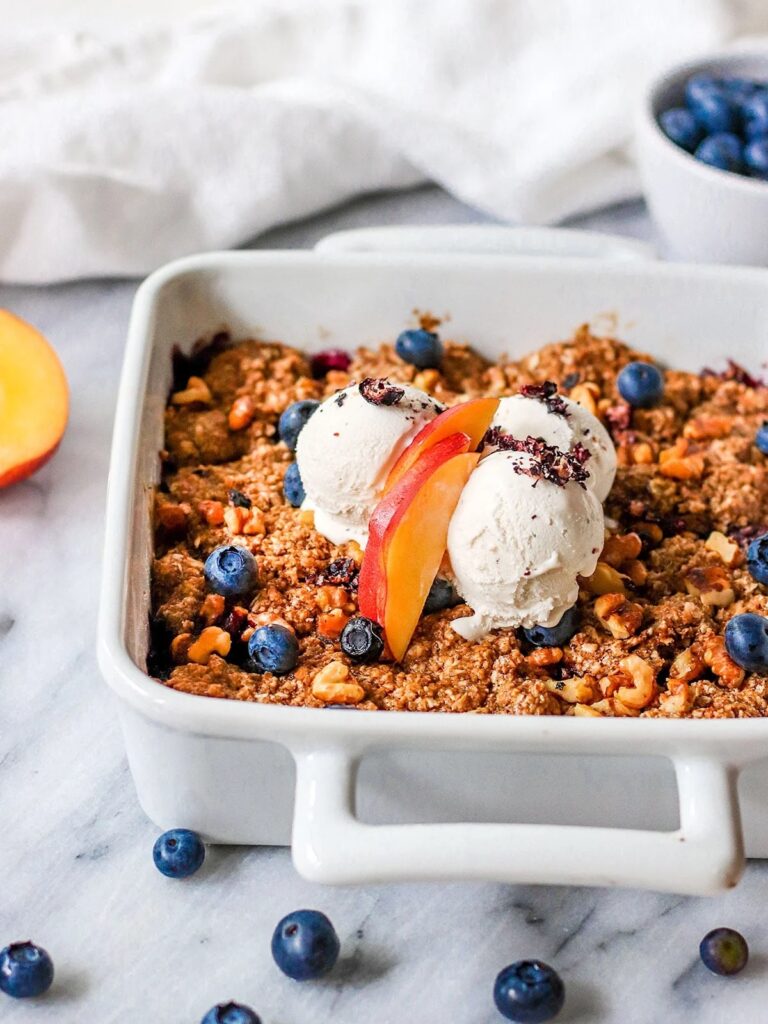
8. No-Peel Plum Crisp
Most of the nutrients in plums are located in the skin. For this crisp, slice plums and toss them with a tablespoon of arrowroot powder and a splash of vanilla. For the topping, mix rolled oats, almond flour, and a small amount of coconut oil. Bake until the fruit is bubbling and the oats are golden. This "no-peel" method saves time and maximizes the dietary fiber content.
9. Honey-Macerated Apricots
Macerated fruit is a simple technique where you let sliced fruit sit in a small amount of liquid to draw out its juices. For a vegan version, use maple syrup or a light agave nectar instead of honey. Toss halved apricots with the syrup and a sprig of fresh thyme. Let them sit for 30 minutes. Serve these over coconut milk panna cotta or simply enjoy them as a light, refreshing bowl of fruit.
10. Cherry & Almond Galette
A galette is a rustic, free-form tart that is much easier to make than a traditional pie. Use a whole-wheat or gluten-free crust and fill the center with pitted cherries and a dash of almond extract. Almonds and cherries share a similar flavor compound, making them a classic pairing. The anthocyanins in the cherries stay intact during the short baking time, offering a heart-healthy finish to your meal.
FAQ
How do you tell when stone fruit is ripe for recipes?
Look for a slight give when the fruit is gently squeezed in the palm of your hand. For peaches and nectarines, a sweet, fragrant aroma at the stem end is the best indicator. The fruit should feel heavy for its size and have a vibrant color without any green tones.
Can you freeze stone fruit for smoothies or baking?
Absolutely. To freeze, pit and slice the fruit first. Arrange the slices in a single layer on a baking sheet and freeze until firm before transferring them to a silicone bag. This prevents the pieces from sticking together, making them perfect for quick stone fruit smoothie recipes.
Do you have to peel stone fruit before cooking?
In most cases, no. Keeping the skin on not only saves time but also significantly increases the dietary fiber and antioxidant content of your meal. The skin also helps slices maintain their shape during high-heat cooking like grilling or baking.
What are some savory ways to use stone fruit?
Stone fruits pair excellently with salty and tangy elements. Try grilling plums for a salad with burrata, adding diced peaches to a spicy salsa, or pairing nectarines with goat cheese and balsamic glaze on whole-grain crackers.
What are the best types of stone fruit for baking?
Peaches, nectarines, and plums are excellent for baking because they hold their structure well under heat. Cherries are also a favorite for tarts and galettes. If you are using apricots, keep in mind they are more acidic and may require a small amount of natural sweetener to balance the tartness once cooked.
Final Thoughts on Summer Drupes
Embracing the season of stone fruits is one of the most delicious ways to support your health. Whether you are seeking the anti-inflammatory power of cherries or the digestive benefits of high-fiber plums, these fruits offer a versatile palette for any meal. I encourage you to visit your local farmer's market this weekend, pick up a variety of these colorful drupes, and try one of these 10 stone fruit recipes.