Quick Facts
- Average Accuracy: Modern consumer fitness trackers provide an average heart rate monitoring accuracy of approximately 76.35% based on recent meta-analyses.
- Sensor Technology: Most wrist-based devices utilize reflective PPG (green light) sensors to monitor blood flow.
- Sleep Staging: Trackers combine movement data from accelerometers with heart rate variability to estimate sleep architecture.
- Vital Metrics: Resting Heart Rate (RHR) and Heart Rate Variability (HRV) are the most reliable indicators of physical recovery and stress.
- Clinical Utility: While not medical-grade, these devices are excellent for identifying long-term trends in preventive healthcare.
Wearable health trackers have revolutionized preventive healthcare by providing 24/7 access to digital health biomarkers. By understanding how these devices use heart rate monitoring technology and movement sensors, users can better interpret their physical state. This guide explains the science behind the sensors and how to use wearable data to improve your long-term wellness.
The Science of Sensors: Heart Rate Monitoring Technology
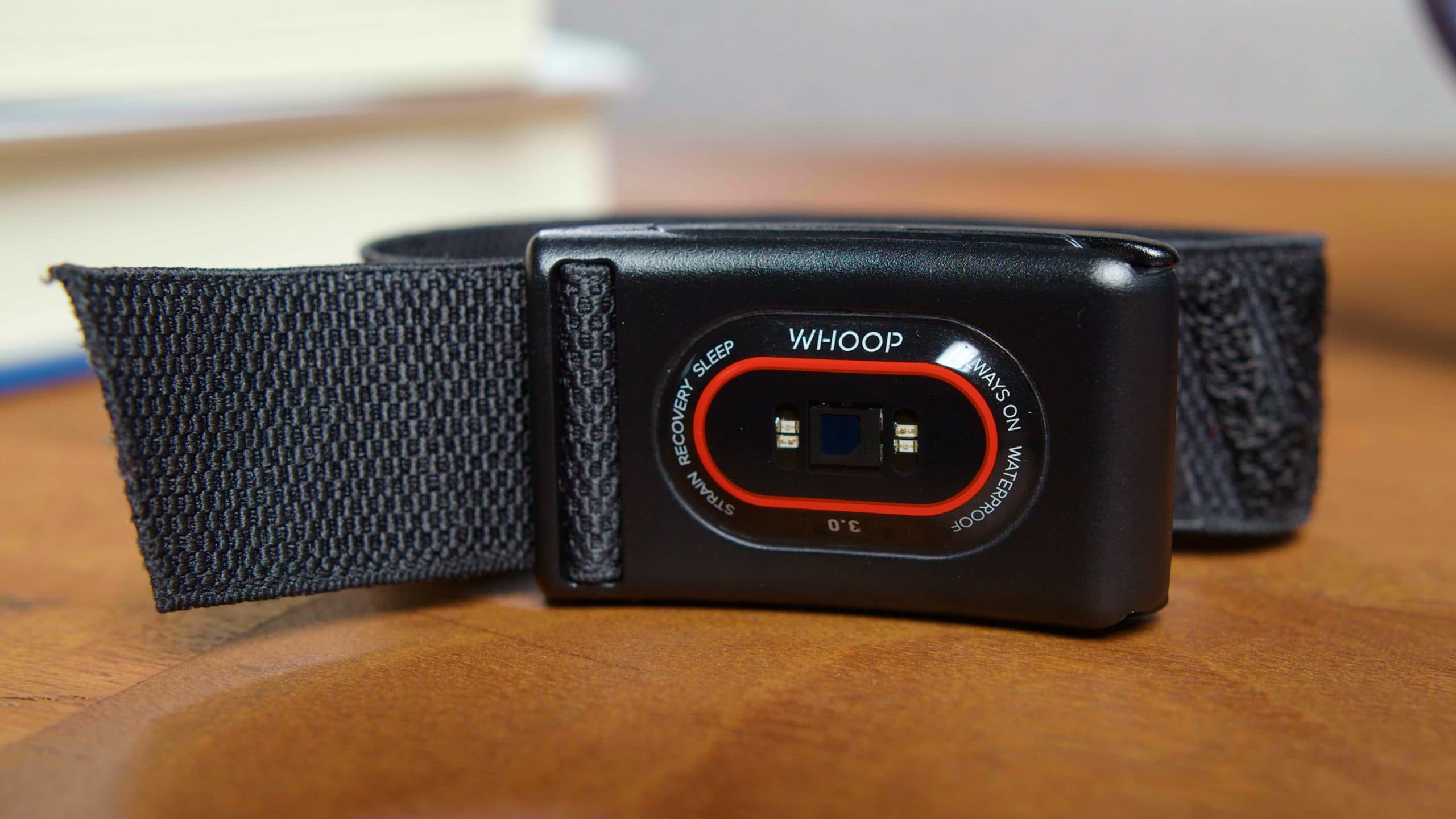
The technology that allows your watch to "see" your heartbeat is called photoplethysmography, or PPG. If you look at the back of your wearable health trackers, you will likely see flickering green lights. These lights are part of the fitness tracker sensors explained in most user manuals as the primary method for pulse detection. The sensors emit green light into the skin, which is then absorbed or reflected by the blood flowing through your capillaries.
Because blood is red, it reflects red light and absorbs green light. With every heartbeat, there is a tiny surge in blood volume, causing more green light to be absorbed. The device captures these Photoplethysmogram waveforms to determine your pulse. This method focuses on the pulsatile components, often referred to as the AC (alternating current) part of the signal, while filtering out the DC (direct current) signals from static tissues like bone and muscle.
While most consumer devices use reflective PPG sensors at the wrist, transmissive sensors—like the finger clips used in hospitals—are generally more precise because they shine light through the tissue rather than bouncing it off. However, the shift toward 24/7 continuous monitoring has made wrist-based wearables the gold standard for lifestyle tracking. These devices also frequently track Blood oxygen saturation (SpO2) by adding red and infrared light to the sensor array, providing a more complete picture of your respiratory health during rest.
Decoding Your Rest: Interpreting Wearable Sleep Data
When it comes to interpreting wearable sleep data, the device relies on a combination of hardware. The primary tool for detecting sleep is accelerometer technology, which identifies physical oscillations. If you are perfectly still for a set period, the device assumes you are asleep. However, movement alone cannot tell the difference between scrolling on your phone and a deep slumber.
To provide a deeper look at sleep architecture, wearables look at your autonomic nervous system. During light sleep and deep sleep, your heart rate usually slows down and becomes very regular. During Rapid Eye Movement (REM) sleep, your heart rate and breathing can become more erratic, mimicking wakefulness. By layering heart rate data over movement data, the device can estimate when you transition between these stages.
Understanding deep sleep vs light sleep on trackers is crucial for identifying how your body recovers. Deep sleep is when tissue repair and growth hormone release occur, while REM is vital for cognitive function and memory consolidation. Your circadian rhythm—your internal 24-hour clock—dictates the timing of these stages. If you consistently see a low sleep score, it might be a sign that your sleep hygiene needs an upgrade, perhaps by cooling your room or avoiding screens before bed.
Maintaining a consistent schedule is the best way of improving sleep scores based on wearable data. When you go to bed and wake up at the same time every day, your body learns when to initiate the hormonal shifts necessary for high-quality rest.
Accuracy and Validation: Can You Trust Your Device?
A common question among my readers is: how PPG sensors measure heart rate in watches compared to clinical equipment? While technology has come a long way, it is important to acknowledge the limitations. A 2025 meta-analysis of 45 scientific studies found that commonly used consumer fitness trackers provide an average heart rate monitoring accuracy of approximately 76.35%.
Several factors can interfere with sensor precision. Motion artifacts, such as the jarring movement of a sprint, can cause the sensor to lose its "lock" on your pulse. Skin pigmentation and tattoos can also affect how light is absorbed, sometimes leading to less reliable readings. If you are an athlete looking for peak precision, choosing a wearable for heart rate accuracy might lead you toward a chest strap rather than a watch.
| Feature | PPG (Wrist-Based) | EKG (Chest Strap) |
|---|---|---|
| Technology | Optical light sensors | Electrical impulses |
| Best Use Case | 24/7 wellness & sleep | High-intensity intervals |
| Comfort | High (worn like a watch) | Moderate (tight band) |
| Accuracy | Good (~76.35% avg) | Very High (Medical Grade) |
| Data Types | Heart rate, SpO2, Sleep | Raw electrical heart signal |
When identifying heart rate alerts on consumer wearables, remember that these are designed to flag outliers, not provide a diagnosis. If your watch alerts you to an unusually high Resting Heart Rate (RHR) while you are sitting still, it is a prompt to check in with yourself—are you stressed, getting sick, or perhaps just dehydrated? Clinical validation is always the next step if you notice persistent irregularities.

Actionable Insights: Using Data to Guide Your Health
The real power of wearable health trackers lies in the long-term trends rather than a single day's snapshot. One of the most important metrics to follow is heart rate variability (HRV). This measures the variation in time between each heartbeat and is controlled by the autonomic nervous system. A high HRV generally indicates that your body is resilient and ready for a challenge, while a low HRV suggests you might need a rest day.
Using heart rate variability to guide daily workouts can prevent overtraining and burnout. For example, if your wearable shows a significant dip in HRV along with a rising Resting Heart Rate (RHR), it may be wise to swap a heavy lifting session for a gentle walk or yoga.
Furthermore, these digital health biomarkers can reveal the hidden impact of lifestyle choices. Many users are surprised to see how a single glass of wine or a late-night meal can drastically reduce their deep sleep and increase their heart rate throughout the night. By connecting these dots, you can make informed adjustments to your daily routine that support long-term cardiovascular health.
FAQ
How accurate are wearable health trackers for monitoring heart rate?
Research shows that consumer wearables are quite reliable for resting measurements but can vary during vigorous exercise. On average, they maintain an accuracy rate of about 76.35% across various activities. For the best results, ensure the band is snug and placed slightly above the wrist bone.
How do wearable health trackers monitor sleep quality?
These devices use a method called actigraphy, which involves an accelerometer to track your movement. They combine this with heart rate and heart rate variability data to estimate your time spent in light, deep, and REM sleep. While not as precise as a lab-based sleep study, they are excellent for tracking your personal sleep consistency over time.
Which health metrics are most important to track?
For most people, Resting Heart Rate (RHR) and Heart Rate Variability (HRV) provide the most value. RHR is a great indicator of cardiovascular fitness, while HRV tells you how well your nervous system is recovering from stress and exercise. Watching your sleep duration and sleep consistency is also vital for long-term wellness.
Do doctors recommend using wearable health trackers?
Many healthcare providers find wearable data helpful for seeing the "big picture" of a patient's lifestyle. While they don't replace clinical tests, the data can help you and your doctor identify patterns in sleep, activity levels, and resting heart rate that might otherwise go unnoticed during a standard check-up.
Conclusion
Embracing wearable health trackers is about more than just hitting 10,000 steps; it is about becoming the CEO of your own health. These tools offer a window into how your body responds to the world around you, from the stress of a workday to the recovery of a deep night's sleep. While the technology isn't perfect, the ability to monitor digital health biomarkers daily allows us to move from reactive care to proactive, preventive healthcare.
Consistency is key. By wearing your device regularly and paying attention to the trends rather than the daily fluctuations, you can fine-tune your habits for a longer, healthier life. Listen to what your heart rate and sleep data are telling you—it is often the most honest feedback you will ever get.