Quick Facts
- Top Accuracy: Dexcom Stelo leads with an 8.3% MARD score.
- Best for Real-time Data: Abbott Lingo offers updates every 1 minute.
- Best Value Pack: Lingo 12-week subscription provides the lowest per-sensor cost.
- Smallest Form Factor: Libre 3 Plus technology inside the Lingo sensor.
- Best Integration: Stelo pairs directly with the Oura Ring for holistic data.
- Regulatory Milestone: The FDA cleared the first over-the-counter continuous glucose monitors for marketing in 2024.
OTC CGM devices like Dexcom Stelo and Abbott Lingo are built on the same technology platforms as prescription-grade monitors, often maintaining a Mean Absolute Relative Difference (MARD) below 10%. These over-the-counter glucose sensors offer immediate biofeedback on how diet, exercise, and sleep affect blood sugar levels, making them a worthy investment for adults seeking to improve metabolic flexibility and track postprandial responses without a doctor's prescription.
Understanding the Shift: OTC vs. Prescription CGMs
For years, continuous glucose monitoring was a tool reserved strictly for those managing insulin-dependent diabetes. However, we have entered a new era of preventive health. In 2024, the first over-the-counter continuous glucose monitors were cleared for marketing by the U.S. Food and Drug Administration. This regulatory shift acknowledges that understanding your metabolic health is not just for the "sick," but for anyone interested in long-term wellness.
The fundamental difference between these new devices and traditional finger-stick tests is what they measure. Traditional meters measure blood glucose, while an OTC CGM measures glucose levels in the interstitial fluid—the fluid surrounding your cells. Because of this, there can be a slight time lag between a meal and the sensor reading, but for non-insulin users, the trends are far more important than the specific milligram-per-deciliter at any given second.
The target audience for these wearables includes adults 18 and older who do not use insulin, particularly those managing prediabetes or those simply curious about how their lifestyle choices impact their glycemic variability. By focusing on how different foods or stressors cause spikes, users can manage their metabolic health more proactively. This is the hallmark of a preventive healthcare journey: using data to make small, sustainable daily changes before a chronic condition develops.
The Big Three Comparison: Stelo vs. Lingo vs. SIBIONICS
When looking at the current landscape, three names dominate the conversation: Dexcom Stelo, Abbott Lingo, and the rising international contender, SIBIONICS. Each brings something different to the table, and your choice should depend on whether you prioritize data frequency, app experience, or cost.
The Dexcom Stelo is the first of its kind, leveraging the powerhouse G7 technology platform. It is designed specifically for people with Type 2 diabetes who do not use insulin, but it has become a favorite for general wellness seekers. Abbott Lingo, based on the world-leading Libre technology, focuses heavily on a "coaching" experience, translating raw data into a "Lingo Count" to help you understand your metabolic limit. SIBIONICS, specifically the GS3 model, has gained traction due to its impressive waterproof rating and long wear time.
| Feature | Dexcom Stelo | Abbott Lingo | SIBIONICS GS3 |
|---|---|---|---|
| Wear Time | 15 Days | 14 Days | 14 Days |
| Data Update | Every 15 Minutes | Every 1 Minute | Every 5 Minutes |
| Accuracy (MARD) | 8.3% | 9.3% | ~9.1% |
| Ecosystem | Oura, Apple Health | Lingo App, HealthKit | Proprietary App |
| Primary Goal | Trend Tracking | Lifestyle Coaching | Biohacking/Value |
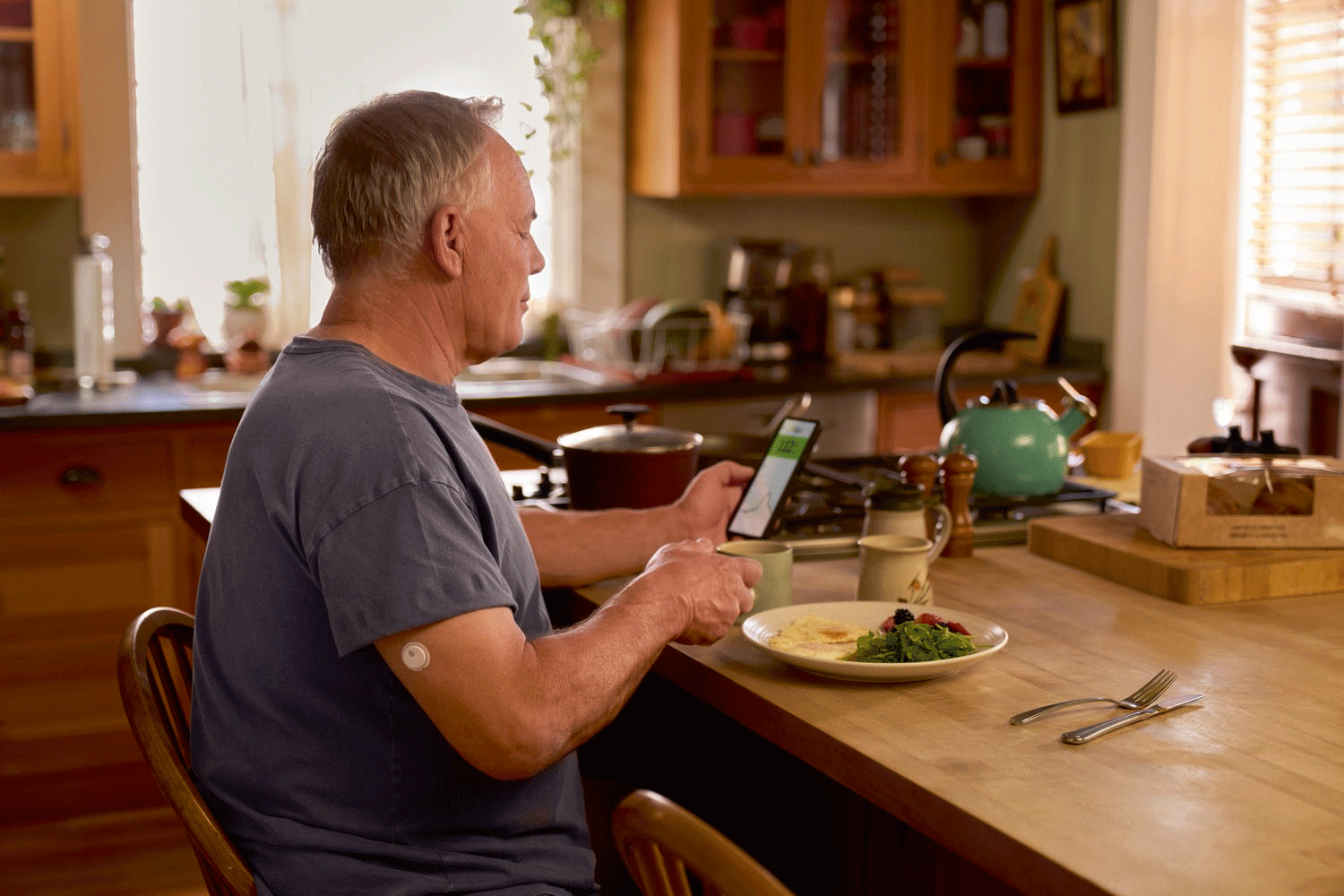
Pricing for OTC CGM systems often involves a combination of one-time sensor purchases and monthly subscription models. For example, Dexcom Stelo typically costs around $99 for a pack of two sensors (one month of coverage). Abbott Lingo offers various subscription tiers, where a 12-week commitment can significantly lower the individual sensor price. When performing a non-prescription CGM cost comparison, remember to check for FSA or HSA reimbursement eligibility, as many of these wellness tools qualify for pre-tax spending.
Clinical Accuracy: Does MARD Matter for Your Health?
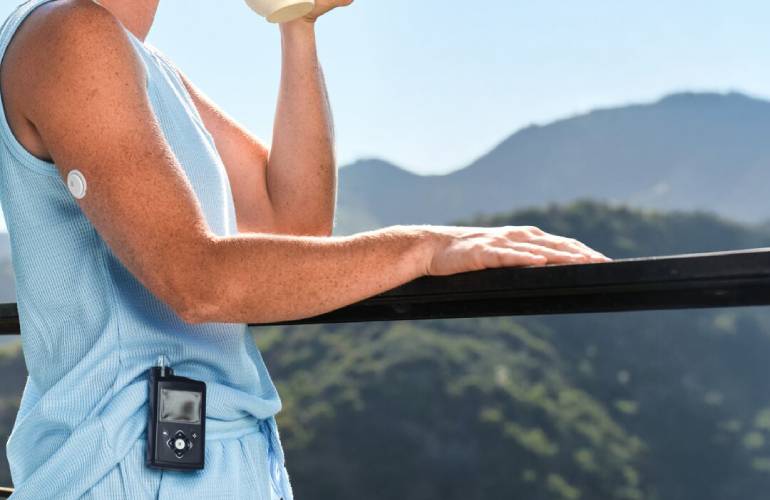
In the world of glucose monitoring, accuracy is measured by MARD (Mean Absolute Relative Difference). This is the average percentage difference between the wearable sensor reading and a laboratory blood glucose test. A lower percentage indicates higher accuracy. The Dexcom Stelo and Abbott Lingo achieve MARD values of 8.3% and 9.3% respectively, which are considered clinical-grade scores.
But does a 1% difference in accuracy of over-the-counter glucose monitors matter for a non-diabetic? In a preventive context, the answer is often "no." What matters more than the exact number is the Time in Range (TIR) and your postprandial response—how high your sugar spikes after a meal and how quickly it returns to baseline.
Lily’s Tip: Don’t obsess over the individual numbers. Focus on the curves. A sharp, high peak followed by a "crash" often explains why you feel sluggish at 3:00 PM. Use the data to smooth out those waves.
Transparency is also key in this industry. While these devices are highly reliable, users should stay informed about the 2025 and 2026 safety recalls that affected specific batches of the Libre 3 and Dexcom G7 sensors. Choosing devices with a strong history of clinical validation ensures you are getting high-quality biofeedback rather than just marketing hype.
Lifestyle ROI: Weight Loss and Metabolic Health
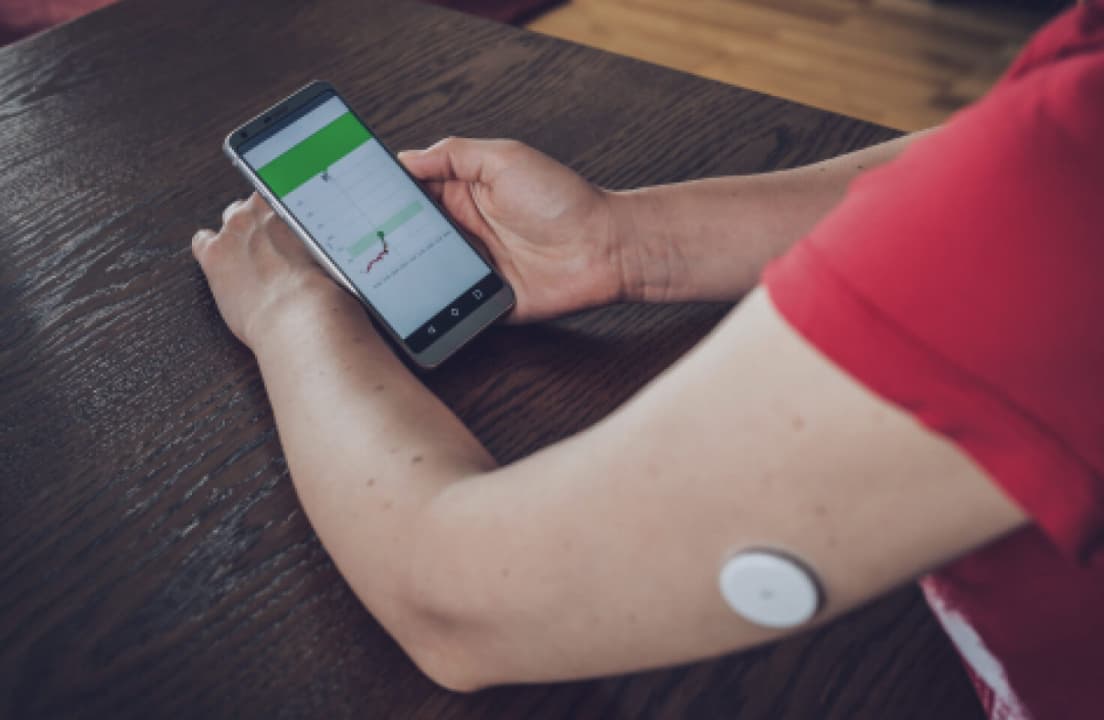
Is an OTC CGM worth it for weight loss? From a preventive lifestyle perspective, the ROI (Return on Investment) is high because of the behavior change it triggers. We often know that "sugar is bad," but seeing a digital spike after eating a supposedly healthy "low-fat" yogurt provides the emotional impact needed to change a habit.
By monitoring nutritional impact, you can identify hidden sugars in your diet that may be hindering your progress. Improving your metabolic flexibility—your body's ability to switch between burning carbs and burning fat—is much easier when you have a map of your glycemic variability.
The benefits of wearable glucose sensors for health extend beyond just weight. Users report improved sleep quality and more stable energy levels throughout the day when they manage their glucose spikes. When paired with other wearables like the Apple Watch or Oura Ring, you get a 360-degree view of your health, seeing exactly how a night of poor sleep might make you more insulin resistant the next morning.
FAQ
What is an over-the-counter CGM?
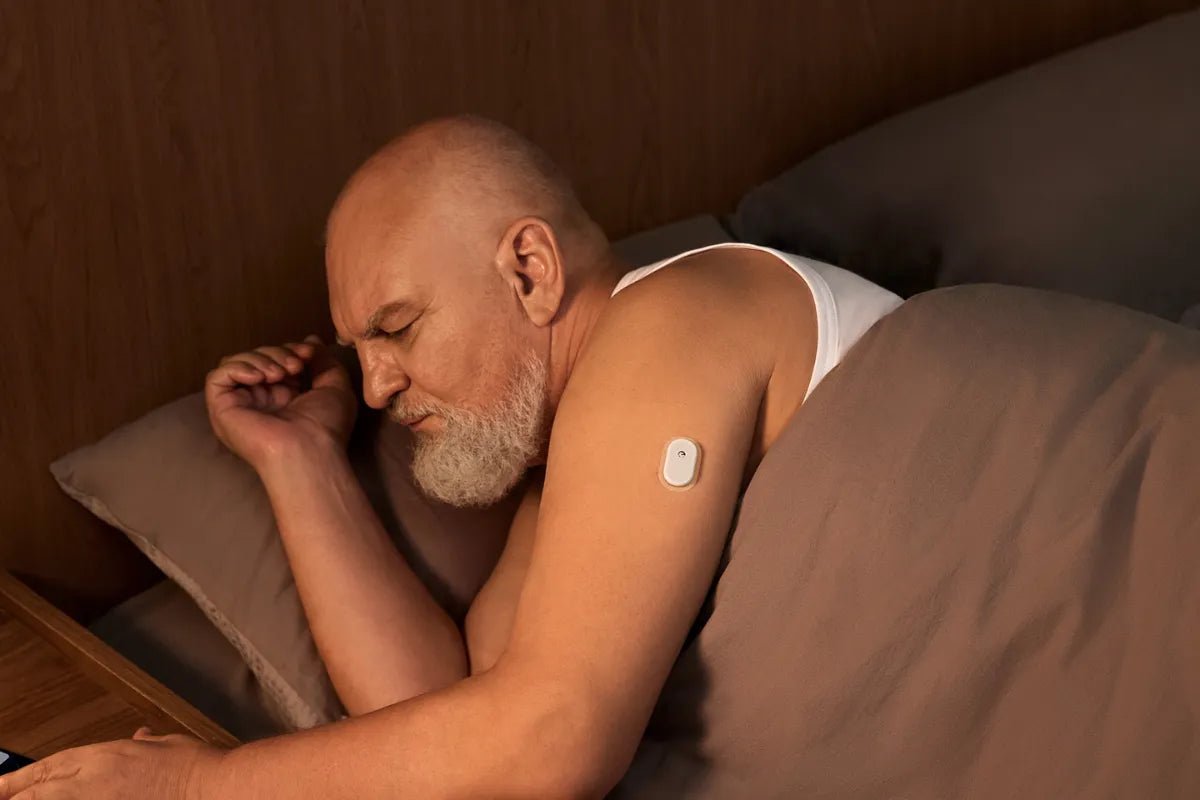
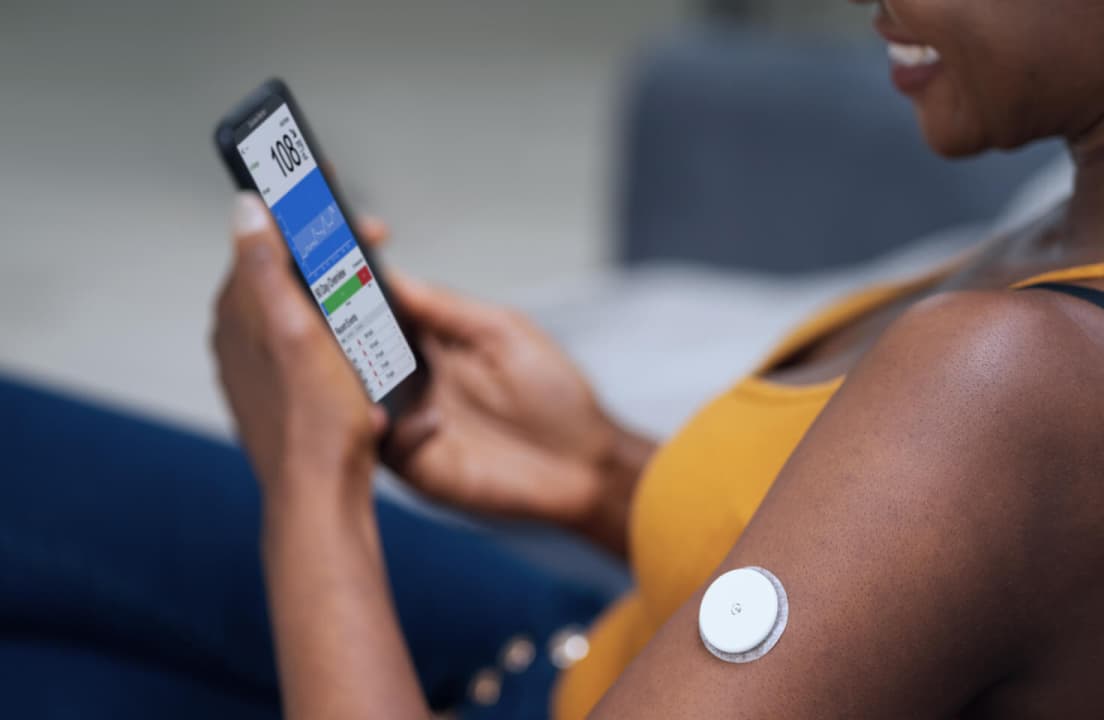
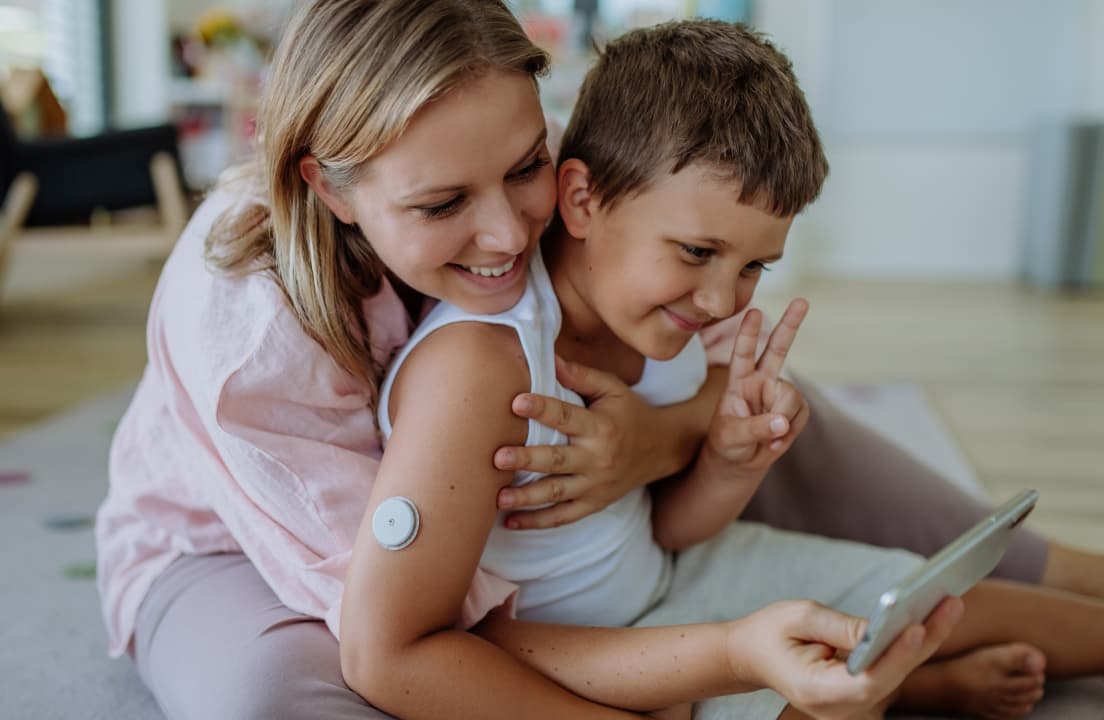
An over-the-counter CGM is a wearable sensor that tracks glucose levels in the interstitial fluid without requiring a doctor's prescription. It consists of a small sensor worn on the back of the arm or abdomen and a smartphone app that displays the data.
Can I get a continuous glucose monitor without a prescription?
Yes, as of 2024, the FDA has cleared specific models like the Dexcom Stelo and Abbott Lingo for sale without a prescription to adults 18 and older who do not use insulin.
Are OTC CGMs as accurate as prescription models?
Most OTC models use the same hardware and sensor technology as their prescription counterparts. For example, Dexcom Stelo shares the technology of the Dexcom G7, maintaining a MARD of 8.3%, which is highly accurate for monitoring trends and lifestyle impacts.
Who is the target audience for OTC CGMs?
The primary audience includes people with Type 2 diabetes who do not use insulin, individuals with prediabetes, and health-conscious adults looking to optimize their metabolic health and weight loss through nutritional data.
Is an OTC CGM covered by insurance?
Generally, insurance companies do not cover CGM systems for non-insulin users or for general wellness purposes. However, they are often eligible for purchase using HSA or FSA funds, which can provide a significant tax-related saving.
The Final Verdict: Worth the Money in 2026?
As we look at the advancements in wearable biosensors, the question of whether an OTC CGM is worth it comes down to your personal goals. If you are looking for a magic pill for weight loss, this isn't it. However, if you are looking for a high-tech mirror that reflects your internal health in real-time, the value is immense.
The benefits of wearable glucose sensors for metabolic health are most apparent during the first three months of use. This period allows you to test your "usual" foods, understand your body's unique response to exercise, and adjust your evening routines to improve insulin sensitivity.
For those managing prediabetes, the otc cgm for prediabetes management guide is simple: use the data to keep your Time in Range above 90% and minimize postprandial response. While the monthly cost can be a hurdle, the long-term savings of preventing chronic illness make these devices one of the most powerful tools in the modern preventive care toolkit.