Quick Facts
- Top Benefit: Real-time biofeedback on glycemic variability to prevent chronic disease and optimize energy.
- 2026 Tech: Availability of one-year sensors and over-the-counter (OTC) options for general wellness.
- Accuracy: Leading devices like the Dexcom G7 now offer a MARD score of 8.2% for high precision.
- Weight Loss: Non-insulin users have shown an average weight loss of 7 lbs by using a continuous glucose monitor to guide dietary choices.
- Target TIR: Most experts recommend a Time in Range (TIR) of 70-180 mg/dL for at least 70% of the day for optimal metabolic health.
A continuous glucose monitor is worth the investment for those seeking to optimize insulin sensitivity and metabolic health through data-driven personalized nutrition. While traditional for diabetics, 2026 advancements in glucose sensor technology make it a powerful preventive wellness tool for anyone looking to understand their body’s unique response to lifestyle factors.
Understanding how your body processes fuel is one of the most empowering steps you can take toward long-term longevity. In my years as a preventive care editor, I have seen many trends come and go, but the rise of metabolic health tracking represents a genuine shift toward proactive self-care. A continuous glucose monitor is no longer just a medical device for managing a crisis; it has become a window into our daily habits, revealing how a poor night’s sleep or a specific "healthy" snack might be sabotaging our energy levels. With the latest 2026 sensor advancements, these devices have become smaller, more affordable, and more accessible to the general public.
How It Works: Decoding Glucose Sensor Technology
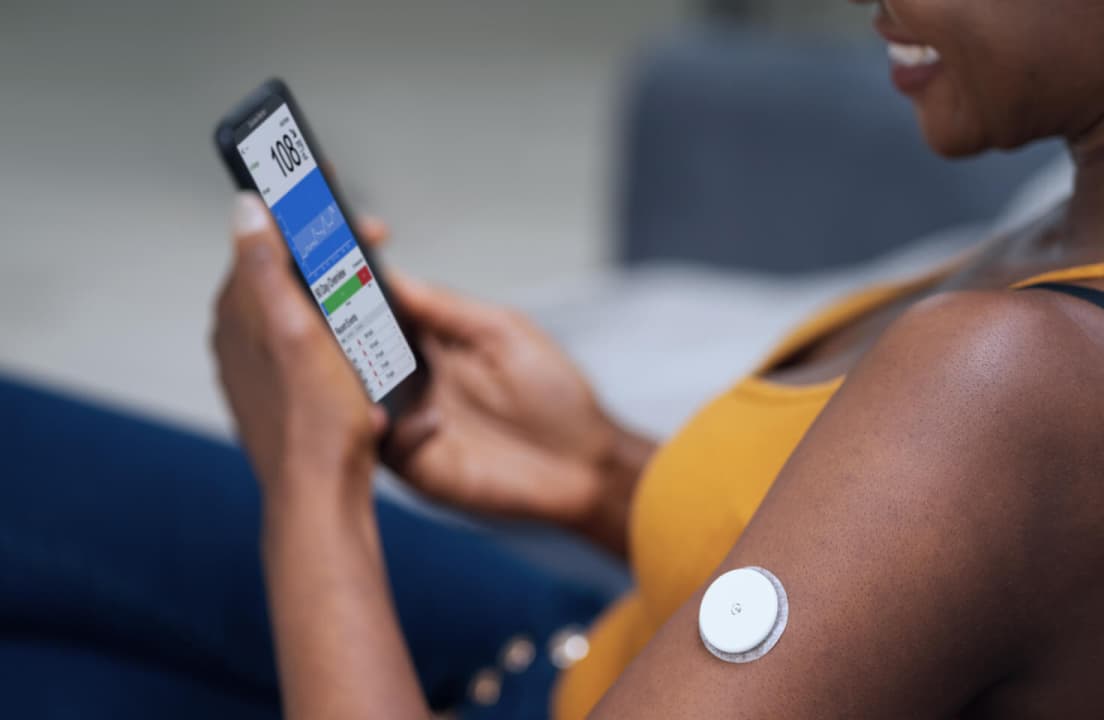
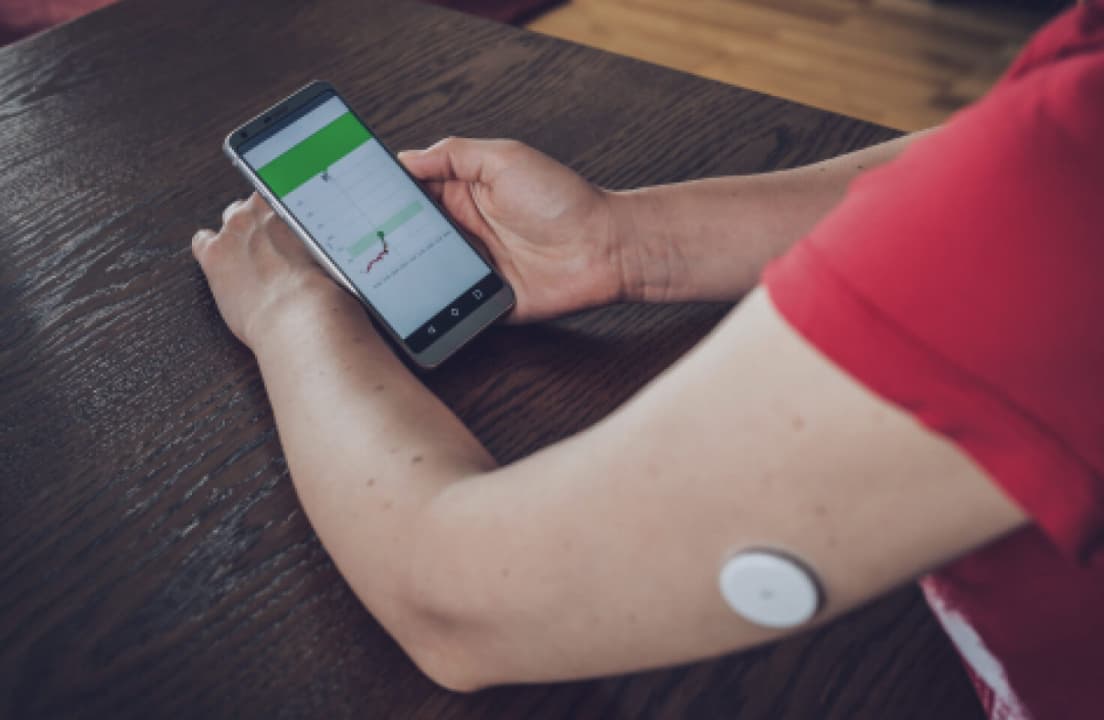
To understand why this technology is so transformative, we first need to look under the hood—or rather, under the skin. A continuous glucose monitor works by using a small subcutaneous sensor, usually about the size of a hair, that sits just beneath the surface of the skin. This sensor does not actually measure blood glucose directly. Instead, it measures the glucose levels in the interstitial fluid, which is the fluid surrounding your cells.
This leads to a crucial technical detail known as the difference between interstitial fluid glucose and blood glucose lag. Because glucose takes time to travel from the bloodstream into the interstitial fluid, there is typically a 5 to 10-minute delay in the readings. During periods of rapid change—such as during a high-intensity workout or immediately after eating a sugary dessert—this lag time is more pronounced.
Modern devices have streamlined the experience through a sophisticated digital health ecosystem. The data collected by the sensor is transmitted via Bluetooth to a smartphone or smartwatch, providing real-time biofeedback. This signal chain allows for the visualization of trend arrows, which tell you not just what your number is, but where it is headed.
For those curious about the longevity of the hardware, the market has expanded significantly. You might wonder how long do implanted glucose sensors last in 2026? While the standard disposable options last 10 to 14 days, the industry has seen the rise of long-term solutions like the Eversense 365, which can function for a full year with a single minor procedure.
Disposable vs. Implantable Sensors
| Feature | Disposable Sensors (e.g., Dexcom G7, Libre 3) | Implantable Sensors (e.g., Eversense 365) |
|---|---|---|
| Duration | 10–14 days | Up to 1 year |
| Application | Self-applied at home | Professional insertion/removal |
| Visibility | Small patch on arm or abdomen | Subcutaneous (invisible); external transmitter |
| Accuracy | High (MARD 8.2%–9%) | Very High (MARD <9%) |
| Maintenance | Replace every 2 weeks | Daily charging of external transmitter |
The Clinical Worth: Benefits for Diabetes Management
For individuals living with diabetes, the value proposition of a continuous glucose monitor is backed by robust clinical evidence and the latest 2026 Standards of Care. The primary goal is to maximize Time in Range (TIR) while minimizing glycemic variability, which refers to the "peaks and valleys" in blood sugar levels throughout the day.
The financial and physical benefits are significant. In a 10-year cost-effectiveness analysis for individuals with Type 2 Diabetes, the use of continuous glucose monitoring was found to be more economical than traditional finger-stick testing. This is because a $12,127 reduction in the cost of treating diabetic complications offset the higher acquisition cost of the device itself.
Beyond the savings, the impact on quality of life is profound. Clinical research indicates that for adults with Type 1 Diabetes, the adoption of continuous glucose monitoring adds an average of 0.72 years to life expectancy and increases quality-adjusted life years by 0.54 over a lifetime. These blood sugar monitoring benefits extend to hypoglycemia prevention, as the devices can alert users before their levels drop to dangerous thresholds, especially during sleep.
Beyond Diabetes: Is a CGM Worth It for Non-Diabetics?
One of the most frequent questions I receive is whether a continuous glucose monitor is worth it for non-diabetics. We are seeing a surge in biohacking and preventive wellness, where individuals use these tools to achieve peak performance and metabolic optimization. For the average person, the value lies in identifying their postprandial glucose response—how blood sugar reacts after eating.
Standard nutritional advice is often "one size fits all," but we now know that two people can have vastly different reactions to the exact same food. For instance, a banana might cause a significant spike for one person while having a negligible effect on another. By using a continuous glucose monitor for weight loss and diet optimization, you can swap out foods that cause high glucose spikes for those that keep your energy stable.
The data suggests this isn't just a trend. A study involving 473 healthy and prediabetic participants demonstrated that using a continuous glucose monitor for just 10 days resulted in a significant improvement in 'time in range,' defined as blood sugar levels between 54 and 140 mg/dL. This rapid improvement highlights the benefits of continuous glucose monitor for metabolic health tracking; when people see the data in real-time, they naturally make better choices.
Lily’s Tip: Don’t fear the spike. A rise in glucose after eating is normal. The goal is to avoid "rollercoaster" patterns where the spike is excessively high and followed by a "crash" that leaves you feeling fatigued and hungry.

Performance and Accuracy: High Intensity to Daily Wear
When it comes to wearable health technology, accuracy is paramount. The industry uses a metric called the MARD score (Mean Absolute Relative Difference) to measure how closely a sensor's readings match a lab blood test. A lower MARD indicates higher accuracy. With the Dexcom G7 achieving a MARD of 8.2%, the gap between wearables and traditional finger pricks is closing fast.
However, users should be aware of the accuracy of continuous glucose monitors during high intensity exercise. During vigorous activity, rapid physiological changes and shifts in body temperature can occasionally cause the sensor to lag or provide slightly erratic readings. It is always a good idea to confirm a reading with a manual test if the sensor's data doesn't match how you feel.
The market in 2026 has split into two main categories: prescription-only models and over-the-counter (OTC) options. Prescription sensors are typically more feature-rich, offering integration with insulin pumps, while OTC sensors like Stelo or Lingo are tailored for general health insights.
Prescription vs. OTC Sensors (2026)
| Category | Prescription Sensors | Over-the-Counter (OTC) Sensors |
|---|---|---|
| Primary Audience | Type 1 & Type 2 Diabetics | Healthy Adults & Prediabetics |
| Key Models | Dexcom G7, FreeStyle Libre 3 | Dexcom Stelo, Abbott Lingo |
| Focus | Medical management, insulin dosing | Lifestyle tracking, energy optimization |
| Pump Integration | Yes | No |
| Accessibility | Requires doctor’s approval | Available for direct purchase |

FAQ
Do you need a prescription for a CGM?
In the 2026 market, it depends on the device. High-end medical models like the Dexcom G7 still require a prescription for insulin-dependent users. However, several over-the-counter options, such as the Dexcom Stelo, are now available for direct purchase by those looking for general metabolic health tracking without a doctor's order.
How much does a continuous glucose monitor cost?
Costs vary based on insurance coverage and the type of sensor. For those paying out-of-pocket, disposable sensors typically range from $75 to $150 per month. Implantable sensors have a higher upfront cost but can be more cost-effective over their year-long lifespan. Many wellness-focused subscription services also bundle the hardware with app-based coaching for a flat monthly fee.
Are continuous glucose monitors more accurate than finger pricks?
Manual finger pricks remain the "gold standard" for measuring exact blood glucose at a single moment in time. However, a continuous glucose monitor is considered more valuable for seeing the "big picture." While a finger prick is like a single photograph, a glucose sensor is like a movie, showing the direction and speed of your glucose changes throughout the 24-hour cycle.
Can people without diabetes use a continuous glucose monitor?
Absolutely. Many non-diabetics use these devices for preventive wellness, athletic performance, and weight management. It allows individuals to see how stress, sleep, and specific exercises affect their insulin sensitivity. Understanding these triggers early can be a powerful tool in preventing the onset of prediabetes.
What are the main benefits of using a CGM?
The main blood sugar monitoring benefits include real-time biofeedback, improved time in range, and the ability to personalize your nutrition based on actual data. For those with diabetes, it reduces the risk of long-term complications and severe hypoglycemic events. For everyone else, it provides the "why" behind their energy levels and cravings, leading to more sustainable healthy habits.
Choosing Your Path to Wellness
Determining if a continuous glucose monitor is worth it ultimately depends on your personal health goals.
- For the Longevity Enthusiast: If you want to maximize your healthy years, the real-time data on insulin sensitivity and personalized nutrition is invaluable. Identifying and curbing frequent glucose spikes today can prevent metabolic dysfunction decades down the line.
- For the Athlete: Monitoring your glycemic response to different fueling strategies can help you avoid "bonking" during long sessions and optimize recovery through better post-workout meals.
- For the Diabetic or Prediabetic: The device is a clinically proven necessity that simplifies management, improves safety, and offers long-term financial savings by preventing complications.
As we move further into the era of personalized medicine, tools like the continuous glucose monitor will continue to demystify our biology. By shifting from reactive care to preventive biofeedback, we can all take more confident steps toward a vibrant, high-energy life.