Quick Facts
- Market Outlook: The global bee-based supplements market is experiencing a significant surge, valued at USD 945.57 million in 2024 and on track to reach USD 1.39 billion by 2030.
- Primary Compounds: Propolis, bee pollen, and royal jelly contain high concentrations of bioflavonoids, phenolic acids, and essential amino acids.
- Clinical Impact: Clinical studies suggest that a 400mg daily dose of propolis can effectively reduce inflammation markers like TNF-alpha.
- Economic Connection: Pollinators provide essential ecosystem services, contributing between USD 235 billion and USD 577 billion in annual value to global food production.
- The Purity Standard: High-quality wellness products should feature MGO 400+ or UMF 13+ ratings to ensure bioactive potency.
- Regenerative Shift: Modern consumers are moving away from industrial honey toward regenerative bee products that focus on biodiversity restoration.
Bee-derived supplements such as propolis, bee pollen, and royal jelly provide concentrated nutrients including bioflavonoids, B vitamins, and essential amino acids that support immune resilience and metabolic health. These powerful compounds are most effective when sourced through hive stewardship and low-intervention beekeeping, practices that ensure the health of the local ecosystem directly influences the nutrient density of the final product.
Stewardship vs. Sustainability: The New Pollinator Health Standard
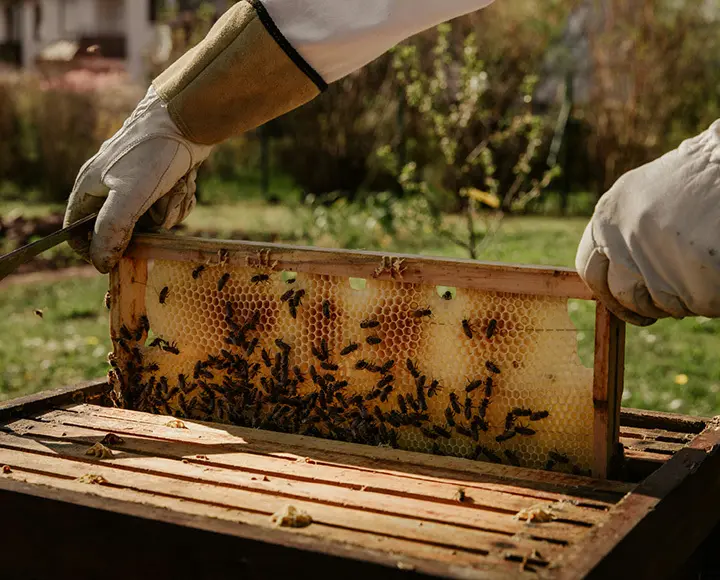
As a nutrition editor, I have spent years looking at how soil health impacts the vitamins in our vegetables. Today, we are seeing a similar shift in apiculture. The future of the industry is moving from simple sustainability—which often just means doing less harm—to active hive stewardship. This philosophy views the bee colony not as a factory, but as a vital component of a larger living system.
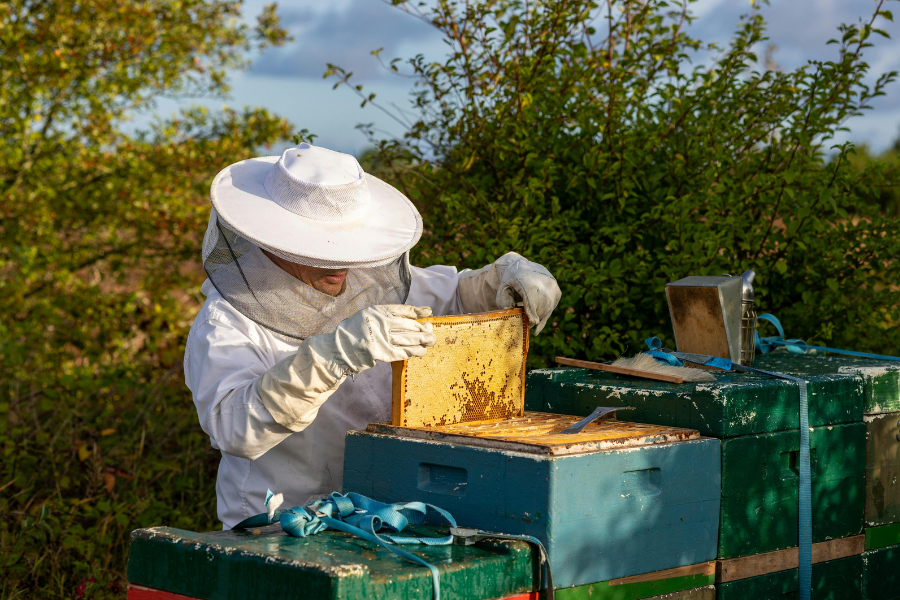
The difference between industrial honey and regenerative bee products is profound. Industrial operations often prioritize high-volume production, frequently moving hives across vast distances to pollinate monocrops. This practice exposes bees to high stress and diverse pesticides. In contrast, regenerative beekeeping brands focus on long-term ecosystem health. They place hives in protected forest areas or organic farms where native flora is abundant and chemical exposure is non-existent.
By avoiding antibiotics and growth hormones, these practitioners allow the bees to develop natural immune resilience. This is crucial because pollinator shortages are currently estimated to limit yields in up to 61% of crop systems worldwide. When we support sustainable beekeeping brands with regenerative honey products, we are investing in biodiversity restoration that goes beyond the hive. Ethical harvesting ensures that enough honey and pollen remain for the bees to survive the winter, maintaining genetic continuity and the strength of the local pollinator population.
The Bee Trifecta: Propolis, Pollen, and Royal Jelly Clinical Benefits
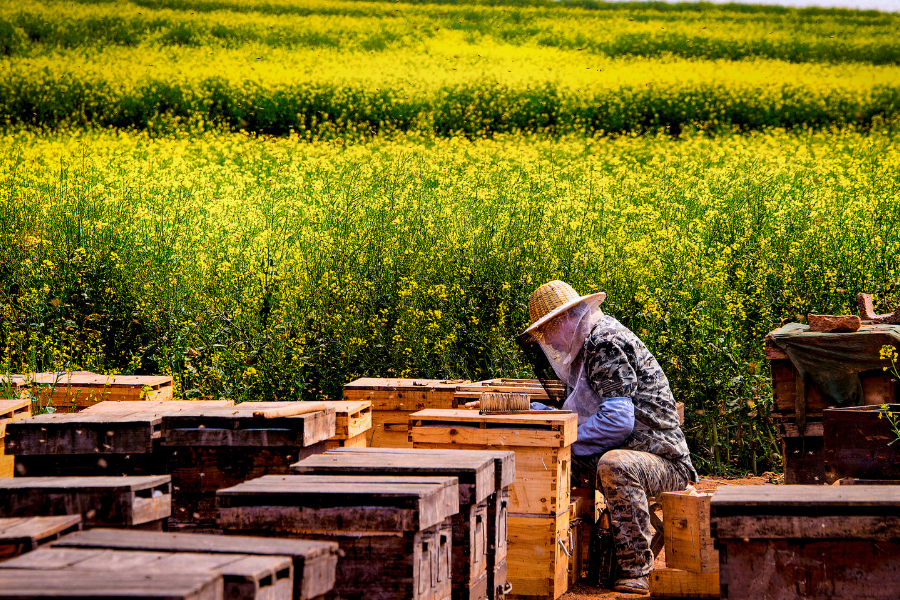
When we talk about bee-derived supplements, we are looking at three distinct biological powerhouses. Each offers unique bioavailable nutrients that serve different roles in a modern diet.
Propolis is often referred to as bee glue. Bees create it from plant resins to seal the hive and protect it from pathogens. For humans, its high concentration of bioflavonoids provides potent antioxidant properties and immune support. Recent research has focused on its ability to modulate the PI3k/AKT pathways, which are critical for cellular health and reducing systemic inflammation.
Bee pollen is frequently called natures multivitamins. It is remarkably nutrient-dense, with a protein content ranging from 7.5% to 40% depending on the plant source. One of the most common questions I receive is about bee pollen and propolis supplements for seasonal allergy support. The theory is that consuming small amounts of local pollen can help the immune system become less sensitive to environmental allergens over time.
Royal jelly is the exclusive food of the queen bee, and it is packed with unique proteins and fatty acids like 10-HDA. It is widely used to support metabolic health and everyday vitality. Some clinical observations show that regular intake may contribute to an HbA1c reduction, making it a valuable tool for blood sugar management. For those looking for the most bioavailable form, bee bread—which is fermented pollen stored in the hive—offers even higher nutrient absorption.
| Supplement | Primary Bioactive | Main Benefit | Suggested Use |
|---|---|---|---|
| Propolis | Bioflavonoids & Phenolic acids | Immune resilience & inflammation control | Tincture or capsules daily |
| Bee Pollen | Essential amino acids & B vitamins | Energy support & allergy resilience | Mix into smoothies or yogurt |
| Royal Jelly | 10-HDA (fatty acids) | Metabolic health & hormonal balance | Fresh or freeze-dried powder |
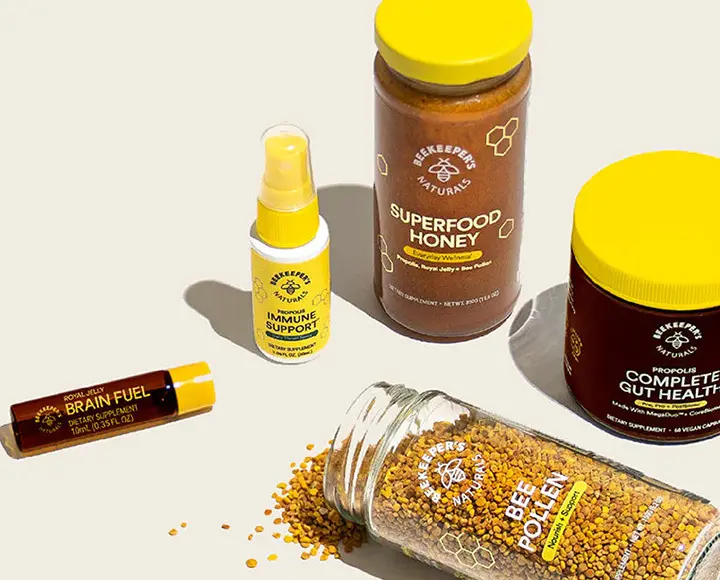
Integrating these into your routine is simpler than most people think. One of the best ways to incorporate bee pollen into daily smoothies is to sprinkle it on top as a garnish. This prevents the delicate enzymes from being destroyed by the high heat of high-speed blending.
Purity and Sourcing: How to Choose High-Quality Bee Products
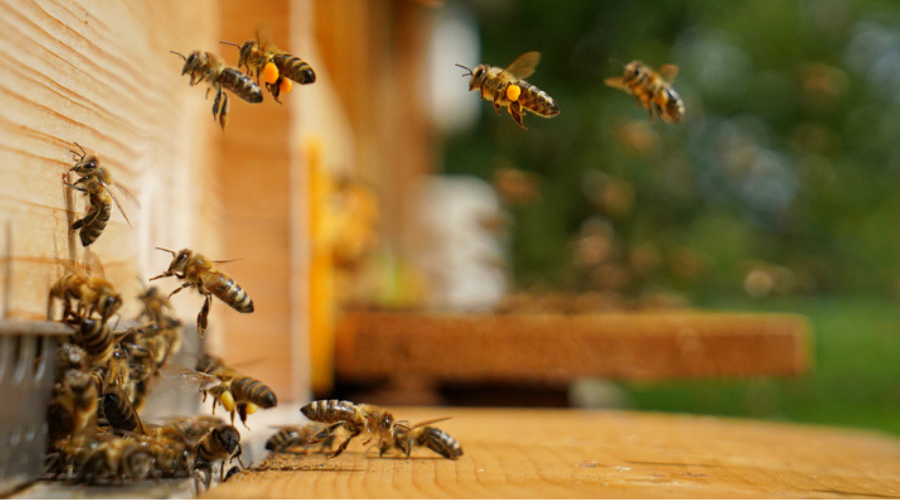
The market for bee-derived supplements is growing rapidly, but not all products are created equal. Because bees forage over several miles, the environment surrounding the hive is the single most important factor in the purity of the final supplement.
When you are learning how to choose high mgo manuka honey for wellness, look for specific markers of potency. MGO (Methylglyoxal) and UMF (Unique Manuka Factor) are the gold standards for verifying bioactive strength. A rating of MGO 400+ or UMF 13+ indicates a high level of antibacterial activity. Traceable sourcing is another non-negotiable factor. Transparent companies will provide the exact location of their hives and batch-specific testing results.
Avoid products from industrial honey sources that use plastic foundations in their hives, as these can leach chemicals into the wax and honey. Instead, look for low-intervention beekeeping labels that prioritize the use of natural materials and avoid chemical treatments for mites.
Before you start a new regimen, it is important to follow safety tips for starting a bee derived supplement routine. Always begin with a very small amount—literally a single granule of pollen—to ensure you do not have an undiagnosed allergy to bee products. If you have a known allergy to bee stings or severe asthma, consult with a healthcare professional before using propolis or royal jelly.
FAQ
What are the most common types of bee-derived supplements?
The most common supplements include propolis, which is used for immune support; bee pollen, a nutrient-dense food rich in protein and vitamins; and royal jelly, which is used for vitality and metabolic health. Manuka honey is also frequently used as a therapeutic supplement due to its high bioactive content.
What are the health benefits of taking bee pollen?
Bee pollen provides a wide array of vitamins, minerals, and essential amino acids. It is often used to boost energy levels, support the immune system, and provide antioxidant protection. Because it is so nutrient-dense, it is considered one of the most complete natural foods available.
Can bee-derived supplements help with seasonal allergies?
Many people use bee pollen to help build resilience against seasonal allergies. The process, similar to immunotherapy, involves consuming small amounts of local pollen to desensitize the immune system. However, this should be done with caution and ideally with local, high-quality products.
What is the difference between royal jelly and bee pollen?
Bee pollen is the food collected by bees from flowers, providing protein and vitamins for the colony. Royal jelly is a gelatinous substance produced by worker bees specifically to feed the queen bee. While pollen is great for general nutrition, royal jelly contains unique fatty acids that support hormonal and metabolic health.
What should I look for when buying high-quality bee supplements?
Look for traceable sourcing and third-party certifications. For honey, check for MGO or UMF ratings. Ensure the brand practices low-intervention beekeeping and avoids the use of pesticides and antibiotics. Transparency regarding hive location in protected or organic areas is a hallmark of a high-quality brand.
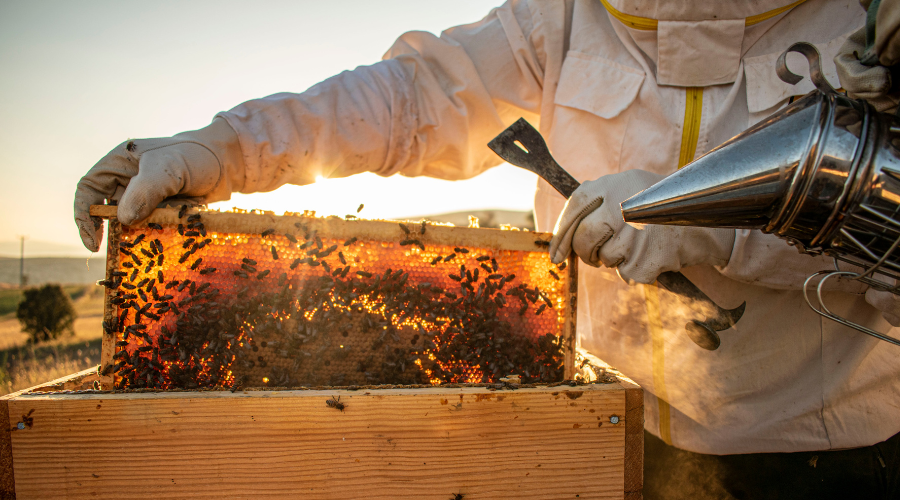
The future of our health is inextricably linked to the health of the pollinators that sustain our world. By choosing products that prioritize hive stewardship and biodiversity, we are not only nourishing our own bodies but also ensuring that the essential pollinators continue to provide their invaluable ecosystem services for generations to come.