
Quick Facts
- The 3-Filter Rule: Always evaluate a product based on three pillars: clinically relevant supplement dosage, biological delivery system, and formula synergy.
- The Label Accuracy Gap: Independent research shows that a significant percentage of supplements do not contain the ingredients or amounts listed on their packaging.
- Bioavailability Matters: A high dose is useless if the nutrient cannot survive stomach acid or cross the intestinal wall into the bloodstream.
- Third-Party Seals: Look for USP, NSF International, or Informed Choice logos to ensure the product has been audited for purity and potency.
- Clinical Endpoints: Effective supplements are those backed by studies on the finished formulation, not just isolated "borrowed science" from raw ingredients.
- Safety Thresholds: Always cross-reference the dose against the Tolerable Upper Intake Level (UL) to avoid metabolic toxicity.
Start your health journey by choosing effective supplements based on human clinical trials and verified purity standards. To determine if a supplement dose is effective, compare the amount per serving on the label against clinically relevant dosages used in peer-reviewed human trials. Many consumer products contain only a fraction of the dosage required to reach a measurable biological threshold. It is essential to distinguish between studies performed on isolated raw ingredients versus those conducted on the specific finished formulation you intend to consume.
The Dosage Gap: Interpreting Supplement Clinical Studies
In the world of nutrition science, the dose makes the medicine—and the supplement. One of the most common pitfalls for consumers is falling for "fairy dusting." This is a marketing tactic where a company includes a popular ingredient but at a fraction of the amount proven to work in clinical trials. When you are choosing effective supplements, your first task is to become a detective of clinical endpoints. You need to ensure that the milligrams provided in a single serving actually move the needle on your metabolic baseline.
The accuracy of these labels is frequently called into question by independent researchers. For instance, a study published in JAMA Network Open found that 89% of analyzed sports supplement labels did not accurately declare the botanical ingredients listed, with 40% of the products containing no detectable amount of the labeled ingredient. This discrepancy makes interpreting supplement clinical studies even more difficult because what is on the paper may not be in the bottle.
Furthermore, there is a stark difference between pharmaceutical standards and the supplement aisle. Research comparing prescription medications to over-the-counter supplements revealed that while prescription drugs contained 97.5% to 104.2% of their labeled active ingredient, supplement versions of the same compound ranged from less than 2% to 110% of the claimed amounts. To bridge this gap, look for products that cite specific peer-reviewed human trials rather than general "ingredient-level science." This helps avoid the trap of borrowed science, where a company uses research on a high-potency extract to sell a low-quality powder.

Jargon Decoder: RCT vs. Borrowed Science
- RCT (Randomized Controlled Trial): The gold standard of research where participants are randomly assigned to a treatment or placebo.
- Borrowed Science: When a brand uses a study performed by another company or on a different form of an ingredient to claim their product works the same way.
- Clinical Dosage: The specific amount of a substance that produced a statistically significant health outcome in a study.
Surviving the Gauntlet: Supplement Bioavailability and Absorption
Even if a product contains the correct clinically relevant supplement dosage, it must survive the "gauntlet" of your digestive system. Supplement bioavailability and absorption refer to the proportion of a nutrient that successfully enters your systemic circulation in a usable form. Many vitamins and minerals are notoriously difficult for the body to process. For example, certain forms of minerals like magnesium oxide have very low absorption rates compared to chelated forms.
Evaluating supplement bioavailability delivery systems is crucial for fat-soluble vitamins (like A, D, E, and K) and delicate botanicals. If a nutrient is degraded by stomach acid before it reaches the small intestine, its biological efficacy is lost. This is why many high-end formulations now utilize specialized delivery technologies. Standardized botanical extracts ensure that the active chemical compounds are present in consistent, measurable amounts, rather than just ground-up plant matter.
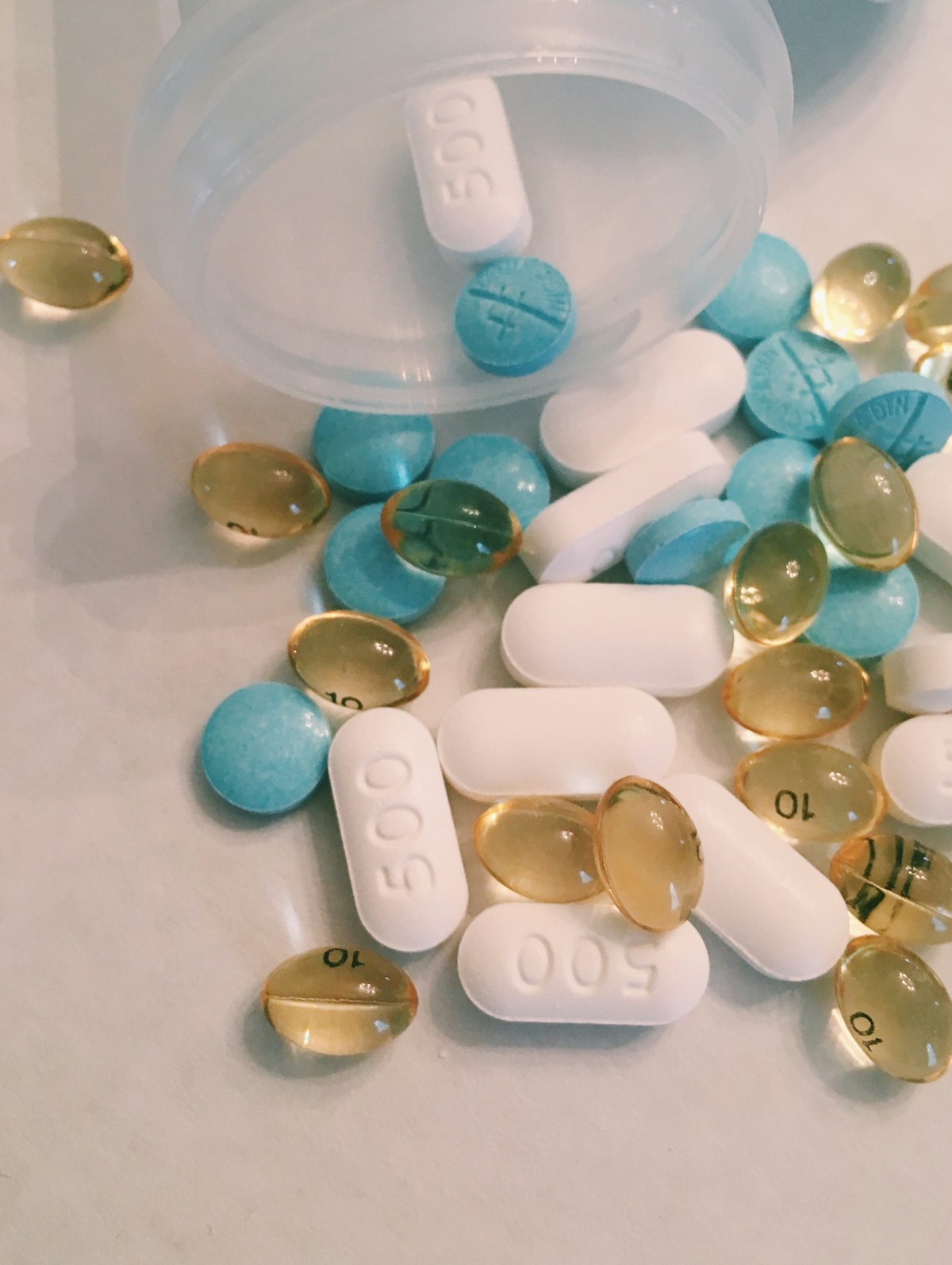
One of the most effective modern delivery systems is liposomal delivery, where nutrients are encapsulated in a fat bubble (phospholipid) that mimics human cell membranes. This allows the nutrient to bypass some of the harsh digestive processes and move directly into the bloodstream. When you are reading a label, look for mentions of "phytosomes," "liposomes," or "micelles."
| Delivery System | How it Works | Best For |
|---|---|---|
| Standard Powder/Capsule | Dissolves in the stomach; relies on native pH | Water-soluble vitamins, high-volume minerals |
| Liposomal Delivery | Encapsulated in lipids for cell-membrane affinity | Vitamin C, Glutathione, Curcumin |
| Chelated Minerals | Mineral bound to an amino acid for easier transport | Magnesium, Zinc, Iron |
| Enteric Coating | Acid-resistant shell that opens in the small intestine | Fish oils (prevents burps), Probiotics |
Understanding these nutrient absorption pathways allows you to choose products that work with your biology rather than against it. If you have a sensitive digestive tract or a specific metabolic baseline that requires higher intake, these advanced delivery systems become even more vital.
Reading Supplement Labels for Fillers and Additives
The "Supplement Facts" panel tells you what the active ingredients are, but the "Other Ingredients" list tells you the truth about the product's quality. When reading supplement labels for fillers and additives, apply the "Order of Predominance" rule: ingredients are listed by weight, from most to least. If the first few items in the inactive ingredients section are synthetic binders, artificial colors, or heavy waxes, you may want to reconsider your purchase.
Many inexpensive brands use synthetic binders like magnesium stearate or silicon dioxide to keep high-speed capping machines running smoothly. While generally recognized as safe, large amounts of these additives can potentially impede the breakdown of the capsule, further hindering absorption. Furthermore, you should be mindful of the Recommended Dietary Allowance (RDA) versus the Tolerable Upper Intake Level (UL). It is easy to accidentally consume toxic levels of certain nutrients, like Vitamin B6 or Vitamin A, if you are stacking multiple "mega-dose" products without determining supplement necessity based on baseline nutrition.

Always check for common allergens if you have sensitivities. Since the Food Allergen Labeling and Consumer Protection Act of 2004, manufacturers must clearly state if a product contains milk, eggs, fish, crustacean shellfish, tree nuts, peanuts, wheat, or soybeans. For the cleanest experience, look for brands that adhere to USP standards or the Clean Label Project, which screens for environmental contaminants that aren't usually listed on the label.
Verification & Purity: Identifying Third Party Certified Supplement Brands
Because the FDA regulates supplements as food rather than drugs, the burden of proof for safety and potency often falls on the manufacturer. This is where independent lab verification becomes your best friend. Identifying third party certified supplement brands is the only way to be certain that what is on the label is actually in the bottle.
A reputable brand will operate under an Identity, Purity, and Potency framework. They don't just guess; they test. Look for these specific seals on the packaging:
- USP (U.S. Pharmacopeia): Verifies that the product contains the ingredients listed in the correct potency and will break down properly in the body.
- NSF International: Often used for sports supplements to ensure the product is free of banned substances and heavy metal contaminants.
- Informed Choice: A global quality assurance program that reduces the risk of impurities.
In the digital age, transparency is easier to find than ever. Many top-tier companies now include a QR code on the bottle that leads directly to a Certificate of Analysis (COA). This document provides the actual lab results for that specific batch, showing the exact levels of active compounds and confirming the absence of lead, mercury, or mold. If a company refuses to provide a COA upon request, it is a significant red flag.
Red Flag Marketing Terms to Avoid
- "Miracle Cure": Science moves in increments, not miracles.
- "Proprietary Blend": Often used to hide the fact that the most expensive (and effective) ingredients are included in tiny, ineffective amounts.
- "Doctor Recommended": Unless it specifies a group of independent experts, this is often a paid endorsement.
- "Instant Results": Most nutritional interventions take 3 to 12 weeks to show measurable changes in blood work or symptoms.
FAQ
How do I know if a supplement is effective?
Effectiveness is determined by whether the product uses a clinically relevant supplement dosage and a delivery system that ensures bioavailability. You should also look for "finished product" testing, which proves the specific formula works as intended in human subjects, rather than relying on ingredient-level hype.
What should I look for on a supplement label?
Check the "Supplement Facts" for the specific form of the nutrient (e.g., Magnesium Glycinate vs. Oxide) and the "Other Ingredients" list for unnecessary fillers. Ensure the dosage aligns with scientific research and does not exceed the safe upper limits for daily consumption.
How can I tell if a vitamin is high quality?
High quality is defined by purity, potency, and transparency. A quality vitamin will have a third-party seal (like USP or NSF), use standardized botanical extracts, and avoid synthetic dyes or excessive binders. The manufacturer should be able to provide a Certificate of Analysis for every batch.
What certifications should I look for in supplements?
The most reliable certifications come from independent, non-profit organizations. Look for the USP Verified mark, NSF International (especially "Certified for Sport"), and ConsumerLab.com rankings. These organizations perform rigorous chemical analysis to verify the product's integrity.
Should I consult a doctor before starting a new supplement?
Yes, it is essential to consult a healthcare provider to determine supplement necessity based on baseline nutrition and potential drug interactions. A professional can help you interpret blood work and ensure that your chosen regimen is safe for your specific metabolic profile.
Final Steps for a Supplement Audit
Before you take your next dose, I encourage you to perform a quick audit of your current supplement cabinet using the 3-Filter Checklist. Check the dose against the clinical trials you can find on PubMed, look for enhanced delivery systems for poorly absorbed nutrients, and verify that the brand uses independent lab verification. By shifting your focus from marketing claims to evidence-based metrics, you ensure that your investment in your health actually yields the results you deserve.