Our Top Picks
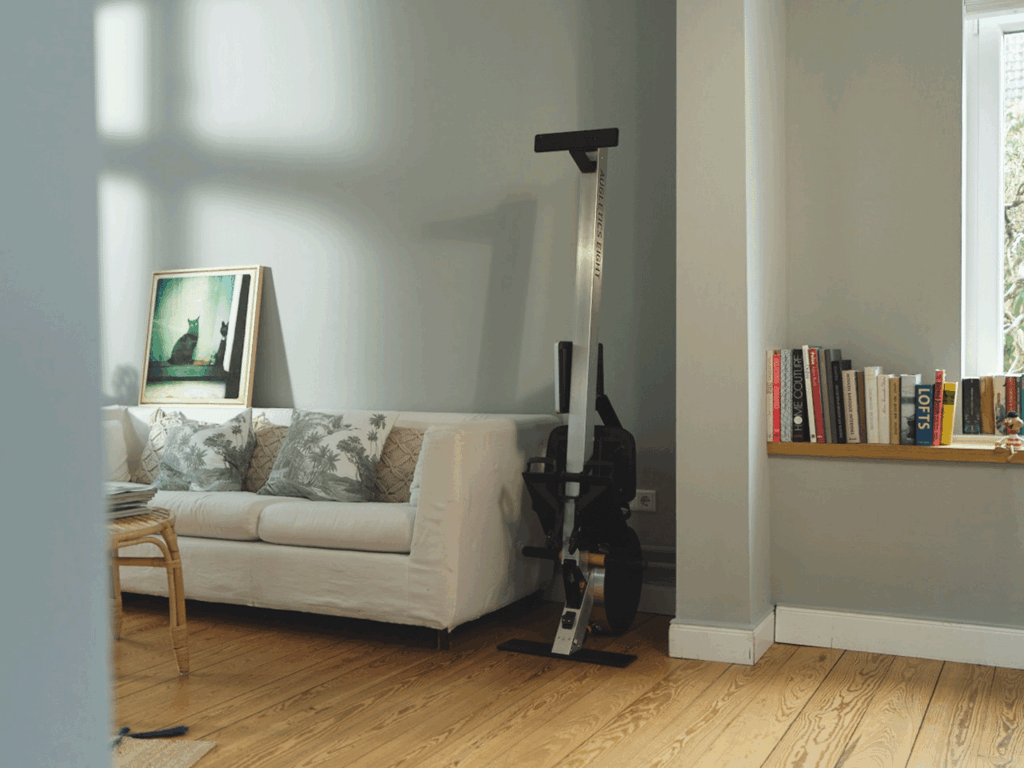
The WaterRower stands out as a high-end investment for those who value aesthetics, noise control, and eco-conscious design. It provides a furniture-grade aesthetic that blends seamlessly into living spaces, encouraging consistent use through the psychology of visibility. For athletes seeking a quiet, smooth, and durable machine, it remains the premier choice for sustainable home gym equipment that lasts for decades.
Our hands-on WaterRower review finds that a wooden WaterRower offers a furniture-grade aesthetic that blends into living spaces, which can encourage more consistent use. Built from sustainably sourced hardwoods like oak and cherry, these machines absorb sound and vibration better than metal frames, providing a quieter and smoother rowing experience. Their vertical storage capability and minimalist footprint make them ideal for apartments and small home gyms.
Design & Sustainability: More Than Just Furniture
When you first see a WaterRower, your brain does not immediately categorize it as gym equipment. It looks more like a handcrafted bench or a piece of mid-century modern furniture. This is intentional. In the world of fitness, the psychology of visibility plays a massive role in consistency. If a machine is ugly, you hide it in a basement. If it is beautiful, you keep it in your living room, where you are far more likely to sit down and pull a few strokes.
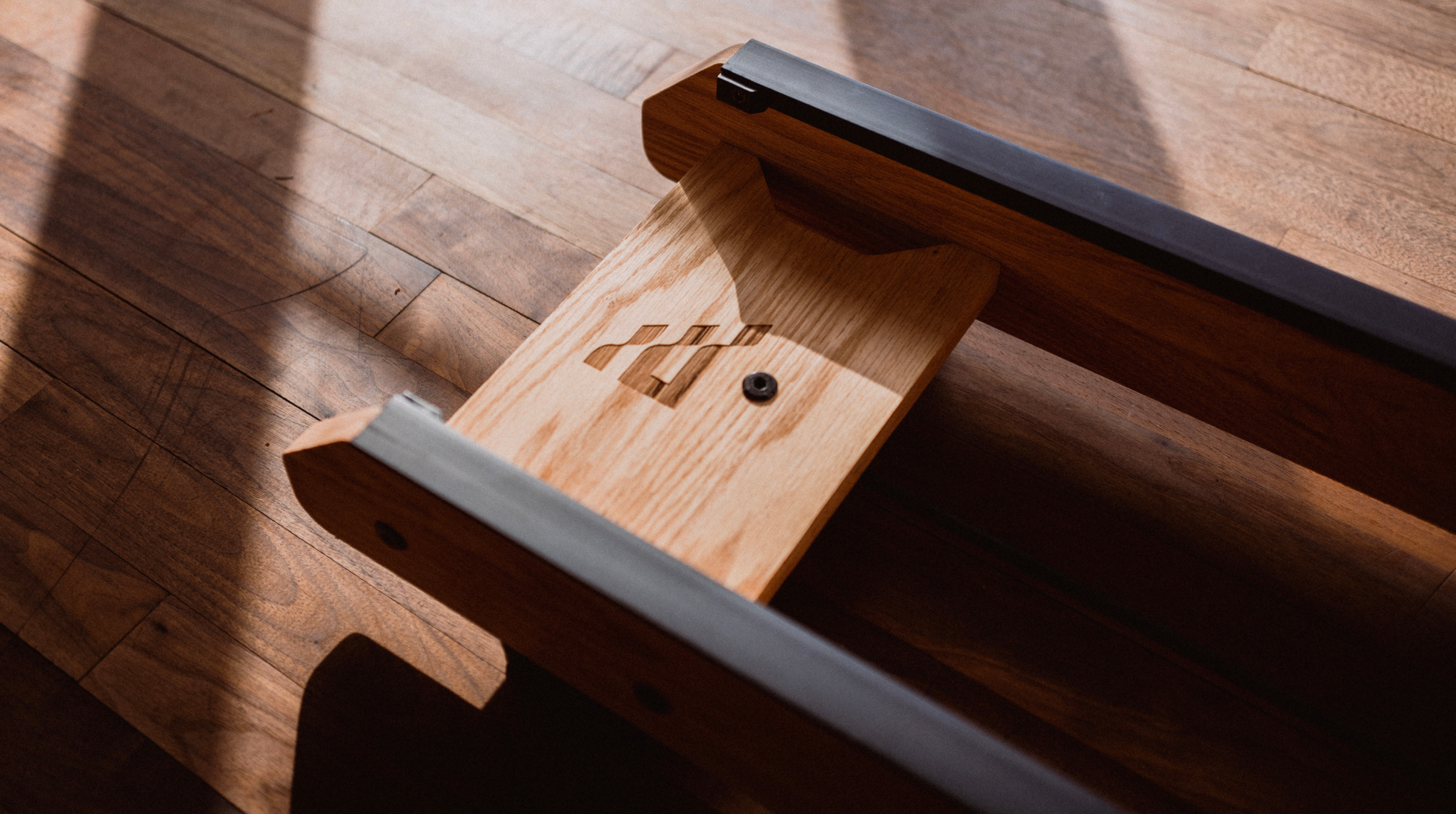
The construction of these machines is rooted in environmental responsibility. The company sources its hardwoods from sustainably managed forests in the Appalachian Mountain region. This is a crucial detail for the eco-conscious buyer, as the tree replanting rate in this region is 2.29 times faster than the harvesting rate. Whether you choose the honey-colored oak or the deeper tones of cherry, you are bringing natural wood grains into your home that have been treated with water-based finishes to ensure healthy indoor air quality.
Beyond the ethics, the hardwood frame serves a functional purpose. Wood is naturally gifted at acoustic dampening. While aluminum and steel frames tend to amplify the clatter of a sliding seat and the whir of a chain, the solid wood of a WaterRower absorbs those vibrations. This results in a feel that is grounded and organic, rather than mechanical and harsh.
Performance: The WaterFlywheel Experience
The heart of this machine is the WaterFlywheel technology. Unlike magnetic rowers that use a fixed dial or air rowers that use a damper, the WaterRower relies on the physics of water displacement. The resistance is self-regulating; the harder you pull, the more resistance the water provides. It is an honest, fluid relationship between your effort and the machine’s response.
One of the most significant wooden water rowing machine benefits is the sensory feedback. As the paddles spin through the tank, they produce a rhythmic swoosh sound. For many users, this sound is meditative rather than intrusive. It is a world away from the industrial hum of an air-resistance fan. This makes the WaterRower performance and noise level particularly attractive for those who share their living space with others. You can easily row while a partner watches television or a child sleeps in the next room.
For the athlete, this provides a low-impact cardio session that mimics the feel of an actual shell on a lake. There are no "dead spots" in the stroke. From the catch to the finish, the tension remains consistent and smooth, protecting your joints while engaging 84 percent of your muscle mass.

5 Years Later: Durability & Aging
When we evaluate equipment, we look at how it handles the "five-year test." A machine that rattles after six months is a bad investment. The WaterRower Natural model is designed for extreme longevity. Its solid wood construction is incredibly robust, as evidenced by a maximum user weight capacity of up to 700 lbs. This is significantly higher than most residential magnetic or air rowers.
The dual-rail system is another win for durability. By spreading the user's weight across two parallel rails, the machine maintains perfect alignment over years of use. There is no side-to-side wobble, and the seat glides on high-quality rollers that resist wear. While the wood may darken slightly over time as it is exposed to light—a natural process for cherry and oak—the structural integrity remains unchanged. This is a machine you can expect to pass down to the next generation.
Tech & Connectivity: The S4 Monitor Trade-off
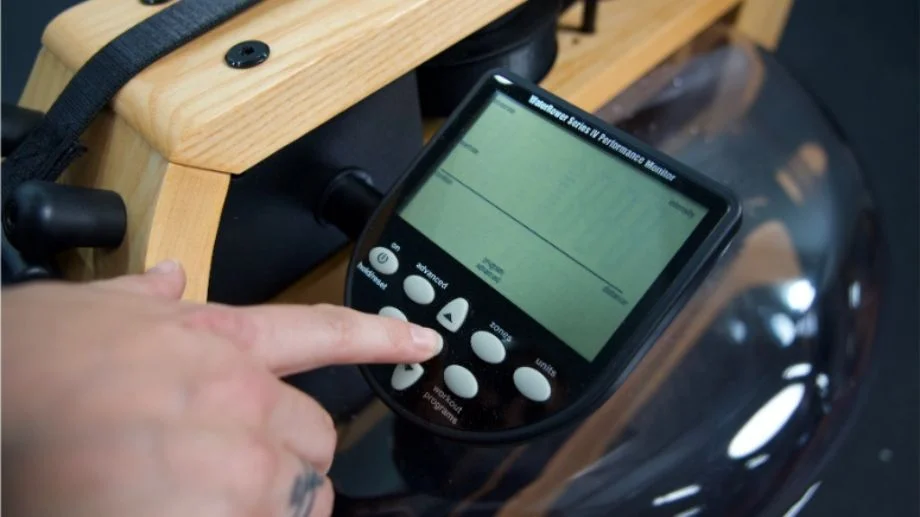
If there is a point of contention in any WaterRower review, it is usually the monitor. The standard S4 performance monitor is a minimalist, almost retro piece of hardware. It tracks the essentials: stroke rate, intensity, duration, and distance. It is reliable and easy to read, but it lacks the built-in, high-definition touchscreens found on modern connected fitness machines.
There is a clear divide here. Some athletes prefer the "analog" feel of the S4, enjoying the break from screens. However, if you are looking for waterrower s4 monitor pros and cons, the biggest con is the lack of native Bluetooth. To get connected, you will likely want to add the WaterRower ComModule. This small accessory plugs into the back of the S4 and allows you to sync your workout data with apps like CityRow or WaterRower Connect.
For those who want a fully integrated digital experience, there are options like Ergatta, which uses the WaterRower frame but replaces the S4 with a large gaming monitor. But for the purist, the S4 monitor provides exactly what you need to track progress without the distraction of a subscription-heavy interface.
Living with a WaterRower: Space & Maintenance
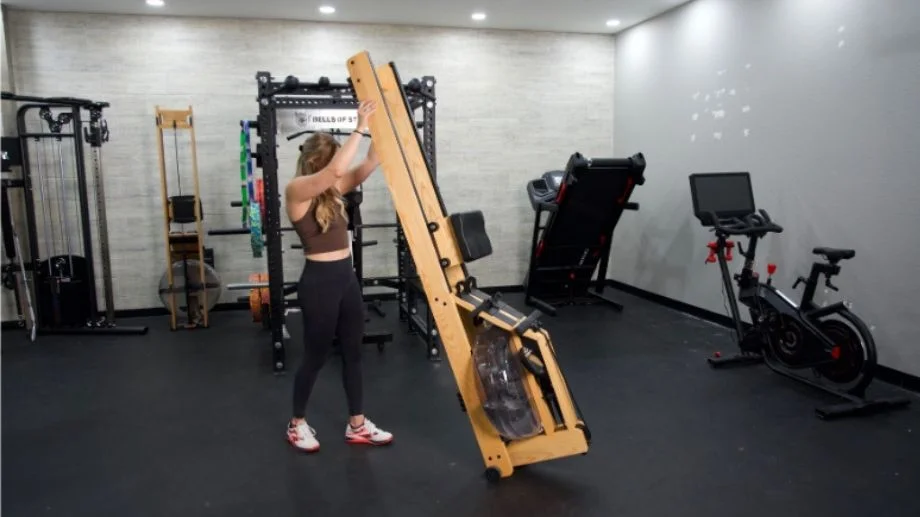
One of the most common questions I get from apartment dwellers is how quiet is the waterrower for apartment use. Beyond the sound, the biggest concern is floor space. Most rowers are long and cumbersome. The WaterRower addresses this with a clever vertical storage capability. When you are finished with your workout, you simply lift the end of the machine and stand it up.
In its vertical position, the rower has a footprint no larger than a standard dining chair. With a width of only 14.5 inches, it can tuck into a corner or behind a door. It is perfectly balanced, so there is no risk of it tipping over, provided it is on a flat surface.
Maintenance is surprisingly simple. You do not need to change the water frequently. Instead, you should drop one purification tablet into the tank every three to six months to prevent algae growth. Occasionally, you may want to wipe down the rails to keep the seat gliding smoothly. Beyond that, the machine requires very little upkeep compared to the complex chain-and-sprocket systems found in air rowers. Following these maintenance tips for waterrower water tank will keep the water clear and the resistance consistent for years.
Comparison: WaterRower vs. Concept2
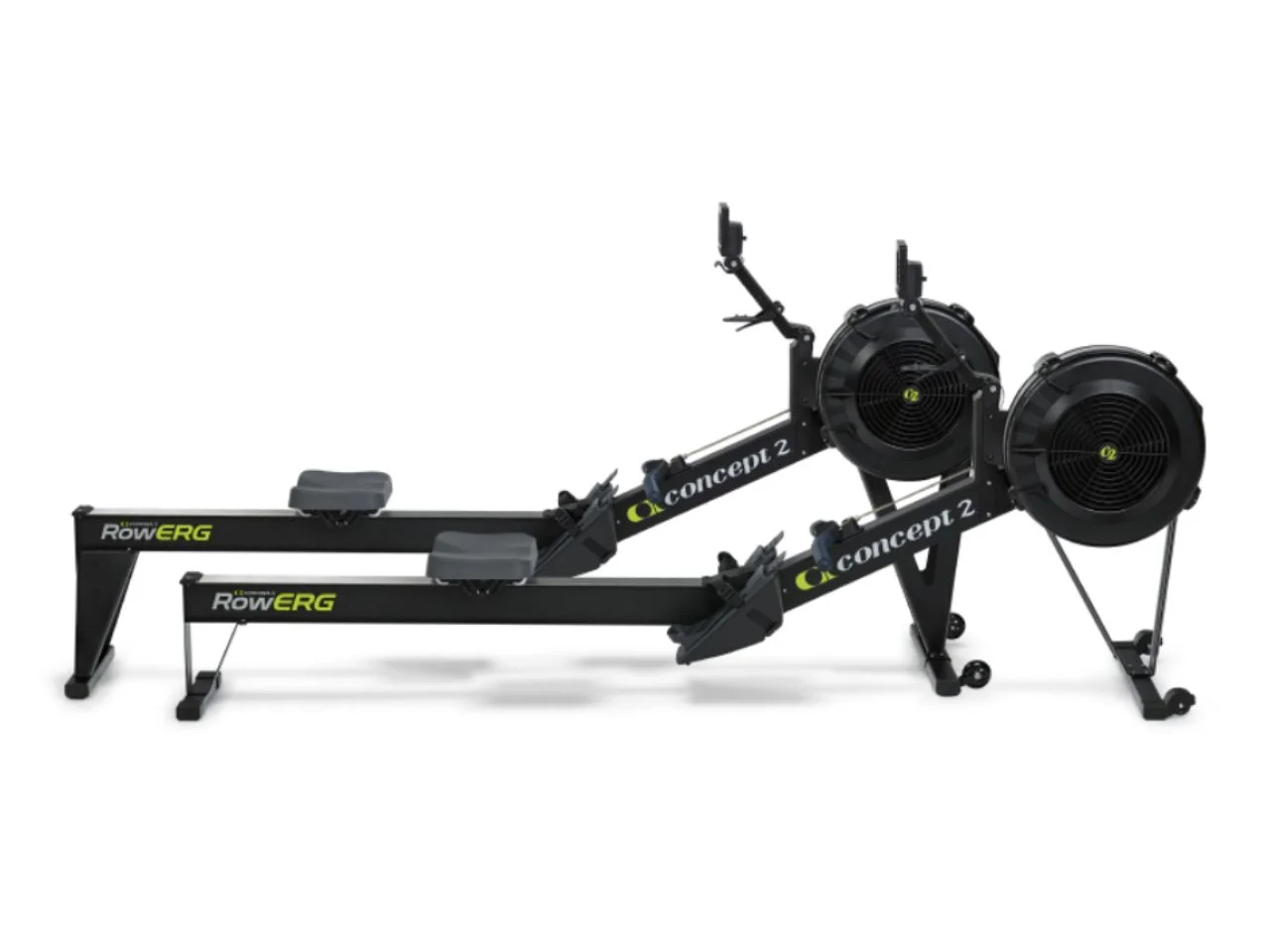
In the rowing world, the debate between the WaterRower and the Concept2 RowErg is legendary. It is often a choice between a piece of furniture and a piece of industrial machinery. Currently, the WaterRower holds approximately 22% of the global rowing machine market share, largely because of people who want a home gym that doesn't look like a gym.
| Feature | WaterRower (Natural/Ash) | Concept2 RowErg |
|---|---|---|
| Resistance Type | WaterFlywheel | Air Resistance |
| Frame Material | Sustainable Hardwood | Aluminum & Steel |
| Noise Level | Quiet (Rhythmic Swoosh) | High (Industrial Fan) |
| Storage | Vertical (Small Footprint) | Segments into two pieces |
| Monitor | S4 (Basic/Minimalist) | PM5 (Advanced/Data-Rich) |
| Max User Weight | 700 lbs | 500 lbs |
The Concept2 is the gold standard for data accuracy and competitive rowing. If you are training for the Olympics, you need a Concept2. However, for the average home user, the wooden rowing machine vs magnetic rower for home debate usually leans toward the WaterRower. Magnetic rowers often feel "mushy" or artificial, whereas the WaterRower feels alive. Compared to the loud, clunky fan of the Concept2, the WaterRower is a much more pleasant companion for a 30-minute cardio session.
FAQ
Is a WaterRower worth the money?
Yes, if you prioritize design, noise reduction, and long-term durability. While it has a higher upfront cost than many budget rowers, its sustainable construction and 700-pound weight capacity ensure it lasts for decades, making the cost per use very low over time.
How does a WaterRower compare to a Concept2?
The WaterRower is quieter, more aesthetically pleasing, and more compact when stored vertically. The Concept2 offers superior data accuracy and is the standard for competitive rowing. For home users, the WaterRower is often preferred for its sensory experience and furniture-grade look.
Is a WaterRower loud to use?
No, it is one of the quietest rowing machines available. Instead of the loud mechanical whir of a fan or the friction of a belt, it produces a soothing water sound. This makes it an excellent choice for apartments or shared living spaces.
How often do you need to change the water in a WaterRower?
You rarely need to change the water. By adding a purification tablet to the tank every three to six months, you can keep the water clear and free of algae. A full water change is only necessary if the machine is left in direct sunlight for long periods without treatment.
What are the benefits of a wooden rowing machine?
Wood naturally absorbs sound and vibration, leading to a smoother and quieter workout. Additionally, the use of sustainably sourced hardwoods makes the machine more eco-friendly and allows it to blend into home decor better than metal alternatives.
Conclusion: Is the WaterRower Right for You?
The WaterRower is a rare example of a product where form and function are in perfect balance. It delivers a high-intensity, full-body workout that is as effective as it is beautiful. While it may lack the flashy digital displays of some modern competitors, it makes up for it with handcrafted quality and a meditative rowing experience that is hard to match.
If you are an apartment dweller who needs to save space, an eco-conscious consumer looking for sustainable home gym equipment, or simply someone who wants a quiet workout while the rest of the house sleeps, this is the machine for you. It turns a chore into a ritual, and a piece of equipment into a part of your home.