Quick Facts
- Highest Accuracy: Abbott FreeStyle Libre 3 Plus currently leads the market with a 7.9% MARD rating.
- Fastest Warm-up: Dexcom G7 provides data in less than 30 minutes after application.
- Longest Wear Time: Eversense 365 offers a full year of monitoring through a subcutaneous implant.
- Best for Non-Diabetics: Dexcom Stelo and Abbott Lingo provide over-the-counter access for metabolic health tracking.
- Top Innovation: Integration of real-time biofeedback into smartwatch telemetry for immediate lifestyle adjustments.
The most accurate wearable glucose monitors in 2026 are the Abbott FreeStyle Libre 3 Plus, which features a 7.9% MARD, and the Dexcom G7, which offers an 8.2% MARD. Both devices provide real-time interstitial fluid analysis and smartphone synchronization to help users monitor glycemic variability and prevent glucose fluctuations.
Understanding CGM Technology in 2026
To manage longevity effectively, one must look beyond basic caloric intake and focus on metabolic flexibility. In 2026, wearable glucose monitors have transitioned from niche medical tools to essential hardware for preventive health. Unlike traditional finger-prick tests that measure capillary blood, these sensors utilize interstitial fluid analysis. This provides a continuous stream of data rather than a single snapshot in time.
The primary metric for evaluating these devices is the Mean Absolute Relative Difference (MARD). A lower MARD percentage indicates higher accuracy when compared to laboratory blood reference values. For those focused on age-related wellness, tracking glycemic variability through these sensors is critical. High fluctuations in glucose are linked to oxidative stress and systemic inflammation, both of which accelerate biological aging.
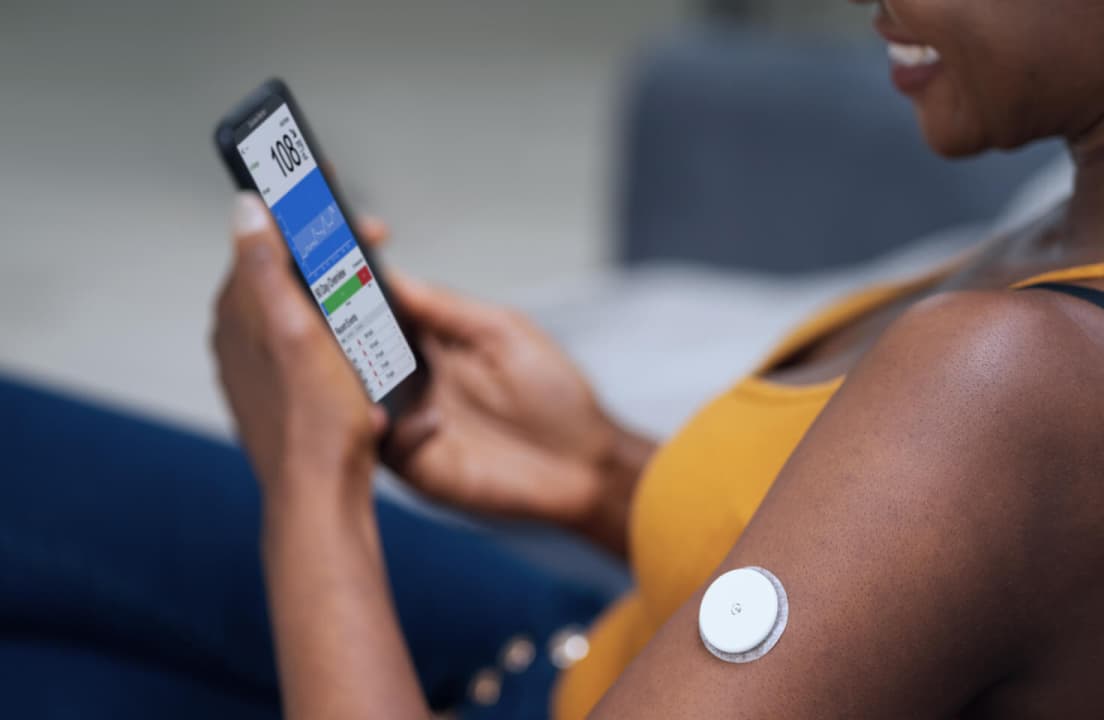
By utilizing real-time biofeedback, users can see exactly how a specific meal, a poor night’s sleep, or a high-intensity workout affects their blood sugar levels. This immediate data loop allows for actionable steps in lifestyle modification, moving away from guesswork and toward personalized, data-driven health strategies.
| Device | MARD Accuracy | Wear Duration | Warm-up Time | Prescription Required |
|---|---|---|---|---|
| Abbott FreeStyle Libre 3 Plus | 7.9% | 15 Days | 60 Minutes | Yes |
| Dexcom G7 | 8.2% | 10.5 Days | <30 Minutes | Yes |
| Dexcom Stelo | ~9.0% | 15 Days | 30 Minutes | No (OTC) |
| Abbott Lingo | ~9.0% | 14 Days | 60 Minutes | No (OTC) |
| Eversense 365 | 8.5% | 365 Days | N/A (Implant) | Yes |
The Gold Standards: Medical-Grade Prescription CGMs
For individuals managing diabetes or those seeking the highest level of continuous glucose monitor accuracy comparison, prescription-grade sensors remain the gold standard. These devices are cleared by the FDA for clinical decision-making and often integrate with automated insulin delivery systems.
Abbott FreeStyle Libre 3 Plus
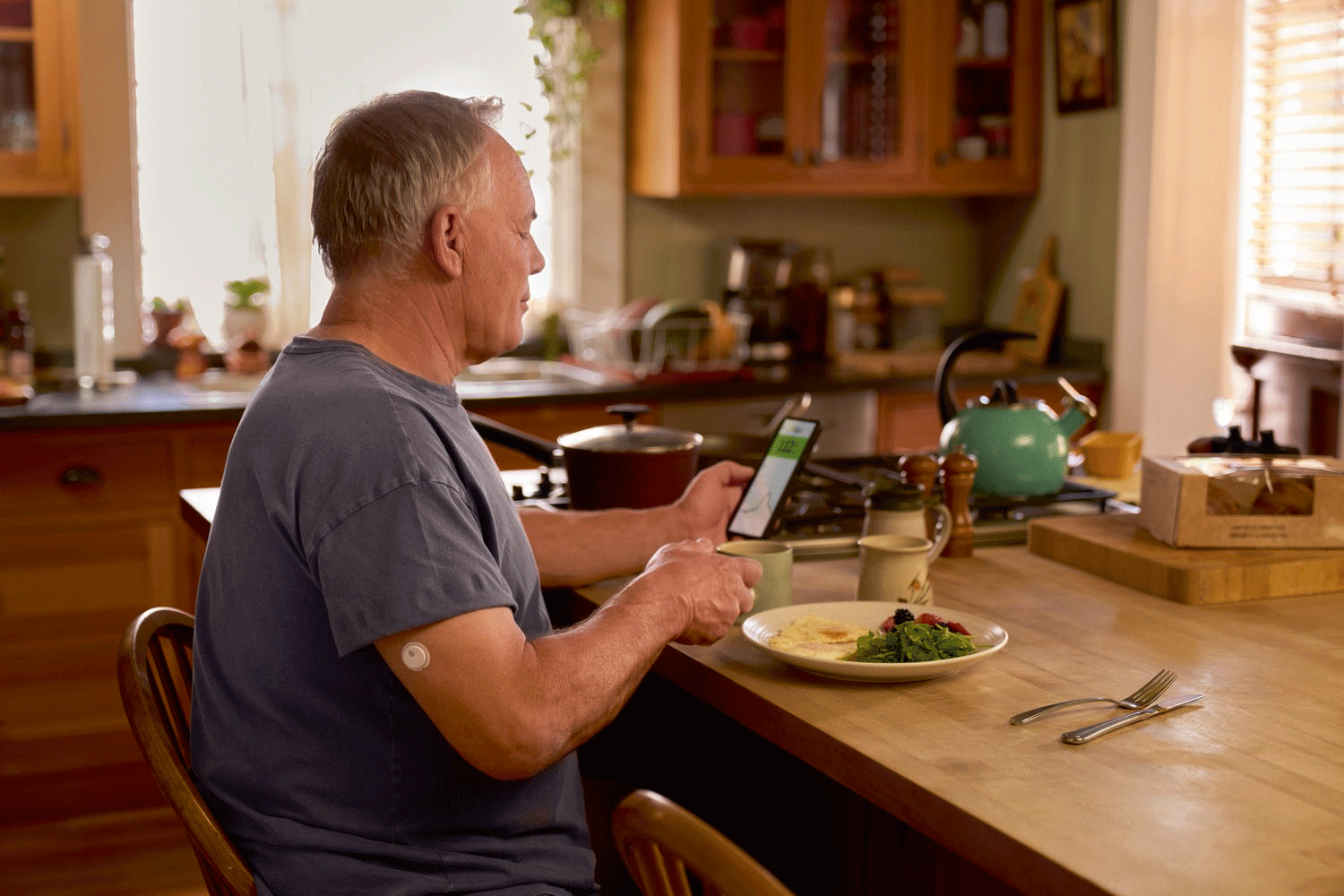
The FreeStyle Libre 3 Plus stands out for its form factor and precision. Measuring roughly the size of two stacked pennies, it is the world's smallest and thinnest sensor. Its 7.9% MARD makes it the most accurate wearable glucose monitors option for clinical use. The sensor lasts for 15 days, providing a slightly longer wear time than its competitors. It utilizes Bluetooth synchronization to send data every minute directly to a smartphone app, removing the need for manual scans.
Dexcom G7
The Dexcom G7 is the primary rival to the Libre 3 Plus, offering an 8.2% MARD. Where the G7 excels is its speed and integration. It features the fastest warm up time continuous glucose monitors can offer, going from application to data transmission in under 30 minutes. The G7 is also highly durable, featuring a waterproof rating for depths up to 2.4 meters.
For the longevity-focused user, the G7’s strength lies in its smartwatch telemetry. It can stream glucose data directly to an Apple Watch or Garmin device without requiring the smartphone to be nearby. This feature is invaluable for endurance athletes or individuals who want to monitor their metabolic response during intense physical activity without distraction.
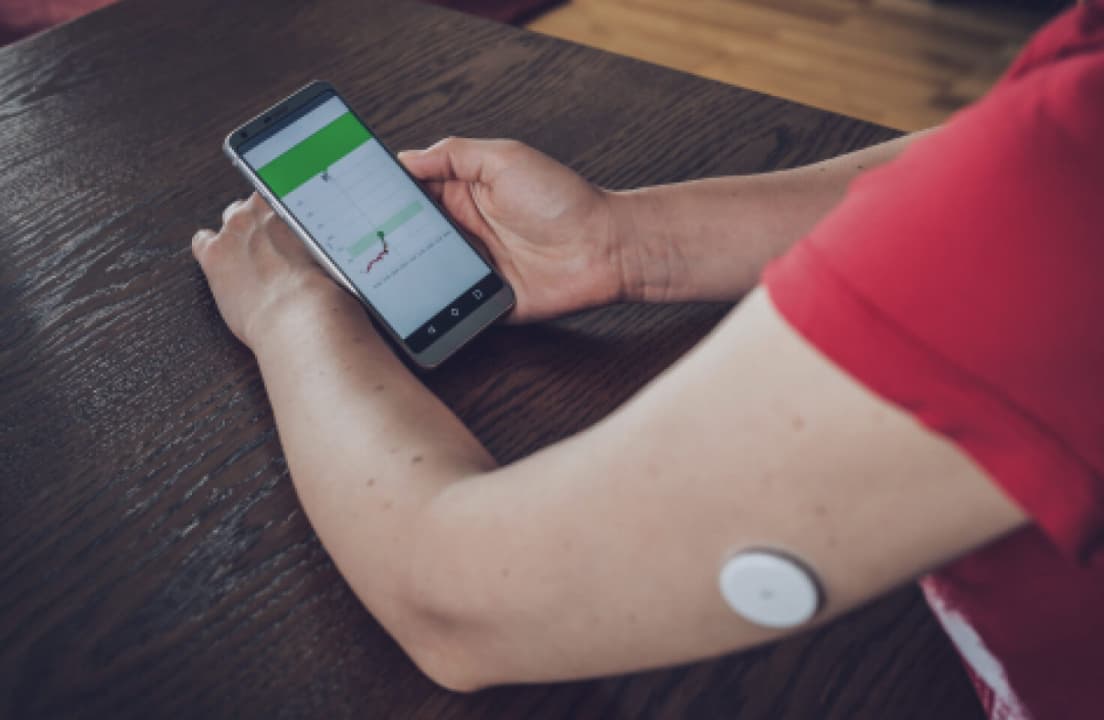
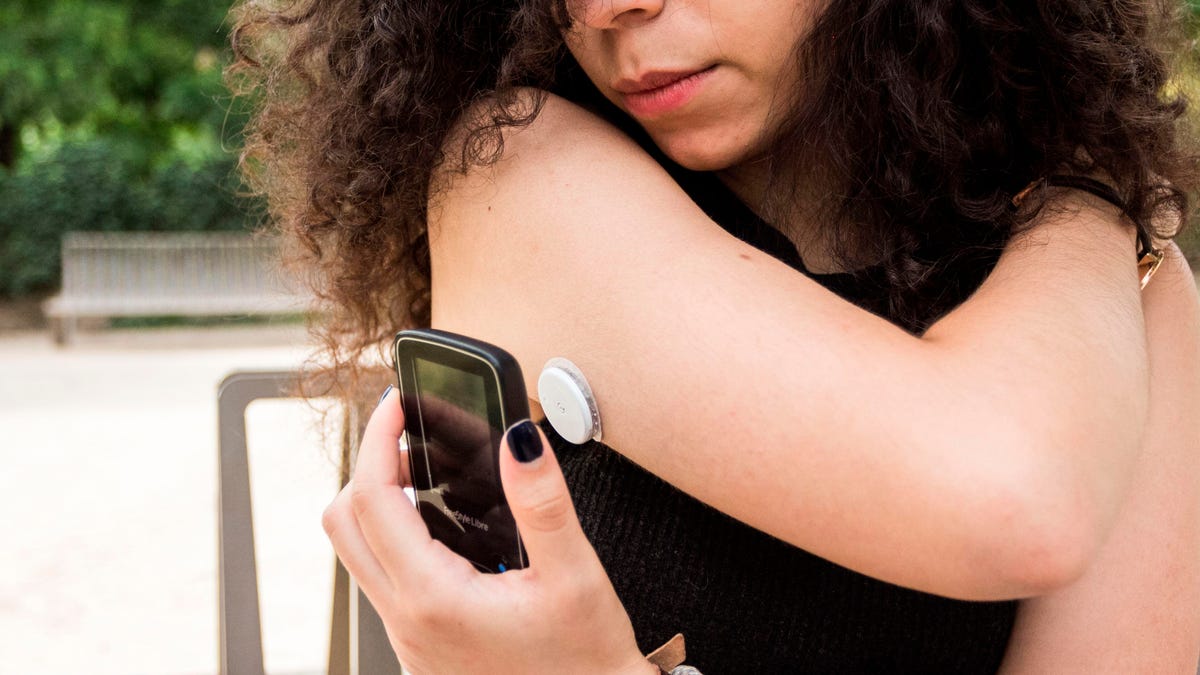
Pro Tip: Sensor Placement For the most accurate readings, place your sensor on the back of the upper arm in an area with adequate subcutaneous fat. Avoid placing the device over muscle, scar tissue, or areas where the skin folds deeply, as this can interfere with the interstitial fluid analysis.
Wellness Revolution: Over-the-Counter (OTC) Sensors
The most significant shift in the 2026 market is the availability of over the counter CGM for type 2 diabetes comparison and general wellness. For individuals without a prescription, over-the-counter wearable glucose monitors like the Dexcom Stelo and Abbott Lingo are available. These sensors are optimized for non-diabetics and type 2 patients to track metabolic flexibility, lifestyle impacts, and postprandial glucose responses through Bluetooth-connected health apps.
Abbott Lingo vs Dexcom Stelo for non-diabetics
When comparing Abbott Lingo vs Dexcom Stelo for non-diabetics, the differences lie primarily in the software experience. The Dexcom Stelo is designed for those who do not use insulin. It focuses on identifying how daily habits—like a morning walk or a specific snack—impact glucose levels. The Stelo sensor lasts for 15 days and provides a simplified interface that omits the complex alarms and alerts necessary for Type 1 patients.
Abbott Lingo, on the other hand, is marketed as a comprehensive wellness bio-wearables platform. It utilizes a 14-day sensor to track what it calls the Lingo Count. This proprietary metric translates glucose spikes into a daily budget, helping users understand their metabolic ceiling. Lingo places a heavy emphasis on consumer coaching, providing actionable steps to flatten the glucose curve after meals. This postprandial monitoring is a cornerstone of preventing the metabolic dysfunction that leads to chronic disease.
Longevity & Innovation: Eversense 365
For those who find the bi-weekly sensor changes of the Libre or Dexcom systems cumbersome, the Eversense 365 represents the future of metabolic monitoring. This device is the longest lasting wearable glucose monitor sensors 2026 has to offer, utilizing a subcutaneous implant that provides continuous data for up to 365 days.
The Eversense 365 is the longest-lasting wearable glucose monitor on the market, utilizing a subcutaneous implant that provides continuous data for up to 365 days. The system consists of a small fluorescent sensor placed under the skin of the upper arm during a brief office procedure. A removable smart transmitter is worn over the sensor site, which then sends data via Bluetooth to the user's mobile device.
This long-term approach is particularly beneficial for high-level preventive care. Clinical research indicates that consistent use of continuous glucose monitoring sensors for more than 270 days per year can result in a 1.52% reduction in HbA1c levels for adults with type 2 diabetes. For the longevity-focused individual, this level of consistency ensures that cloud health data is comprehensive, allowing for a deep dive into annual metabolic trends rather than just weekly snapshots.

Investment Guide: Costs and Insurance in 2026
Navigating the wearable glucose monitor costs and insurance coverage 2026 landscape requires understanding the distinction between medical necessity and wellness optimization. Prescription CGMs like the Dexcom G7 and FreeStyle Libre 3 Plus are generally covered by insurance for those with Type 1 or insulin-dependent Type 2 diabetes. However, for those using these tools for metabolic health tracking, out-of-pocket costs are the norm.
Dexcom expanded its global customer base by approximately 25% in 2024, ending the year with between 2.8 million and 2.9 million users. This growth has helped drive down the cost of OTC options. A monthly subscription for a best CGM for metabolic health tracking like Stelo or Lingo typically ranges from $89 to $99. This investment provides two sensors per month, covering a 28-to-30-day period.
For the Eversense 365, the initial cost is higher due to the medical procedure required for implantation, but when amortized over 12 months, the cost-per-day can be competitive with high-end external sensors. When choosing a device, consider not just the hardware cost, but the value of the data integration. The ability to sync with other wellness platforms and share data with a preventive care physician can significantly enhance the return on investment for your health.
Pro Tip: Skin Preparation To ensure your sensor lasts the full 10 to 15 days, use an exfoliating scrub on the application site to remove dead skin cells. Follow this with an alcohol prep pad and, if you have oily skin, a medical-grade adhesive wipe. This ensures the best possible bond between the sensor and your body.
FAQ
How do wearable glucose monitors work?
Wearable glucose monitors utilize a tiny filament inserted just under the skin. This filament measures glucose levels in the interstitial fluid, which is the fluid surrounding your cells. A transmitter then sends this data wirelessly via Bluetooth to a smartphone or dedicated receiver, providing a continuous stream of glucose readings throughout the day and night.
Do you need a prescription for a continuous glucose monitor?
It depends on the device. Clinical-grade sensors like the Dexcom G7, FreeStyle Libre 3 Plus, and Eversense 365 require a prescription from a healthcare provider. However, the 2026 market now includes over-the-counter options like Dexcom Stelo and Abbott Lingo, which are specifically designed for non-insulin-using adults and do not require a prescription.
Are wearable glucose monitors as accurate as finger prick tests?
Modern sensors are highly accurate, but they measure glucose in interstitial fluid rather than blood. Because glucose moves from the blood to the interstitial fluid, there is a slight lag time (usually 5 to 15 minutes). For most health and longevity tracking, this difference is negligible, but for acute medical decisions, a finger prick may still be required to confirm a reading.
How much does a wearable glucose monitor cost?
Without insurance coverage, a month’s supply of wearable glucose monitors typically costs between $90 and $300. OTC options are generally priced around $99 per month. Prescription models are often significantly cheaper if covered by a health insurance plan, though this usually requires a diagnosis of diabetes.
Can people without diabetes benefit from glucose monitors?
Yes. Many health-conscious individuals use these sensors for metabolic health tracking. By observing postprandial glucose responses, non-diabetics can identify which foods cause excessive inflammation or energy crashes. This data helps in optimizing diet and exercise to maintain metabolic flexibility and prevent the onset of chronic disease.
Is a wearable glucose monitor covered by insurance?
Insurance coverage is typically limited to individuals with diabetes, particularly those who require insulin or have a history of hypoglycemia. While coverage for Type 2 patients and those seeking preventive wellness is expanding, most users in these categories currently pay for their sensors out-of-pocket or through Health Savings Accounts (HSA).