Quick Facts
- Safety Standard: Look for FDA 510(k) clearance for medical monitoring.
- Accuracy Margin: Medical-grade devices should maintain a <2% margin of error.
- Reliability Indicator: A Perfusion Index (PI) below 0.2% indicates an unreliable reading.
- Hypoxia Threshold: SpO2 levels of 92% or lower require immediate medical attention.
- Price Range: Clinical-grade home units typically cost between $30 and $70.
- Battery Life: Minimum 20-24 hours for consistent tracking.
When selecting a home pulse oximeter, prioritize clinical validation and FDA clearance to ensure medical-grade accuracy. Key technical features to look for include a multi-directional OLED display for easy reading and a plethysmograph waveform display, which visually confirms a consistent heartbeat signal before recording SpO2 levels.
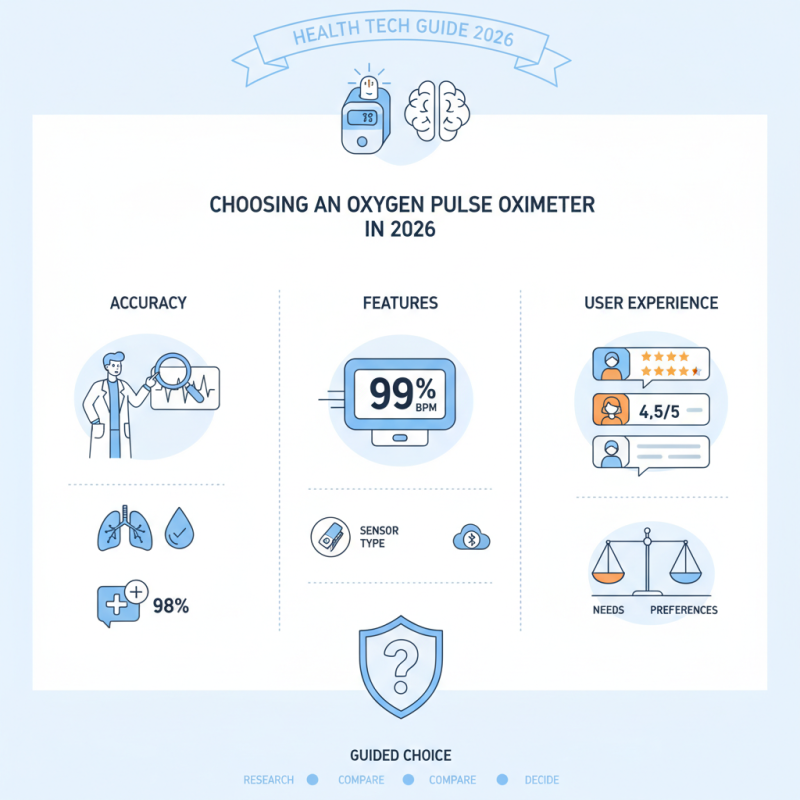
Managing your health from home has never been more accessible, but with that accessibility comes the responsibility of choosing tools that provide reliable data. As an editor focused on preventive healthcare, I often see the confusion that arises when a household device gives an unexpected reading. Whether you are managing a chronic condition, monitoring respiratory wellness after an illness, or simply keeping an eye on your vital signs, the device you choose serves as your first line of defense. The global pulse oximeter market, valued at approximately USD 2.85 billion in 2024, is seeing its fastest growth in the home care segment as more people embrace proactive wellness. However, not every device on the shelf is designed for medical use.
Medical Grade vs. Recreational: The FDA Difference
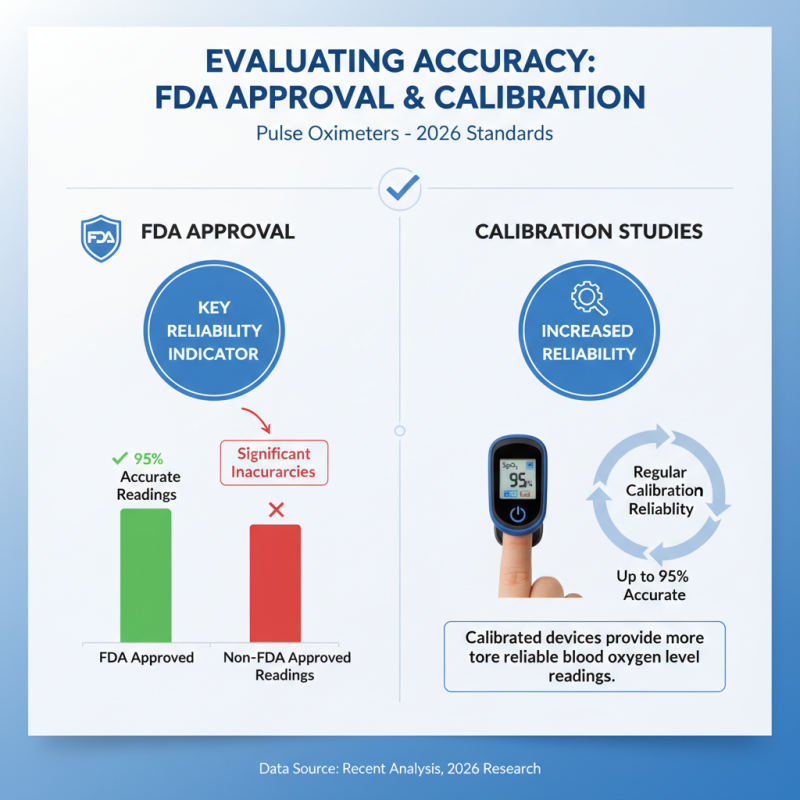
The most critical distinction to understand when shopping is the difference between a medical grade oxygen saturation monitor and recreational devices. Many pulse oximeters marketed for sports or aviation are not intended for medical use and do not undergo the same rigorous clinical validation as those cleared for clinical environments. For home monitoring where health decisions are at stake, finding a device with FDA clearance is non-negotiable.
An FDA-cleared device has undergone testing to prove its accuracy within a specific range. According to the FDA, the reading on a cleared pulse oximeter is an estimate, such that a displayed value of 90% generally indicates a true blood oxygen saturation level between 86% and 94%. While that margin might seem wide, the 98% to 99% negative predictive value for ruling out low oxygen when readings are 94% or higher makes these devices incredibly useful for peace of mind.
| Feature | Medical Grade | Recreational (Sports/Aviation) |
|---|---|---|
| FDA Clearance | Required (Class II Device) | Not Required |
| Clinical Validation | Mandatory human testing | Varies by manufacturer |
| Recommended Use | Vital sign tracking for health | Hiking, flying, high-intensity exercise |
| Primary Goal | Detect hypoxemia and silent hypoxia | Baseline fitness tracking |
FDA-cleared home pulse oximeter benefits include the assurance that the device has been tested against arterial blood gas samples, the gold standard for measuring oxygen. Without this clearance, you are essentially guessing whether the number on the screen represents your actual health status.
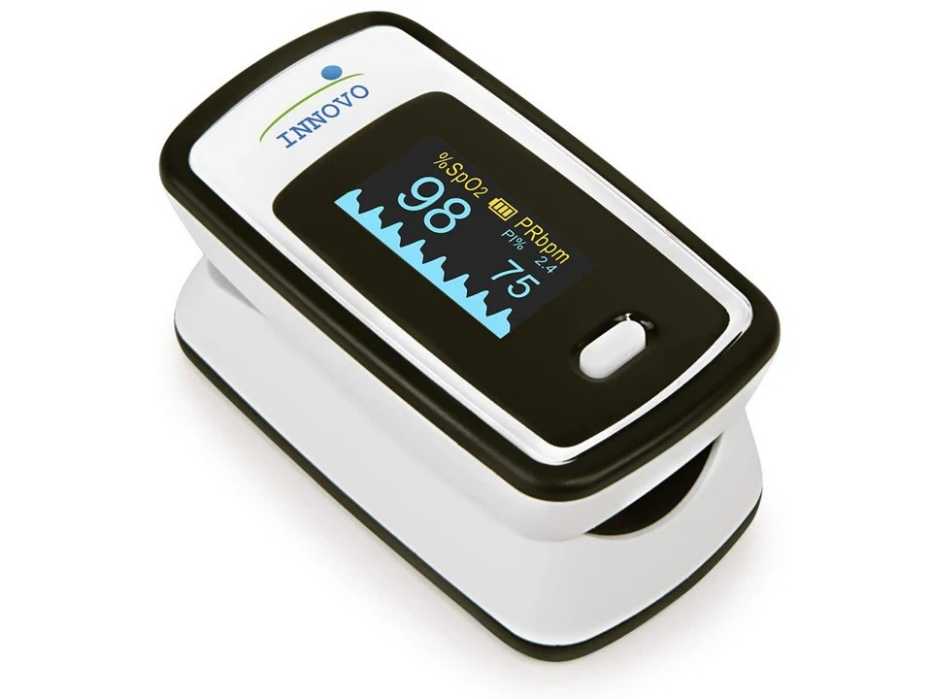
Advanced Accuracy Tools: Waveforms and Perfusion Index
An accurate SpO2 percentage is only possible if the device can lock onto a strong, consistent pulse. This is where advanced tools like the plethysmograph waveform display and the perfusion index become essential. Most basic monitors only show a number and a simple bar graph, but a waveform allows you to visually confirm that the sensor is picking up each heartbeat correctly. If the wave looks erratic or weak, you know the resulting oxygen reading may be inaccurate.
The perfusion index (PI) is another layer of security. It measures the strength of the pulse at the sensor site. A low PI (typically below 0.2%) suggests that blood flow to the finger is too weak for the infrared sensor to get a clear reading. This often happens if your hands are cold or if your peripheral circulation is poor. By using a portable pulse oximeter with perfusion index, you can adjust your hand position or warm your fingers until the signal strength is sufficient, ensuring data consistency across your logs.
These features are particularly important for monitoring silent hypoxia, a condition where oxygen levels drop to dangerous levels without the person feeling short of breath. Having a visual confirmation of the signal strength via the waveform helps prevent the false sense of security that might come from an incorrect, high reading caused by poor signal quality.
Usability and Hardware: OLED Displays and Alarms
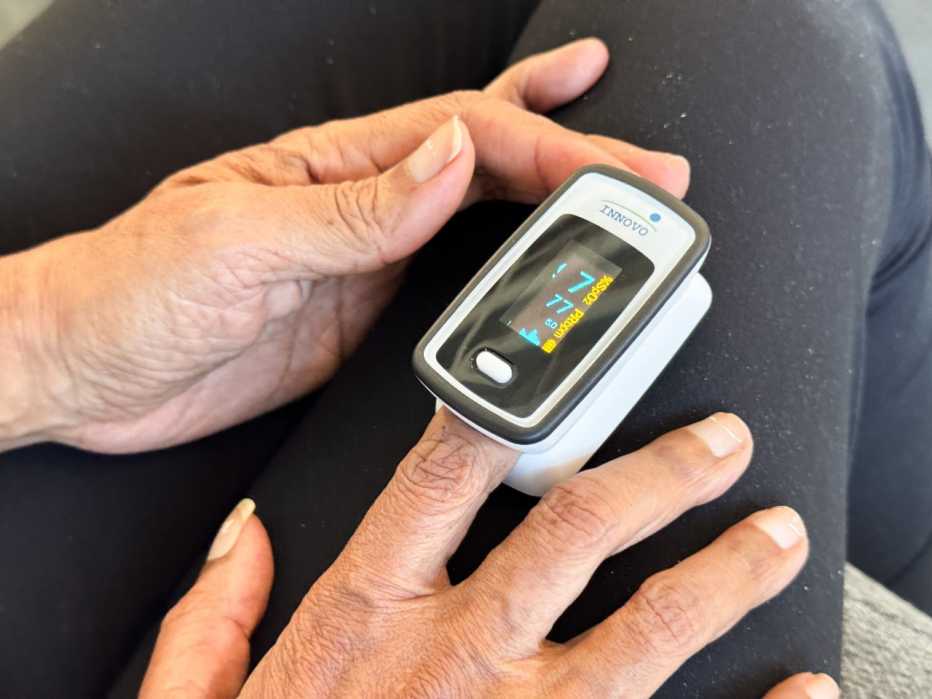
The best medical grade oxygen saturation monitor is the one you can use easily when you feel unwell. Design elements like a multi-directional OLED display make a significant difference. Being able to rotate the screen in four directions means you can read the results from any angle, whether you are checking your own levels or a caregiver is checking them for you. High-contrast OLED screens are also much easier for seniors to read compared to older LED models.
Functional hardware should also include customizable alerts. When choosing pulse oximeters with audible alerts, you ensure that you or your loved ones are immediately notified if levels drop below a certain threshold (usually 90% or 92%). This feature is invaluable for overnight monitoring or for individuals who may not be constantly looking at the screen.
Durability is another factor. A high-quality fingertip probe should have a soft, medical-grade silicone lining that comfortably fits various finger sizes without pinching. Since these devices are often used multiple times a day, check for battery efficiency. Most quality units offer at least 20-24 hours of continuous use, which can last for weeks if you are only taking spot checks a few times a day.
Understanding Accuracy Limitations: Skin Tone and Environment
Even the best home pulse oximeter has limitations. One of the most discussed topics in preventive care today is the accuracy of pulse oximeter on dark skin tones. Because these devices use an infrared sensor to measure how much light is absorbed by the blood, higher levels of skin pigment can lead to melanin interference. This can sometimes result in "occult hypoxemia," where the device displays a normal oxygen level when the actual blood level is dangerously low.
The medical community and the FDA are currently reevaluating finger pulse oximeter selection criteria to account for these discrepancies. If you have a darker skin tone, it is even more important to focus on the trend of your readings rather than a single number. If your baseline is usually 98% and it drops to 94%, even if 94% is technically "normal," that downward trend is a signal to consult a professional.
Other external factors can influence accuracy as well:
- Nail Polish: Darker colors like black, blue, or deep red can block the light signal entirely.
- Movement: Excessive shaking or movement during the reading can disrupt the plethysmograph waveform display.
- Circulation: Conditions like Raynaud’s syndrome or very cold hands can cause a false low reading.
Final Checklist for Selection
Before making your purchase, use this checklist to ensure your device meets the standards for reliable vital sign tracking:
- Check for FDA Clearance: Ensure the product listing or manual explicitly mentions FDA 510(k) clearance.
- Verify Waveform Presence: Look for a device that displays a pleth waveform to confirm signal integrity.
- Confirm Perfusion Index: Ensure the device can tell you if your pulse strength is sufficient.
- Evaluate the Display: Opt for a multi-directional OLED display pulse oximeter for better visibility.
- Review Alert Options: Determine if you need audible alarms for low SpO2 levels.
By following these finger pulse oximeter selection criteria, you can feel confident that the data you provide to your doctor is a true reflection of your health.
FAQ
What is a normal oxygen level on a home pulse oximeter?
For most healthy individuals, a normal oxygen level is typically between 95% and 100%. If you have a chronic lung condition like COPD, your "normal" range might be lower, usually between 88% and 92%, as determined by your healthcare provider.
How accurate are home pulse oximeters?
FDA-cleared devices are generally accurate within a 2% margin of error compared to clinical lab tests. This means if your device reads 96%, your actual saturation is likely between 94% and 98%. Non-cleared "recreational" devices may have much larger margins of error.
Which finger is best for a pulse oximeter reading?
Research suggests that the middle finger of the dominant hand or the thumb usually provides the most consistent and accurate readings. Ensure your hand is warm, relaxed, and held at the level of your heart for the best results.
Can nail polish affect a pulse oximeter reading?
Yes, nail polish—especially dark colors like black, navy, or deep purple—can interfere with the light waves from the infrared sensor. This often leads to an inaccurately low reading or the device failing to display a reading at all. It is best to remove polish from the finger being tested.
What can cause a false low reading on a pulse oximeter?
Common causes of false low readings include cold hands, poor peripheral circulation, excessive movement, and long fingernails. Additionally, melanin interference can sometimes affect readings, making it important to look for a device that accounts for varied skin tones.
When should I be concerned about my pulse oximeter reading?
You should be concerned if your SpO2 percentage consistently falls below 92% or if you see a significant drop from your typical baseline. If you experience shortness of breath, chest pain, or a bluish tint to your lips alongside a low reading, seek emergency medical attention immediately.