Our Top Picks
- Best Overall: Thorne Berberine — Highly respected for its purity and clinical-grade potency, Thorne is the gold standard for those seeking a high-quality berberine brand.
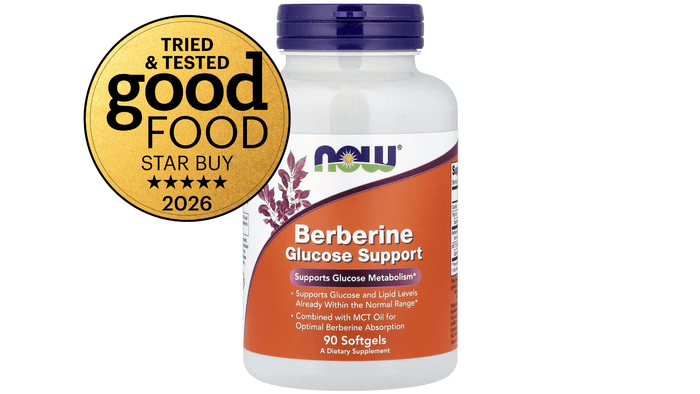
- Best Value: NOW Berberine — Offers a budget-friendly way to access standardized berberine without sacrificing third-party testing or GMP compliance.
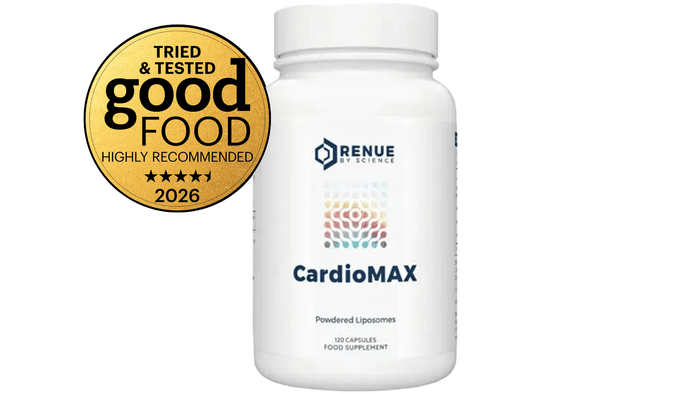
- Best for Absorption: CardioMAX Liposomal Berberine — Utilizes a specialized delivery system to maximize bioavailability for those who struggle with traditional capsules.
Berberine supplements are potent plant-derived compounds that support metabolic health by activating the AMPK pathway. While often called nature's Ozempic, they provide a natural way to enhance insulin sensitivity and support weight management without a prescription.
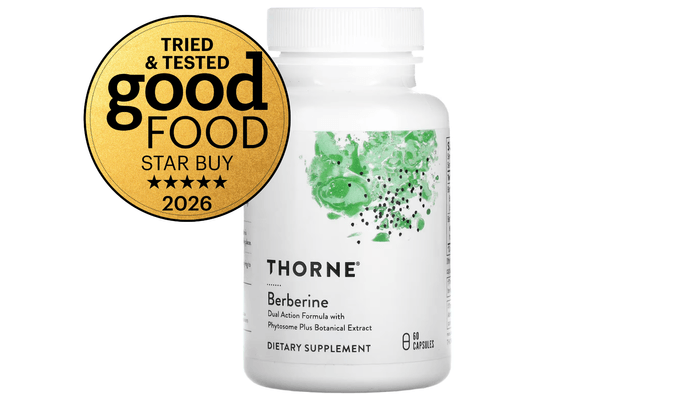
| Product Name | Best For | Absorption Type | Cost per Day (Est.) |
|---|---|---|---|
| Thorne Berberine | Clinical Potency | Berberine HCl | $1.20 |
| NOW Berberine | Value & Purity | Berberine HCl | $0.45 |
| CardioMAX | Maximum Bioavailability | Liposomal | $1.50 |
| Sunergetic | Organic Blend | Standardized Extract | $0.90 |
Is it Really 'Nature's Ozempic'? The Science Explained
The rise of berberine on social media has led many to label it as a natural alternative to GLP-1 medications like Ozempic. While the comparison is catchy, it is important to understand the biological reality. Berberine does influence the GLP-1 pathway, but its primary mechanism is the activation of adenosine monophosphate-activated protein kinase (AMPK). Often called the metabolic master switch, AMPK helps regulate how your body uses energy, effectively mimicking some of the metabolic effects of exercise and calorie restriction.
Despite the viral hype, the results differ significantly from prescription drugs. Clinical research indicates that berberine supplementation typically results in an average weight loss of 2 to 4 kilograms over a 12-week period. In contrast, Ozempic has demonstrated an average weight reduction of 14% to 17% in major clinical trials. While berberine for weight management is effective for many, it is a tool for gradual metabolic optimization rather than rapid weight loss.
Consumer interest is clearly skyrocketing. Sales of berberine supplements increased by 110.6% to more than $12 million in the 52-week period ending May 2024. This surge is largely due to users seeking berberine vs ozempic for natural weight loss alternatives that are more accessible and have fewer long-term gastrointestinal risks than pharmaceutical injections.

Quality Crisis: How to Avoid Fake Berberine
As demand for berberine supplements grows, so does the risk of low-quality or fraudulent products entering the marketplace. When a supplement goes viral, unscrupulous manufacturers often skip testing to meet demand. A recent investigation by NOW Foods highlighted this crisis, finding that several brands sold on major e-commerce platforms contained little to no active ingredient, despite what the label claimed.
To ensure you are getting a legitimate product, you must look for specific quality markers. The best berberine brand reviews prioritize transparency and rigorous testing. Always check for:
- Standardized Extract: Look for labels specifying 97% berberine HCl to ensure the concentration is high enough to be effective.
- Third-party Lab Testing: Reputable brands will have their products tested by independent labs like NSF, USP, or Informed Choice.
- Certificate of Analysis (CoA): A manufacturer should be able to provide a CoA upon request, proving the product was tested for heavy metals and potency.
- GMP Compliant Facility: Ensure the product is made in a facility that follows Good Manufacturing Practices.
FRAUD WARNING: Avoid products that list berberine as part of a proprietary blend without disclosing the exact dosage. If the price seems significantly lower than all competitors, it is a red flag for purity. Laboratory testing has shown that some "cheap" brands contain less than 1% of the stated berberine content.
Liposomal vs. HCl: Maximizing Absorption
One of the biggest hurdles with standard berberine is its poor bioavailability. Naturally, the body only absorbs about 5% of the berberine ingested. This is why many people turn to specialized delivery methods or specific formulations to get better results.
When comparing liposomal berberine vs berberine hcl absorption, the difference lies in how the compound moves through your digestive tract. Berberine HCl is the form used in the majority of clinical studies. It is effective but can require high doses to reach therapeutic levels in the blood. Liposomal delivery systems wrap the berberine molecule in a fat-soluble layer, allowing it to bypass some of the barriers in the gut. Some studies suggest this can increase bioavailability by 25% to 30%.
To maximize the benefits of standard berberine HCl, I always recommend taking it with a meal that contains healthy fats. This supports lipid metabolism and helps the compound pass into your system more efficiently. If you have a sensitive stomach, a high potency berberine hcl might cause discomfort, whereas liposomal versions are often gentler on the digestive lining.
Dosage Guide and Health Benefits
The health benefits of berberine extend far beyond simple weight management. It is a powerful tool for those dealing with metabolic syndrome or PCOS support. By improving insulin sensitivity, berberine helps cells utilize glucose more effectively, which can lead to more stable energy levels throughout the day.
A meta-analysis of randomized controlled trials found that berberine intake reduced body mass index (BMI) by an average of 0.29 to 0.47 kg/m2 when administered at dosages exceeding 1 gram per day for at least eight to twelve weeks.
Finding the right berberine supplement dosage for blood sugar control depends on your specific goals:
- For General Metabolic Health: 500mg to 1,000mg daily, split into two doses.
- For Insulin Resistance or Blood Sugar Support: 1,500mg daily, split into three doses of 500mg each.
- For PCOS Support: 1,500mg daily has been shown in studies to be as effective as some prescription alternatives for improving ovulation and metabolic markers.
The key to success is consistency. Because berberine has a short half-life, taking it three times a day with meals is much more effective than taking one large dose in the morning. This approach keeps your blood levels steady and minimizes the risk of gastrointestinal side effects.
Safety, Side Effects, and Drug Interactions
While berberine is a natural plant extract, it is chemically powerful and must be treated with respect. The most common berberine side effects and safety precautions involve the digestive system. Because berberine has antimicrobial properties, it can alter gut flora balance, leading to temporary cramping, diarrhea, or constipation as your body adjusts.
There are also critical drug interactions to consider. Berberine is a known inhibitor of the CYP3A4 enzyme. This enzyme is responsible for breaking down many common medications. If the enzyme is inhibited, those medications can build up to dangerous levels in your bloodstream.
Be particularly cautious if you are taking:
- Metformin: Combining berberine with other glucose-lowering drugs can cause hypoglycemia.
- Statins: Berberine may increase the concentration of certain cholesterol medications.
- Blood Thinners: It may enhance the effect of drugs like warfarin, increasing the risk of bruising or bleeding.
- Cyclosporine: Berberine can significantly raise levels of this immunosuppressant.
Finally, individuals who are pregnant or breastfeeding should avoid berberine entirely. It has the potential to cross the placenta and may cause a specific type of jaundice called kernicterus in newborns. Always consult with a healthcare professional to determine if berberine is appropriate for your specific health profile.
FAQ
What are the main benefits of taking berberine?
The primary benefits include improved insulin sensitivity, support for healthy blood sugar levels, and enhanced lipid metabolism. It is also valued for its anti-inflammatory properties and its ability to help manage symptoms of metabolic syndrome and polycystic ovary syndrome (PCOS).
Does berberine help with weight loss?
Yes, berberine can support weight loss, though the effects are typically modest. Clinical evidence shows an average loss of 2 to 4 kilograms over three months. It works by activating the AMPK pathway, which helps the body burn fat and use glucose more efficiently.
What is the recommended daily dosage for berberine?
Most clinical studies use a dosage of 1,000mg to 1,500mg per day. It is best to divide this into three separate doses of 500mg, taken shortly before or during a meal to improve absorption and reduce the risk of stomach upset.
What are the side effects of berberine supplements?
The most common side effects are gastrointestinal, including bloating, gas, diarrhea, or constipation. These can usually be managed by starting with a lower dose and gradually increasing it as your body adapts, and by always taking the supplement with food.
Can berberine replace prescription glucose medications?
No, berberine should not be used as a direct replacement for prescription medications like Metformin or insulin without strict medical supervision. While it has similar metabolic effects, the dosing and monitoring requirements for managing conditions like Type 2 diabetes are complex and require professional guidance.