Quick Facts
- Life Expectancy: Users who wear their devices consistently have a 24% lower mortality risk compared to those with untreated hearing loss.
- Fall Prevention: Regular users experience up to 65% lower odds of falling due to improved spatial awareness and balance support.
- Cognitive Health: Effective hearing intervention has been shown to reduce the rate of cognitive decline by 48% in high-risk groups.
- Sensor Accuracy: Ear-based biometrics offer medical-grade data accuracy because of their proximity to the internal carotid artery.
- 2026 Tech Standards: Modern devices now feature integrated Deep Neural Networks and biometric sensors as baseline technology for wellness.
- Primary Use Case: Continuous, real-time health monitoring and emergency notification for proactive aging in place.
Smart hearing aids are advanced wearable medical technology that combines sound amplification with biometric sensors to monitor vital signs and detect falls in real-time. Unlike traditional devices, these smart hearing aids utilize built-in accelerometers and Deep Neural Networks to provide lifesaving emergency alerts and health diagnostics.
Why the Ear is the New Wrist: The Superiority of Hearing-Based Biometrics
For the last decade, the wrist has been the primary real estate for health monitoring features in hearing aids and other consumer electronics. However, for those of us focused on medical-grade longevity, the ear is far superior. This shift toward Healthables recognizes that the ear canal is a more stable environment for vital sign telemetry than the wrist, which is subject to constant motion and light interference.
The skin inside the ear canal is thin and sits extremely close to the internal carotid artery. This proximity allows biometric sensor hearing aids to capture heart rate, oxygen saturation, and even respiratory rate with precision that rivals clinical equipment. Wrist-based trackers often struggle with arm-swinging artifacts, leading to what we call "false steps" or inaccurate heart rate spikes during high-intensity movement.
Beyond simple vitals, the head is the body's natural laboratory for gait analysis and stability. Because the head remains relatively stable compared to the limbs, accelerometers located in smart hearing aids can detect the subtle micro-sways in movement that precede a fall. This level of spatial orientation sensors provides a much clearer picture of systemic health than a device worn on the forearm.
| Metric | Wrist-Worn Trackers | Smart Hearing Aids |
|---|---|---|
| Heart Rate Accuracy | Moderate (subject to motion) | High (proximity to carotid artery) |
| Fall Detection | High false-positive rate | High (monitors head-to-trunk stability) |
| Wear Compliance | Intermittent (often removed for charging) | Consistent (worn 12-16 hours daily) |
| Cognitive Proxy | None | Social engagement & auditory processing |
| Gait Analysis | Low (swing-arm bias) | High (centralized motion sensing) |
Real-Time Safety: Hearing Aid Fall Detection and Emergency Alerts
Falls are the leading cause of injury-related hospitalizations for men over 65. The integration of hearing aid fall detection is perhaps the most significant "lifesaving" development in the field. Using a combination of accelerometer-based sensing and complex algorithms, these devices can distinguish between a user sitting down quickly and an actual gravity-impact event.
When the sensors identify sudden changes in movement that indicate a fall, the device initiates a countdown. If the user does not cancel the alert, the smart hearing aids automatically send an alert to pre-selected emergency contacts through a connected smartphone app. This is not just a text message; it often includes the wearer's real-time GPS coordinates. For a senior living alone, this reduces the "long lie" period—the time spent on the floor before help arrives—which is a major predictor of long-term recovery outcomes.
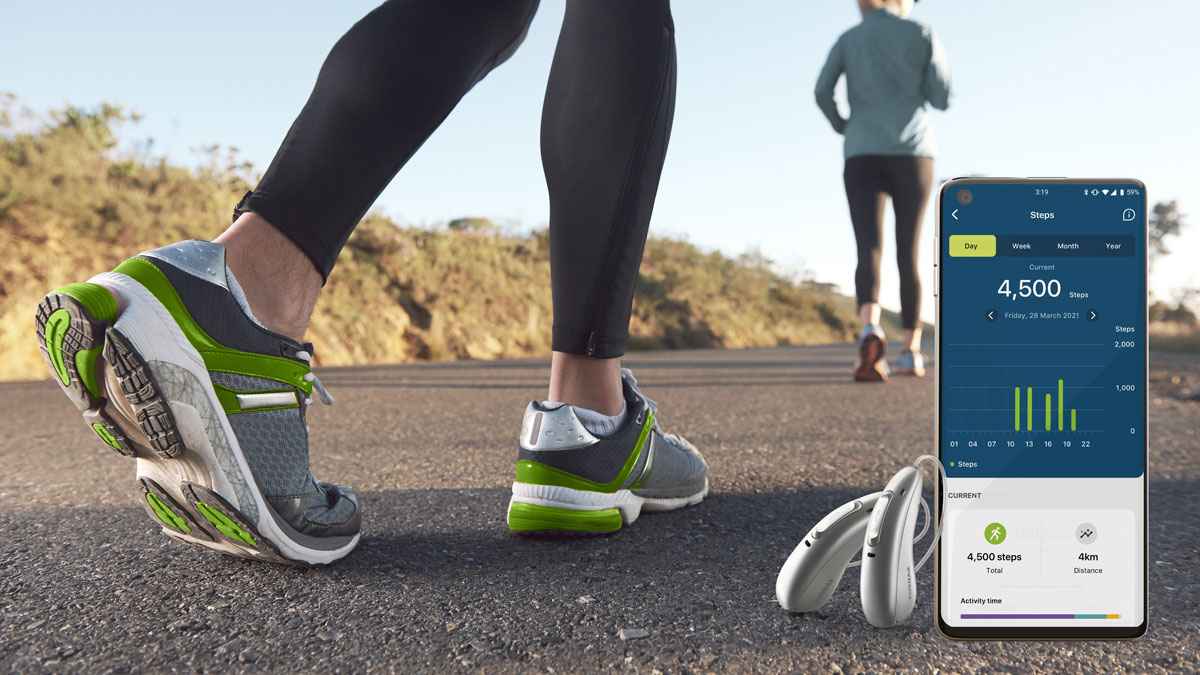
Furthermore, health monitoring features in hearing aids for seniors now include gait analysis and stability tracking. By monitoring how a person walks over time, these devices can identify a decline in balance before a fall even occurs. This allows for preventive care diagnostics, where a physical therapist can intervene early to strengthen the user's core and lower body stability.
The Longevity Connection: Cognitive Health and Systemic Wellness
As an editor focusing on longevity, I look at the data through the lens of long-term clinical outcomes. A landmark study from Keck Medicine of USC found that adults with hearing loss who regularly used hearing aids had a 24% lower risk of mortality compared to those who never wore them. This isn't just because they can hear better; it's because hearing is a fundamental pillar of systemic health.
The link to cognitive health correlation is even more striking. According to the ACHIEVE study published in The Lancet, hearing aids reduced the rate of cognitive decline by 48% over a three-year period in older adults at high risk of dementia. When we lose our hearing, the brain has to work significantly harder to decode sound, a phenomenon known as cognitive load. This redirected energy leaves fewer resources for memory and executive function.
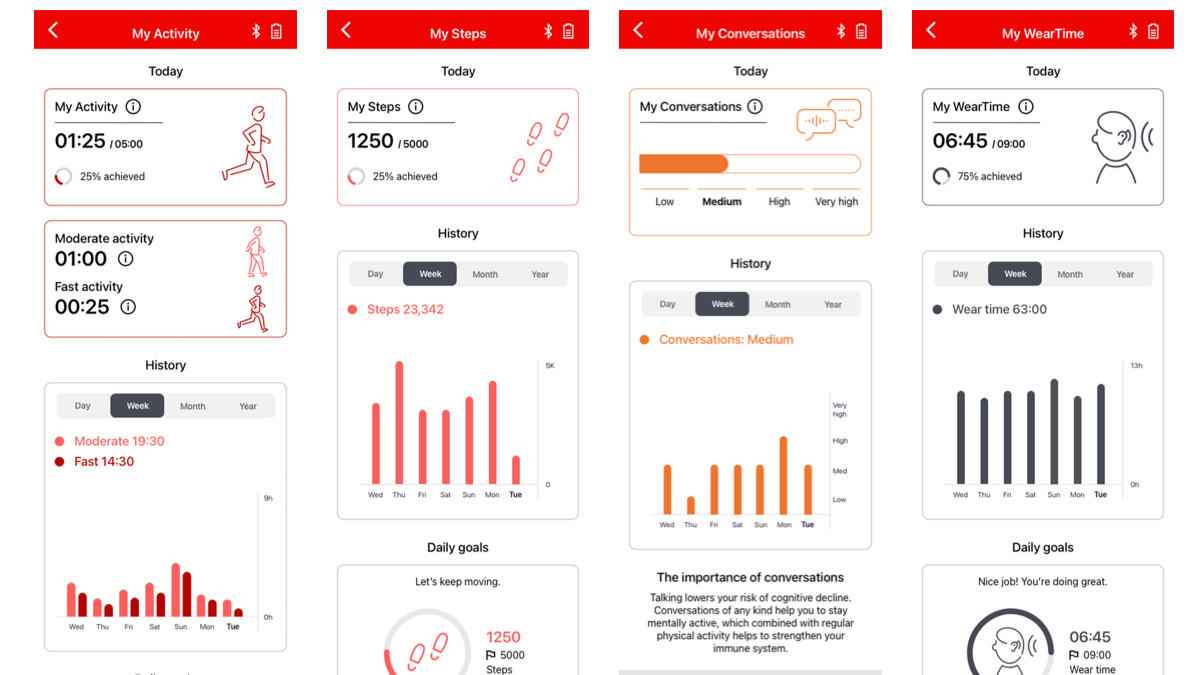
Modern smart hearing aids also function as a proxy for mental health monitoring. By tracking "social engagement"—the number of hours spent in conversation—the devices can alert family members to social isolation, which is a major precursor to depression and cognitive decline. Newer 2026 models are even introducing hearing aids with respiratory rate tracking, providing a window into cardiovascular health and potential sleep apnea issues.
Top Hardware for 2026: Brands Leading the Healthable Revolution
The market has moved past simple amplification. Today’s best prescription hearing aids with biometric sensors are high-performance computers that happen to sit in the ear. If you are looking to upgrade your preventive care toolkit, these are the current industry leaders.
Starkey Omega AI
The Starkey Omega AI is widely considered the gold standard for integrated health. This device utilizes Deep Neural Networks (DNN) to manage complex sound environments while simultaneously running a comprehensive health suite. The starkey omega ai health suite features review highlights its ability to track "Brain Score" and "Body Score," giving users a simplified daily goal for cognitive and physical activity. Its fall detection is among the most reliable in the industry due to its sophisticated spatial orientation sensors.
Phonak Audéo Infinio
Phonak has doubled down on vital sign telemetry. The Audéo Infinio is known for its incredible heart rate accuracy. It integrates seamlessly with the MyPhonak app, allowing for remote health monitoring by medical professionals. For users concerned about cardiovascular health, this device provides a continuous stream of data that can be shared directly with a cardiologist.
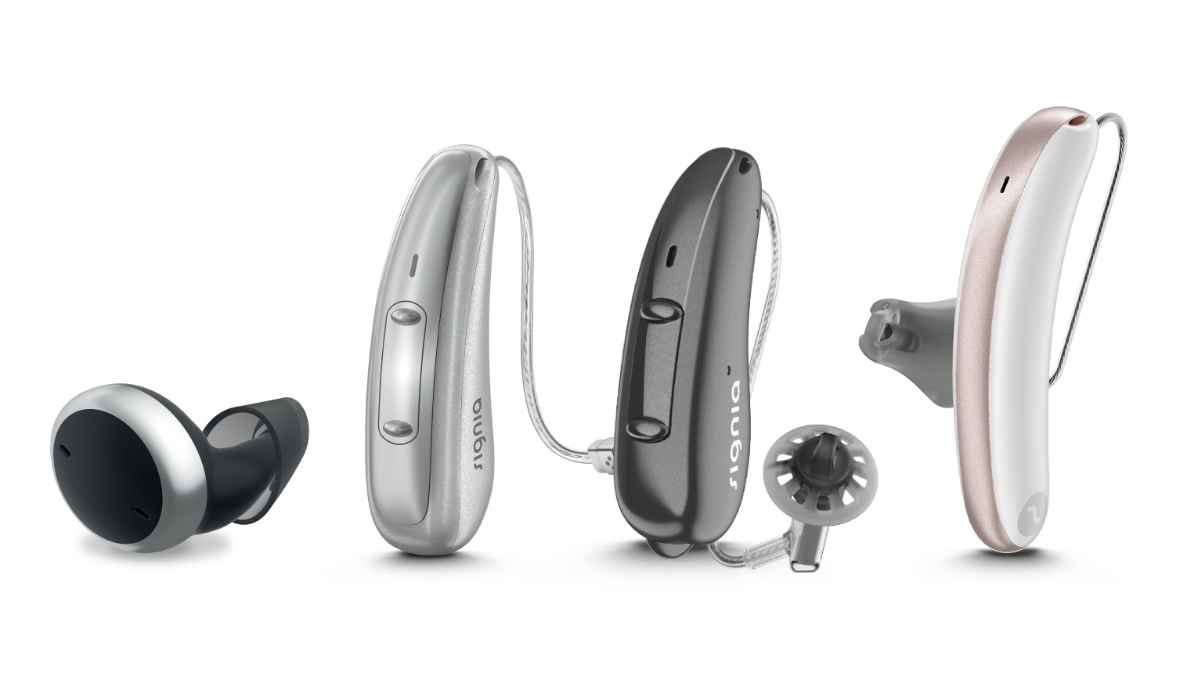
Signia AX
Signia focuses on the "social" side of longevity. Their My Wellbeing platform tracks social engagement and physical movement. The Signia AX family is particularly adept at identifying when a user is in a conversation versus just listening to a TV, providing a more accurate metric for social health.
Hardware Trade-offs:
- Prescription Requirement: All of these leading models require a professional fitting. While over-the-counter (OTC) options exist, they lack the medical-grade biometric accuracy of prescription devices.
- Battery Life: Tracking heart rate and gait in real-time is power-intensive. Most 2026 models provide about 20-30 hours of use, meaning nightly charging is mandatory.
- Price: These are medical devices first. Expect to pay a premium for the integration of DNN and advanced sensors compared to basic sound amplifiers.
FAQ
What are the benefits of smart hearing aids?
Beyond improving your ability to communicate, these devices act as a comprehensive health monitor. They offer fall detection, heart rate monitoring, and gait analysis. More importantly, they help maintain cognitive function and have been linked to a 24% reduction in overall mortality risk.
Can smart hearing aids track health data?
Yes, high-end models now track a wide range of metrics including steps, heart rate, social engagement hours, and respiratory rate. This data is usually synced to a smartphone app where it can be analyzed for long-term trends or shared with healthcare providers for remote monitoring.
How long do the batteries last in smart hearing aids?
Most modern smart hearing aids are rechargeable and last between 20 to 30 hours on a single charge. However, heavy use of features like Bluetooth streaming or continuous heart rate monitoring may reduce this toward the lower end of that range.
Are smart hearing aids better for background noise?
Absolutely. By using Deep Neural Networks, smart devices can identify and suppress background noise more effectively than traditional digital hearing aids. They focus on the speech frequencies of the person you are facing while filtering out the "clatter" of a busy restaurant or wind.
Do smart hearing aids work with both Android and iPhone?
Yes, most current models use Bluetooth LE Audio and the new Auracast standard, making them compatible with both Android and iPhone. This connectivity allows for hands-free calling, music streaming, and the use of safety apps for emergency notifications.