Quick Facts
- Universal Standard: Every major manufacturer follows the same color-to-size mapping for easy identification.
- Yellow (Size 10): The smallest cell, designed for tiny canal devices, typically lasting 3 to 7 days.
- Brown (Size 312): The most popular size in the U.S., balancing a slim profile with a 3 to 10 day lifespan.
- Orange (Size 13): A medium-sized battery often used in behind-the-ear models, providing 6 to 14 days of power.
- Blue (Size 675): The largest and most powerful zinc-air cell, lasting between 9 and 20 days.
- The 5-Minute Rule: Removing the protective pull tab and waiting five minutes before insertion can significantly boost voltage stability.
The industry uses a universal color-coding system to identify zinc-air battery sizes: size 10 is yellow, size 312 is brown, size 13 is orange, and size 675 is blue. These colors are consistently found on both the packaging and the protective pull tabs, helping users quickly select the correct power source for their specific device model regardless of the battery brand. Understanding these hearing aid battery colors and hearing aid battery sizes and colors ensures you never struggle with low power when maintaining your auditory health and cognitive vitality.
Decoding the Universal Hearing Aid Battery Color Coding Standards
Managing hearing health is a cornerstone of longevity. Research consistently shows that addressing hearing loss helps maintain cognitive function and social engagement as we age. However, the technical side of hearing care—specifically the tiny components that keep these devices running—can feel overwhelming. This is where the universal battery color coding for hearing aids becomes an essential tool for every user.
In the past, finding the right replacement part was a matter of trial and error or memorizing obscure model numbers. Today, the medical device industry uses a universal, standardized color-coding system for zinc-air hearing aid batteries. This means whether you buy your power cells in London, New York, or Tokyo, a yellow tab always indicates a size 10 battery.
This zinc air hearing aid battery color system was developed to improve accessibility and safety. Because hearing aids are often used by individuals who may experience age-related changes in vision or dexterity, the high-contrast colors on the protective pull tab and the outer packaging provide an immediate visual cue. These tabs serve a dual purpose: they act as a handle for the small cells and a seal that prevents air from entering the battery before use.
The move toward mercury-free cells has also influenced the market. Most modern manufacturers have transitioned to environmentally friendly compositions without sacrificing the milliampere hours required for high-tech digital processing. When you learn how to choose the right hearing aid battery color, you are essentially learning the language of your device's energy needs. This system ensures that even if you switch brands, the physical dimensions and power output remain compatible with your specific hearing aid model.
Size Breakdown: Size 10 vs. 312 vs. 13 vs. 675
To the untrained eye, two hearing aid batteries might look identical. However, the physical dimensions vary by fractions of a millimeter, which determines how they fit into the battery compartment and how much energy they can store. The following table provides a clear comparison of the four primary sizes found in the market today.
| Color | Size | Typical Lifespan | Device Type |
|---|---|---|---|
| Yellow | 10 | 3–7 Days | Mini Canal (CIC) |
| Brown | 312 | 3–10 Days | In-the-Ear (ITE) / RIC |
| Orange | 13 | 6–14 Days | Behind-the-Ear (BTE) |
| Blue | 675 | 9–20 Days | High-Power BTE / Cochlear |

Understanding the difference between size 10 and 312 hearing aid batteries is particularly important for users of smaller devices. Size 10 is the smallest common size, designed for mini-canal or completely-in-canal (CIC) models. Because of its tiny size, it has the lowest capacity in terms of milliampere hours. Conversely, the size 312 is wider and typically used in larger in-the-ear (ITE) or receiver-in-canal (RIC) devices.
Size 312 batteries, identified by a brown label, are reported to be the most common hearing aid battery size in the United States. Their popularity stems from the fact that they are compatible with the largest variety of device models, offering a balance between a discrete profile and a respectable shelf life.
If you are trying to figure out how to identify hearing aid battery size without packaging, look directly at the battery itself or the discarded tab. If the tab is gone, you can often find the size number embossed on the flat side of the battery, though a hearing aid battery color code chart remains the fastest way to confirm your choice.
The average lifespan for hearing aid batteries varies significantly based on the size and your hearing aid battery life expectancy by color. For example, a blue-tabbed 675 battery is almost double the thickness of a brown-tabbed 312, allowing it to house more zinc and provide power for up to three weeks in some cases.
Maximizing Performance: The Oxygen Activation Process
The chemistry behind these batteries is fascinating and unique to the hearing care world. Unlike the AA or AAA batteries in your remote, which are sealed, hearing aid cells utilize zinc-air technology. This means they rely on oxygen from the surrounding atmosphere to generate electricity.
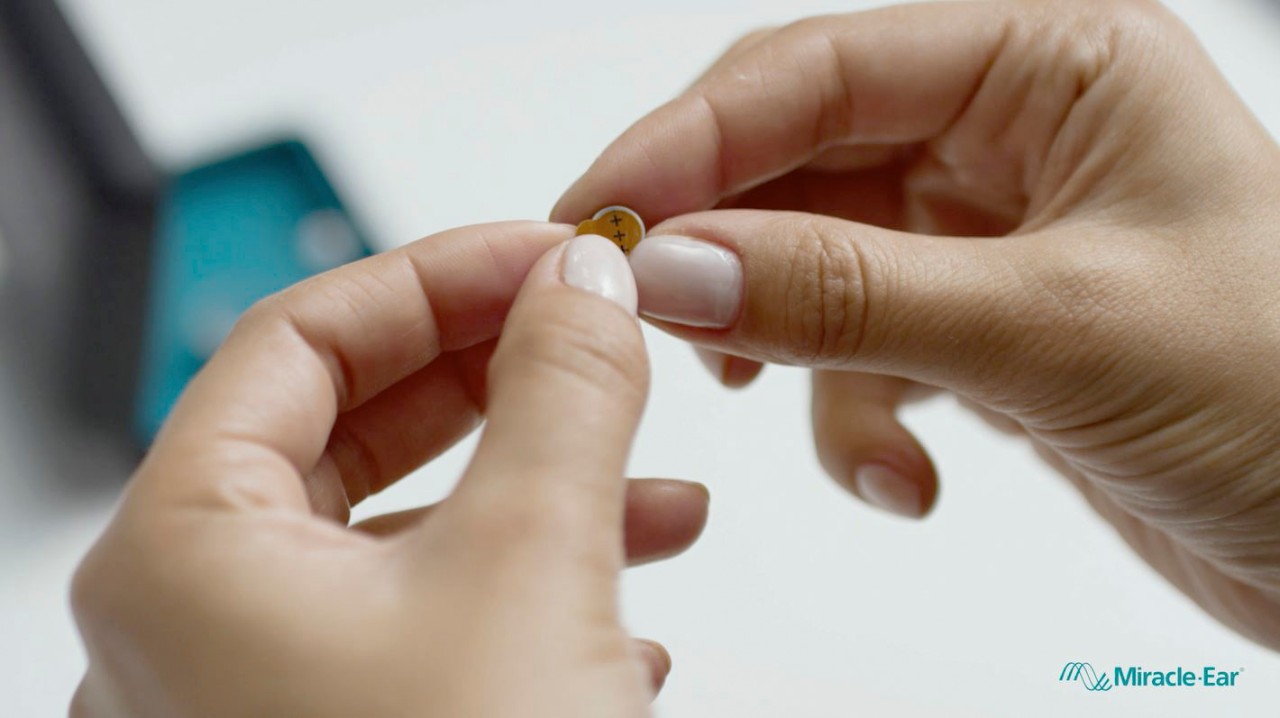
Each battery has tiny holes on the positive side that are covered by the color-coded protective pull tab. When you peel back that yellow, brown, orange, or blue sticker, oxygen enters the cell and begins a chemical reaction with the zinc paste inside. This oxygen activation is not instantaneous.
For many years, the standard advice was to wait one minute before inserting the battery. However, modern research suggests that a longer wait time leads to better voltage stability and overall capacity.
Pro-Tip: The 5-Minute Rule After removing the protective pull tab, place the battery on a flat surface with the holes facing up. Wait exactly five minutes before closing the battery door of your hearing aid. This allows the oxygen to fully permeate the zinc, ensuring the battery reaches its maximum voltage before it begins facing the heavy power consumption of digital sound processing.
Factors like altitude and humidity can also impact how long your battery lasts. High altitudes have less oxygen, which can cause the battery to reach the end of its life sooner. Conversely, extreme humidity can lead to moisture buildup inside the cell, potentially causing battery corrosion. By mastering the activation process, you ensure that your hearing aid battery colors provide the most consistent performance possible.
Best Practices for Battery Storage and Maintenance
To get the most out of your purchase, proper battery storage is just as important as the activation process. Many people mistakenly believe that keeping batteries in the refrigerator extends their life. This is a myth that can actually damage your cells. The cold environment causes condensation, which can lead to premature drainage or leakage.
Instead, store your batteries at room temperature, ideally between 50°F and 77°F. Keep them in a dry place, away from metal objects like coins or keys, which can short-circuit the battery if they come into contact with the surface.
You should also be aware of your device's power consumption. If you notice that your batteries are dying much faster than the typical hearing aid battery life expectancy by color suggests, it might not be a battery issue. High-demand features like Bluetooth streaming and advanced noise cancellation draw significantly more current.
If you experience a sudden drop in power or if your device starts giving low-battery warnings shortly after a fresh change, consult a hearing care professional. They can check your device for internal shorts or excessive current draw that might be wasting your energy supply.
Finally, remember to dispose of your used cells responsibly. While most modern batteries are mercury-free, they still contain metals that should be recycled according to local environmental disposal guidelines. Keeping a small container for spent batteries is an easy way to stay organized while protecting the planet.
FAQ
Are hearing aid battery colors universal across all brands?
Yes, the color-coding system is a global industry standard. Regardless of whether you purchase batteries from a major manufacturer or a private label brand, the colors will always match the sizes: yellow for 10, brown for 312, orange for 13, and blue for 675.
What color is a size 312 hearing aid battery?
A size 312 hearing aid battery is always identified by the color brown. You will see this color on the outer packaging and on the adhesive tab that you peel off to activate the battery.
What color is a size 13 hearing aid battery?
A size 13 hearing aid battery is identified by the color orange. This size is typically used for behind-the-ear devices that require a slightly larger power source than the slim 312 models.
How do I know which color battery my hearing aid uses?
The easiest way is to check the user manual for your specific device or look at the battery door. Most manufacturers will print the required size number or color code inside the battery compartment. If you have an old battery, the color of the tab it came with is your definitive guide.
How long does an orange hearing aid battery typically last?
An orange hearing aid battery, which corresponds to size 13, typically lasts between 6 and 14 days. The exact duration depends on the hours of daily use, the volume level of the device, and whether you are using high-drain features like wireless streaming.