Quick Facts
- Market Trend: The global natural food colors market is expected to grow from USD 2.16 billion in 2023 to USD 5.84 billion by 2035, reflecting a massive shift toward clean label ingredients.
- Top Form: The powder segment dominates the natural food colorants market with a 48.6% share because of its versatility in healthy cooking.
- Regulatory Alert: Manufacturers and home cooks are looking for alternatives as the FDA enforcement of the Red No. 3 ban begins in January 2027.
- Shelf Life: These powders are sensitive to light and air; store them in cool, dark environments to prevent pigment oxidation.
- Best for Vibrancy: For the brightest results, prioritize freeze-dried botanicals like blue spirulina and dragon fruit.
- Stability Tip: Red pigments from radish or hibiscus are more stable and vibrant when used with acidic ingredients like lemon juice.
Plant-based superfood coloring powders are revolutionizing healthy cooking by replacing synthetic dyes with nutrient-dense, vibrant alternatives. These powders offer concentrated pigments and functional benefits without altering recipe textures. Plant-based superfood powders like butterfly pea, moringa, hibiscus, and beetroot are among the most effective options for natural food coloring. Unlike liquid dyes, these powdered forms offer concentrated pigments and functional benefits such as antioxidants and bioactive nutrients. They are highly versatile, allowing for even distribution in both dry and wet ingredients without altering the texture of baked goods.
Why Switch? The Rise of Clean-Label Superfood Coloring Powders
For decades, artificial food dyes were the standard for achieving neon-bright cakes and candies. However, as a nutrition editor, I have watched the landscape change rapidly. We are moving toward a clean label ingredients era where transparency in sourcing is paramount. A major catalyst for this change is the upcoming 2027 FDA ban on Red No. 3, a synthetic dye linked to health concerns. This regulation is pushing the industry toward plant-based food dyes that provide beauty without compromise.
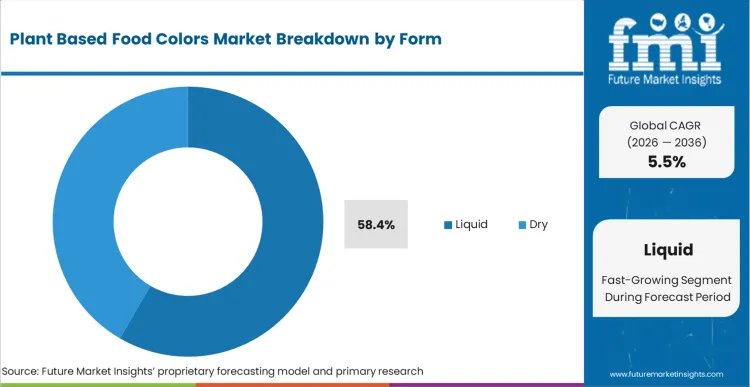
The shift is not just about avoiding "the bad stuff"; it is about adding "the good stuff." When you use superfood coloring powders, you are introducing bioactive nutrients into your meals. For example, the same pigments that turn your frosting a deep purple are often the same antioxidants that support cellular health. Furthermore, powders are winning the market share battle against liquid dyes. Currently, the powder form represents approximately 48.6% of the market share. This is largely because powders provide superior moisture control. In delicate recipes like macarons or thick frostings, adding a liquid dye can break the emulsion or make the batter too runny. Powders offer a way of replacing artificial food coloring with plant-based powder alternatives while maintaining the exact consistency you intended for your culinary creation.
Top Plant-Based Powders by Color and Function
Choosing the right powder depends on the final hue you desire and the nutritional profile you want to boost. Here are the heavy hitters currently available for your kitchen.
Blue and Purple: The Anthocyanin Powerhouses
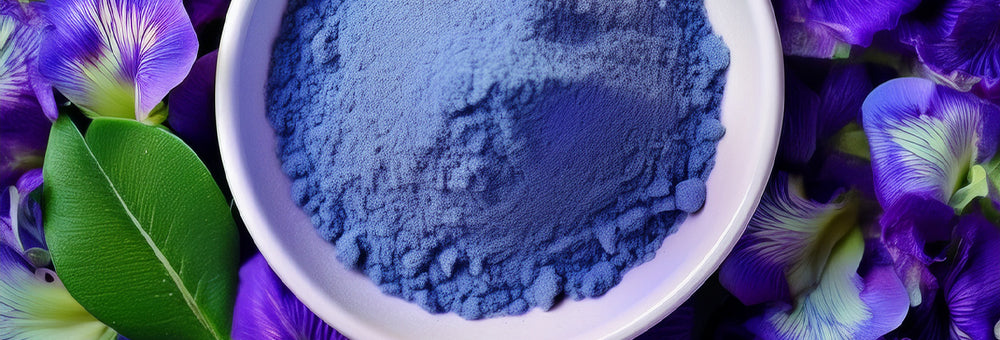
Achieving a true blue in nature is notoriously difficult, but phycocyanin and anthocyanins make it possible. Blue spirulina is perhaps the most famous, derived from blue-green algae. It is highly concentrated and offers a neutral taste compared to its green cousin. If you are looking for butterfly pea powder recipes, you are likely interested in the Southeast Asian flower known for its striking cobalt color. These powders are excellent for making natural blue frosting with butterfly pea powder, especially for themed events.
Red and Pink: Roots and Flowers
Beetroot extract is the gold standard for deep reds and earthy pinks. It is rich in nitrates and stays relatively stable during short baking sessions. For a more "electric" pink, freeze-dried botanicals like dragon fruit (pitaya) are unmatched. While pitaya is stunning, it is heat-sensitive, so it is best used in raw applications. Hibiscus powder provides a tart flavor profile and a sophisticated cranberry-red color, making it one of the best superfood coloring powders for vibrant baking when paired with acidic stabilizers.
Yellow and Orange: Sunshine in a Jar
Turmeric is the most common choice for yellow, thanks to its curcuminoids. However, use it sparingly as the flavor is quite distinct. For a more flavor-neutral orange, look for annatto or carrot powder. These options are often used in vegan confectionery and even artisanal pasta to give that classic golden-yellow hue without the need for egg yolks.
The Science of Vibrancy: Heat, pH, and Texture
One of the biggest technical pain points readers mention is that their natural food coloring turns "swampy" or brown after cooking. This happens because plant pigments are biological entities that react to their environment. To keep your colors bright, you need to understand the relationship between heat-stable pigments and the pH level of your food.
A useful trick I recommend is the 30-second heat rule. If you are making something like a colored glaze or a quick-sear tortilla, try to minimize the time the pigment spends under high heat. For baked goods, increasing the volume of the powder by about 20% can help compensate for the slight fading that occurs in the oven.
Texture is another hurdle. To avoid clumps of color, always whisk your powders into the dry ingredients first before adding any liquids. This ensures the pigment is evenly distributed. Alternatively, you can create a concentrated paste by mixing a teaspoon of the powder with a few drops of water or oil before folding it into your main mixture.
Color vs. pH Stability Matrix
| Color | Source | pH Sensitivity | Best Environment |
|---|---|---|---|
| Blue | Blue Spirulina | Sensitive | Neutral (pH 7) |
| Purple/Blue | Butterfly Pea | High (Shifts to Pink) | Neutral to Alkaline |
| Red/Pink | Beetroot | Low | Slightly Acidic |
| Pink/Red | Hibiscus | High | Acidic (Lemon/Vinegar) |
| Yellow | Turmeric | Low | Any |
Culinary Applications: From Smoothie Bowls to Tortillas
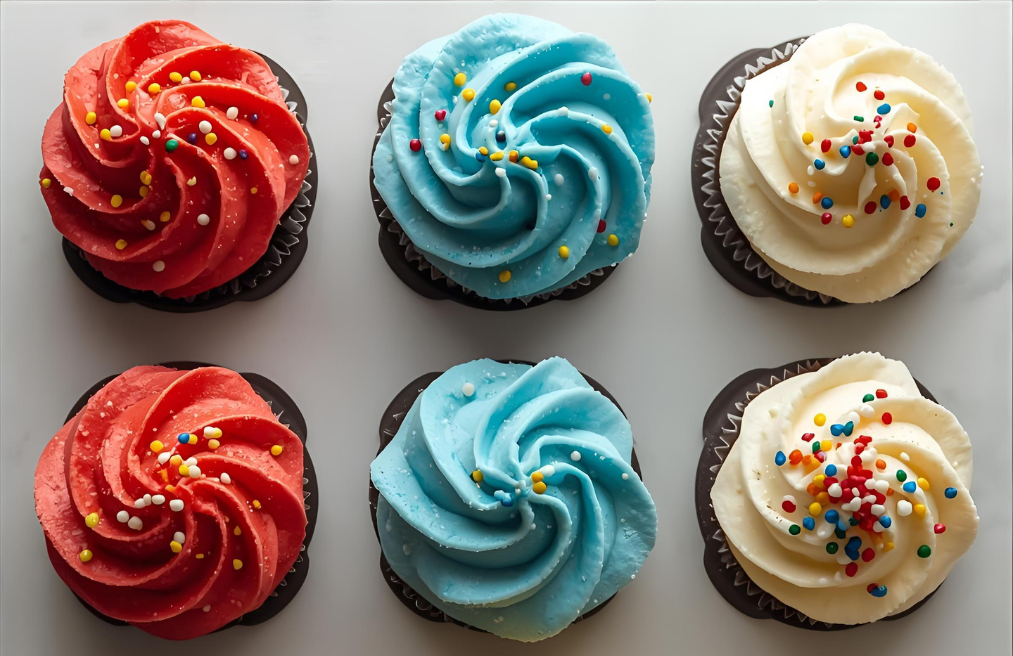
Once you have your kit of powders, the possibilities are endless. For those focusing on plant-based food dyes for healthy kids birthday cakes, you can create a rainbow of frostings without the sugar crash or hyperactivity sometimes associated with synthetic dyes. By layering different concentrations of a single powder, you can even achieve a professional-looking gradient effect.
When you are wondering how to color homemade tortillas with herbal superfood powders, consider the savory profile. Using moringa and hibiscus powders as natural food coloring works beautifully here. Moringa adds a grassy, matcha-like green and a boost of iron, while hibiscus can turn your tortillas a festive pink. For the best results with tortillas, add the powder to your flour or masa harina before adding warm water.
For dessert lovers, tips for achieving bright colors with natural food dye powders often involve "cold-process" recipes. Smoothie bowls, raw cheesecakes, and overnight oats are the perfect canvases because they require no heat, allowing the pigments like phycocyanin to remain in their most vivid state.
FAQ
What is natural food coloring made from?
Natural food coloring is derived from edible plants, fruits, vegetables, and minerals. Common sources include roots like beetroot and turmeric, flowers like hibiscus and butterfly pea, and even algae like spirulina. These sources are often freeze-dried and ground into a fine powder to preserve their color and nutritional integrity.
Does natural food coloring change the taste of food?
Because these powders are concentrated versions of whole foods, they can sometimes carry a subtle flavor. Beetroot might add a slight earthiness, and turmeric can be peppery. However, when used in the small amounts required for coloring, the taste is usually negligible. Blue spirulina and dragon fruit are particularly popular because they are almost entirely flavor-neutral.
Is natural food coloring safer than artificial dyes?
From a nutritional perspective, natural dyes are generally considered safer because they lack the synthetic chemicals found in petroleum-based dyes. Many plant dyes also offer adaptogenic herbs properties and antioxidants. However, it is always important to check for allergies, especially with sources like spirulina or specific flowers.
How do you get vibrant colors with natural food dye?
The secret to vibrancy lies in the concentration and the temperature. Use freeze-dried powders for the highest pigment density. For the brightest blues and pinks, avoid high heat when possible. If you must bake, try using slightly more powder than the recipe calls for to account for the "fade" factor.
What are the disadvantages of natural food coloring?
The main challenges are heat sensitivity and cost. Natural powders are often more expensive than synthetic drops because the extraction process is more complex. Additionally, some colors may shift depending on the acidity of your recipe—for example, butterfly pea will turn from blue to purple if you add lemon juice.
A New Way to Color Your World
Transitioning to natural food coloring is more than just a culinary trend; it is a step toward a more intentional and health-conscious kitchen. By using these plant-based powders, you are not just decorating your food; you are enriching it with the best that nature has to offer. Whether you are whipping up a vibrant blue smoothie bowl or preparing a batch of pink tortillas, these powders provide a creative and clean way to eat the rainbow.
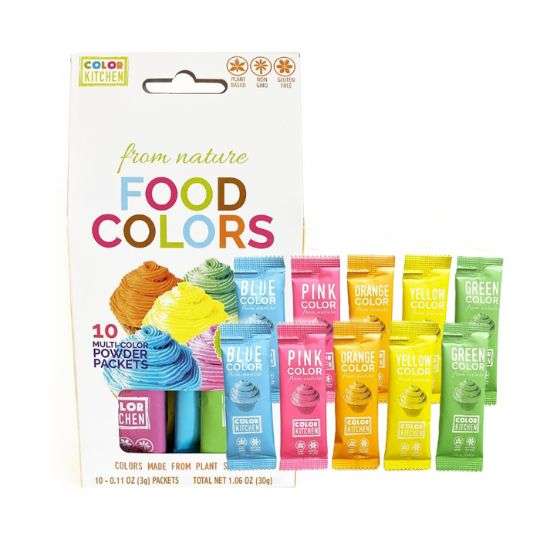
As the market continues to expand and more innovative freeze-dried botanicals become available, there has never been a better time to experiment. Start small with a basic set and soon you will find yourself reaching for beetroot and spirulina instead of those little plastic squeeze bottles.