Quick Facts
- Status: The first FDA-cleared over-the-counter glucose biosensor.
- Wear Time: Each individual sensor offers a 15-day sensor life.
- Warm-up: Features a rapid 30-minute initial period before data begins.
- Target: Specifically for adults 18+ with Type 2 diabetes (non-insulin) or prediabetes.
- Accessibility: Available for buying Dexcom Stelo OTC at pharmacies and is HSA/FSA eligible.
- Technology: Built on the proven Dexcom G7 hardware platform but with lifestyle-focused software.
The Dexcom Stelo CGM is the first FDA-cleared over-the-counter glucose biosensor designed for adults with type 2 diabetes who do not use insulin. This innovative system provides real-time glucose data directly to a smartphone app without a prescription, allowing users to monitor metabolic health and understand how dietary choices impact their bodies. By offering a clear window into how the body processes sugar, it serves as a foundational tool for anyone looking into over-the-counter glucose monitoring for adults to improve their long-term wellness.
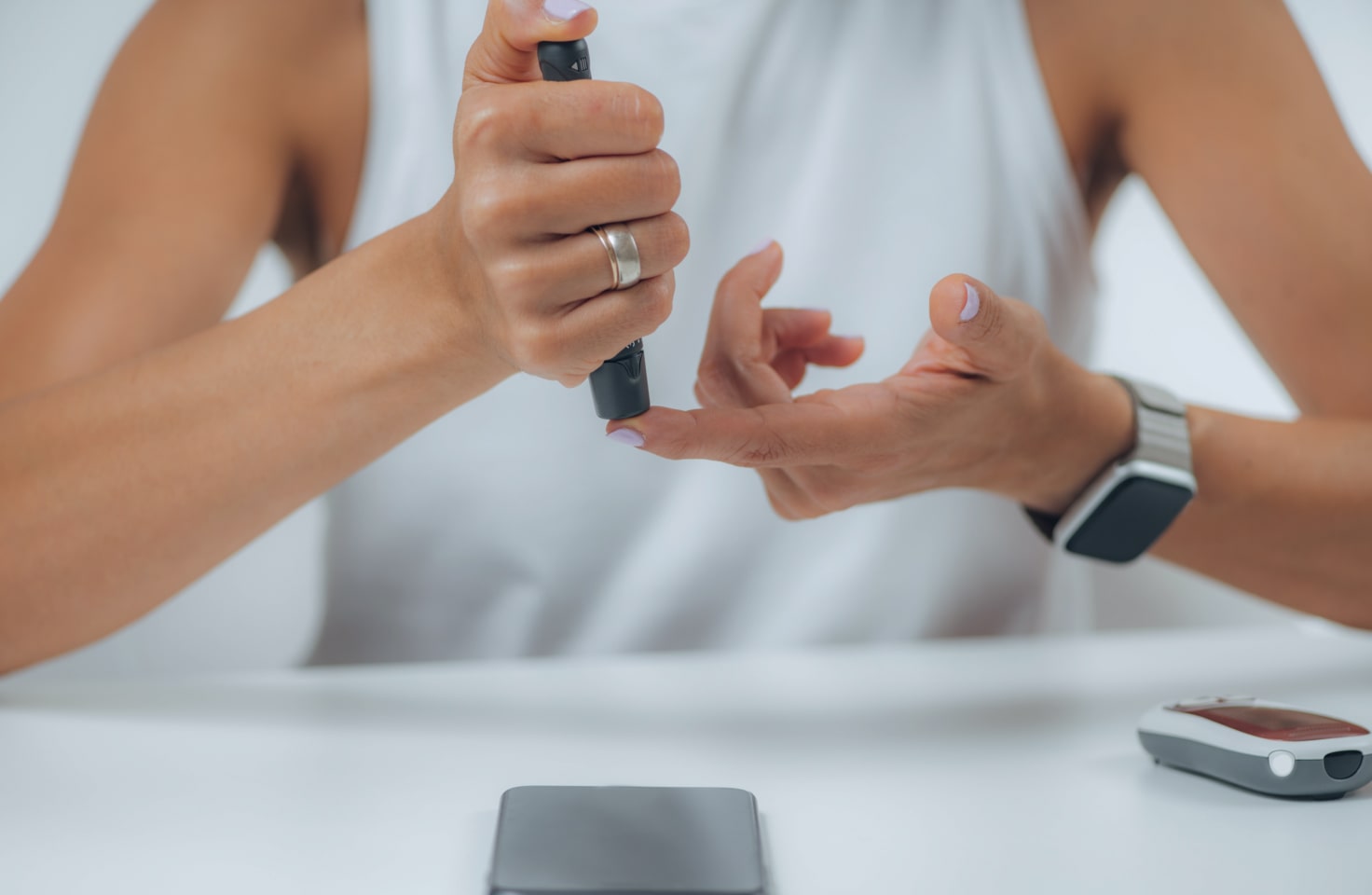
For years, I have spoken with readers who feel like they are navigating their metabolic health in the dark. Traditional blood sugar testing, often called the finger-prick method, is like taking a single Polaroid photo. You see where you are at that exact second, but you miss the story of how you got there. Continuous glucose monitoring, or CGM, is more like watching a movie. It shows the rises, the falls, and the steady plateaus, giving you the full narrative of your health. On March 5, 2024, the U.S. Food and Drug Administration cleared Dexcom Stelo, making this "movie" accessible to millions of people for the first time without needing a doctor’s note.
Dexcom Stelo vs G7: Choosing the Right Biosensor
If you follow health tech, you might notice that the Dexcom Stelo looks remarkably like its sibling, the Dexcom G7. While they share the same sleek hardware and high accuracy, they are designed for very different lifestyles. The G7 is a medical tool for people who need to make immediate, life-saving decisions about insulin. Because of this, it includes loud alarms for low blood sugar, which are essential for safety but can be overwhelming for someone not at risk for sudden hypoglycemia.
The Dexcom Stelo for non-insulin type 2 diabetes removes these medical alerts to focus on long-term trends. It is optimized for the 25 million people in the United States with Type 2 diabetes who manage their condition through diet, exercise, and oral medications. One of the most significant upgrades is the wear time. While the G7 is a 10-day sensor, each Stelo sensor is designed to be worn for up to 15 days, meaning you only need to change it twice a month.
| Feature | Dexcom Stelo | Dexcom G7 |
|---|---|---|
| Prescription Required | No | Yes |
| Target User | Non-insulin users | Insulin users (T1 and T2) |
| Sensor Wear Time | 15 days | 10 days |
| Hypoglycemia Alerts | Not included | Included |
| Accuracy (MARD) | ~8.2% | ~8.2% |
| Warm-up Time | 30 minutes | 30 minutes |
When evaluating Dexcom Stelo vs G7 for type 2 users, the decision usually comes down to your treatment plan. If you are focused on lifestyle changes and do not have to worry about dangerous lows caused by insulin, the Stelo provides a more streamlined, less intrusive experience. It measures glucose via interstitial fluid—the fluid surrounding your cells—providing a highly accurate picture of your glycemic variability throughout the day.
Interpreting Blood Sugar Trends for Lifestyle Changes
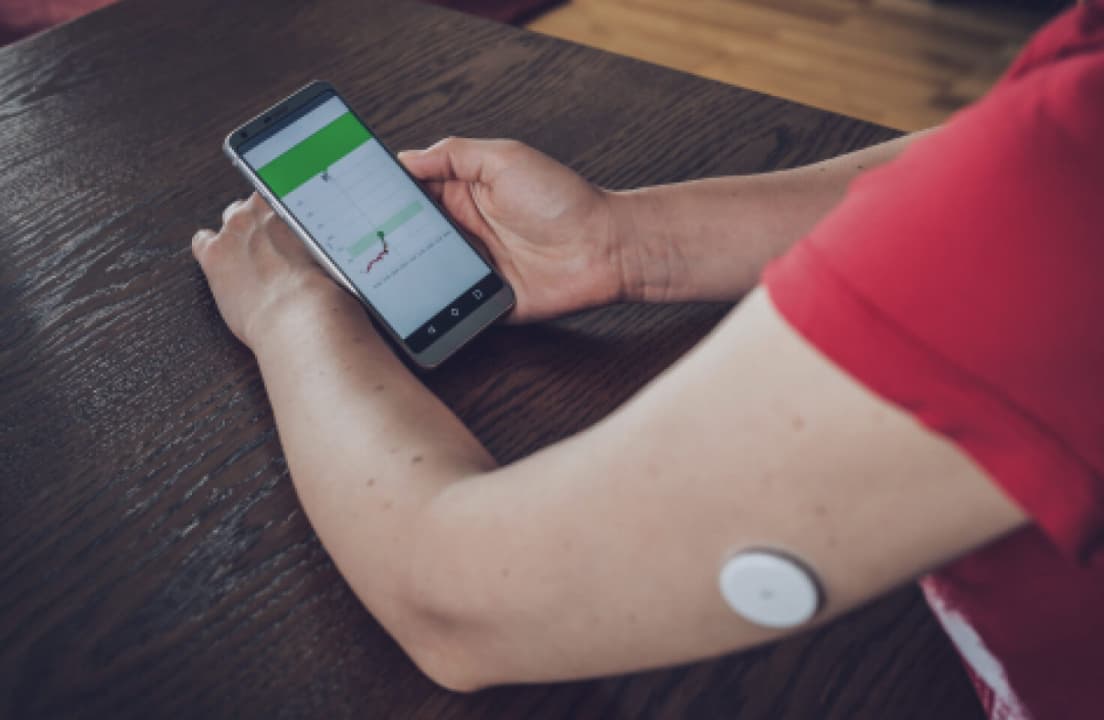
Having data is one thing; knowing what to do with it is another. The Stelo app is designed to help you with interpreting blood sugar trends for lifestyle changes by highlighting two main metrics: Time in Range (TIR) and postprandial peaks. TIR is the percentage of time your glucose stays within a healthy target zone. Think of it as a scoreboard for your metabolic health; the higher the percentage, the better your body is at maintaining balance.
When you start using the Dexcom Stelo CGM, I recommend looking for patterns rather than obsessing over every single number. For instance, how to interpret Dexcom Stelo glucose spikes usually involves looking back at what you ate or did 30 to 90 minutes prior. Did that "healthy" morning smoothie cause a massive surge? Did a 10-minute walk after dinner help bring your levels back down faster? This immediate feedback loop is what makes wearable health technology so transformative. It turns abstract advice into a personal roadmap.
Lily’s Tip: Don’t be discouraged by a spike. Use it as a data point. If a certain meal causes a high peak, try "clothing" your carbs next time by adding fiber, protein, or healthy fats to see how it changes the curve.
Managing Insulin Resistance with Real-Time Data
One of the most powerful uses for this device is managing insulin resistance with real-time glucose data. Insulin resistance is often a silent process where your cells stop responding efficiently to insulin, leading to higher blood sugar and, eventually, prediabetes. By using the Stelo, you can engage in what I call "Food Experiments."
Try eating white bread one day and whole grain bread the next. You might be surprised to find that your body reacts differently than the "standard" advice suggests. This level of personalized nutrition is the heart of biohacking for longevity. Beyond food, the Stelo reveals how other pillars of health interact:
- Sleep: A poor night’s sleep often leads to higher baseline glucose the next day because of increased cortisol.
- Exercise: You might notice a temporary spike during high-intensity strength training, followed by improved metabolic flexibility and lower levels for the next 24 hours.
- Stress: Notice how a stressful work meeting can cause your glucose to rise even if you haven't eaten a thing.
Using Dexcom Stelo for managing insulin resistance allows you to catch these trends early. If you can see how your habits are pushing you toward or away from the prediabetes threshold, you have the power to make sustainable changes before a chronic condition takes hold. Many users find that using Dexcom Stelo to track dietary impacts helps them realize that small, consistent shifts—like a savory breakfast instead of a sweet one—make the biggest difference in their energy levels and long-term health.

Setup, App Integration, and Daily Maintenance
Getting started with over-the-counter glucose monitoring for adults is designed to be a friction-free experience. The sensor application is virtually painless and takes less than a minute. Here is a simple guide to getting your first sensor running:
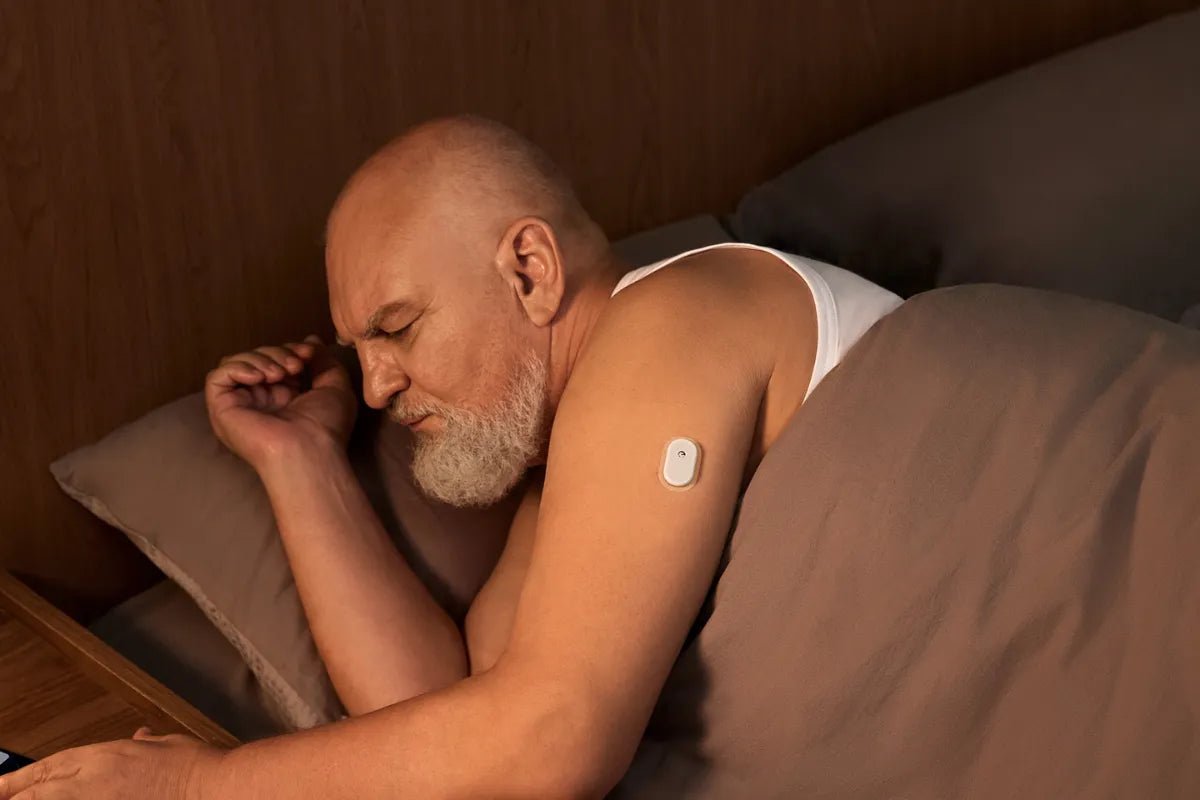
- Prepare the Site: Choose a spot on the back of your upper arm. Clean the area with an alcohol wipe and let it dry completely to ensure the adhesive sensor patch sticks well.
- Apply the Sensor: Use the clear applicator to press the sensor onto your arm. You will hear a click, and the tiny biosensor will be placed just under the skin.
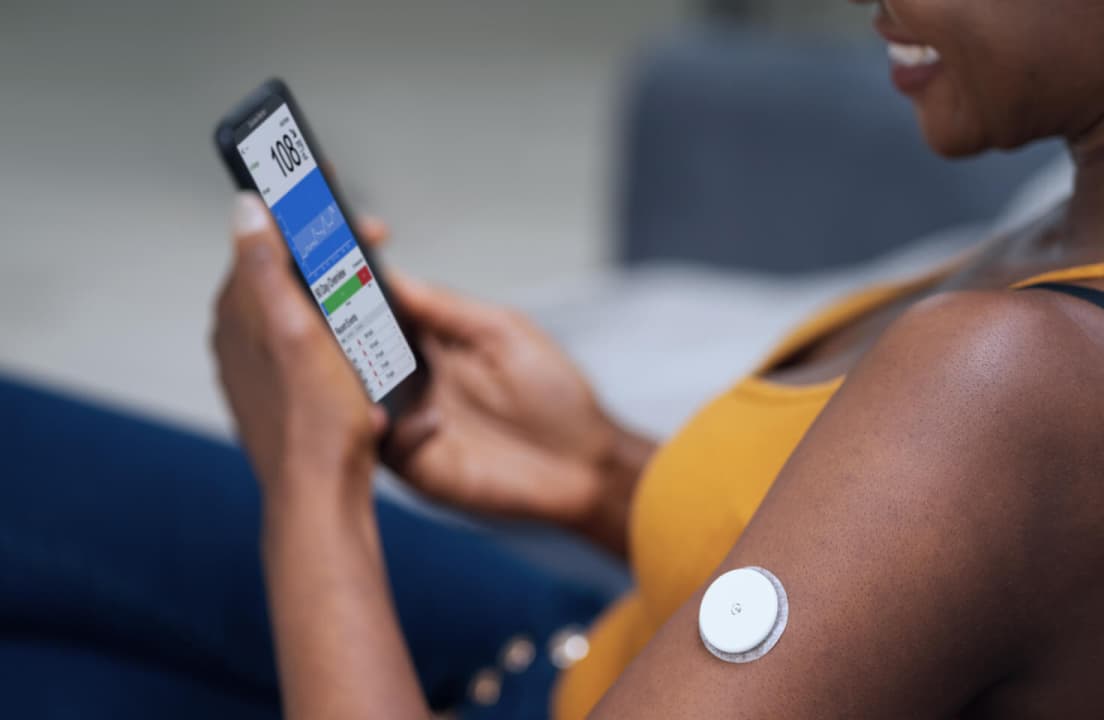
- Connect to the App: Open the Stelo app on your smartphone. The system uses Bluetooth connectivity to send data every few minutes.
- Warm-up: Wait 30 minutes. During this time, the sensor is calibrating to your body. No finger sticks are required as the system is calibration-free.
The hardware is remarkably durable. It has a waterproof rating that allows it to be submerged in up to 8 feet of water for 24 hours, so you don't need to worry about showering, swimming, or sweaty workouts. To ensure the sensor lasts the full 15 days, avoid applying lotions or oils near the site before application. If you have an active lifestyle, you might consider using an additional adhesive "overpatch" to keep everything secure during heavy movement.

FAQ
What is the Dexcom Stelo CGM?
It is a wearable biosensor that tracks your glucose levels 24/7 and sends the data to a smartphone app. It is the first continuous glucose monitor available without a prescription in the United States, specifically designed for non-insulin users to help them understand their metabolic health.
Do you need a prescription for Dexcom Stelo?
No, you do not need a prescription. It is an over-the-counter device that can be purchased directly from the manufacturer or at various pharmacies. This makes it much more accessible for those with prediabetes or type 2 diabetes managed by lifestyle.
How is Dexcom Stelo different from Dexcom G7?
While both use the same accurate sensor technology, the Stelo is designed for 15 days of wear compared to the G7's 10 days. The Stelo app also removes the hypoglycemia alerts that are necessary for insulin users but often unnecessary for those managing their health through diet and exercise.
How much does the Dexcom Stelo cost?
Pricing can vary based on whether you choose a subscription or a one-time purchase, but it is generally positioned to be an affordable out-of-pocket option. Since it is an OTC device, it is often not covered by traditional insurance, but it is fully HSA/FSA eligible.
Who is the Dexcom Stelo intended for?
It is intended for adults 18 years and older who have Type 2 diabetes and do not use insulin, as well as those with prediabetes or anyone interested in tracking how their lifestyle affects their blood sugar levels. It is not intended for people with Type 1 diabetes.
How long does a Dexcom Stelo sensor last?
Each individual sensor is designed for up to 15 days of continuous wear. After 15 days, the app will notify you to replace the sensor with a new one to maintain data accuracy and skin health.
Start Your Metabolic Health Journey
Taking control of your health shouldn't feel like a guessing game. The introduction of the Dexcom Stelo CGM marks a shift toward a more proactive, data-driven approach to wellness. By seeing the invisible processes inside your body, you can stop following generic advice and start listening to what your own biology is telling you.
Whether your goal is reversing prediabetes, improving your energy, or simply understanding the connection between your kitchen and your mood, this tool provides the clarity needed for lasting change. Achieving metabolic flexibility—the ability for your body to switch efficiently between burning carbs and fats—is a journey, and having a real-time guide makes that journey much easier to navigate.