Our Top Picks
Dexcom Stelo is the premier choice for health-conscious adults and non-insulin-using type 2 diabetics seeking clear visibility into their blood sugar. It combines medical-grade accuracy with a consumer-friendly interface, removing the friction of a doctor visit. For anyone focused on longevity and metabolic fitness, this is the most effective tool to bridge the gap between nutrition and physiological reality.
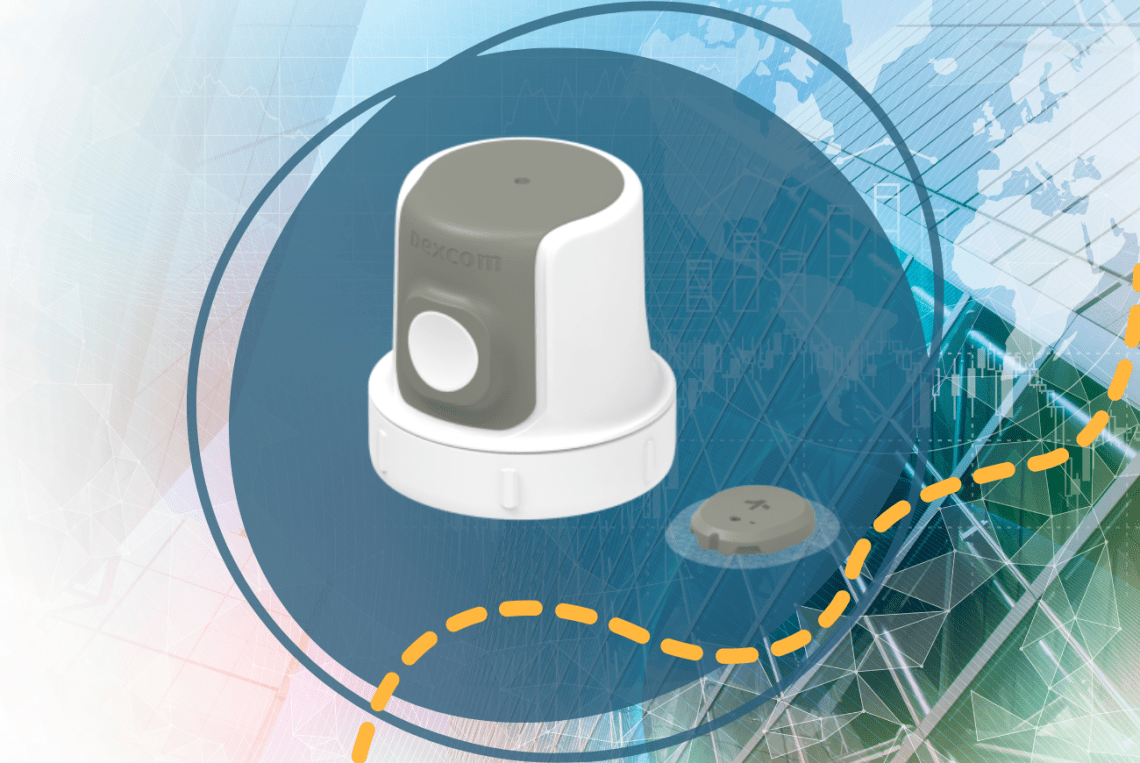
Dexcom Stelo is the first FDA-cleared over-the-counter continuous glucose monitor designed for adults 18 and older who do not use insulin. It provides real-time glucose data to help users with prediabetes or type 2 diabetes understand how lifestyle choices like diet and exercise impact their metabolic health. The system includes a wearable biosensor that transmits data to a smartphone app every 15 minutes without requiring a prescription.
The New Frontier of Metabolic Fitness
For years, I have advocated for the democratization of health data. We track our steps, our sleep stages, and our heart rate variability, yet the most critical metric for long-term vitality—our blood sugar—has largely remained locked behind a prescription pad. That changed when the Dexcom Stelo Glucose Biosensor System became the first over-the-counter continuous glucose monitor to receive FDA clearance on March 5, 2024, specifically for adults who do not use insulin.
Metabolic health is the foundation of longevity. When your blood sugar swings wildly, it triggers oxidative stress and inflammation, two of the primary drivers of cellular aging. The value of Dexcom Stelo is not just in the numbers it produces, but in the biofeedback it provides. It allows you to see the immediate impact of a high-carb meal or a stressful afternoon, giving you the agency to make lifestyle interventions before minor fluctuations turn into chronic disease.
By providing metabolic health tracking benefits in a way that is accessible to the general public, this device moves us away from reactive medicine and toward a model of preventive wellness. You no longer have to wonder if that "healthy" granola is spiking your levels; you can see it on your phone in real-time.
Who Is It For? Audience and Eligibility
The target market for Dexcom Stelo is significant, with an estimated 25 million Americans with type 2 diabetes not using insulin who could benefit from this technology. However, its utility extends far beyond that group. If you are among the millions of adults currently classified as prediabetic, or if you are a wellness enthusiast interested in biohacking your performance, this sensor is built for you.
The primary goal for these users is to minimize glucose variability. High variability—the "spike and crash" cycle—leads to brain fog, fatigue, and increased insulin resistance. By using this over-the-counter continuous glucose monitor, you can identify which foods trigger your unique system. We all process carbohydrates differently; what causes a spike for one person might be perfectly fine for another. This level of personalized nutrition is only possible with continuous data.
Who Should Not Use Stelo
While Dexcom Stelo is a breakthrough in accessibility, it is not for everyone. It is specifically cleared for adults 18 and older. It is not intended for people with type 1 diabetes, those who use insulin, or individuals with problematic hypoglycemia. Because it does not feature immediate low-glucose alerts, it is not a life-saving tool for those at risk of severe hypoglycemic events. Pregnant women should also consult their physicians, as glucose needs change during pregnancy and require specialized monitoring.
For the average adult looking to optimize their metabolic fitness, buying dexcom stelo otc without a prescription is the simplest way to gain a competitive edge over the aging process.
Technical Performance: Clinical Accuracy and Wearability
When evaluating consumer biotechnology, I look for two things: accuracy and adherence. If a device is inaccurate, the data is useless. If it is uncomfortable, you won't wear it. Dexcom Stelo excels in both categories. It features a Mean Absolute Relative Difference (MARD) of 8.3%, which is a gold standard for accuracy in the CGM world. This ensures that the real-time biofeedback you receive is clinically reliable.
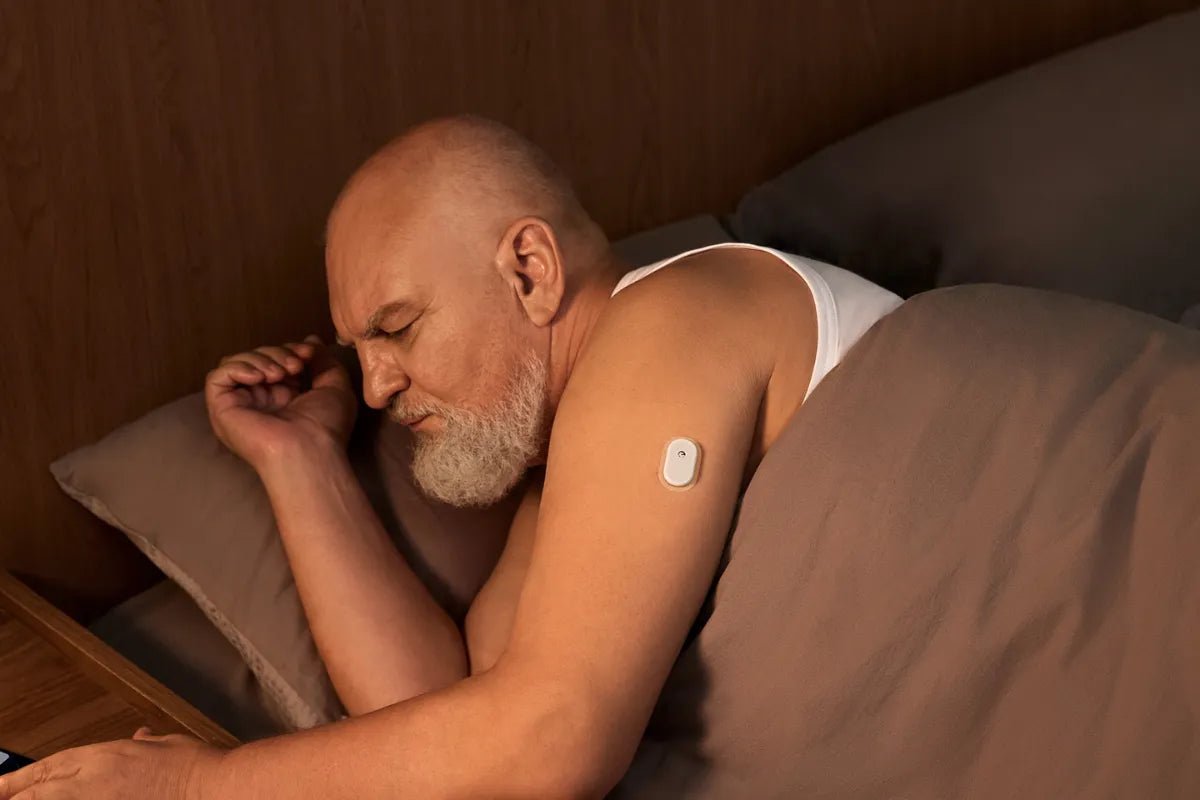
The physical design is borrowed from the successful Dexcom G7, but optimized for a different user. The sensor is roughly the size of three stacked quarters and sits discreetly on the back of your arm. One of the standout non-prescription CGM features is the 15-day wear time, which is longer than many prescription-only sensors on the market.
| Feature | Specification |
|---|---|
| Sensor Wear Time | Up to 15 days |
| Warmup Period | 30 minutes |
| Data Frequency | Every 15 minutes |
| Waterproof Rating | IP68 (Up to 8 feet for 24 hours) |
| Compatibility | iOS and Android |
| Measurement Method | Interstitial fluid glucose |
The dexcom stelo battery life and 15-day wear time make it a "set it and forget it" device. You apply it once, and for two weeks, you have a continuous stream of data. The application process is virtually painless, using a one-touch applicator that inserts a tiny, hair-like filament just under the skin into the interstitial fluid.
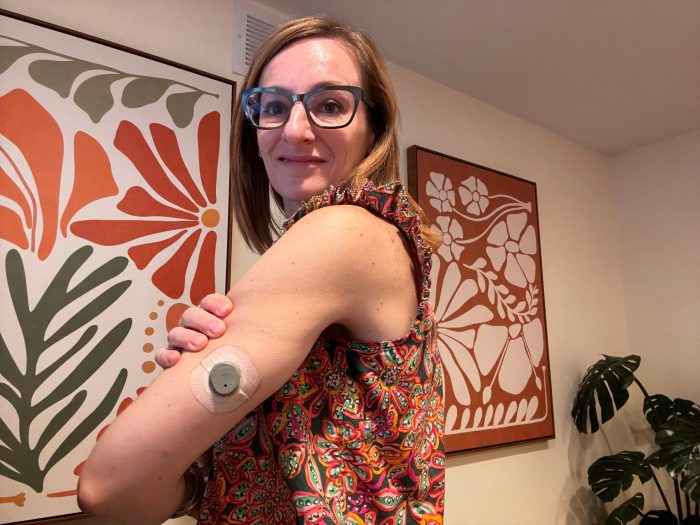
Regarding dexcom stelo sensor warmup time and application tips, the process is streamlined. Once applied, there is a 30-minute period before the first reading appears on your smartphone. To ensure the best adhesion, I recommend applying the sensor to clean, dry skin on the back of the upper arm, avoiding areas with excessive hair or scar tissue. The high waterproof rating means you can continue your swimming laps or heavy sauna sessions without worrying about the device failing.
The Stelo App: Turning Data into Lifestyle Interventions
The hardware is impressive, but the software is where the magic happens for longevity. Unlike the medical apps used for insulin management, the Stelo app is designed for behavior modification. It doesn't bombard you with alarms; instead, it focuses on trends. It helps you visualize your "time in range" and highlights when your glucose levels spike above your baseline.
One of the best metabolic health tracking benefits with dexcom stelo biosensor is the spike detection. When the app detects a significant rise in blood sugar, it may prompt you to take a 10-minute walk. Research consistently shows that light post-meal activity can significantly blunt a glucose spike, reducing the insulin load on your pancreas and protecting your vascular health.
Pros and Cons of the Stelo App
- Pros:
- Clean, intuitive interface focused on lifestyle trends rather than medical jargon.
- Easy logging of meals and exercise to see direct correlations.
- Clear "target range" visuals to keep you motivated.
- No "alarm fatigue" from constant medical alerts.
- Cons:
- Data is updated every 15 minutes, rather than every 5 minutes like prescription models.
- Lack of hypoglycemia (low blood sugar) alerts may be a drawback for some.
- No integration with third-party insulin pumps (by design).
When considering dexcom stelo vs g7 for non-insulin users, the choice usually comes down to the user experience. The G7 is a medical tool designed to prevent emergencies; Stelo is a wellness tool designed to optimize daily choices. For the health enthusiast, the Stelo app is much more useful because it prioritizes the "why" behind your numbers. It helps you see how specific choices, like choosing barley over white rice, can improve your metabolic fitness.

The app acts as a digital health coach. It doesn't just tell you that your sugar is high; it teaches you how to keep it steady. This shift from data collection to actionable insight is what makes Dexcom Stelo the best OTC wearable for 2024.
Cost Analysis: Subscription vs. One-Time Purchase
Accessibility isn't just about removing the prescription; it is also about the price point. Historically, CGMs have been expensive and often not covered by insurance for those who aren't on insulin. Dexcom has priced Stelo to be competitive with other high-end fitness wearables.
The cost of dexcom stelo monthly subscription vs one-time purchase is straightforward. A single pack containing two sensors (a 30-day supply) costs $99 as a one-time purchase. If you commit to a monthly subscription, the price drops to $89 per month. This makes it significantly more affordable than many "boutique" metabolic health programs that charge hundreds of dollars for the same hardware plus a layer of coaching.
Since its commercial launch in August 2024, the device has seen massive adoption. Dexcom reported that they acquired more than 140,000 users and generated approximately $22 million in revenue by the end of that year. This rapid growth suggests that the market was hungry for a high-quality, transparently priced metabolic tracker.
It is important to note that because this is an over-the-counter product, it is generally not covered by health insurance. However, it is typically eligible for purchase using Health Savings Account (HSA) or Flexible Spending Account (FSA) funds. This effectively lowers the out-of-pocket cost for many users, making it a viable long-term strategy for preventive wellness.
Longevity and The Big Picture
In my career as a health editor, I have seen many gadgets come and go. The reason I am putting my weight behind Dexcom Stelo is that it addresses the root cause of so many age-related issues. By managing your glucose variability now, you are protecting your brain, your heart, and your kidneys for decades to come.
Metabolic health tracking benefits aren't just for the short term. They are about ensuring that your healthspan matches your lifespan. With the ability to buy this over-the-counter continuous glucose monitor without a doctor's note, there is no longer an excuse to be in the dark about your internal chemistry. 2024 is the year we take control of our metabolic destiny.
FAQ
What is Dexcom Stelo and how does it work?
Dexcom Stelo is a small, wearable biosensor that measures glucose levels in the interstitial fluid just beneath the skin. It sends this data via Bluetooth to a smartphone app every 15 minutes, allowing users to see how their blood sugar responds to food, exercise, and sleep in real-time.
Do you need a prescription for Dexcom Stelo?
No, you do not need a prescription for Dexcom Stelo. It is the first continuous glucose monitor to receive FDA clearance for over-the-counter sale to adults 18 and older who do not use insulin.
How much does the Dexcom Stelo CGM cost?
The standard price is $99 for a two-sensor pack, which lasts for 30 days. If you choose a monthly subscription, the cost is reduced to $89 per month. It is also eligible for HSA and FSA spending.
Who is the Dexcom Stelo sensor designed for?
The sensor is designed for adults 18 and older who are not using insulin. This includes people with type 2 diabetes who manage their condition through diet and exercise, individuals with prediabetes, and general health enthusiasts who want to optimize their metabolic fitness.
What is the difference between Dexcom Stelo and Dexcom G7?
The main difference is that Dexcom Stelo is available without a prescription and does not include hypoglycemia (low blood sugar) alerts. The Stelo app is also tailored for lifestyle and trend analysis rather than acute medical management. The Dexcom G7 is a prescription-only medical device designed for people with type 1 or type 2 diabetes who require insulin and need urgent alerts for life-threatening glucose levels.
Is Dexcom Stelo covered by health insurance?
Generally, Dexcom Stelo is not covered by health insurance because it is an over-the-counter consumer product. However, users can use their HSA or FSA funds to pay for the sensors, and the out-of-pocket cost is designed to be more affordable than traditional prescription CGMs without insurance coverage.