Quick Facts
- The Protein Gap: Most adults only require 45-75g of protein per day, far below the 200g+ often pushed by supplement marketing.
- Sugar Trap: Approximately 33% of many popular protein bars consists of pure sugar or shelf-stable additives.
- Contamination Risk: Between 14% and 50% of analyzed dietary supplement products have tested positive for unlisted anabolic agents or prohibited substances.
- Whole Food Superiority: Natural foods provide higher nutrient bioavailability, meaning your body absorbs and uses the nutrients more effectively than from a powder.
- Hidden Ingredients: A review of FDA data showed that 97.6% of adulterated supplements contained unapproved pharmaceutical ingredients not declared on labels.
If you have ever felt overwhelmed by the rows of neon-colored tubs at the health food store, you are not alone. My dietitian advice on common fitness supplement myths is simple: most of what you see on those shelves is a triumph of marketing over physiology. While the industry suggests these products are essential for results, the reality is that fitness supplement myths often cloud the fact that whole food alternatives to supplements are usually safer, cheaper, and more effective for the average gym-goer.

The Protein Shake Misconceptions: Why More Isn't Better
One of the most persistent protein shake misconceptions is the idea that you need a liquid boost immediately after every workout to see results. In nutritional science, we look at Muscle protein synthesis, which is the process your body uses to repair and grow muscle tissue. Research consistently shows that for most people, Muscle protein synthesis caps at about 20 to 30 grams of protein per meal. Consuming a massive 60-gram shake doesn't double your results; instead, the excess protein is simply oxidized for energy or stored, rather than being used for hypertrophy training.
When we look at the Recommended Dietary Allowance, the average person easily meets their needs through standard meals. For example, 100g of grilled chicken provides about 32g of high-quality protein for only 158 calories. In contrast, many people try to get their protein from "healthy" fats like peanut butter, but you would have to consume over 600 calories of peanut butter just to get 24g of protein. If your goal is building muscle without protein supplements naturally, focusing on high-quality sources like Greek yogurt, eggs, and lean meats provides the same amino acids without the processed fillers.

Choosing whole foods also ensures better nutrient density. An egg isn't just protein; it contains Vitamin D, choline, and selenium—bioactive compounds that help with overall recovery. When you rely solely on powders, you miss out on this "food matrix" that helps your body function at its peak.
Performance Enhancers: BCAAs vs. Beetroot
You may have seen people at the gym sipping on bright blue or pink water. These are usually Branched-Chain Amino Acids (BCAAs). The marketing claim is that they prevent muscle breakdown and speed up recovery. However, if you are eating enough total protein throughout the day, BCAAs are essentially a waste of money. Most whole protein sources, like chicken or lentils, are already rich in these specific amino acids.
Instead of expensive powders, I often point my clients toward dietary nitrate found in whole foods like beetroot. Unlike many Ergogenic aids that rely on caffeine jitters, beetroot juice has been shown to improve blood flow and oxygen delivery to muscles. This can actually enhance endurance and reduce muscle soreness more effectively than many bottled recovery drinks. Finding whole food alternatives to protein shakes and BCAAs not only saves you money but also reduces your intake of artificial sweeteners and dyes.

Creatine and Electrolytes: When are They Necessary?
Creatine is one of the few supplements with significant clinical validation, but it is often misunderstood. When considering creatine benefits vs side effects for casual gym goers, it is important to realize that it is most effective for high-intensity, explosive movements like heavy lifting or sprinting. For someone doing moderate cardio or light yoga, the extra water retention in the muscles might not be worth the cost. As for the myth about hair loss, current scientific evidence does not show a direct link between creatine use and balding in healthy individuals.
Similarly, the sports drink industry has convinced us that we need colorful electrolyte drinks for every sweat session. In reality, when are electrolyte drinks actually necessary for workouts? Generally, only when you are exercising intensely for more than 60 to 90 minutes, especially in heat. For a standard 45-minute gym session, plain water is perfectly adequate. Many "fitness" drinks are essentially liquid candy, contributing to "red traffic light" sugar levels that can stall weight loss goals. If you do need a boost, a simple pinch of sea salt and a squeeze of lemon in your water provides isotonic hydration without the added calories.

The Dark Side: Hidden Sugars and Contamination
Perhaps the most concerning aspect of the supplement world is the lack of regulation. Because supplements are often classified as food products rather than drugs, they don't face the same rigorous testing before hitting the shelves. This is where the 97.6% contamination statistic from FDA data becomes vital to remember—many products contain ingredients that aren't on the label, ranging from stimulants to unapproved pharmaceuticals.
Furthermore, a protein bar hidden sugar and additives check often reveals a laundry list of shelf-stable additives and sugar alcohols. These can cause digestive distress and provide a "halo effect" where you think you are eating healthily while actually consuming as much sugar as a standard chocolate bar. Learning how to identify evidence based sports supplements starts with looking for third-party certifications and reading the ingredient list for words you actually recognize.
Supplement vs. Whole Food Comparison
| Goal | Common Supplement | Whole Food Alternative | Benefit of Whole Food |
|---|---|---|---|
| Pre-workout Energy | Stimulant-heavy powder | Black coffee & a banana | Natural caffeine & glycogen without the crash |
| Muscle Recovery | BCAA Powder | 1 cup of Greek Yogurt | Includes leucine plus calcium and probiotics |
| Improved Circulation | Nitric Oxide boosters | Beetroot or Spinach | High dietary nitrate plus fiber and vitamins |
| Quick Protein | Processed Protein Bar | Hard-boiled eggs | Zero added sugar and higher bioavailability |
How to Choose: The Dietitian’s Safety Checklist
If you still feel that a supplement is necessary for your specific goals—perhaps you are an elite athlete or have a clinical deficiency—you must be strategic. My dietitian sports supplement advice always follows a "Food First" protocol. Before buying a tub of powder, ask yourself if you have optimized your sleep, hydration, and whole-food intake.
If you decide to purchase, use this checklist to stay safe:
- Check for Third-Party Testing: Look for the NSF Certified for Sport or USP Verified seals. These organizations test the products to ensure what is on the label is actually in the bottle.
- Avoid "Proprietary Blends": If a company won't tell you the exact amount of each ingredient, they are likely "fairy dusting"—adding just a tiny, ineffective amount of a popular ingredient to use it in their marketing.
- The Five-Ingredient Rule: Try to choose products with the shortest ingredient lists possible. Avoid those with excessive artificial colors (Red 40, Blue 1) and mystery sweeteners.
- Evaluate the Cost-to-Benefit: If a supplement costs $60 a month but provides the same benefit as a $5 bag of oats or a carton of eggs, your wallet is taking a harder hit than your workout.
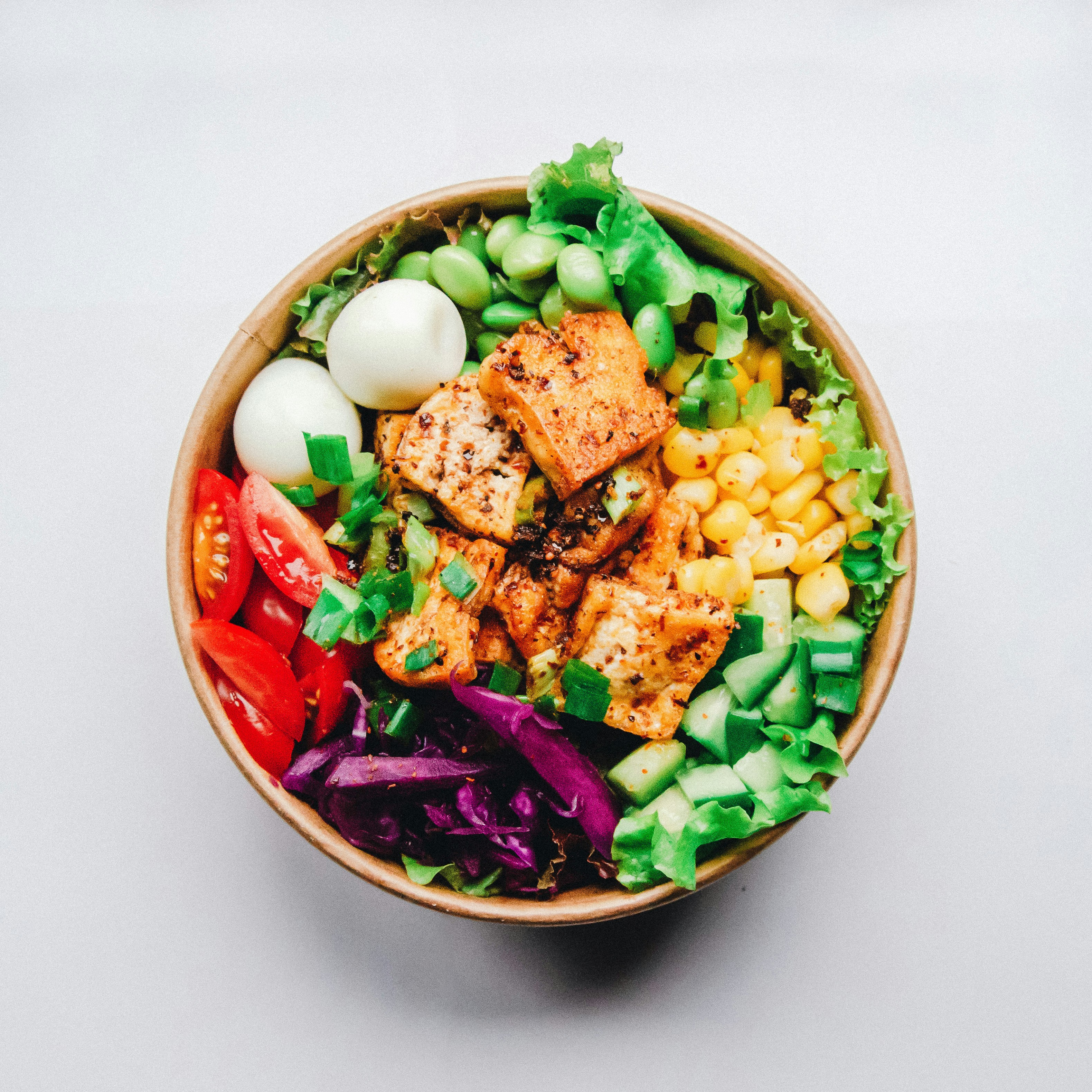
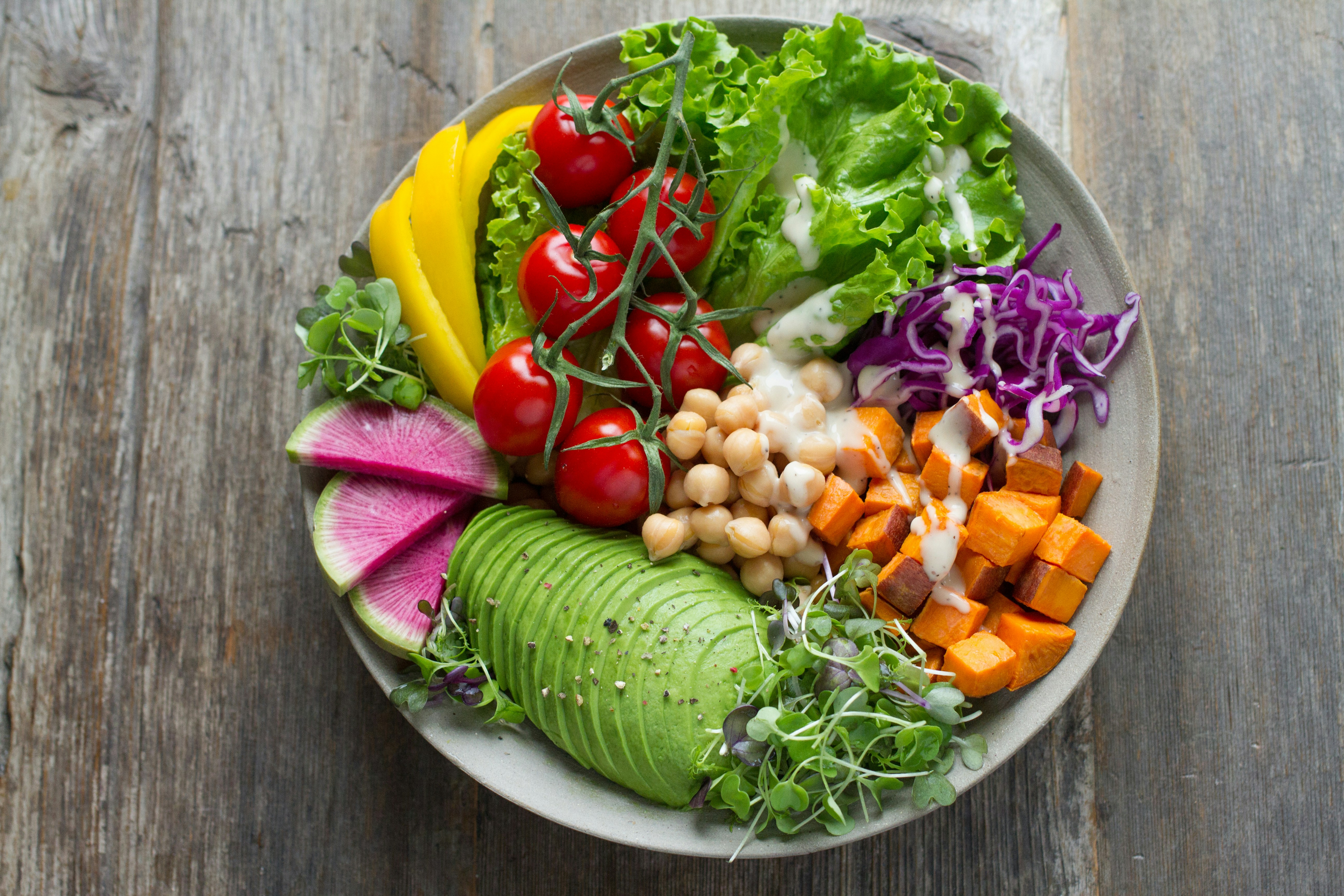
By focusing on nutrient bioavailability and whole food alternatives to supplements, you ensure that your body gets the high-quality fuel it needs for muscle repair and energy. Don't let the fitness supplement myths distract you from the basics: consistent training and a balanced, nutrient-dense diet are the only true "secret weapons" for long-term health.
FAQ
Do you need protein powder to build muscle?
No, you do not need protein powder to build muscle. While it is a convenient way to increase intake, your body treats the amino acids from a shake the same way it treats those from chicken, fish, beans, or eggs. In fact, whole foods often provide more sustained satiety and additional micronutrients that support muscle growth.
Are pre-workout supplements bad for your heart?
Many pre-workout supplements contain very high doses of caffeine and other stimulants like synephrine. For individuals with underlying heart conditions or sensitivity to stimulants, these can cause heart palpitations, increased blood pressure, and anxiety. It is always safer to use a cup of coffee or a small snack for energy.
Does creatine cause hair loss or kidney damage?
Current clinical research does not support the claim that creatine causes hair loss or kidney damage in healthy individuals. While creatine can increase levels of DHT (a hormone linked to hair loss), no studies have directly shown it causes balding. Regarding kidneys, creatine is safe for those with healthy renal function, though individuals with pre-existing kidney disease should avoid it.
Are fat burning supplements effective for weight loss?
Most fat burning supplements are ineffective and potentially dangerous. They often rely on high doses of caffeine to slightly increase metabolism, but the effect is negligible compared to a calorie deficit and exercise. Many contain undisclosed ingredients that can interfere with medication or cause side effects.
Are amino acids or BCAAs worth the money?
For most people, BCAAs are not worth the money. If you consume adequate protein from whole sources, you are already getting all the BCAAs you need. Research shows that taking isolated BCAAs without the other essential amino acids found in whole protein does not significantly improve muscle protein synthesis.
What is the biggest myth about fitness supplements?
The biggest myth is that supplements are a shortcut to results. Many people spend hundreds of dollars on powders while neglecting their sleep and basic nutrition. No supplement can out-work a poor diet or a lack of consistent training. The "supplement" should only ever be the final 1% of your fitness strategy, not the foundation.