Quick Facts
- Technology: CGM systems utilize a subcutaneous sensor to monitor glucose levels automatically, while traditional glucometers rely on manual lancets and test strips.
- Primary Metric: The focus of modern monitoring has shifted toward Time in Range (TIR) and glucose variability rather than just single-point readings.
- 2026 Standards: Top-tier wearables now consistently achieve a Mean Absolute Relative Difference (MARD) below 9%, meeting high clinical accuracy standards.
- Wellness Evolution: The arrival of over-the-counter biosensors like Dexcom Stelo and Abbott Lingo has made real-time tracking accessible for non-diabetics.
- Clinical Impact: Studies show switching to continuous monitoring can lead to a significant reduction in HbA1c levels and better long-term outcomes.
- Safety Features: Automated hypoglycemia alerts provide a safety net that traditional fingersticks simply cannot offer.
Choosing between a CGM vs glucometer depends on whether you want a static snapshot or a complete roadmap of your metabolic health. A CGM (Continuous Glucose Monitor) provides real-time glucose tracking every few minutes through a small sensor, whereas a traditional glucometer requires manual fingersticks for point-in-time checks. While glucometers remain a vital tool for calibration, the benefits of continuous monitoring offer a much deeper look into how your daily habits influence your internal chemistry.
Snapshot vs. Roadmap: The Fundamental Difference
When we talk about CGM vs glucometer, we are really talking about the difference between a single photograph and a feature-length film. A traditional glucometer measures capillary blood. You prick your finger, place a drop on a strip, and get a number. This is your glucose at that exact second. However, it tells you nothing about where your sugar was ten minutes ago or where it is headed next.
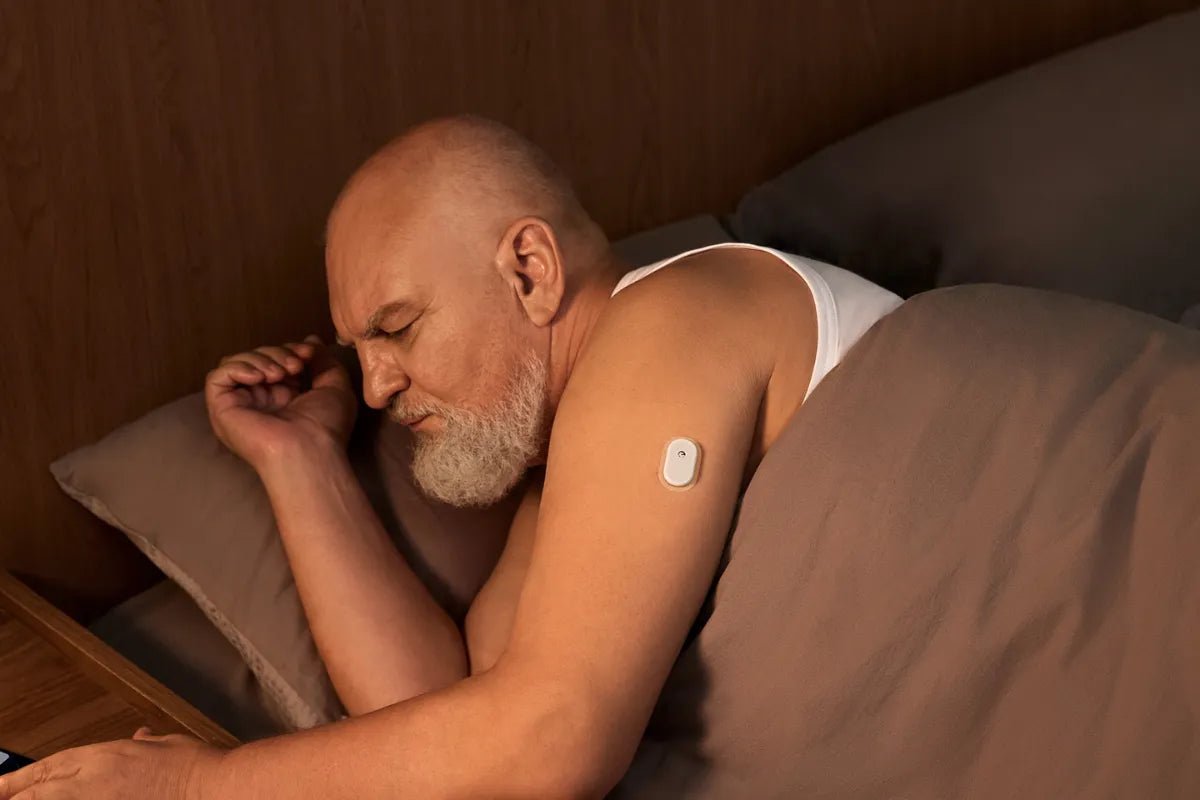
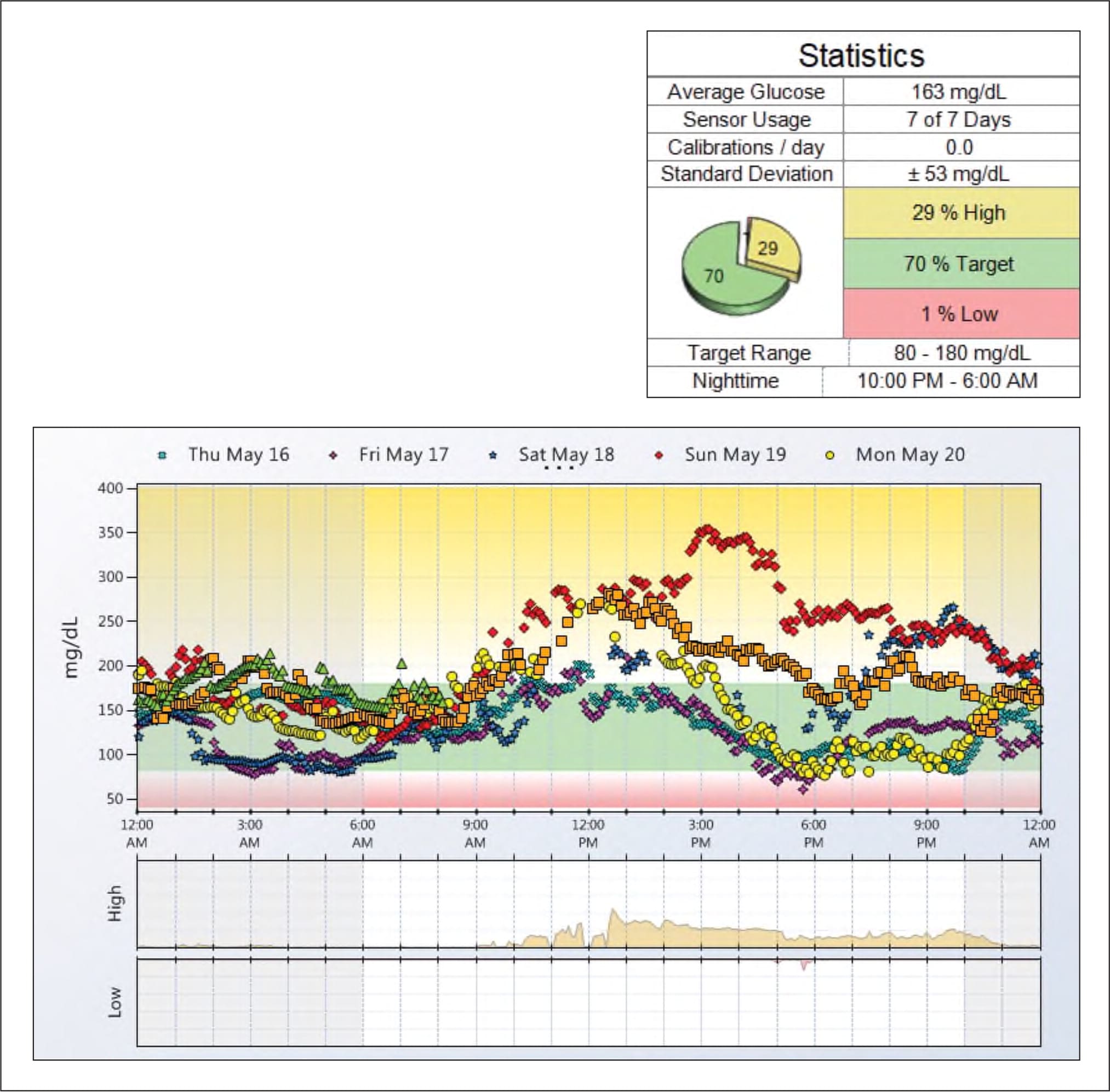
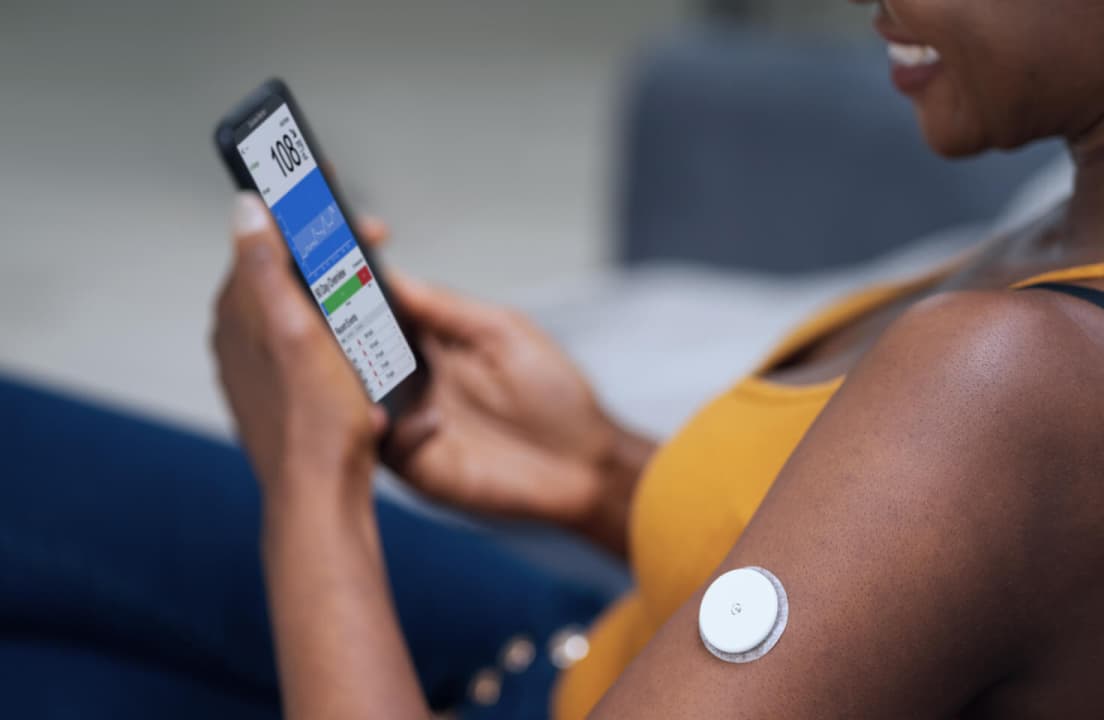
In contrast, a CGM uses a subcutaneous sensor to measure glucose in the interstitial fluid—the fluid surrounding your cells. Because the sensor stays on your body for days or weeks at a time, it collects data every few minutes. This allows you to see the "curves" of your day. You can see how a morning walk blunts a post-breakfast spike or how stress at the office sends your levels climbing.
| Feature | Traditional Glucometer | Continuous Glucose Monitor (CGM) |
|---|---|---|
| Data Source | Capillary blood (fingerstick) | Interstitial fluid (under the skin) |
| Frequency | Manual (only when you test) | Automatic (every 1–5 minutes) |
| Pain Level | Repeated finger pricks | Single application every 10–14 days |
| Trend Insight | None (static data) | High (arrows show direction of change) |
| Alerts | None | Real-time hypoglycemia and spike alerts |
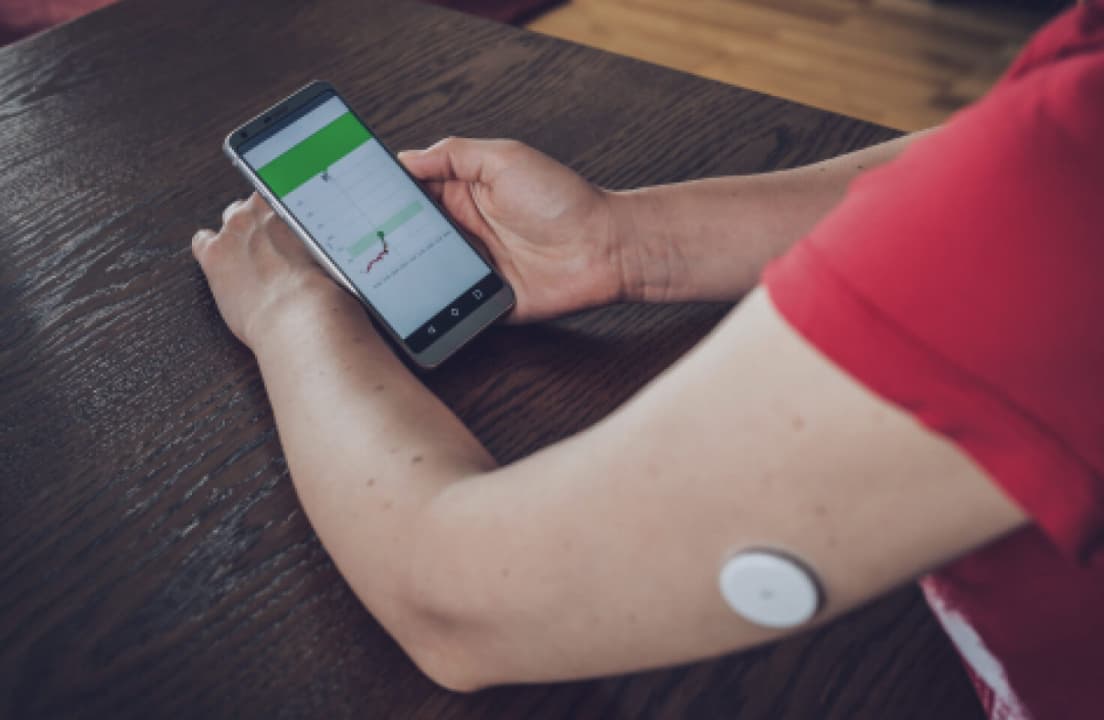
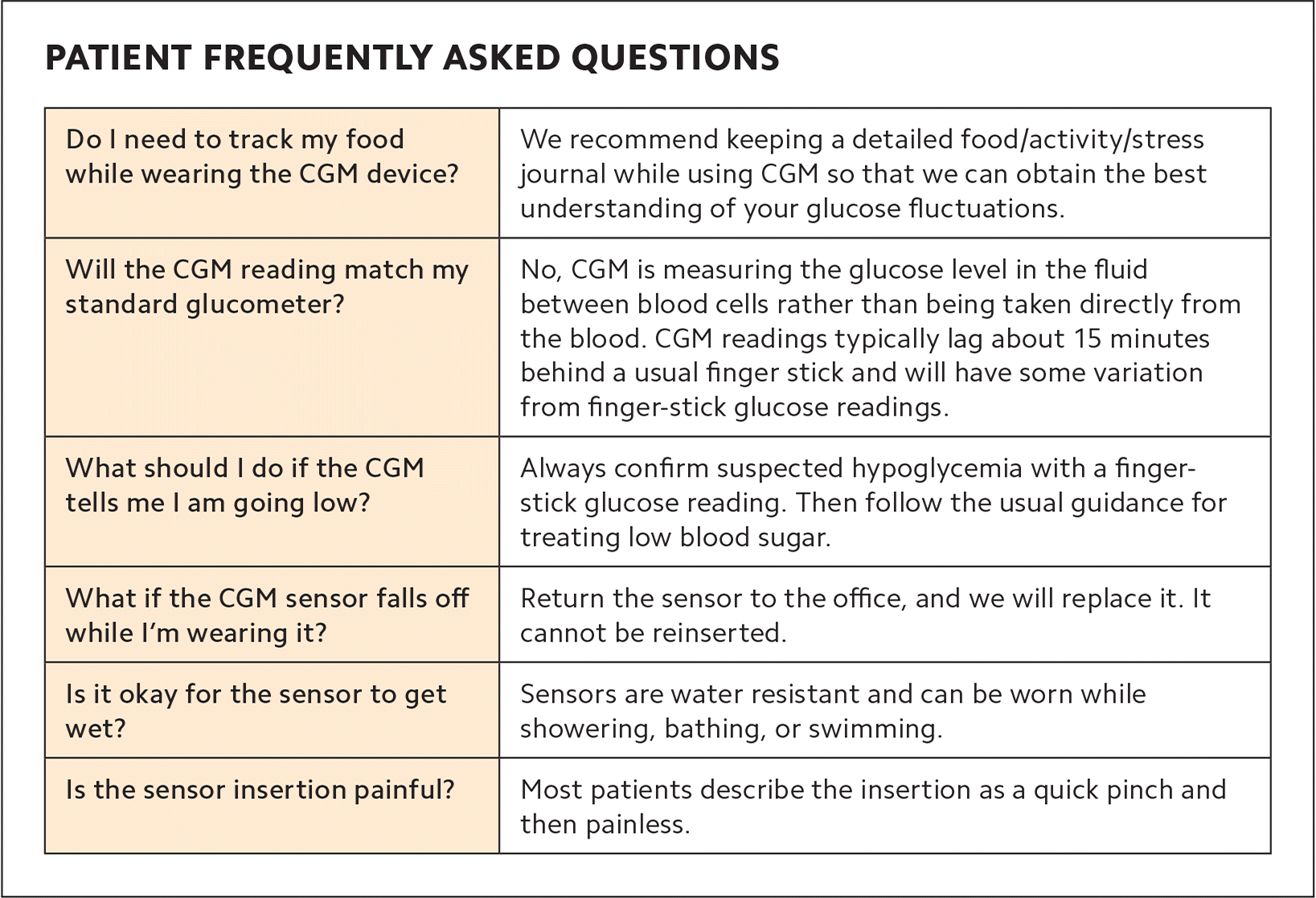
One common point of confusion is why CGM sensor readings differ from fingerstick blood glucose results. Because the CGM measures interstitial fluid and the meter measures blood, there is a natural "lag time" of about 5 to 15 minutes. Think of it like a train: the blood glucose is the engine at the front, and the interstitial fluid is the caboose at the back. When levels are stable, they match closely. When levels are moving fast, the caboose takes a moment to catch up.
Accuracy Metrics: Understanding MARD in 2026
For years, the gold standard for accuracy was the fingerstick. However, the technology behind continuous glucose monitoring vs fingerstick testing has evolved rapidly. In the world of metabolic health, we measure accuracy using a metric called Mean Absolute Relative Difference, or MARD. The lower the MARD percentage, the more accurate the device is compared to a laboratory blood test.
As of 2026, the gap between wearables and traditional meters has closed significantly. Traditional meters must meet ISO 15197:2013 standards, which generally require 95% of readings to be within 15% of the laboratory value. Modern CGMs are now comfortably within this range:
- FreeStyle Libre 3 Plus: Boasts a MARD of 7.9%, making it one of the most precise sensors on the market.
- Dexcom G7: Features a MARD of 8.2% and offers the convenience of a very fast warm-up time.
- Eversense 365: This implantable sensor lasts for a full year and maintains a solid MARD of 8.8%.
When looking at the accuracy of dexcom g7 vs fingerstick testing, the G7 is incredibly reliable for daily decision-making. Most users find they no longer need to use lancets and test strips for routine management, though keeping a manual meter on hand is still recommended for times when your symptoms don't match your sensor reading or during the initial sensor warm-up period.
Benefits of Switching: Beyond the A1C
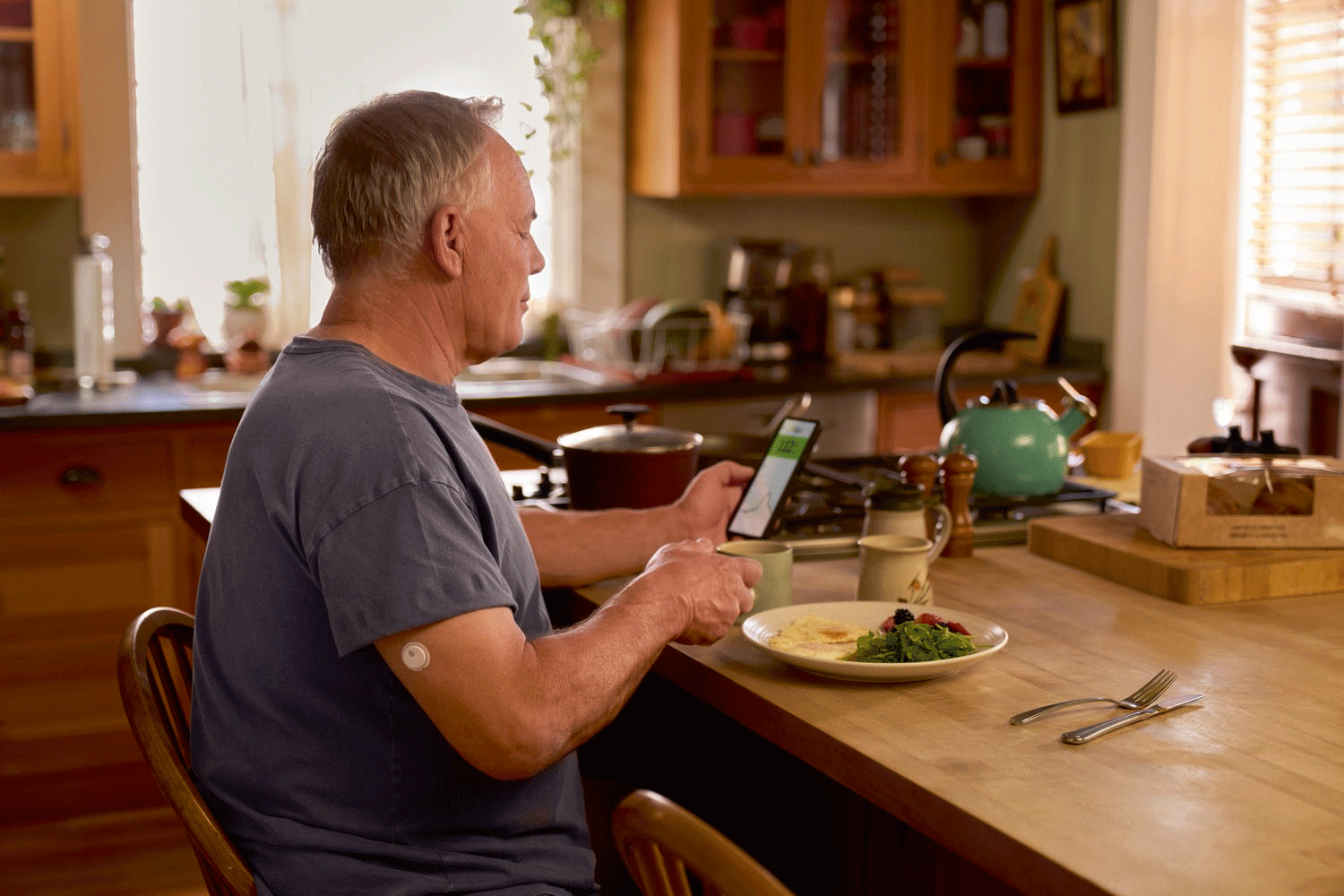
The most significant benefits of switching to CGM go far beyond just avoiding needle pricks. Traditional testing is like checking the weather by looking out the window once a day. Continuous monitoring is like having a high-tech weather station that predicts storms before they hit.
One of the most powerful metrics we use today is Time in Range. This refers to the percentage of time your glucose stays between 70 and 180 mg/dL. Clinical research has shown that transitioning to a CGM can increase Time in Range by 10.3% to 15%. This improvement is often due to the immediate feedback the device provides; when you see a spike happening in real-time, you are more likely to take a quick walk or drink water to bring it back down.
Furthermore, the data shows that how continuous glucose monitoring improves a1c levels is tied to a reduction in both highs and lows. Meta-analyses have documented mean reductions in HbA1c ranging from 0.20% to 0.74%. Perhaps even more important for safety is the reduction in severe hypoglycemia. The ability of these devices to provide hypoglycemia alerts has helped reduce the frequency of severe low-sugar events from 3.01% down to a staggering 0.2% in some patient populations.
The Rise of OTC and Metabolic Health CGMs
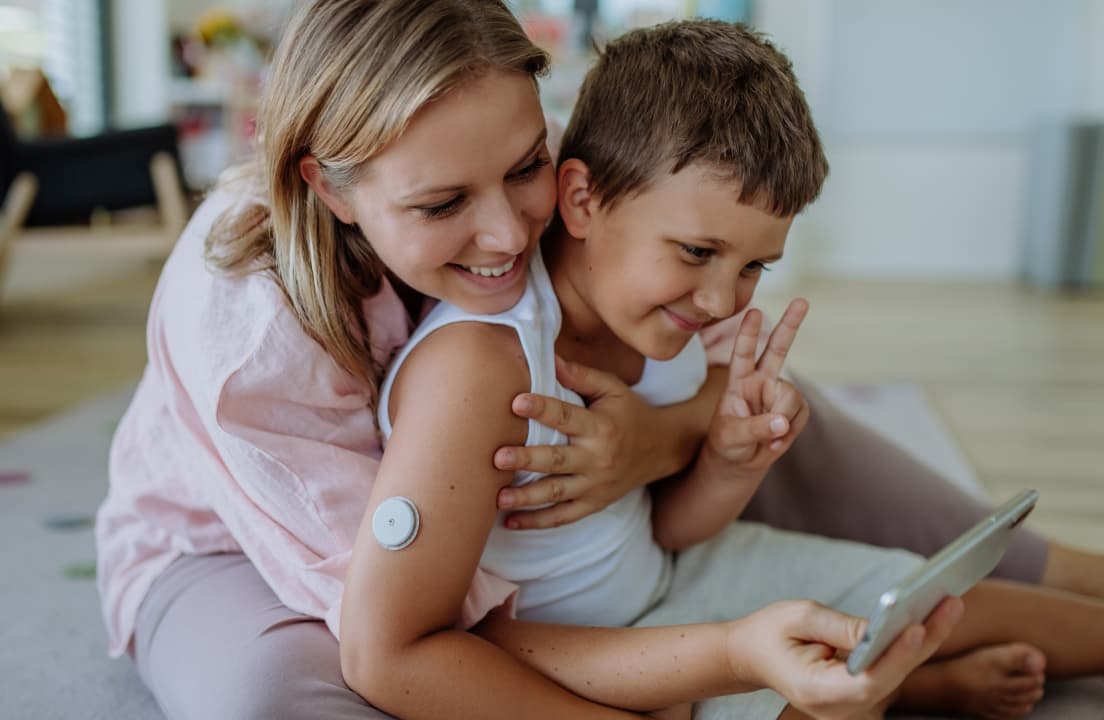
We are currently seeing a massive shift in who uses this technology. It is no longer reserved exclusively for those with Type 1 or insulin-dependent Type 2 diabetes. The new category of over-the-counter biosensors is designed for people looking to optimize their metabolic flexibility and energy levels.
If you are a non-diabetic athlete or someone focused on preventive health, you might consider the dexcom stelo vs regular glucometer for glucose spikes. The Stelo is designed specifically for those not taking insulin, providing 15 days of wear and cloud-based data sharing to help you understand your unique triggers. Similarly, the Abbott Lingo system targets general wellness, helping users decode how sleep, stress, and diet interact.
Editor's Note: While the cost of continuous glucose monitor vs traditional meters is higher upfront, many users find the "education" they receive in the first three months is worth the investment. It essentially acts as a personalized nutritionist on your arm.
When choosing the best CGM for non diabetics managing metabolic health, look for features like:
- Integration with health apps (Apple Health or Google Fit).
- Easy-to-read trend arrows that show glucose variability.
- Simple, water-resistant hardware that fits a busy lifestyle.
In the end, real-time glucose tracking advantages center on empowerment. Instead of being frustrated by a high A1c reading at your doctor's office every six months, you have the data to make small, sustainable changes every single day. Whether you are managing a chronic condition or simply want to avoid the afternoon energy slump, moving toward a continuous system is one of the most effective lifestyle upgrades you can make for your long-term wellness.
FAQ
What is the main difference between a CGM and a glucometer?
A glucometer measures blood glucose at a single point in time using a finger prick, while a CGM uses a tiny sensor under the skin to provide continuous readings every few minutes. The CGM shows trends and directions, whereas the glucometer provides a static number.
Is a CGM more accurate than a traditional finger-prick test?
Modern CGMs have reached high accuracy levels, often with MARD scores under 9%. While traditional glucometers are still used as a reference point for calibration, CGMs are considered highly reliable for daily management and are superior for identifying patterns and trends that a single test would miss.
Why are CGM readings different from finger-prick results?
The two devices measure different fluids. A glucometer measures capillary blood, while a CGM measures interstitial fluid. Because glucose travels to the blood first and then moves into the interstitial fluid, there is usually a 5 to 15-minute delay between the two readings, especially when glucose levels are rising or falling rapidly.
Are continuous glucose monitors more expensive than glucometers?
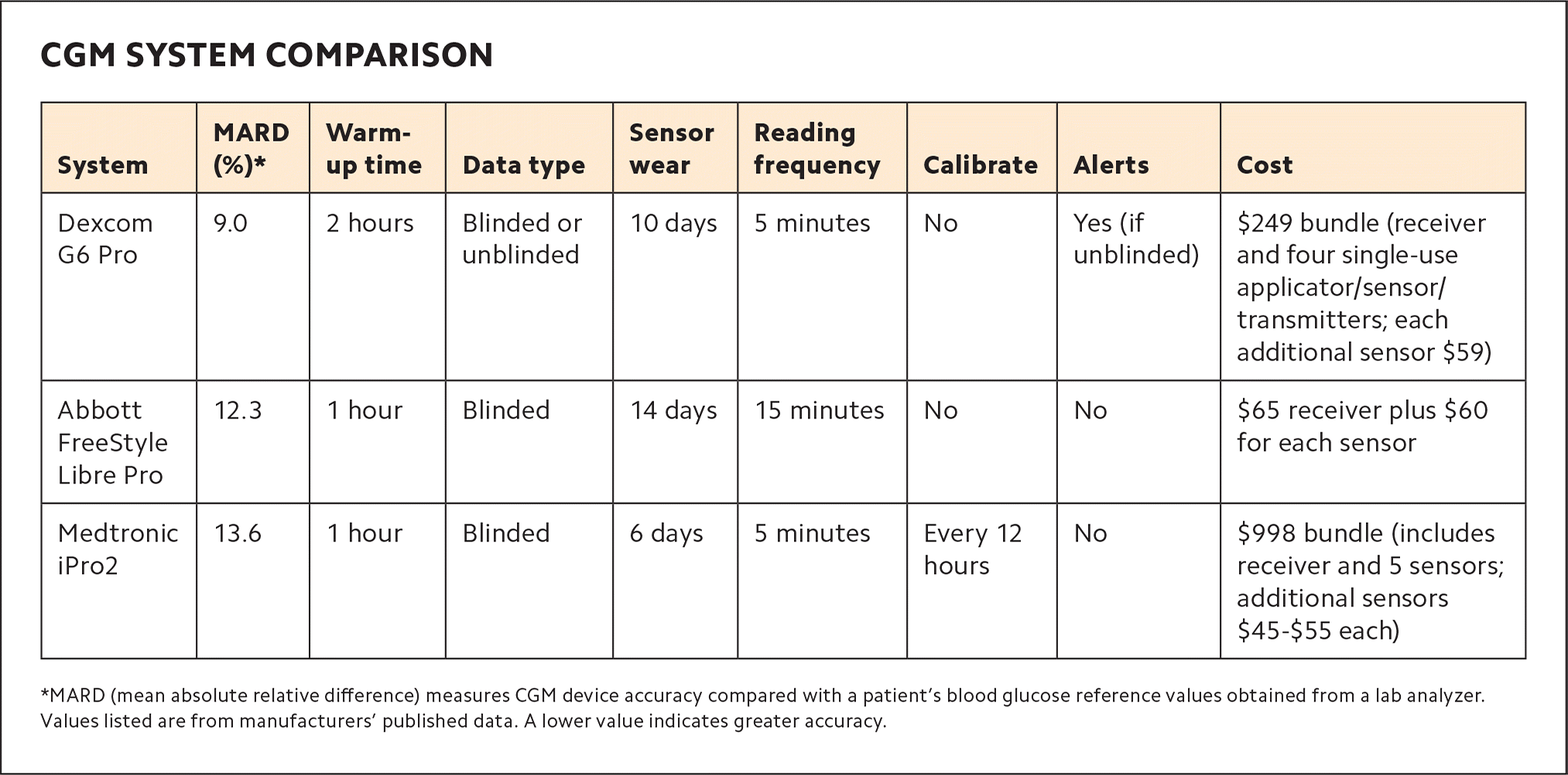
Generally, yes. CGMs involve a higher ongoing cost because the sensors must be replaced every 10 to 14 days. However, many find the cost of continuous glucose monitor vs traditional meters is offset by the reduction in the number of test strips and lancets needed, as well as the significant long-term health benefits and reduced risk of emergencies.
Can non-diabetics use a CGM instead of a glucometer?
Yes, non-diabetics are increasingly using CGMs for metabolic health and performance optimization. New over-the-counter biosensors like Dexcom Stelo are designed specifically for non-insulin users to help them track glucose variability and improve metabolic flexibility without needing a prescription or dealing with the discomfort of frequent finger pricks.