Quick Facts
- The Gold Standard: Continuous glucose monitors provide real-time visibility into your unique biology, offering insights into glycemic variability that standard smartwatches simply cannot match.
- Clinical Impact: A study showed that 12 weeks of continuous glucose monitor use led to a significant mean reduction in HbA1c from 8.09% to 7.48% and a drop in fasting glucose levels.
- Accuracy Benchmark: The Dexcom G7 remains a leader with an 8.2% MARD, while new OTC versions like Dexcom Stelo and Abbott Lingo offer high precision without a prescription.
- Diagnostic Precision: Research confirms that indices derived from these sensors can distinguish between healthy individuals and those with impaired glucose tolerance with 91.4% accuracy.
- Market Shift: By 2023, non-diabetic consumers seeking wellness optimization already accounted for 15% to 20% of total sensor sales, highlighting the biohacking trend.
- 2026 Accessibility: Over-the-counter options for adults 18+ have eliminated the need for a doctor's visit to begin tracking metabolic health.
As we move into 2026, the question is no longer just about tracking steps, but tracking biology. While smartwatches provide heart rate data, a CGM for metabolic health offers real-time visibility into how your diet affects your blood sugar. A continuous glucose monitor is the superior wearable for metabolic health because it provides a real-time feedback loop on postprandial spikes and insulin sensitivity, allowing for precise nutritional intervention that standard trackers lack.
CGM vs. Smartwatch: Why Your Metabolism Needs Real-Time Data
For years, we have relied on lagging indicators to judge our health. We look at the scale in the morning or check our step count at the end of the day. While these metrics are helpful, they do not tell you why you felt a mid-afternoon energy crash or why your sleep was restless after a late dinner. This is where biowearable technology changes the game.
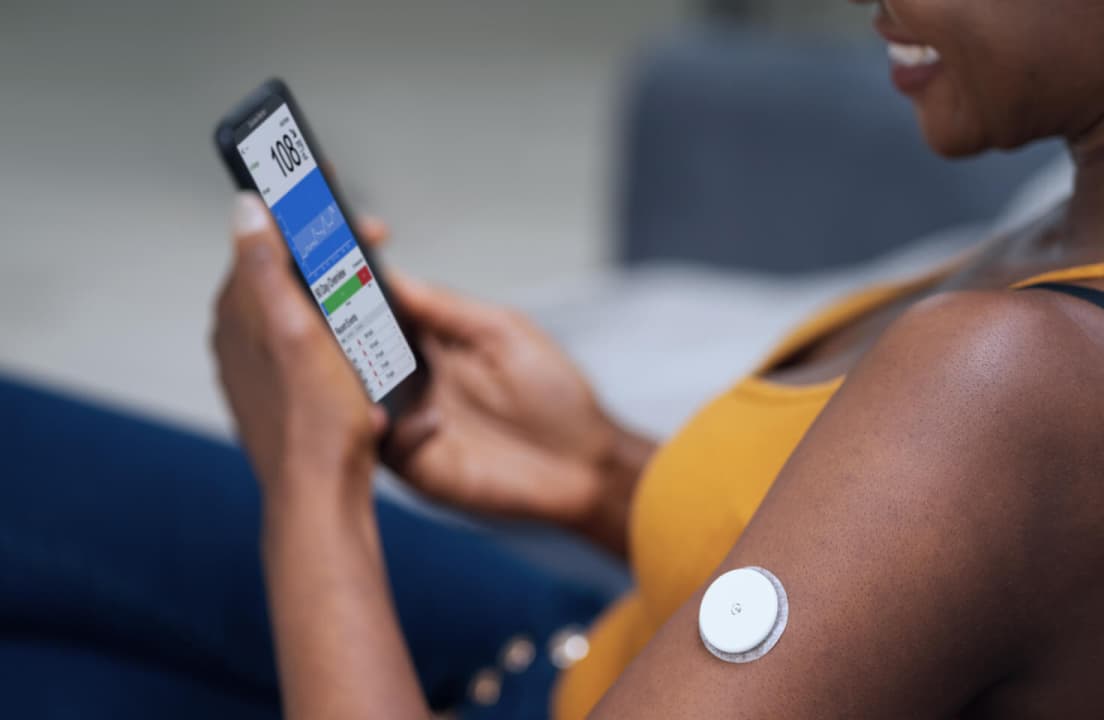
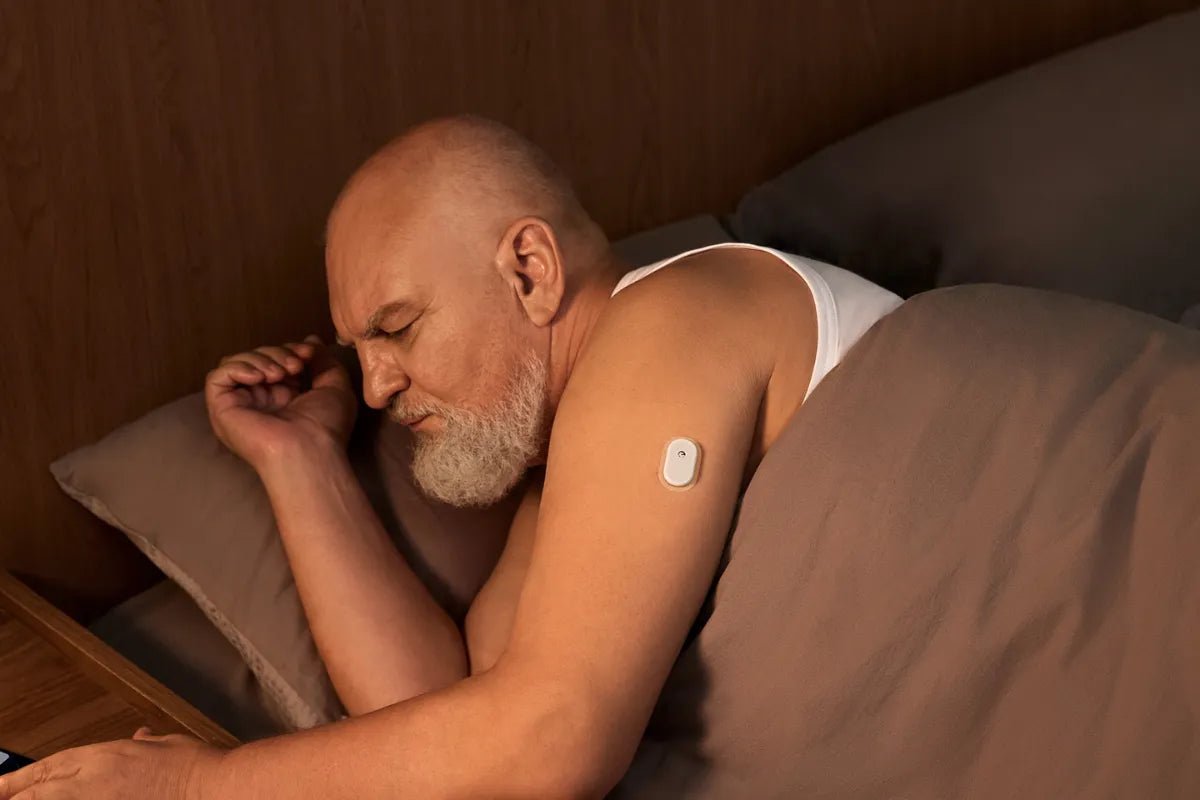
Unlike a smartwatch that monitors external movement or heart rate from the wrist, a continuous glucose monitor lives on the back of your arm, reaching into the interstitial fluid. It measures your glucose every few minutes, 24 hours a day. This creates a high-definition picture of your metabolic flexibility—your body's ability to switch between burning carbs and burning fat efficiently.
One of the biggest advantages of this technology is the identification of glucose excursions. These are the sharp rises and falls in blood sugar that happen after you eat. While a fitness tracker might tell you that you burned 300 calories during a workout, a sensor tells you that the "healthy" smoothie you drank afterward caused a massive spike that stalled your fat-burning for hours. Because the data has a 91.4% accuracy rate in identifying impaired glucose tolerance, users can spot metabolic dysfunction years before it shows up on a standard annual blood test.
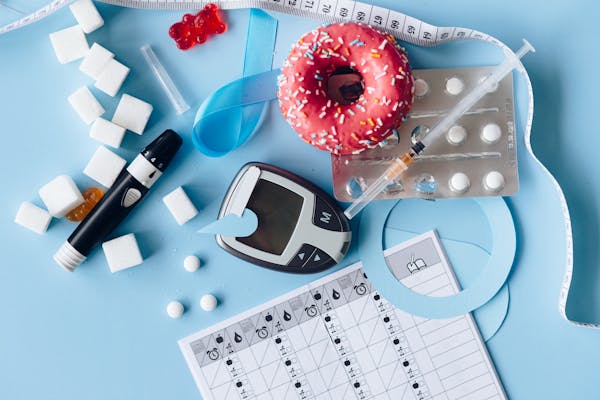
Standard wearables often guess your metabolic state based on heart rate variability. However, glucose monitoring for wellness optimization provides the ground truth. It allows you to see the immediate impact of a 10-minute walk after lunch. You can literally watch your glucose curve flatten in real time. This immediate feedback loop is the most powerful tool we have for improving insulin sensitivity and preventing long-term metabolic decline.
Choosing Your Sensor: Dexcom Stelo vs. Abbott Lingo in 2026
The landscape of metabolic health trackers comparison has shifted dramatically. In the past, you needed a medical diagnosis and a prescription to access this technology. Today, the 2026 market offers sophisticated over-the-counter choices designed specifically for the wellness-focused consumer.
When looking at an OTC continuous glucose monitor for metabolic health 2026, two names dominate the conversation: Dexcom Stelo and Abbott Lingo. Choosing between them depends on whether you want raw data integration or guided lifestyle coaching.
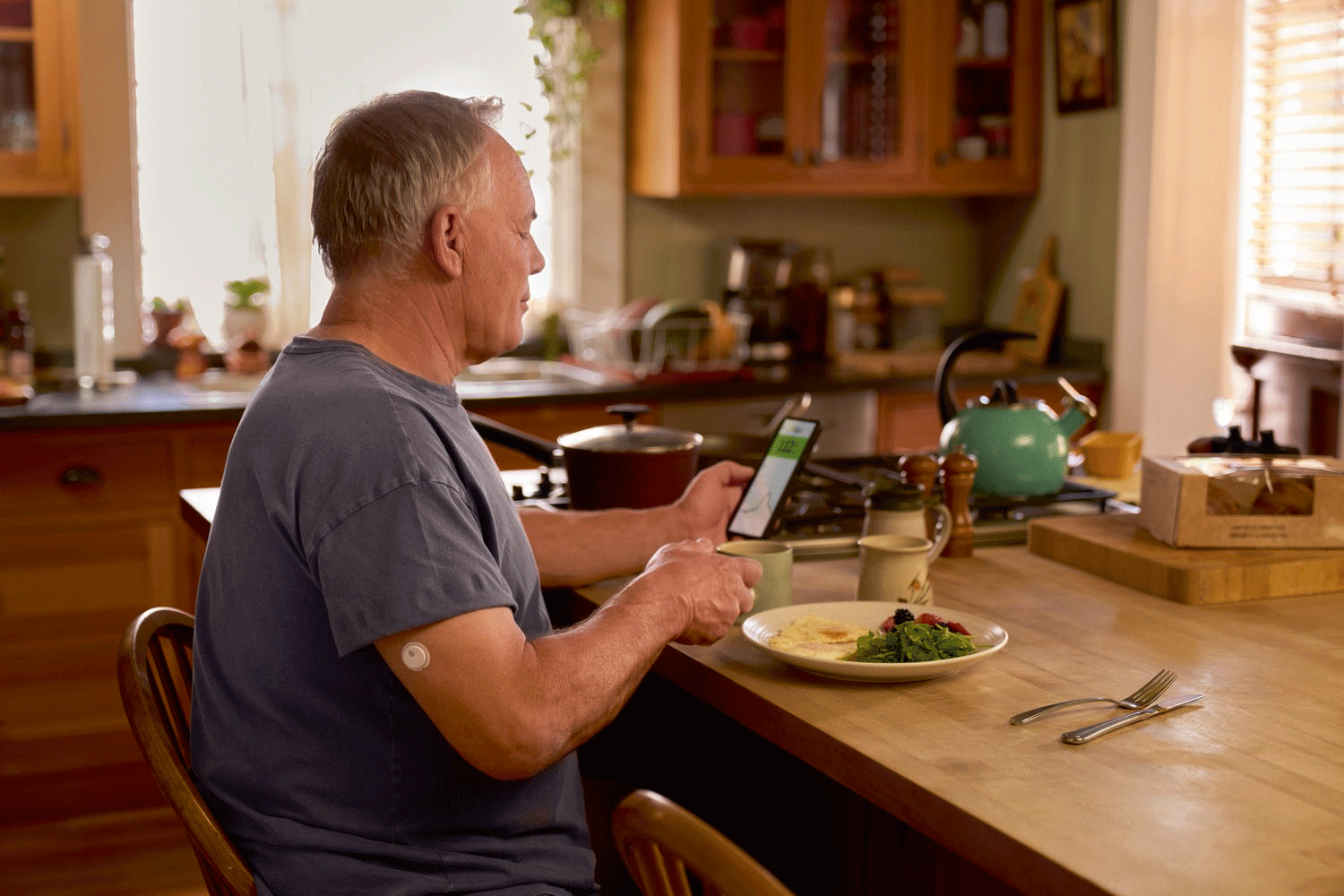
Abbott Lingo is built for the person who wants an assistant in their pocket. Its app translates glucose data into a Lingo Count, helping you understand your daily metabolic load without needing to be a scientist. It focuses heavily on lifestyle medicine, offering "challenges" to help you improve your habits.
On the other hand, Dexcom Stelo is the best CGM for metabolic health non-diabetics who are already deep into the biohacking world. It integrates seamlessly with other health apps and platforms, making it a favorite for those who want to see their glucose data alongside their Oura ring or Whoop strap metrics.
| Feature | Dexcom Stelo | Abbott Lingo | FreeStyle Libre 3+ |
|---|---|---|---|
| Prescription Required | No (OTC) | No (OTC) | Yes |
| Target User | Wellness/Non-diabetic | Wellness/Coaching | Clinical/Diabetic |
| Sensor Life | 15 Days | 14 Days | 14 Days |
| MARD (Accuracy) | ~9.0% | ~9.2% | 7.8% |
| Core Strength | Data integration | Lifestyle coaching | Medical-grade precision |
| Alerts | No high/low alarms | Bio-feedback spikes | Real-time clinical alarms |
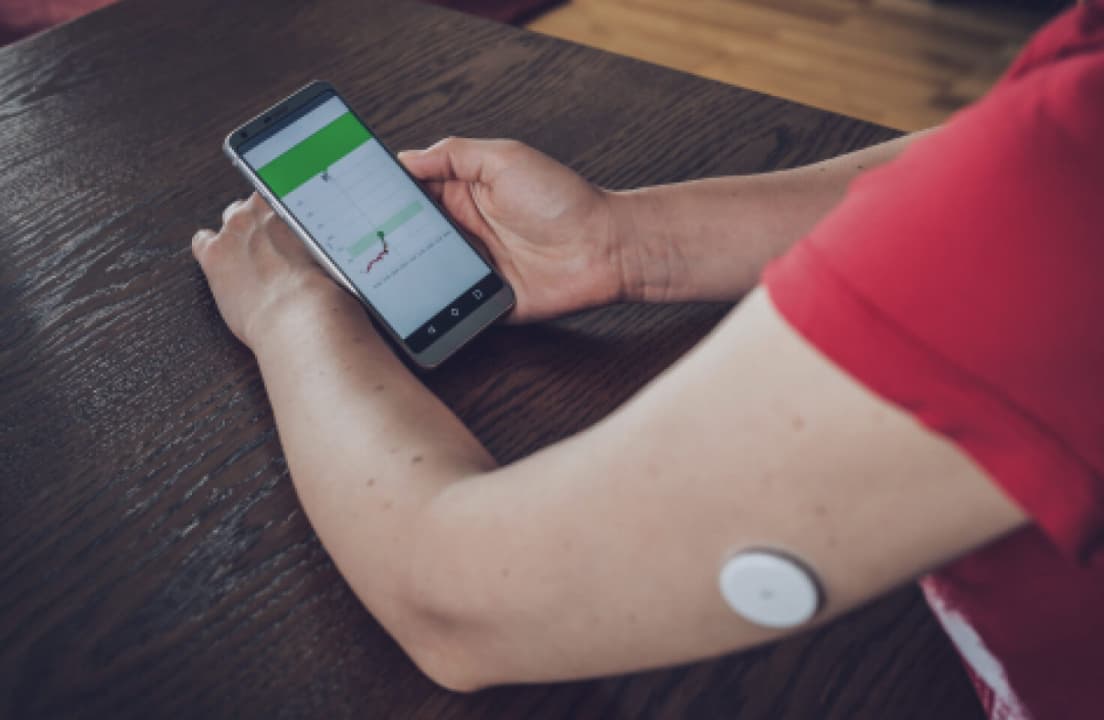
If you are looking for the most accurate CGM for wellness optimization comparison, you might still consider a prescription model like the FreeStyle Libre 3+ or the Dexcom G7. These devices offer a slightly lower MARD (Mean Absolute Relative Difference), meaning they are closer to a laboratory blood test. They also include predictive alerts for low blood sugar, which OTC models often omit to keep the user experience less stressful for healthy adults.
For those who want a "set it and forget it" approach, 2026 has introduced the Eversense 365. This is an implantable sensor that lasts an entire year. While it requires a quick office visit for placement, it eliminates the need to change sensors every two weeks, representing the next frontier in biowearable technology.

The 'Baseline Week' Protocol: Using CGM for Weight Loss and Energy
Simply wearing a sensor isn't enough; you need a strategy to turn that data into results. I always recommend my clients start with a "Baseline Week." This is the most effective way to learn how to use CGM data for metabolic health improvement.
During this first week, do not change your diet. Eat your normal meals, follow your usual exercise routine, and sleep your typical hours. Your goal is to identify your current time in range—the percentage of the day your blood sugar stays within a healthy, stable window (typically 70-140 mg/dL for non-diabetics).
Step 1: Identify Invisible Spikes
You might find that your "healthy" morning oatmeal sends your glucose to 180 mg/dL, causing a crash two hours later that makes you reach for caffeine. This is an invisible spike. By using CGM for metabolic health and weight loss, you can identify these triggers and swap them for better alternatives, like eggs or a protein-rich smoothie.
Step 2: Test Food Sequencing
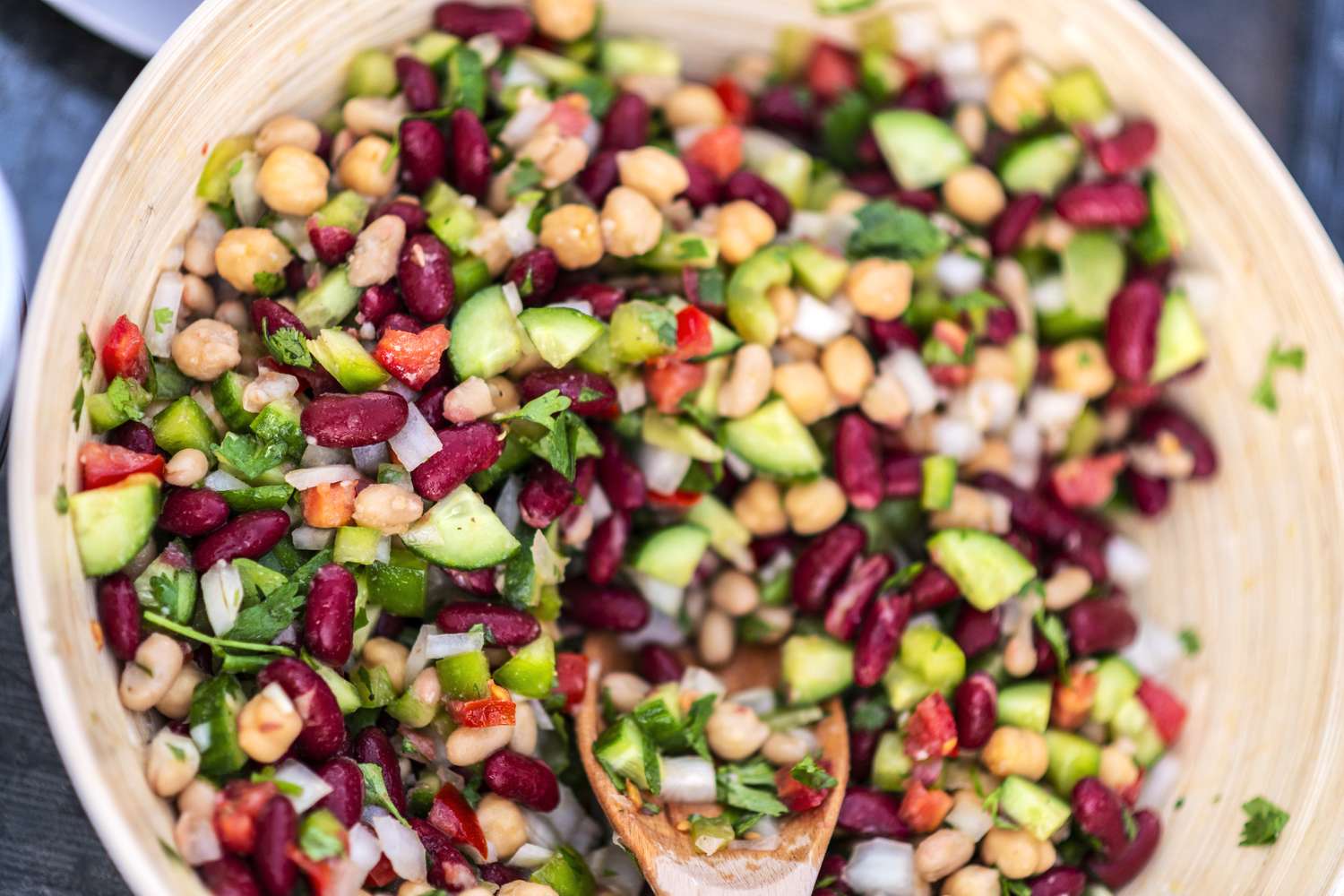
The order in which you eat your food matters. Try eating your fiber (vegetables) and protein before your carbohydrates. Use your sensor to see how this simple change flattens your postprandial spikes. Often, you don't have to stop eating the foods you love; you just have to change when you eat them.
Step 3: Implement the 10-Minute Rule
One of the most effective nutritional interventions is a short walk after a meal. If you see your glucose starting to climb after dinner, head outside for ten minutes. You will see the sensor show an immediate stabilization as your muscles pull the glucose out of your bloodstream for energy.
FAQ
How does a CGM help improve metabolic health?
A continuous glucose monitor provides a window into your internal chemistry. By showing you exactly how different foods, stress levels, and sleep patterns affect your blood sugar, it allows you to make precise adjustments. Over time, reducing the frequency and height of glucose spikes improves insulin sensitivity, reduces inflammation, and stabilizes energy levels.
Can people without diabetes use a continuous glucose monitor?
Yes, and in 2026, it has become a common tool for wellness optimization. Non-diabetics use these sensors to improve athletic performance, manage weight, and prevent the development of metabolic syndrome. It is a proactive approach to health rather than a reactive one.
Do you need a prescription for a CGM to monitor metabolic health?
You do not need a prescription for the newer over-the-counter models like Dexcom Stelo or Abbott Lingo. These are designed specifically for adults 18 and older who do not have insulin-treated diabetes. However, for higher-precision clinical models or sensors with low-glucose alarms, a prescription is still required.
Can wearing a CGM help with weight loss?
Absolutely. High insulin levels—triggered by frequent glucose spikes—tell your body to store fat rather than burn it. By using the sensor to keep your glucose levels stable, you keep your insulin levels low, making it much easier for your body to access and burn stored body fat for fuel.
What is a normal blood sugar range for a healthy person using a CGM?
For a healthy adult, a common goal is to keep fasting glucose between 70 and 90 mg/dL and post-meal spikes below 140 mg/dL. Ideally, you want to spend more than 90% of your day within the 70-120 mg/dL range to maximize metabolic flexibility and energy.
Conclusion & Next Steps
If you are serious about your health in 2026, the shift from generic tracking to personalized biometrics is the single best investment you can make. While smartwatches are great for counting steps, they cannot tell you how a slice of sourdough is affecting your cellular health.
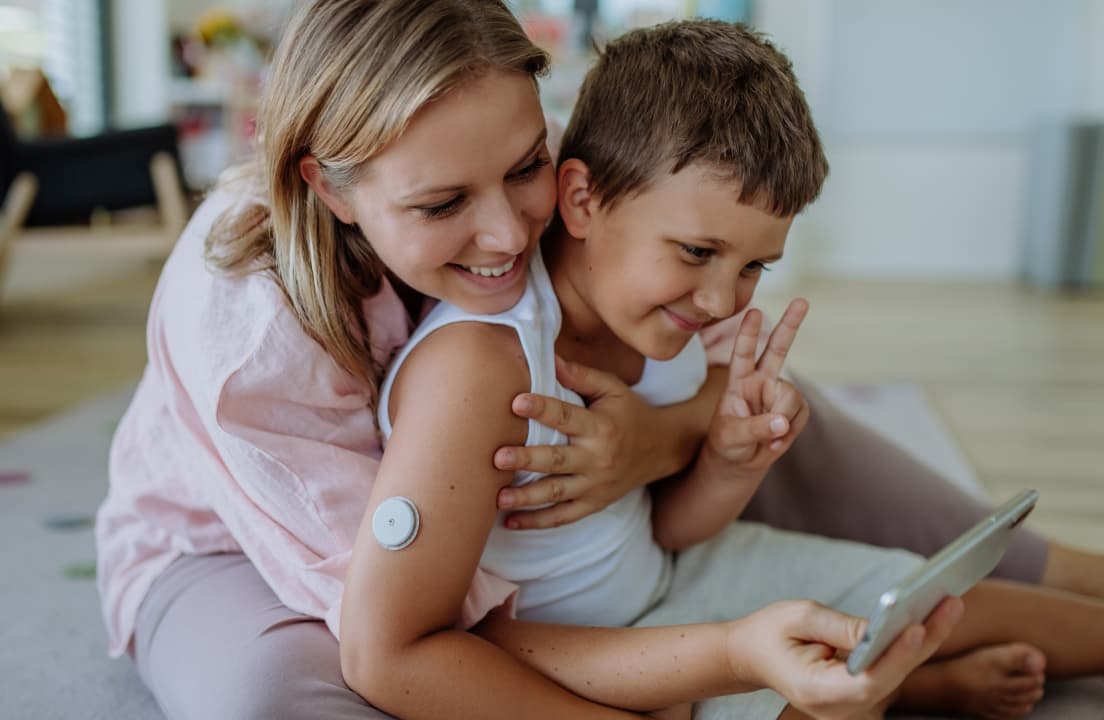
To choose the right device, ask yourself these four questions:
- Do I want my data to sync with other fitness apps (Stelo)?
- Do I need daily coaching and habit prompts (Lingo)?
- Do I want a long-term, invisible solution (Eversense)?
- Do I need medical-grade alerts for peace of mind (Libre 3+)?
Whatever you choose, the goal is the same: to stop guessing and start knowing. Metabolic health is the foundation of longevity, and with a sensor on your arm, you have the ultimate roadmap to a more energetic, healthier future.