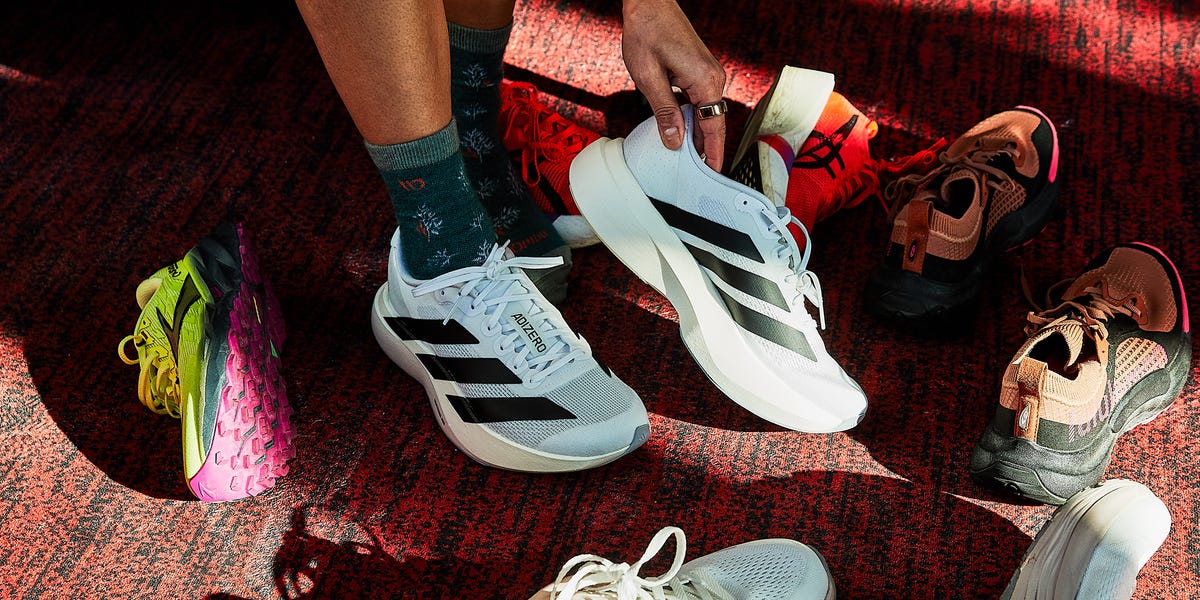
Our Top Picks
- Best Overall Stability: ASICS Gel Kayano 32 – A masterclass in 4D Guidance technology for long-distance comfort and overpronation control.
- Best for Maximum Cushioning: Saucony Hurricane 24 – Features a high stack of plush foam and a supportive rocker to alleviate heel pain and plantar fasciitis.
- Best for Wide Feet and Bunions: New Balance Fresh Foam X 860v14 – Combines a spacious toe box with a stable medial post for a secure, non-constricting fit.
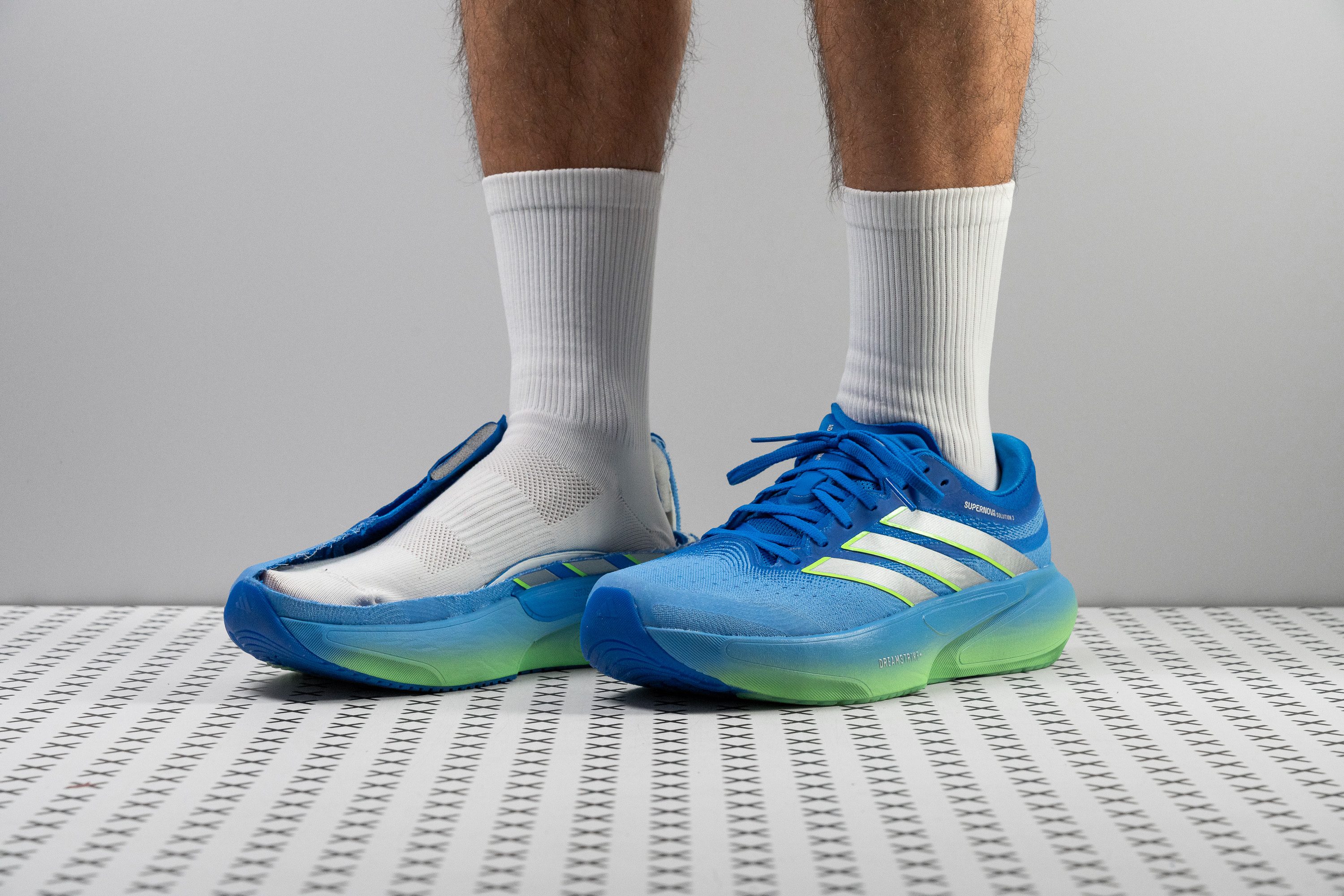
- Best for Flat Feet: Adidas Supernova Solution 3 – Offers a balanced, stable platform that prevents arch collapse without feeling overly rigid.
Foot pain shouldn't stop your stride. Whether you need stability running shoes for overpronation or cushioned running shoes for foot pain, finding the right fit is essential. Our team tested 24 models to find the best supportive running shoes for every gait. Supportive running shoes for overpronation typically feature medial posts or guide rail technology to prevent the foot from rolling too far inward. Runners with flat feet benefit from these stability features because they provide firm arch support, which helps maintain proper alignment and reduces the risk of joint strain in the ankles, knees, and hips.
Identify Your Gait: The Wet Test and Jack's Test
Before you drop money on high-end footwear, you need to understand how your foot interacts with the ground. Every stride begins with the gait cycle, and identifying where your form deviates from neutral is the first step to a pain-free run. According to a survey by the American Podiatric Medical Association, approximately 77 percent of Americans have experienced foot pain, with more than half of all adults stating that such pain has restricted their activities like walking or running.
To determine if you need supportive running shoes for flat feet and arch support, start with the Wet Test. Wet the sole of your foot and step onto a piece of cardboard or a dry concrete floor. A neutral foot leaves a print with a distinct curve along the inside. If the print looks like a complete foot shape, you likely have flat feet and require stability running shoes for overpronation.
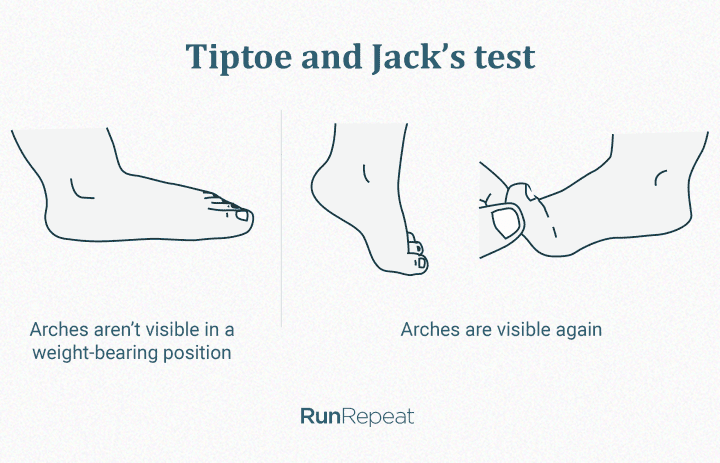
Next, perform Jack's Test to check for foot rigidity. While standing, have someone pull your big toe upward or do it yourself by leaning forward. If an arch appears when the toe is flexed, you have a flexible flat foot. If the arch remains flat, it is rigid. This distinction is vital for stride efficiency and choosing the correct stack height and support level.
Keep in mind that gait isn't static. Many athletes experience late-onset overpronation, where their form is perfect for the first five miles, but as fatigue sets in, their arches begin to collapse. This is why expert tested trail running shoes for overpronators often include subtle guide rails that only engage when your form starts to fail.
Best for Overpronation: High-Stability Performers
If your foot rolls inward excessively, you are putting undue stress on your shins and knees. This is where motion control and medial post technologies become your best friends. Modern stability running shoes have moved away from the heavy, plastic blocks of the past toward integrated systems like ASICS 4D Guidance.
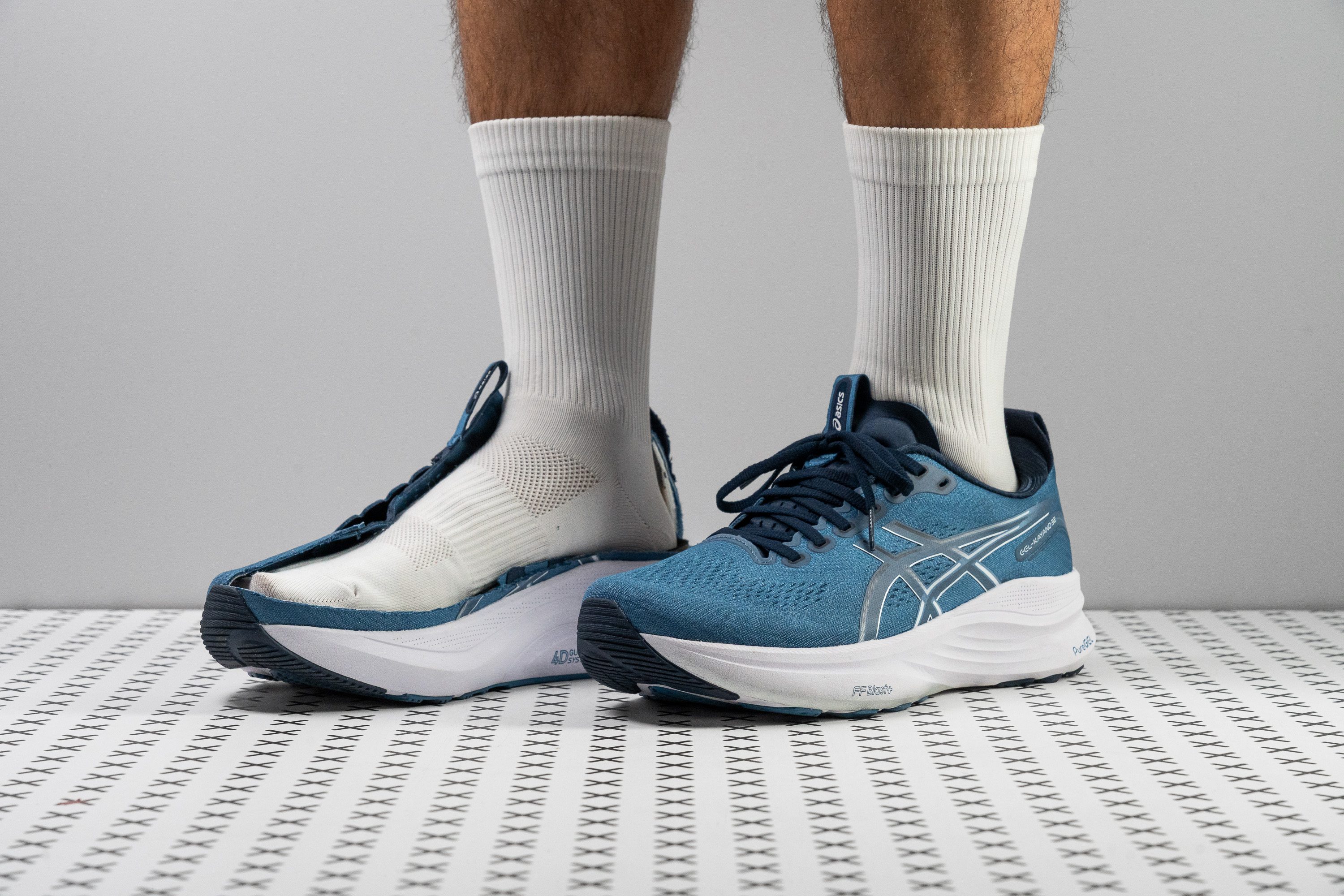
The ASICS Gel Kayano 32 is the gold standard in this category. Unlike traditional stability shoes that use a hard foam medial post to force the foot into position, this model uses a softer, integrated foam that works with the gait cycle to provide adaptive support. Research indicates that approximately 83.2 percent of individuals diagnosed with plantar fasciitis wear footwear classified as inappropriate, often lacking this built-in arch support.
| Feature | Specification |
|---|---|
| Weight | 10.7 oz (Men's) |
| Heel-to-toe drop | 10mm |
| Stack Height | 40mm |
| Price | $160 |
For those who take their training off-road, finding expert tested trail running shoes for overpronators is crucial. You need a shoe that manages the uneven terrain while still preventing that inward roll. Look for models with a wider base and multi-directional lugs to maintain impact protection without sacrificing stability.
Best for Plantar Fasciitis and Heel Pain
Plantar fasciitis is a runner's nightmare, often caused by repetitive strain on the tissue connecting your heel to your toes. A study on running-related injuries found that runners who ran more than 40 kilometers per week had six times higher odds of suffering from plantar fasciitis compared to those running 6 to 20 kilometers per week.
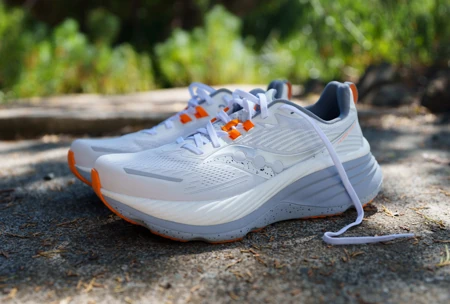
When dealing with this condition, cushioned running shoes for foot pain are non-negotiable. You need a high heel-to-toe drop (usually 10mm or higher) to take the tension off the Achilles tendon and the plantar fascia. The Saucony Hurricane 24 is a top performer here, utilizing a rocker geometry that helps roll the foot forward, reducing the time your heel spends under maximum load.
Many of these models carry the APMA Seal of Acceptance, meaning they have been reviewed by podiatrists and found to promote foot health. These shock absorbing running shoes for bad knees and heels utilize high-rebound foam midsoles to absorb impact during the gait cycle, protecting the skeletal structure from the repeated pounding of the pavement.
| Feature | Specification |
|---|---|
| Weight | 10.2 oz (Men's) |
| Heel-to-toe drop | 6mm (with high rocker) |
| Stack Height | 38mm |
| Price | $160 |
If you are a heavy heel striker, look for cushioned running shoes for plantar fasciitis relief that feature extra gel or specialized foam in the rearfoot. This ensures that the initial contact with the ground is dampened, preventing the jarring force from traveling up to the hip and lower back.
Best for Flat Feet and Bunions: Wide Toe Box Stability
Traditional narrow footwear is often the culprit behind bunions and blisters. When your foot is squeezed, the bones are forced out of alignment, leading to permanent deformity and chronic pain. For those with wide feet or flat arches, wide toe box running shoes for bunions and blisters are a game-changer.
The Adidas Supernova Solution 3 provides an excellent platform for flat-footed runners. It uses a stable neutral approach, meaning the base of the shoe is naturally wider, providing arch support through surface area rather than aggressive hardware. This makes it one of the best lightweight stability running shoes for shin splints as well, as it doesn't add unnecessary bulk to your stride.
| Feature | Specification |
|---|---|
| Weight | 9.8 oz (Men's) |
| Heel-to-toe drop | 8mm |
| Stack Height | 32mm |
| Price | $140 |
Another strong contender is the New Balance Fresh Foam X 860v14. It is widely recognized for its availability in multiple widths, providing supportive running shoes for flat feet and arch support without the restrictive feel of a standard toe box. A proper fit should always allow for a thumb’s width of space in the toe box to accommodate the natural foot swelling that occurs during long-distance training.
Buying Guide: Technical Specs That Matter
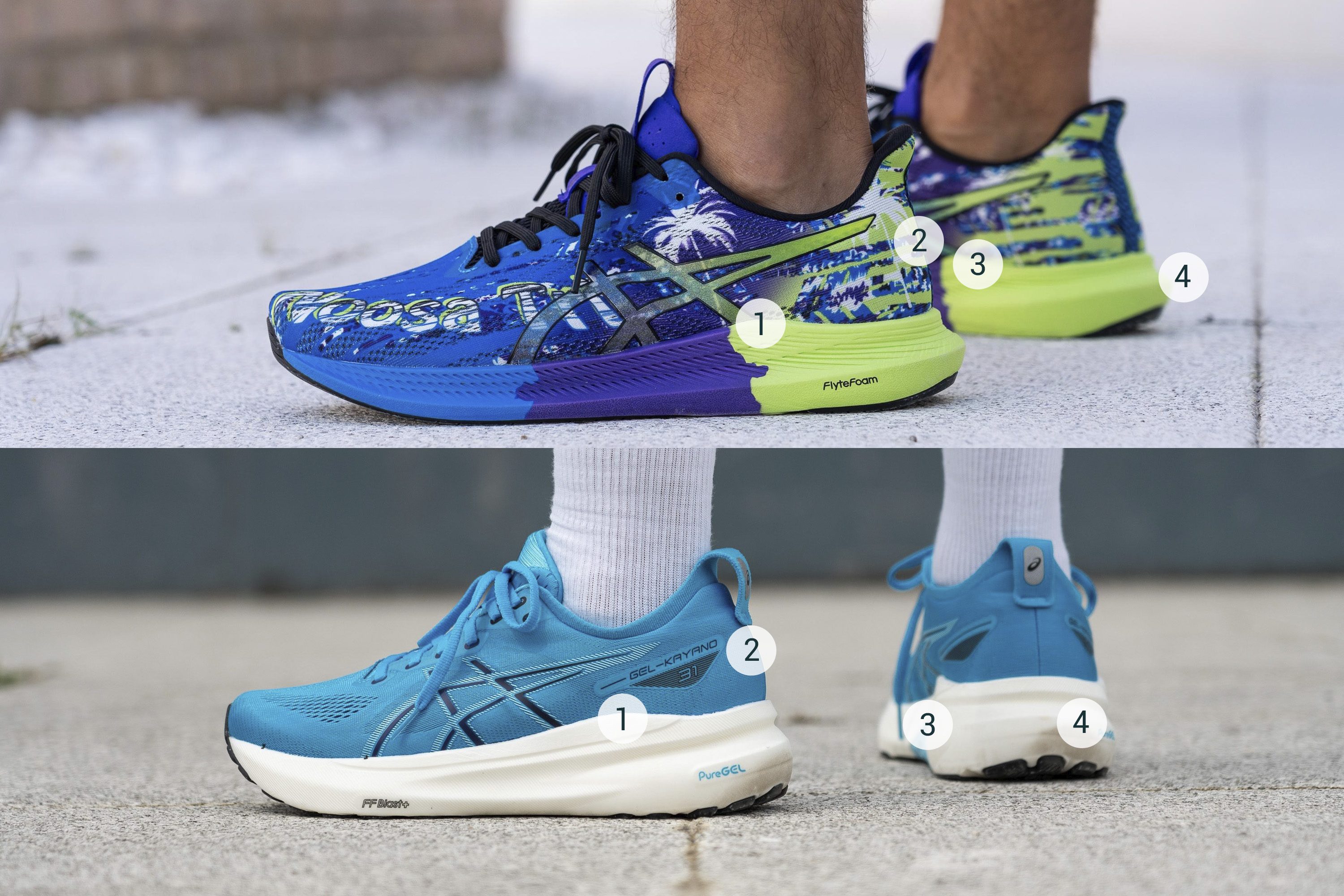
When you are at the store or browsing online, don't just look at the colors. You need to evaluate the structural integrity of the shoe. Use the Twist Test: grab the shoe by the heel and the toe and try to wring it like a towel. A good stability shoe should resist twisting in the midfoot.
Next, perform the Heel Counter Squeeze. Press on the back of the shoe where your heel sits. It should be firm and not collapse easily. This firm structure is what provides the necessary motion control to keep your heel locked in place, preventing the friction that leads to blisters.
Understanding stack height and heel-to-toe drop is equally important. A higher stack height typically offers more impact protection, while a lower drop (0mm to 4mm) encourages a midfoot or forefoot strike. Most runners suffering from foot pain will find the most relief in a medium-to-high drop shoe (8mm to 12mm), as it reduces the workload on the lower leg muscles and the foot's arch.
Technical Summary Table
| Shoe Model | Primary Benefit | Best For |
|---|---|---|
| ASICS Gel Kayano 32 | Adaptive Stability | Severe Overpronation |
| Saucony Hurricane 24 | Maximum Cushion | Plantar Fasciitis |
| NB Fresh Foam 860v14 | Wide Fit | Bunions & Flat Feet |
| Adidas Supernova Solution 3 | Lightweight Support | Shin Splints |
FAQ
Do I need supportive running shoes for flat feet?
Yes, runners with flat feet often experience arch collapse during the gait cycle, which can lead to overpronation and joint strain. Supportive running shoes for flat feet and arch support provide a firmer midsole on the inner side to maintain proper alignment and prevent injury.
Can supportive running shoes help with plantar fasciitis?
Supportive models can significantly reduce the strain on the plantar fascia. By providing a stable base and often a higher heel-to-toe drop, these shoes take the pressure off the heel and help distribute the force of impact more evenly across the foot.
What is the difference between neutral and supportive running shoes?
Neutral shoes are designed for runners with high arches or a neutral gait who do not roll their feet inward excessively. Supportive running shoes, or stability shoes, include specific technologies like medial posts or guide rails to correct overpronation and provide extra arch support.
How do I know if I need more support in my running shoes?
If you notice that the inside of your shoe soles wears down faster than the outside, or if you frequently experience pain in your arches, shins, or knees after running, you likely need more support. Performing a gait analysis at a professional running store can confirm your needs.
Are supportive running shoes better for overpronation?
Yes, they are specifically engineered for this purpose. Stability running shoes for overpronation use motion control features to prevent the foot from rolling too far inward, which helps maintain a more efficient and less injury-prone stride.
Take Control of Your Performance
The right footwear is the most critical piece of equipment in your training arsenal. Don't settle for "good enough" when it comes to your foot health. Whether you require cushioned running shoes for foot pain to get back on the road after an injury or you need the best supportive running shoes to tackle your first marathon, the technology available in 2026 makes pain-free running a reality for almost everyone.
Before making your final choice, I highly recommend visiting a local specialty run shop for a professional gait analysis. Combining expert data with the right pair of stability running shoes for overpronation will ensure you stay on the track and off the injury list. Pick a pair from our tested list, lace up, and focus on the miles ahead—not the pain in your feet.