Our Top Picks
- Best Overall: Bay Alarm Medical SOS Smartwatch combines a stylish design with a rapid 24/7 emergency response center connection and reliable fall detection.
- Best for Independence: UnaliWear Kanega offers a completely voice-controlled interface and swappable batteries, making it the premier choice for seniors who want to avoid charging cables.
- Best for Home Safety: Home-based ambient sensors from companies like Minut or Aloe Care Health provide excellent protection in high-risk areas like the bathroom without the need for a wearable pendant.
Top senior safety wearables for senior safety include medical alert smartwatches and pendants equipped with automatic fall detection and GPS. Devices like the Bay Alarm Medical SOS Smartwatch and UnaliWear Kanega utilize accelerometers and artificial intelligence to identify impacts and facilitate two-way communication with emergency dispatchers, providing 24/7 monitoring while maintaining a discreet appearance suitable for active seniors.
Quick Facts
- Hospitalization Reduction: Seniors using fall detection technology are 35% less likely to require hospitalization due to faster emergency response times.
- AI Accuracy: Modern sensors can achieve an accuracy rate of up to 95% when distinguishing between actual falls and daily movements.
- Market Growth: The global market for elderly healthcare wearables is expected to hit $45.29 billion in 2025.
- Form Factors: Options range from traditional pendants and smartwatches to non-wearable ambient sensors and wall-mounted buttons.
- Communication: Two-way audio communication allows the user to speak directly with a dispatcher through the device itself.
- Connectivity: Most 2026 models utilize 5G or LTE cellular networks, meaning they do not require a paired smartphone to function.
Best for Active Seniors: Smartwatches and Medical Alert Systems with GPS
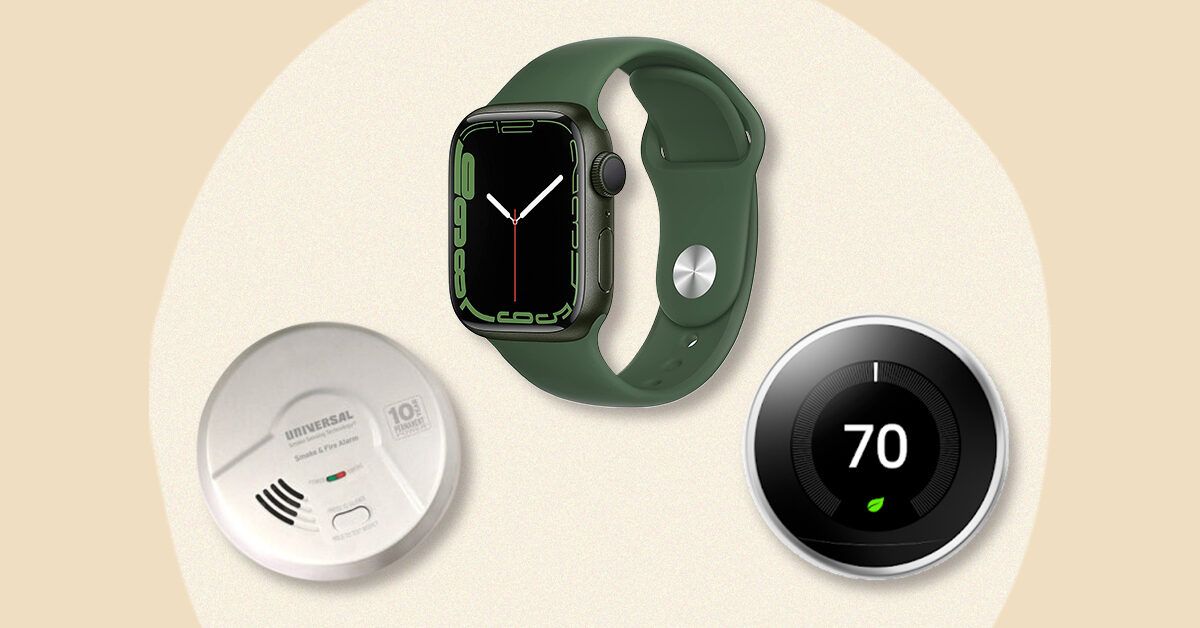
For the modern senior who enjoys hiking, traveling, or simply walking around the neighborhood, the best senior safety wearables are those that move with them. The transition from bulky, stigmatized beige buttons to sleek smartwatches has been a game-changer for compliance. When a senior actually likes the look of their device, they are far more likely to wear it consistently.
The current generation of medical alert systems with GPS ensures that help can find the user anywhere. These devices utilize a combination of cellular triangulation and satellite data to provide precise coordinates to an emergency response center. For families concerned about cognitive decline or memory issues, these watches often include geofencing alerts. This allows caregivers to receive a notification if their loved one wanders outside of a pre-defined safe zone.
The best smartwatch medical alert for active seniors goes beyond simple emergency buttons. Many now include health metrics tracking, such as heart rate monitoring and step counting, which encourages daily use for wellness rather than just safety. These devices prioritize two-way audio communication, allowing the wearer to speak directly into their wrist to explain the situation to a dispatcher, whether it is a medical emergency or just a request for non-emergency assistance.
Best for Home Safety: Fall Detection Devices for Elderly and Ambient Sensors
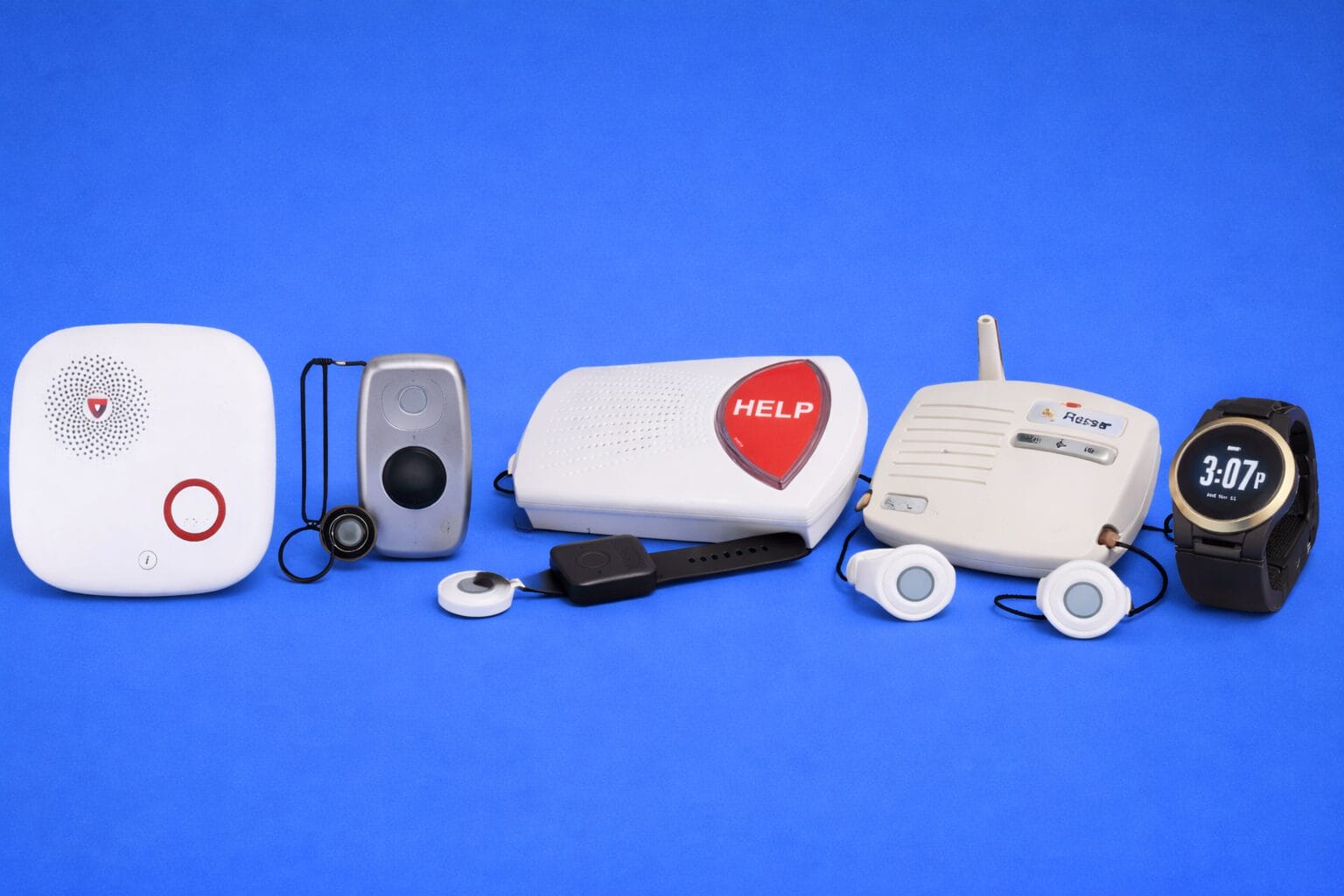
While outdoor mobility is important, the majority of serious accidents occur within the home, specifically in the bathroom or bedroom. Effective fall detection devices for elderly safety must be reliable in these high-risk environments. Traditional pendants are still a mainstay because they can be worn around the neck, positioning the sensor closer to the body’s center of mass for better impact reading.
One of the most critical features to look for is a waterproof rating. Since many falls happen on wet surfaces, having waterproof fall detection devices for shower safety is non-negotiable. Whether it is a wristband or a pendant, the device must be able to withstand total submersion or heavy splashing so that the user never has to take it off.
For those who find wearables uncomfortable at night, wall-mounted, voice activated medical alert systems offer an additional layer of protection. These units can be placed low to the ground in hallways or bathrooms. If a senior falls and cannot reach their wearable, they can simply use a voice command to trigger an alarm. These home-based systems often integrate accelerometer-based detection within the wearable component to provide a comprehensive digital safety net.
The Fall Detection Gap: Comparing Medical Alert Pendants vs Smartwatches for Seniors
A common question I encounter as an editor is whether a watch is as effective as a neck pendant. When comparing medical alert pendants vs smartwatches for seniors, the data reveals a "detection gap." Chest-worn pendants generally offer higher accuracy because they are less prone to the "noise" of arm movements. A watch might register a vigorous hand gesture or a sudden clap as a fall, whereas a pendant remains relatively stable against the torso.
To solve this, manufacturers are increasingly relying on artificial intelligence and advanced motion detection algorithms. Modern systems are designed for false positive mitigation, meaning they can distinguish between the sharp jolt of a fall and the quick motion of someone sitting down fast on a sofa. By using a multi-sensor approach, the device analyzes the speed of the drop, the impact force, and the subsequent lack of movement to confirm an emergency.
If you are looking for how to reduce medical alert fall detection false alarms, the answer lies in choosing devices with adjustable sensitivity or AI learning. Some high-end models actually learn the wearer's specific gait and movement patterns over several weeks, significantly reducing the number of accidental dispatches while maintaining a high level of vigilance.
Aging in Place: Non-Wearable Smart Home Sensors and Caregiver Apps
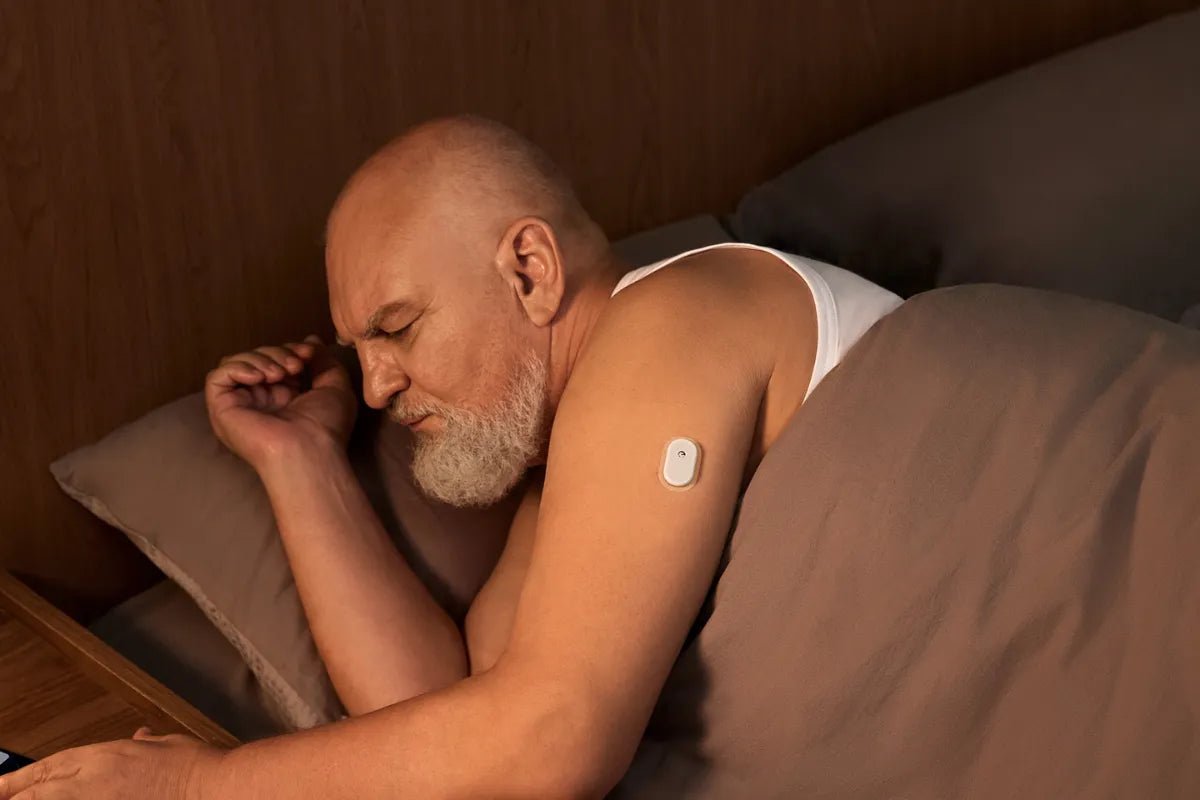
Not every senior is willing to wear a device 24/7. For those who value total discretion or simply forget to put on a watch, smart home sensors for aging in place offer a passive alternative. These systems use ambient sensing technology—such as radar, infrared, or ultrasonic waves—to monitor movement throughout the home without the use of invasive cameras.
These non-wearable smart home sensors for aging in place can detect if a person has spent an unusually long time in the bathroom or if they haven't moved from the bedroom by their usual wake-up time. This data is then funneled into medical alert systems with caregiver app monitoring. These apps provide family members with real-time caregiver notifications, allowing for remote patient monitoring that respects the senior’s privacy while ensuring they are active and safe.
This proactive approach is part of a larger trend in longevity: preventing the "long lie." If a senior falls and cannot call for help, the time spent on the floor is the primary predictor of their recovery outcome. Passive sensors ensure that even if the senior isn't wearing their device, the house itself is looking out for them.
| Feature | Medical Alert Smartwatch | Fall Detection Pendant | Ambient Home Sensors |
|---|---|---|---|
| Primary Use | Active, on-the-go safety | High-risk fall monitoring | Passive home monitoring |
| Fall Detection | Accelerometer-based | High-accuracy AI | Radar/Infrared sensing |
| GPS Tracking | Integrated | Integrated (Mobile models) | N/A (In-home only) |
| Battery Life | 1–3 days | 6–12 months or swappable | Plug-in power |
| Discretion | High (looks like a watch) | Moderate | Very High (no wearable) |
The True Cost: Equipment Fees and Monthly Subscriptions
When evaluating senior safety wearables, the price tag you see is rarely the final cost. Most systems involve an initial equipment fee, which can range from $50 to $350, followed by a monthly service fee. This subscription covers the cost of the 5G cellular connection and the 24/7 staffing of the emergency response center.
You may encounter medical alert systems with no monthly fees. While these are tempting, they usually operate by dialing a list of personal contacts (like family or neighbors) rather than a professional dispatcher. In a true medical crisis, relying on a family member to answer their phone at 3:00 AM is a significant risk. Professional monitoring ensures that a trained operator is always on the line within seconds, capable of dispatching local EMS and providing your medical history to first responders.
For long-term value, look for companies that offer "price lock" guarantees, ensuring your monthly rate won't increase as technology evolves. Some insurance plans and Medicare Advantage programs have also started to subsidize these costs, recognizing that the price of a wearable is far lower than the cost of a single emergency room visit.
FAQ
What are the best wearable safety devices for seniors?
The best devices for 2026 include the Bay Alarm Medical SOS Smartwatch for active users and the UnaliWear Kanega for those who prefer voice-controlled, hands-free operation. For maximum accuracy in fall detection, traditional pendants worn around the neck remain the gold standard due to their stable position on the body.
How does fall detection work in senior wearables?
Fall detection uses a combination of accelerometers and gyroscopes to measure sudden changes in velocity and body orientation. When a specific threshold of impact is met, followed by a period of stillness, the device’s artificial intelligence identifies it as a fall and automatically triggers an alert to the monitoring center.
Do senior safety wearables require a monthly subscription?
Most high-quality wearables require a monthly subscription to maintain a cellular connection and access a 24/7 professional emergency response center. While some no-fee options exist, they typically only call pre-programmed personal contacts and do not offer the same level of reliability as professional monitoring.
Can senior safety wearables track location with GPS?
Yes, most modern mobile safety wearables come equipped with integrated GPS and cellular technology. This allows the emergency response center to pinpoint the wearer's exact location even if they are away from home or unable to speak, making them ideal for active seniors or those prone to wandering.
Are there safety wearables for seniors that work without a phone?
The majority of dedicated medical alert wearables operate on their own independent cellular networks (LTE or 5G) and do not require a smartphone or a home landline to function. This ensures the device remains active and connected as long as there is cellular signal in the area.
Does Medicare cover the cost of senior safety wearables?
Standard Medicare Part A and Part B typically do not cover the cost of medical alert systems, as they are considered personal safety equipment rather than durable medical equipment. However, many Medicare Advantage (Part C) plans and some long-term care insurance policies do provide coverage or discounts for these devices.
Choosing the Right Protection for Your Loved One
Selecting the right senior safety wearables is a balance between technical capability and user lifestyle. If your loved one is still walking the dog and driving, a medical alert smartwatch offers the best blend of features and style. If they spend most of their time at home and have a higher risk of tripping, a pendant with high-accuracy fall detection and a suite of smart home sensors for aging in place is the safer bet.
Remember that technology is only effective if it is used. Sit down with your family member and discuss which form factor they feel most comfortable with. Whether it is a discreet watch or a passive sensor in the living room, the goal is to provide independent living support that offers peace of mind for the caregiver and dignity for the senior.
As we move further into 2026, these tools are becoming smarter, faster, and more intuitive. By investing in a system with artificial intelligence and robust monitoring, you are providing a digital safety net that ensures help is never more than a few seconds away.